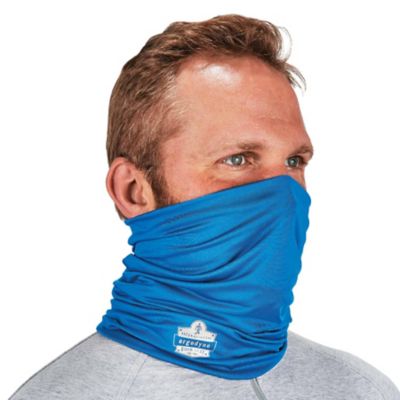
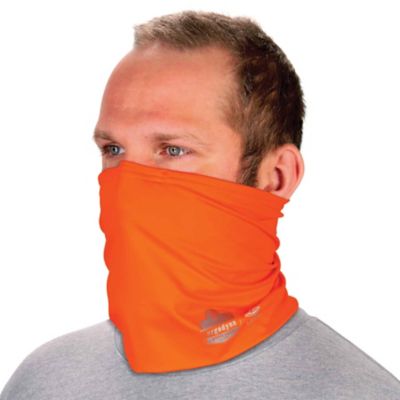
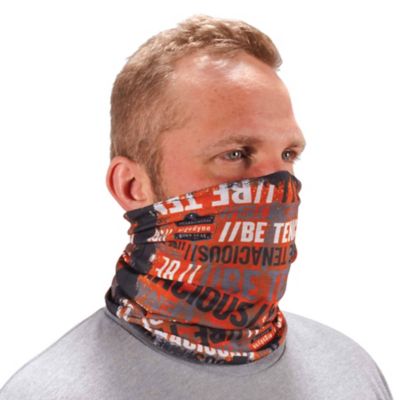
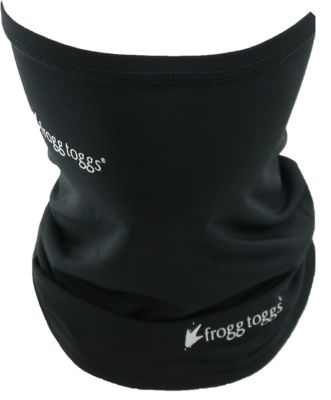
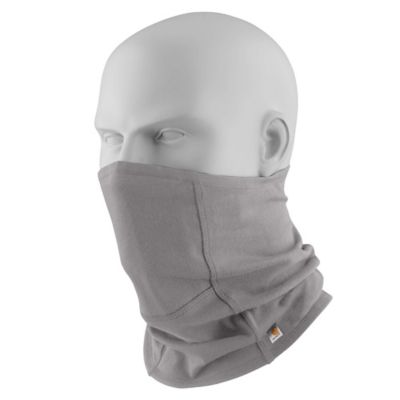
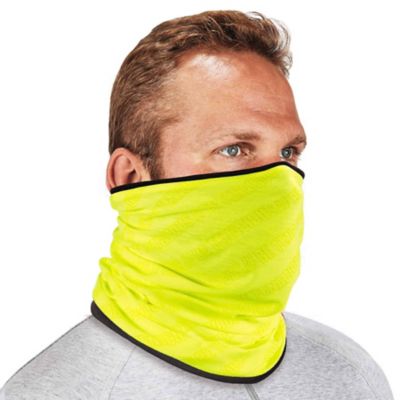
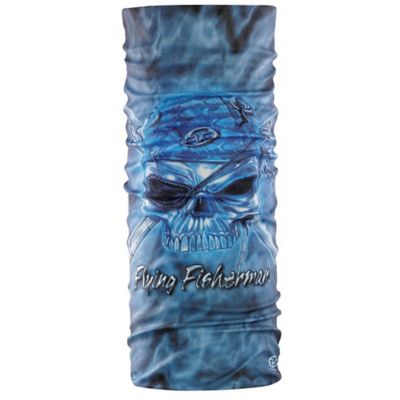
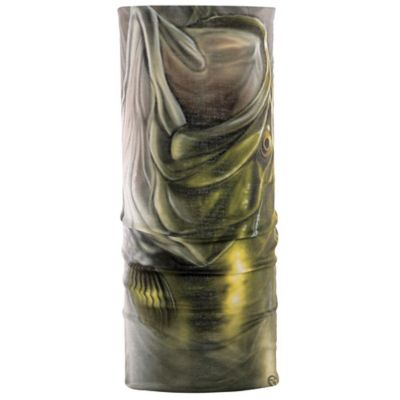
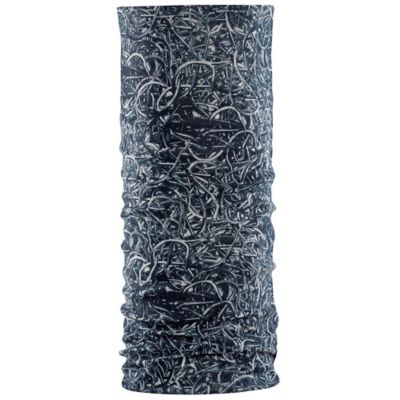
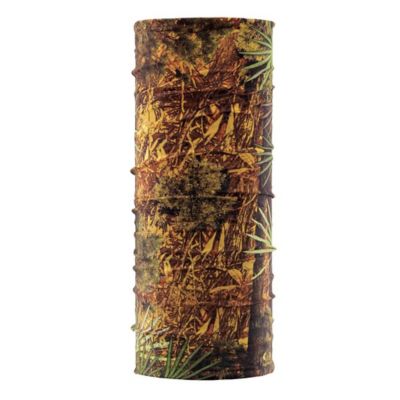
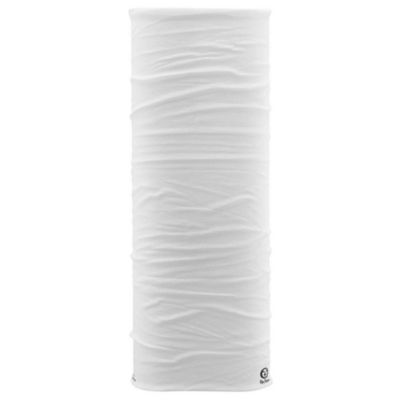
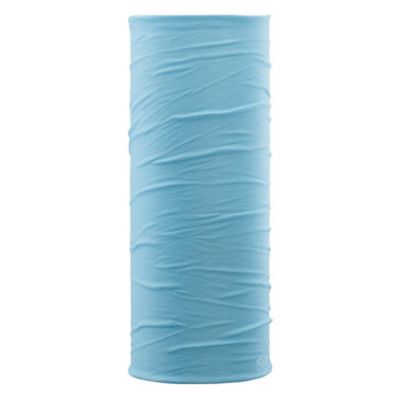
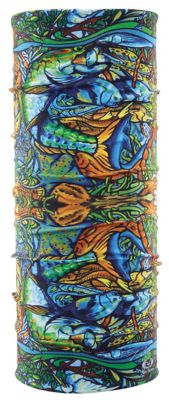
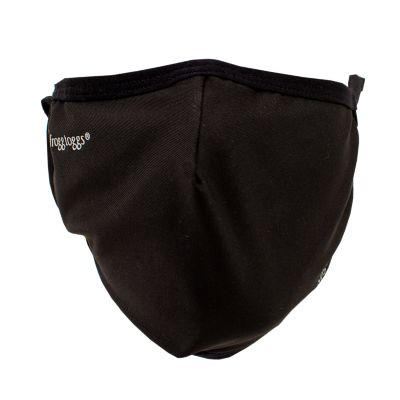
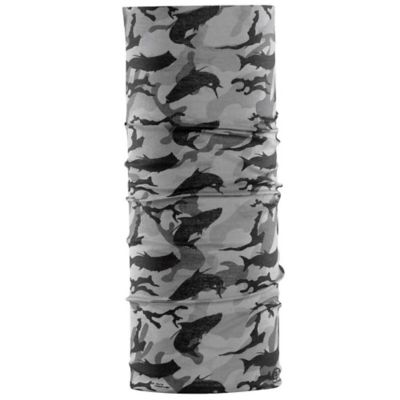
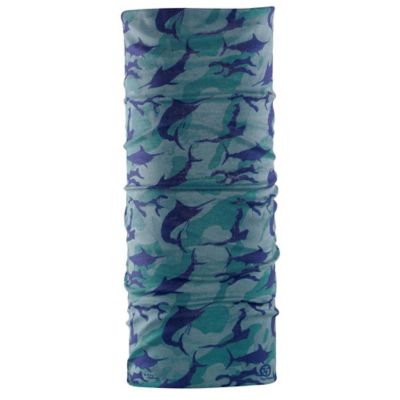
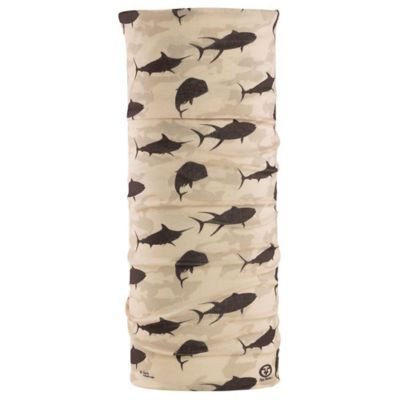
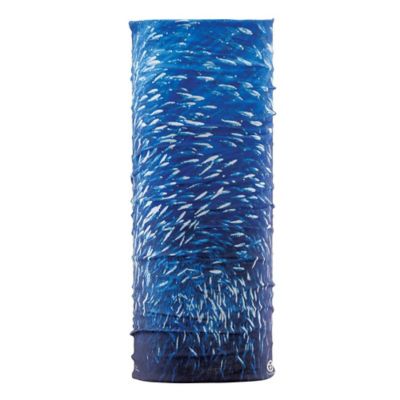
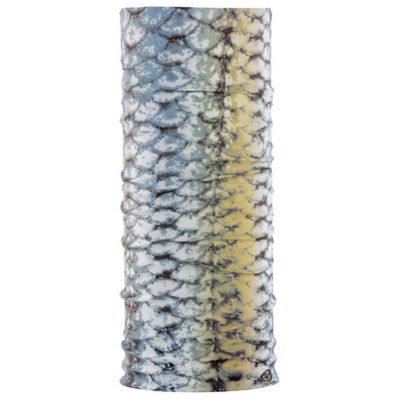
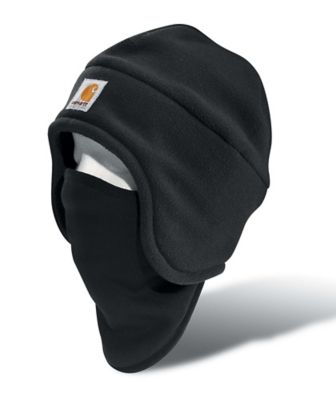
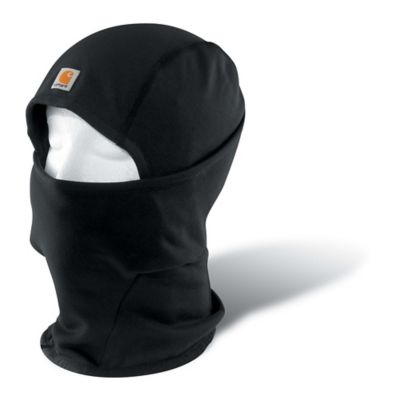
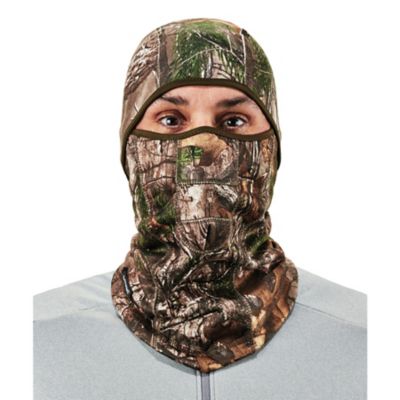
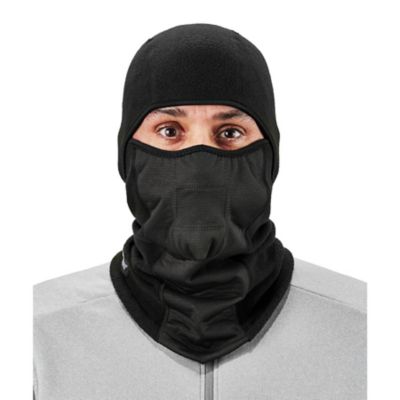
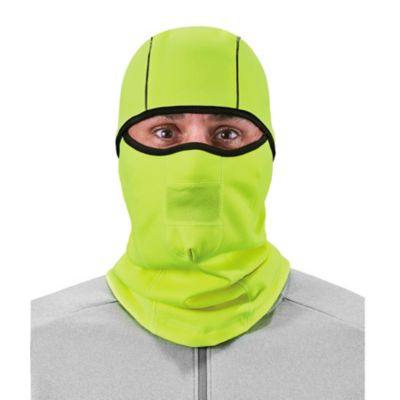
Face masks for running can make outdoor miles more comfortable when the air is cold, windy, dusty or crowded. A well-designed running face covering helps take the bite out of chilly air without feeling heavy or soggy as your pace picks up. Some runners use one during brisk morning jogs, trail runs and dog walks, while others reach for a mask when passing through busy areas or running near roads where dust and exhaust can be a concern. The best choice depends on the kind of coverage you need and the weather you expect to face. For warm conditions, look for an ultra-light, single-layer fabric with plenty of airflow and moisture-wicking performance. Polyester, nylon, elastane and similar athletic blends can pull sweat away from the skin and dry faster than everyday cotton. A structured 3D or standoff shape is especially handy because it holds the fabric away from your lips and nostrils, giving you more breathing room as you settle into a steady rhythm. Flat seams can help cut down on rubbing, while soft edges are easier on the cheeks and behind the ears during longer outings. As the weather warms, a thin face covering that feels almost weightless is generally more comfortable than a thick, layered style that traps heat. Keep in mind that any face covering should allow comfortable breathing for your activity level, and it is smart to ease into use with shorter runs before wearing one for a long distance.
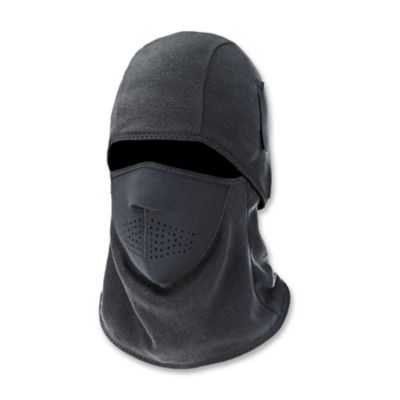
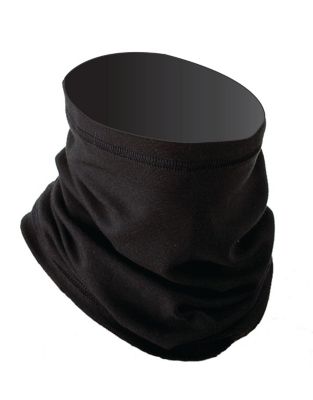
A secure fit matters just as much as fabric. Running creates plenty of movement, and a loose mask may slide down when you look over your shoulder, while one that is too tight can become distracting before you reach the halfway point. Adjustable ear loops or head straps make it easier to find a snug fit, and a flexible nose wire can help the upper edge stay in place. That wire may also reduce fogging when you wear running sunglasses, though a proper fit and anti-fog lens treatment can make a difference, too. Choose a size that covers the nose, mouth and chin without bunching, and check that the mask stays put when you talk, turn your head or pick up the pace. For cool, blustery runs, a neck gaiter, half-balaclava or wind-resistant thermal cover can warm the air before it reaches your nose and mouth while helping shield your face from a sharp crosswind. During the cooler months, runners often appreciate a soft, stretchy layer that can be pulled up for exposed stretches and lowered around the neck during warmups or slower walks. If you spend time on wooded paths, farm lanes or gravel roads, a snug face covering can also help keep grit and airborne dust from becoming part of the workout. Washable designs are practical for regular training, especially when sweat, sunscreen and trail dust build up after a few miles. Follow the care instructions, let the mask dry completely between uses and keep a spare in a gym bag, truck console or running pack. For more outfit ideas, browse
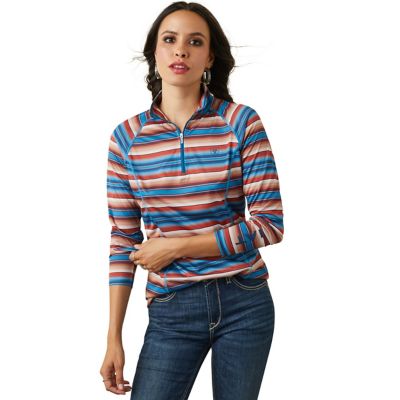
Clothing for Runners to help round out your gear for changing conditions.
Face masks for running can be a thoughtful gift for a neighbor who walks before sunrise, a family member training for a race or a friend who spends every spare minute on the local trail. They are also useful for runners who work outdoors, commute on foot or like to keep a face covering close by when conditions change. When choosing one as a gift, consider the recipient’s usual route and season. Someone who runs in warm, humid weather may prefer a breathable, quick-drying mesh style, while a cold-weather runner may get more use from a thermal cover with extra protection around the cheeks, ears and neck. Neutral colors and simple designs are easy to pair with everyday activewear, and a lightweight option can tuck into a pocket when it is no longer needed. Runners who wear glasses or sunglasses may appreciate a shaped nose area and adjustable upper edge, while those with sensitive skin may favor smooth, tag-free construction. It also helps to think about how the mask will be used: a thin cover for sun, dust and airflow is different from a wind-blocking layer meant for cold morning miles. No face covering should make breathing feel restricted, cause dizziness or encourage you to push through discomfort; slow down, remove it safely when appropriate and choose a style suited to the effort and conditions. With the right balance of coverage, airflow, stretch and fit, a running mask can become one of those small pieces of gear you are glad to have tucked in your pocket when the wind rises, the temperature drops or the trail gets busy.