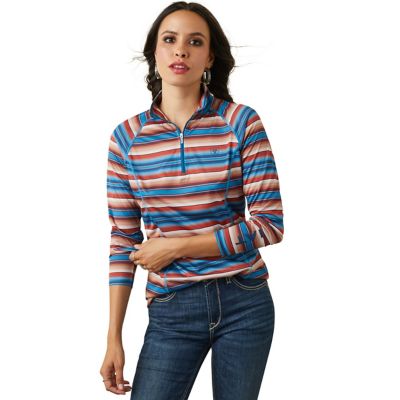
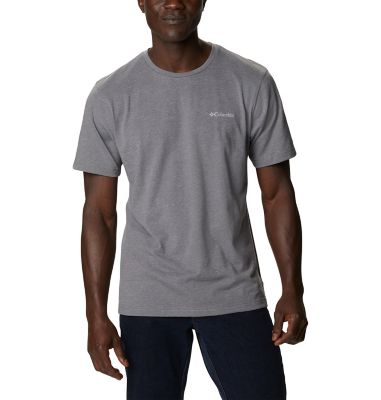
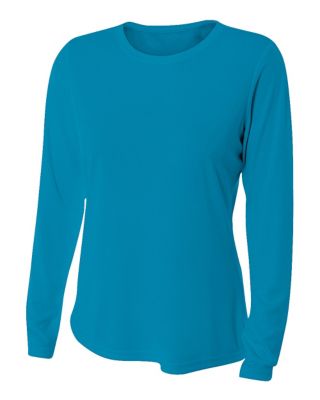
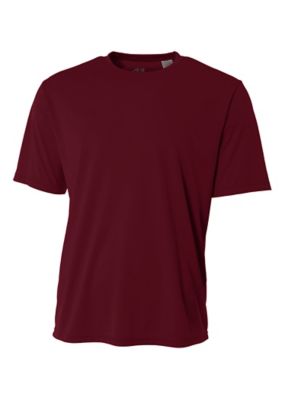
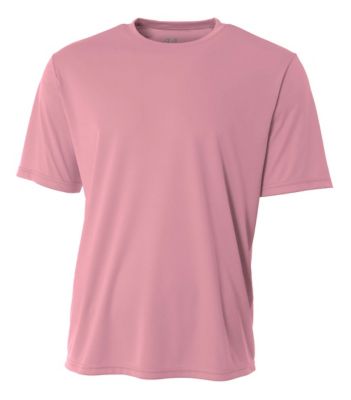
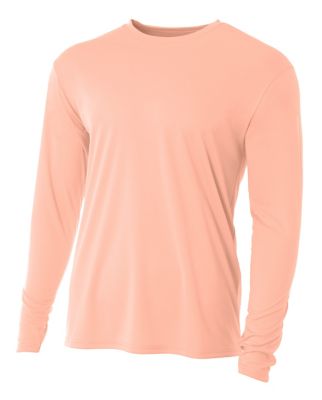
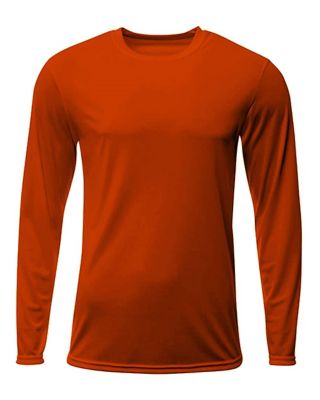
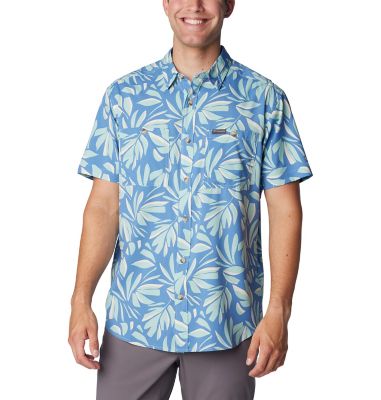
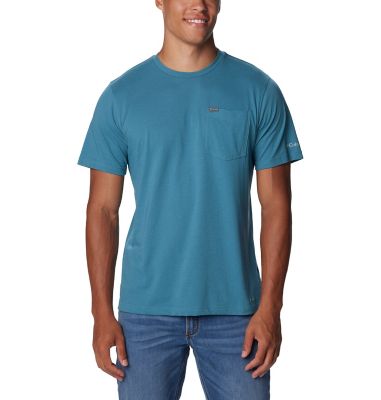
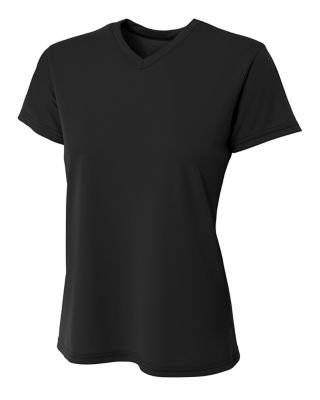
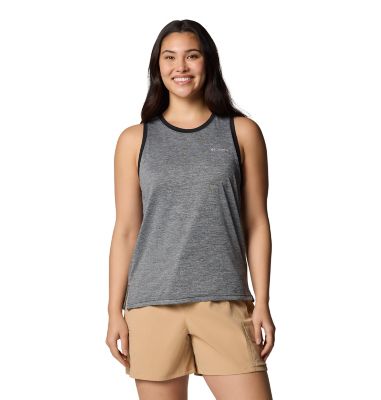
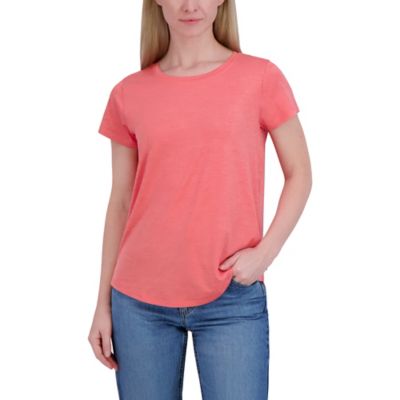
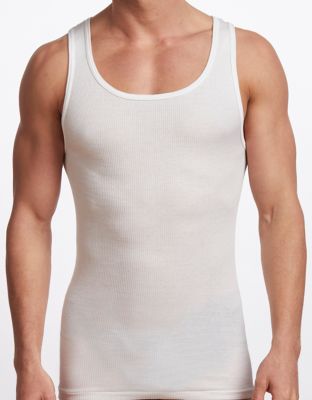
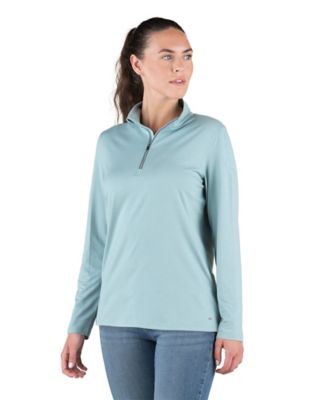
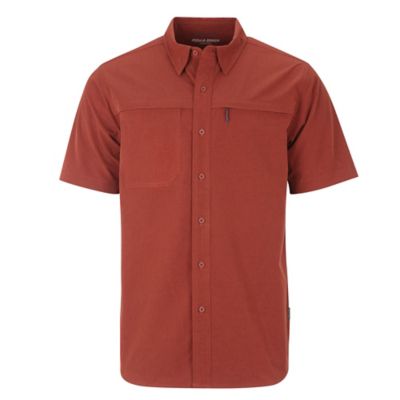
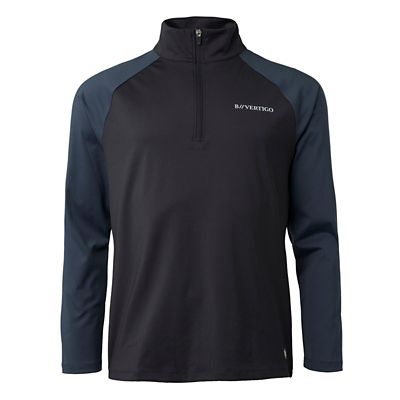
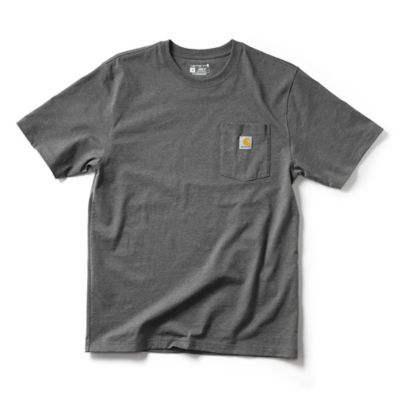
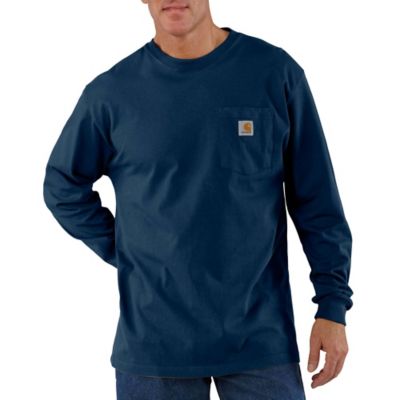
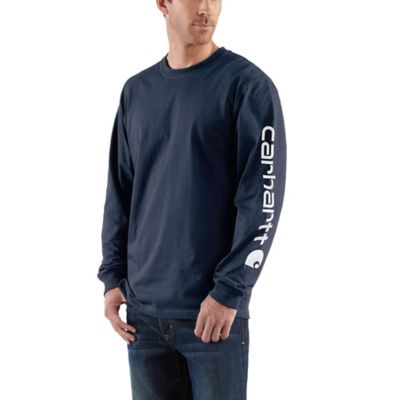
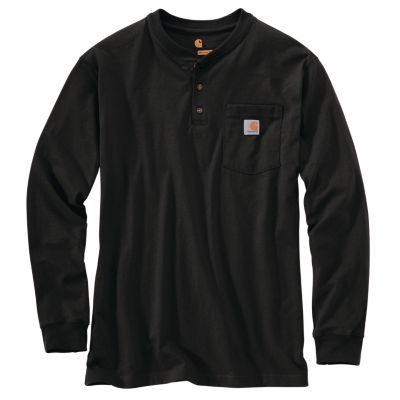
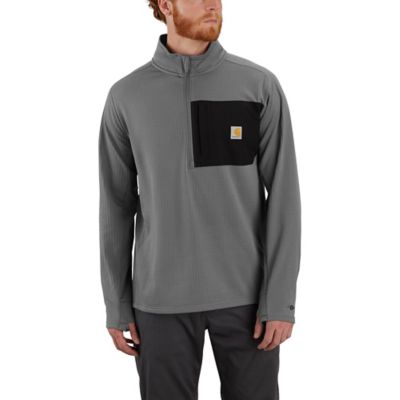
Clothing for runners is built around one simple goal: helping you stay comfortable from the first step to the last. Unlike everyday clothes, running apparel is made to move with your body, manage sweat, and hold up through repeated washing and miles on the road, track, trail, or gravel lane. Lightweight, moisture-wicking shirts and singlets help pull perspiration away from your skin so you feel drier during a hard effort, while breathable mesh panels can let extra heat escape when your pace picks up. Look for a comfortable fit that gives you room to swing your arms and stretch without excess fabric flapping around. Some runners prefer a close, athletic cut that stays put, while others like a little more space for an easy jog or a walk-run routine. During the cooler months, a long-sleeve layer adds welcome coverage before sunrise and after sunset without making your outfit feel bulky. A soft, flexible top can also work well for warmups, cool-downs, errands after a run, or outdoor chores when the air has a sharp edge to it. Browse
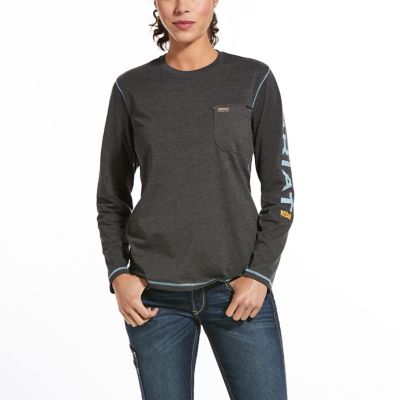
Women's Long Sleeve Running Tops for comfortable coverage that fits into an active wardrobe. When choosing any running shirt, pay attention to seams, hems, and areas that may rub under the arms or along the sides. Flat or smooth seams can help reduce irritation, especially on longer outings, and a shirt that dries quickly is useful when a workout turns sweatier than expected. Color and visibility matter, too. Brighter shades and reflective details can make a runner easier to see near roads, driveways, and shared paths during dim conditions, while a simple neutral top can transition easily from exercise to everyday wear.
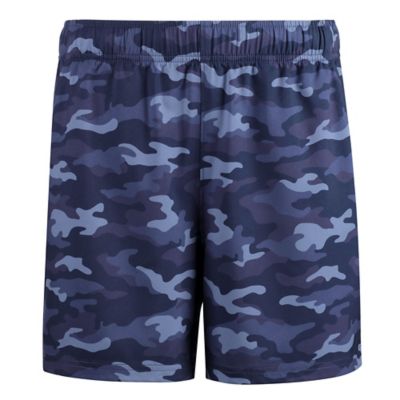
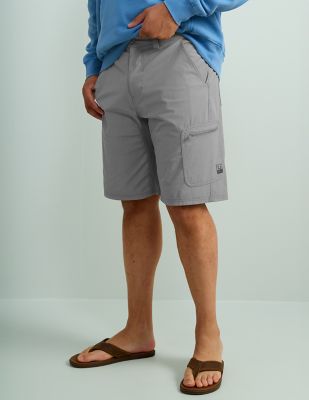
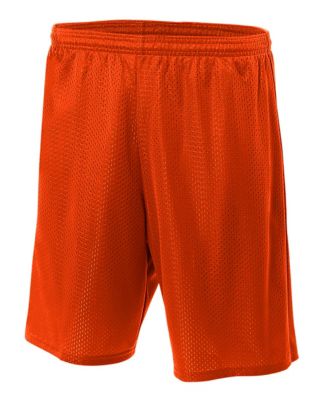
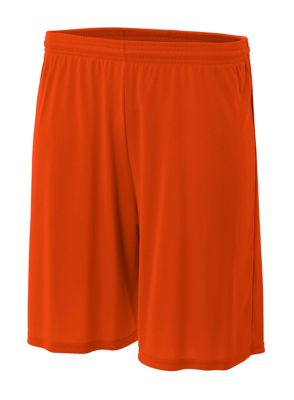
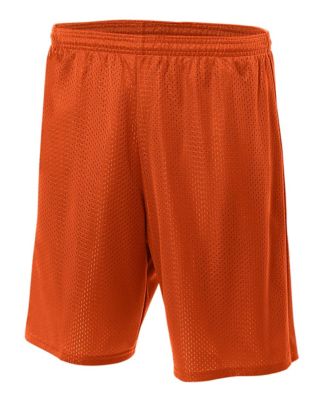
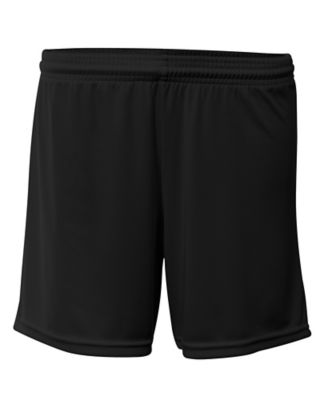
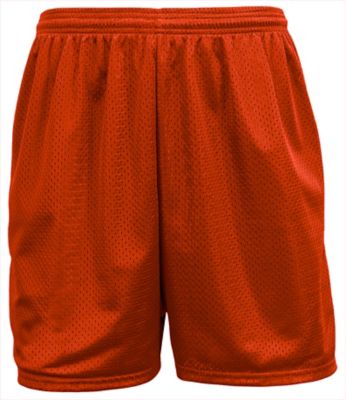
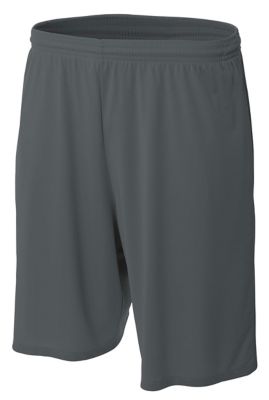
The right running bottoms should offer freedom of movement without shifting, pinching, or riding up. Running shorts may be a good fit for warm afternoons, indoor training, or runners who like plenty of airflow, while longer tights and fitted pants provide extra coverage when the temperature drops or the wind moves across an open field. Compression-style bottoms can offer a close fit that many runners appreciate, but comfort should always come first; fabric should stretch easily through a full stride, squat, or hill climb without feeling restrictive. Pockets are another practical detail worth considering. A secure pocket can carry a key, identification, small phone, or other essentials, which is handy when a run starts at the barn, neighborhood mailbox, park, or trailhead and there is no convenient place to leave belongings. Waistbands should feel supportive without digging in, and drawcords can help create a more dependable fit. Chafing prevention is especially important for distance runners, walkers, and anyone spending a long stretch outdoors. Smooth fabrics, well-placed seams, and a properly sized layer can make the difference between finishing comfortably and cutting a route short. Socks deserve attention as part of a complete running outfit. Moisture-managing socks with a comfortable fit can help keep feet drier and reduce the chance of blisters, while breathable construction helps prevent that hot, damp feeling inside your shoes. Some runners keep different weights of socks on hand for changing conditions, using a lighter pair in warmer weather and a slightly warmer pair when the ground is cold. These practical pieces can also make thoughtful gifts for a friend training for a first race, a family member building a walking habit, or someone who enjoys staying active outdoors. A good gift does not have to be flashy; dependable clothing that feels comfortable, washes well, and earns a regular place in a gear drawer is often the piece that gets used the most.
Weather can change quickly during a run, particularly in the transition from warmer days to colder ones, so versatile outer layers are helpful for runners who do not want to stay indoors when the forecast turns unsettled. A lightweight wind-resistant or water-repellent jacket can take the bite out of a breeze, shed a passing sprinkle, and pack down when the afternoon warms up. Look for breathable material and vents or underarm panels that help release heat, since a jacket that traps moisture can become uncomfortable even when it protects you from the weather outside. Layering gives you room to adjust: a moisture-wicking base layer can sit close to the skin, a long-sleeve shirt can add warmth, and an outer shell can help block wind and light rain. The best combination depends on your pace, the length of your route, and whether you tend to run warm or cold. A runner heading out before daylight may need more coverage at the start, while someone covering hills or moving at a faster pace may prefer lighter layers once their body temperature rises. Hats can help shield your eyes from low sun, light rain, or wind, and ventilated construction keeps the top of your head from feeling overheated. Gloves or lightweight hand coverings are useful when fingers get cold during the first few miles, especially for morning runners. Consider reflective accents and visibility when selecting layers and accessories for roads, rural shoulders, parking lots, and paths used in low light. Clothing for runners should support real routines, whether that means a short loop after work, a long weekend distance, walking with the dog, training for an event, or fitting in a few miles before feeding livestock. Choose pieces that match your climate, activity level, preferred fit, and laundry habits, and you will have running apparel that feels ready for the next outing through the cooler months.