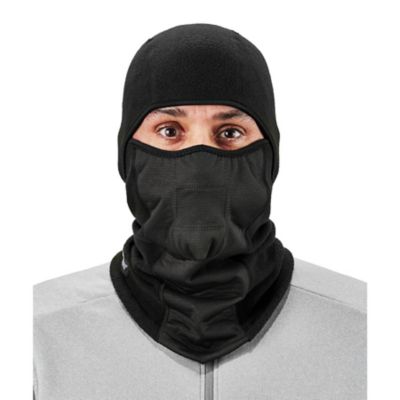
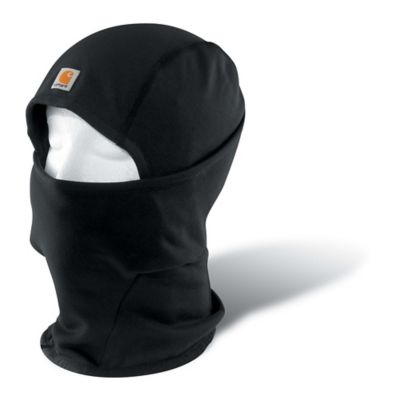
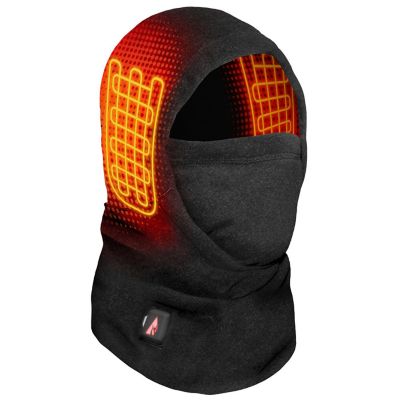
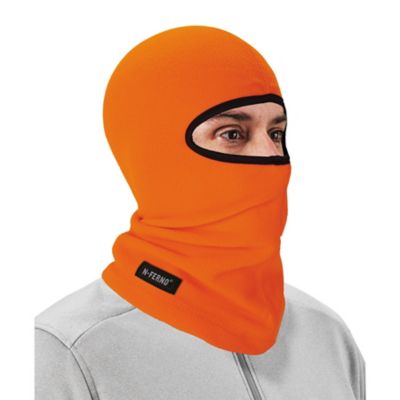
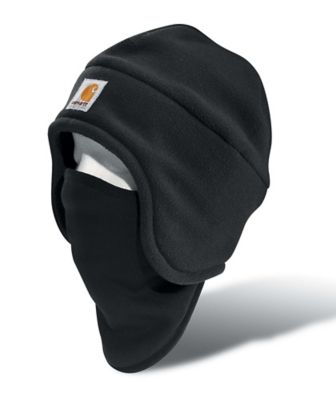
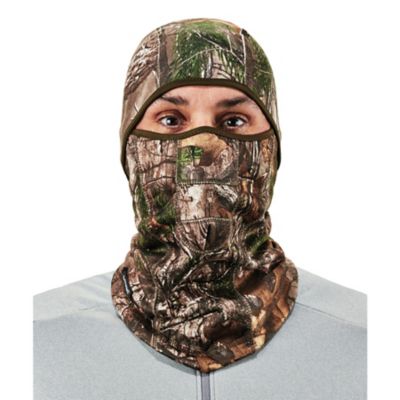
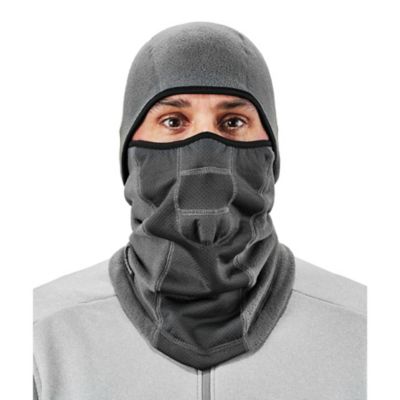
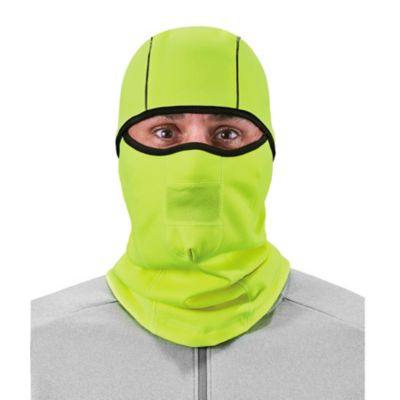
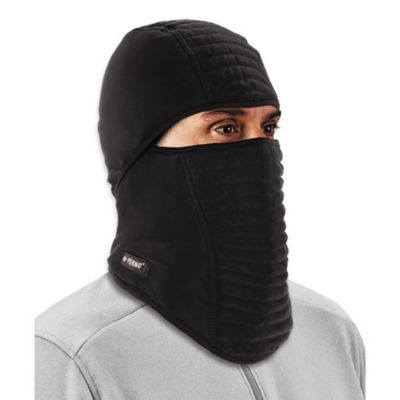
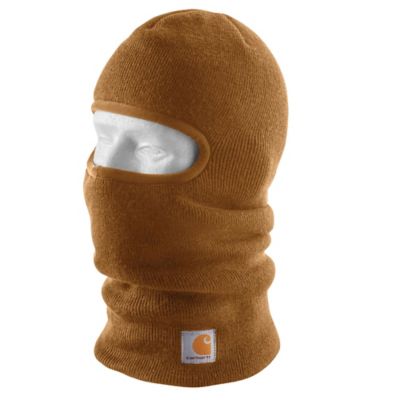
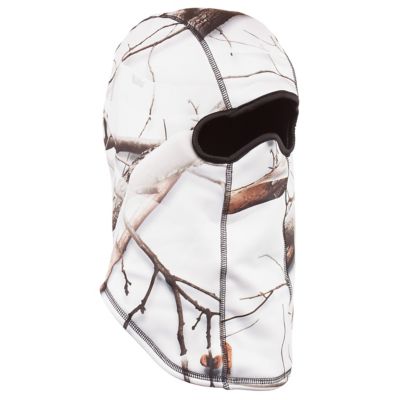
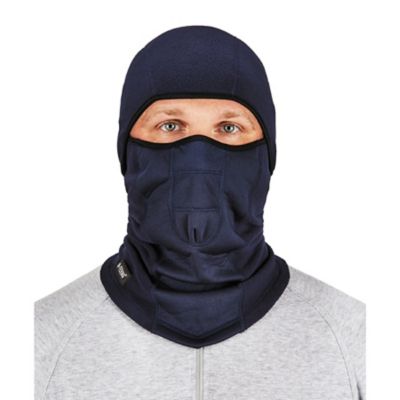
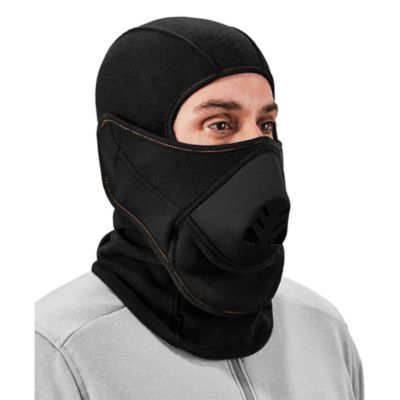
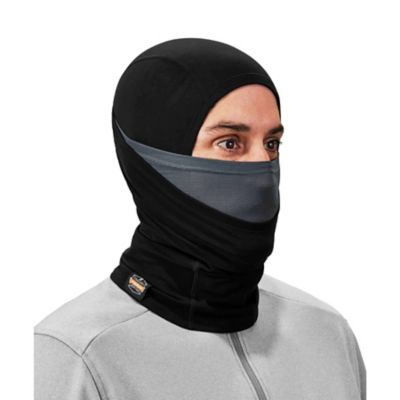
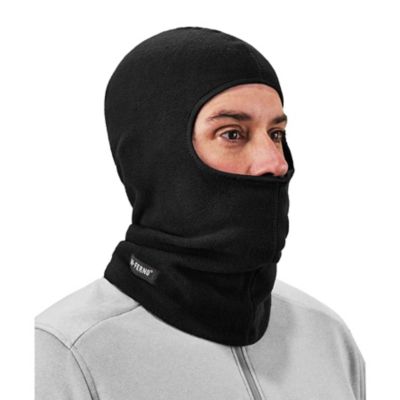
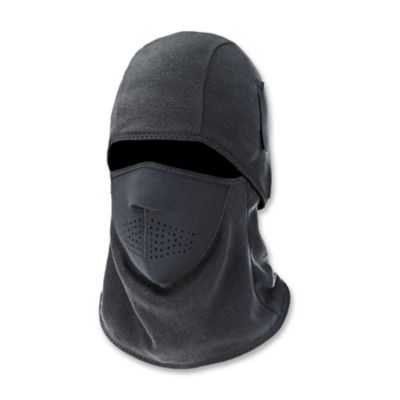
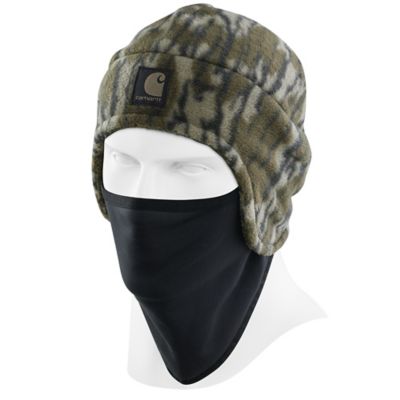
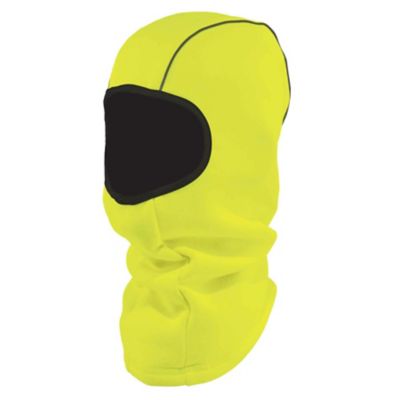
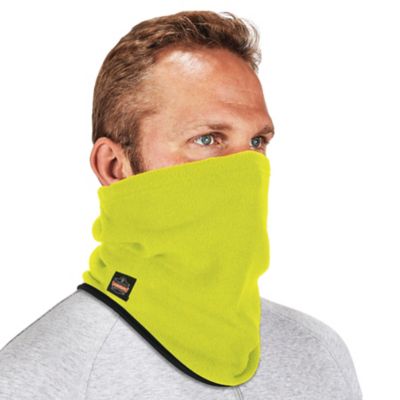
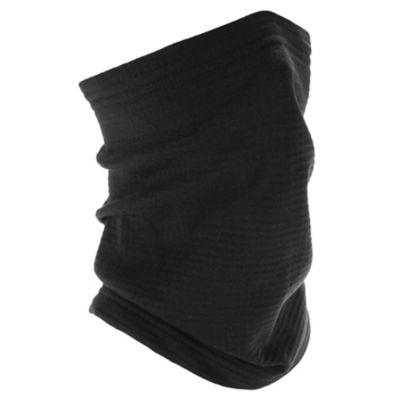
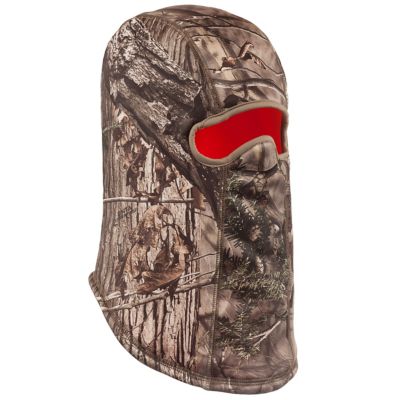
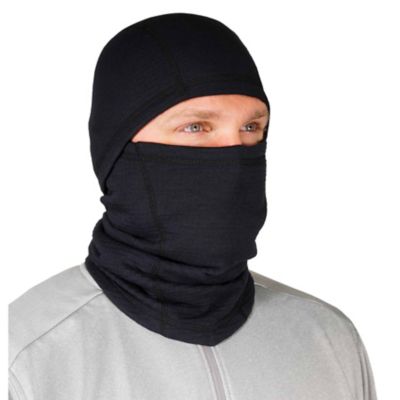
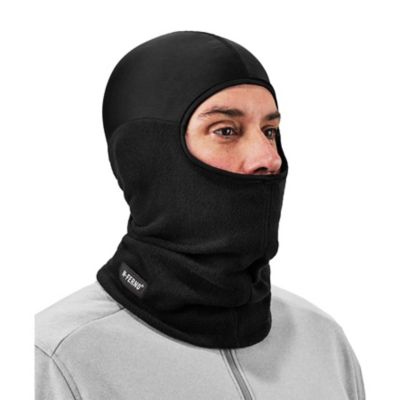
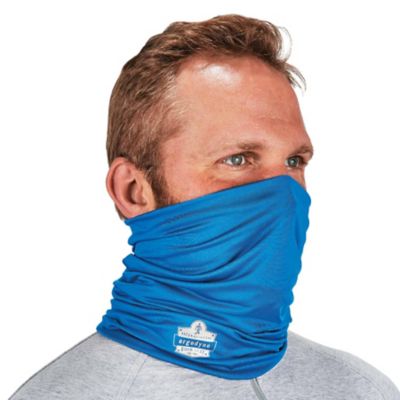
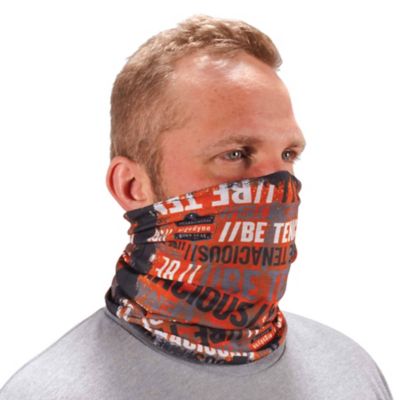
Cold weather face masks help take the edge off brisk wind, low temperatures, and long stretches outdoors. They are a practical choice for farm chores, winter walks, snow clearing, hunting, fishing, commuting, and outdoor work when a scarf alone leaves your cheeks and nose exposed. A full-coverage balaclava-style mask can cover the head, neck, cheeks, and lower face, helping hold warm air close to the skin while keeping cold gusts from reaching those hard-to-protect spots. Look for a fit that sits close without feeling tight, especially around the nose, jaw, and neck. A longer neck section can tuck neatly into a coat or coveralls, which helps prevent gaps when you bend, reach, or turn your head. Stretch fabric can make it easier to pull the mask on and off, while a hinged or convertible face panel gives you the option to cover your nose and mouth fully, pull the panel down while talking, or wear the mask around your neck when the wind settles. For hands-on chores, that flexibility matters. You may start the morning feeding animals in a sharp breeze, warm up while hauling supplies, then need to uncover your mouth to speak with someone across the yard. A face mask that adjusts without taking off gloves can make the whole routine smoother.
The material and construction deserve a close look before choosing a cold weather face mask. Soft fleece or thermal fabric can add warmth against the skin, while a moisture-wicking inner layer helps move perspiration away during active work. This is especially helpful when you are carrying firewood, walking a hilly trail, shoveling snow, or moving between a heated cab and the open air. A wind-resistant outer layer can help shield your cheeks and nose from biting windchill, while mesh or perforated panels around the mouth and nose allow breath to escape. Breathable vents may also help reduce fogging on glasses, goggles, or protective eyewear, though fit, weather, and activity level all play a part. If you wear glasses, pay attention to where the nose opening sits and whether the mask leaves room for the frames to rest naturally. If you wear a helmet, hard hat, or ear protection, choose a low-profile style that does not bunch beneath the headgear or press against the ears. Some people prefer a mask with a smooth lining for direct skin contact, while others look for a thicker fleece interior when facing still, bitter air. Consider how much coverage you need, too. A lighter face covering may suit brisk walks or cool mornings, while a heavier full-face design may be better for extended time in exposed areas. Check the care directions and sizing information before placing an order, and think about whether you will wear the mask over facial hair, a thin liner, or another layer. The right fit should cover the areas you want protected without sliding into your eyes or making it difficult to breathe, speak, or see.
Cold weather face masks can be a thoughtful gift for someone who spends time outside, from a ranch hand heading out before daylight to a runner, hunter, delivery driver, snow remover, or college student walking across a windy campus. They can also be handy to keep in a truck, tractor cab, mudroom, or gear bag so one is ready when the temperature drops and the wind picks up. Pairing a face mask with
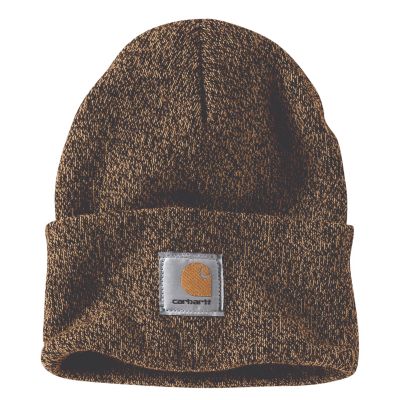
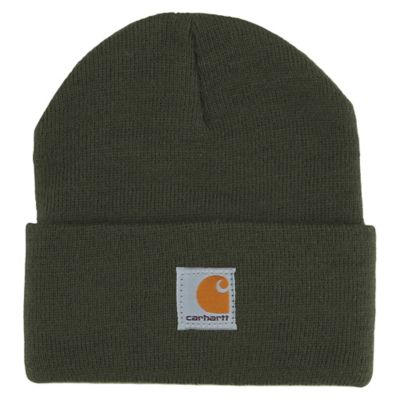
Cold Weather Beanies And Hats can help round out a simple cold-weather setup, giving the wearer options for covering the head, ears, neck, and face as conditions change. When choosing one for someone else, think about the recipient’s routine rather than selecting by appearance alone. A person who works hard outdoors may appreciate a breathable design that can be pulled down during active jobs, while someone standing in a deer blind or watching livestock may want more insulation and full coverage. A shorter commute may call for an easy on-and-off layer, while long hours on a tractor, ATV, or trail may make a longer neck and wind-blocking outer fabric more important. Keep seasonal weather in mind as well: early cold can bring damp mornings and changing temperatures, while deeper winter often calls for more coverage against wind and snow. Face masks are not a substitute for safe winter planning, and exposed skin still needs attention during severe conditions, but the right covering can make outdoor time more comfortable from the first chilly morning through the colder stretch of the season. Look for a secure fit, breathable panels, useful coverage, and fabric that suits the work ahead, then keep the mask close at hand for those days when the cold settles in around every collar and cuff.