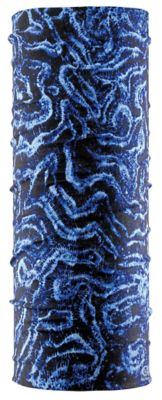
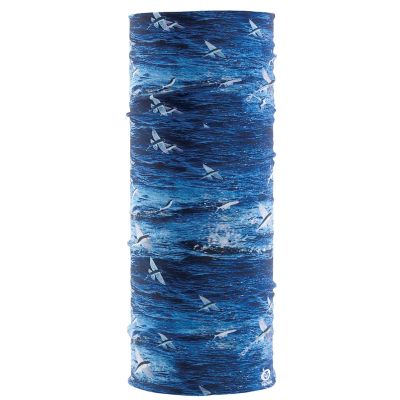
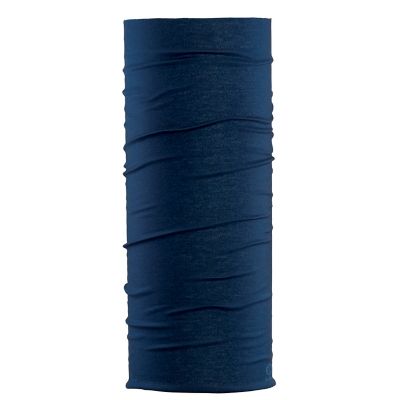
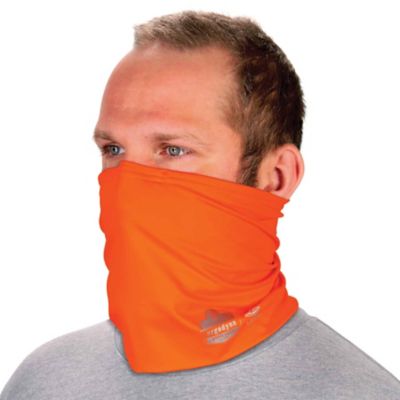
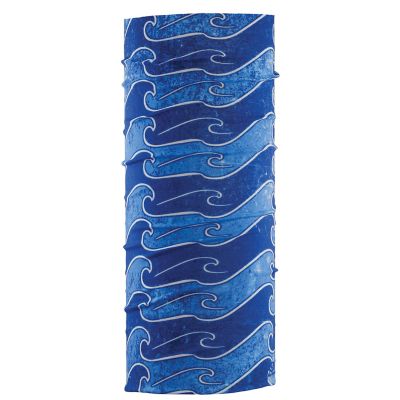
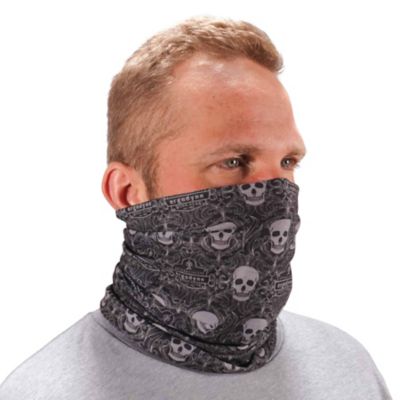
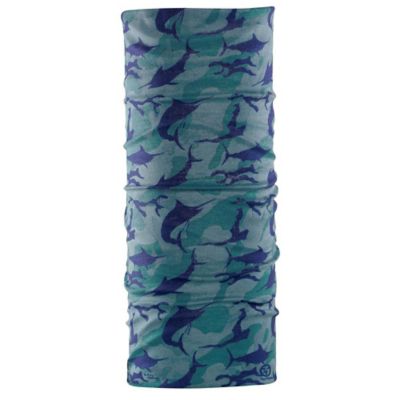
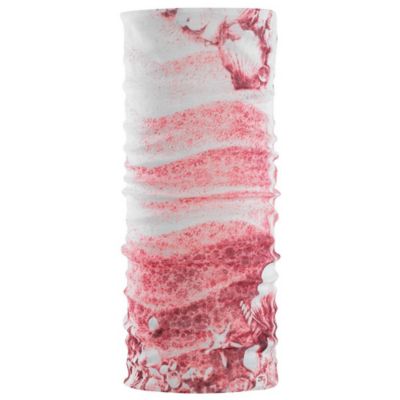
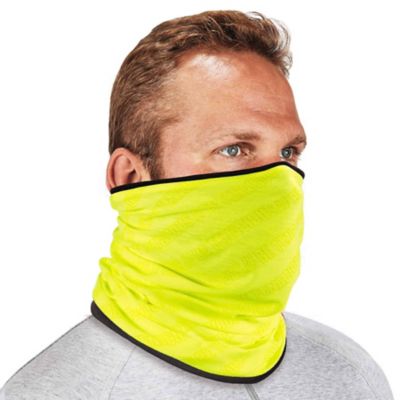
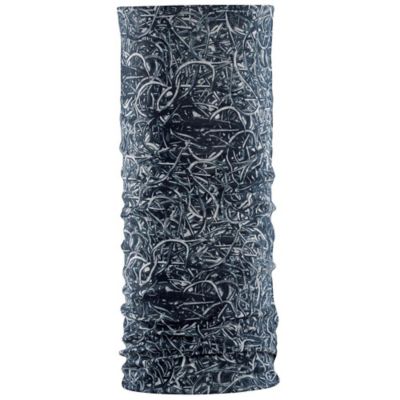
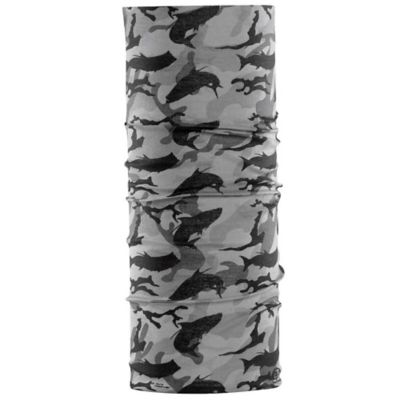
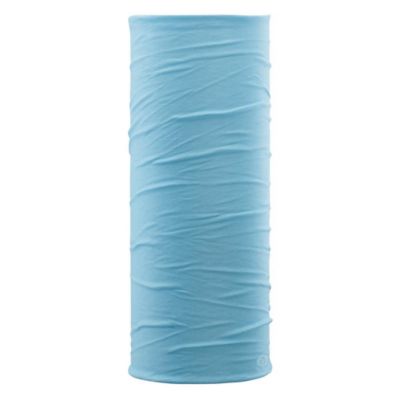
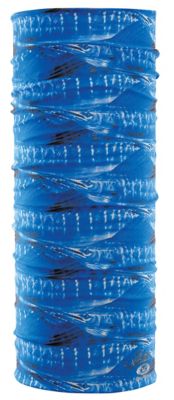
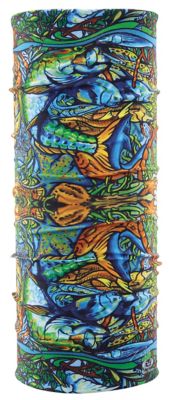
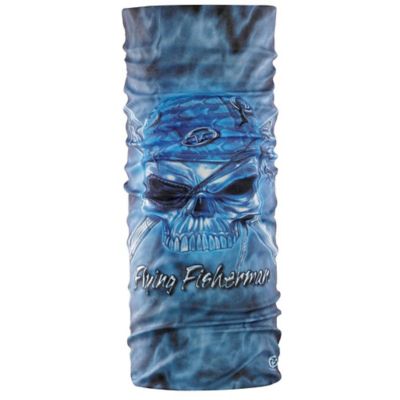
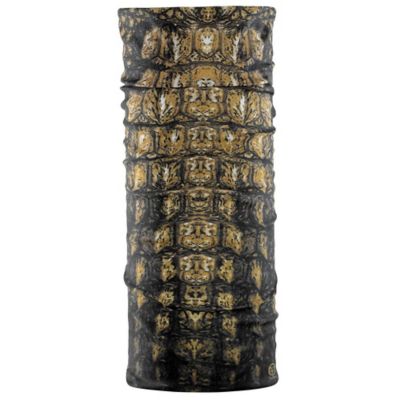
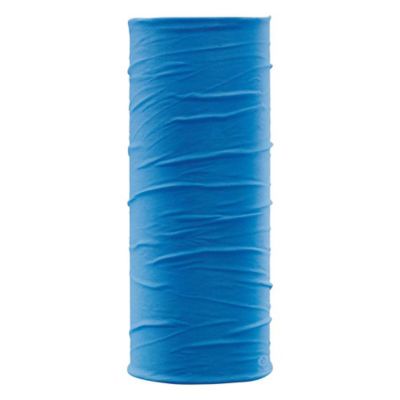
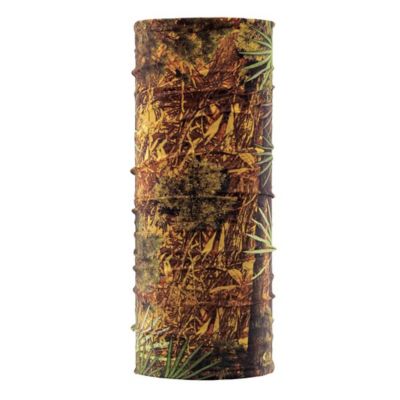
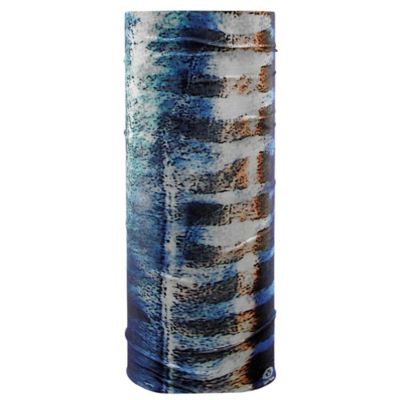
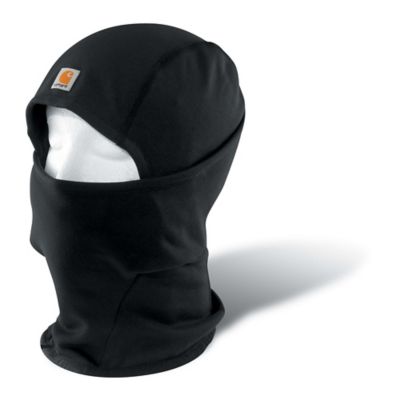
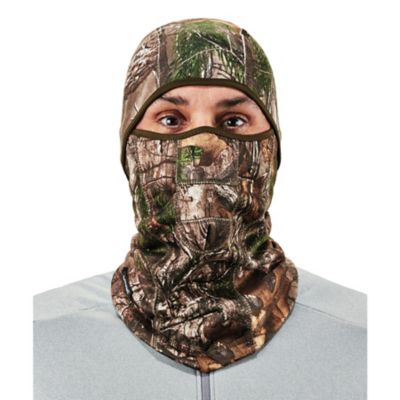
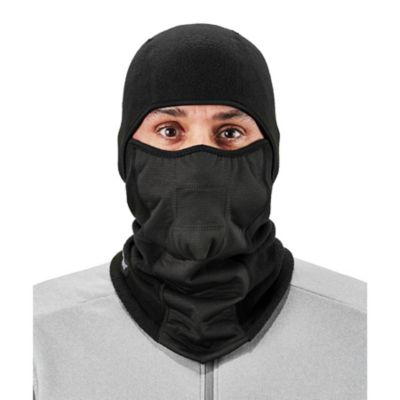
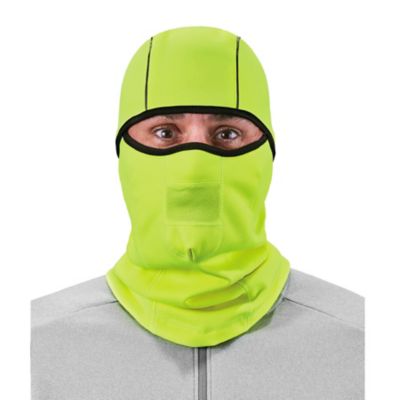
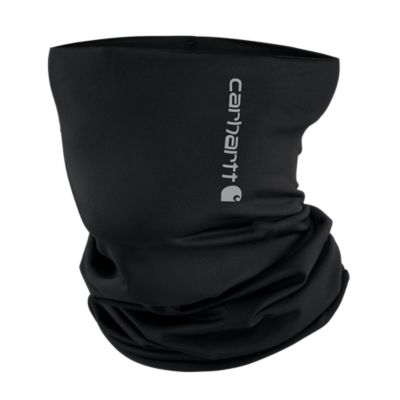
Face masks for sun protection add fabric coverage over parts of the face, ears, and neck that can be hard to keep shaded while working or spending time outdoors. Sun-protective face coverings with a tested UPF 50+ rating block at least 98% of ultraviolet radiation under test conditions. UPF, short for ultraviolet protection factor, describes how much UVA and UVB radiation passes through a fabric; it is not the same measurement as the SPF rating on sunscreen. Not every face covering has a tested UPF rating, and thickness, color, or a dark appearance alone cannot confirm its level of protection. A stated rating and clear coverage details offer a better basis for comparison. Protection also depends on how much skin the mask covers and whether the fabric stays in place without gaps or excessive stretching. For someone checking fence lines, tending a garden, fishing from an open boat, or spending hours on a tractor without an enclosed cab, that coverage can make a practical addition to an outdoor work outfit. Sun exposure still matters on cloudy days, and reflected sunlight from water can reach areas beneath a hat brim. A face mask complements a broad-brimmed hat, sunglasses, and broad-spectrum sunscreen rated SPF 30 or higher on exposed skin rather than replacing those measures. Coverage varies by shape: a neck gaiter may pull up over the nose and cheeks, while a fuller face covering may extend around the ears or beneath a hat. The useful difference is where the fabric sits during real movement, not just how much it covers when standing still. Leaning over a garden bed, looking down to tie a line, and turning to check behind a mower all put that fit to work. A covering that stays comfortably over its intended areas leaves less need for constant adjustment with dusty hands.
Fabric and construction play a big part in how a sun-protective face mask feels through a full stretch outdoors. Polyester and nylon blends often offer a light feel and quicker drying than many heavier fabrics, while a small amount of elastane can help a covering stretch into place. Cotton can feel soft against the skin, although drying time and sun protection depend on the fabric’s construction and any tested rating. Tightly constructed fabrics can limit ultraviolet transmission, but fiber content alone does not establish a UPF level. Breathability, moisture management, and the feel of the inside surface matter when chores involve lifting feed sacks, hauling brush, or walking a pasture. Sweat-wicking fabric moves moisture away from the skin; it does not eliminate perspiration or guarantee that a covering will feel cool. Smooth seams around the nose and cheeks can reduce rubbing, especially beneath glasses, and flat edges may sit more comfortably under a hat or helmet when that combination is appropriate. Fit should feel secure without pressing hard across the nose, squeezing the ears, or restricting head movement. Too much tension can stretch fabric thin, while extra material may bunch beneath a collar or slide down during activity. Glasses add another consideration, since warm exhaled air can travel upward and fog lenses. The shape of the upper edge and its position across the nose can affect that experience. Ear openings, shaped panels, and adjustable sections change how different styles sit, but comfort depends on the wearer’s face shape and preferred coverage. For outdoor exercise,
Face Masks For Running offers a related category to consider alongside sun coverage, fit, and airflow. A covering suited to a steady walk may feel different during a faster run or a steep uphill climb. Being able to breathe comfortably and see clearly matters more than keeping an uncomfortable fit in place, and breaks out of direct sunlight remain part of a sensible outdoor routine.
Care and everyday wear affect how a sun-protective face covering holds up, particularly when it shares a workday with sweat, sunscreen, soil, and frequent washing. Care labels provide the right washing temperature, drying method, and any limits on bleach or fabric softener for the particular fabric. Gentle handling helps protect stretch fibers and seams, while excessive heat can affect some materials. A mask needs time to dry completely between wearings rather than staying damp in a truck console or crumpled inside a gear bag. Regular checks for thinning areas, stretched-out sections, loose stitching, and small holes help reveal when a covering no longer fits or covers as intended. Wetness, wear, and stretching can change ultraviolet protection, so any stated limits or care requirements tied to the UPF rating deserve attention. Keeping a clean spare on hand can be handy after a dusty chore or a long stretch of sweating, without putting a damp covering straight back against the face. Intended use matters just as much as fabric care. A sun-protective face mask is not automatically a respirator, medical mask, or protection against pesticide spray, smoke, or airborne workplace hazards. Tasks involving those exposures call for the protective equipment specified for the job. Loose fabric also needs to stay clear of moving machinery and other snag points. For day-to-day outdoor wear, the most practical choice fits comfortably with the rest of the outfit and covers the areas that tend to remain exposed. Someone who fishes, rides horses, tends livestock, or works around acreage may appreciate a sun covering as a useful gift, especially when the fit and care routine suit their habits. Soft edges, manageable fabric, and straightforward washing can matter more than extra features. From the first gate latch to the last stretch of fence, a well-fitting sun face covering has a simple job: helping keep covered skin shielded while outdoor work and recreation carry on.