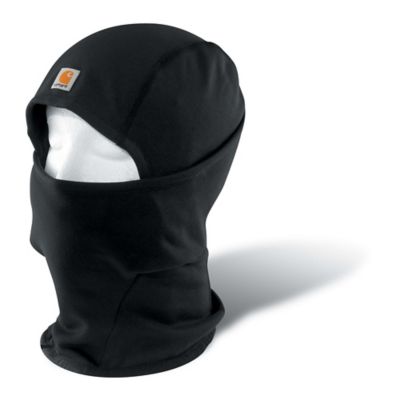
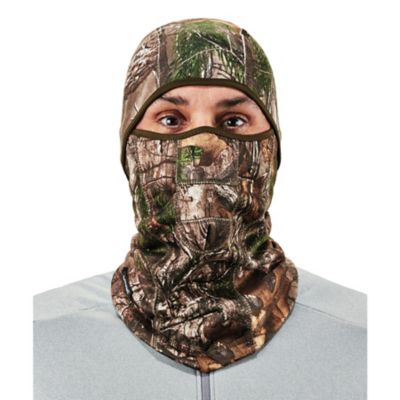
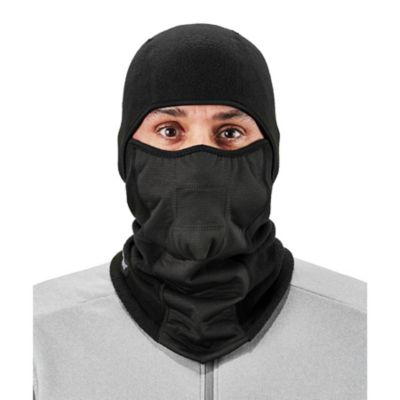
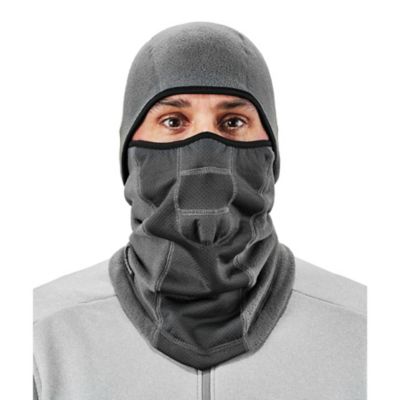
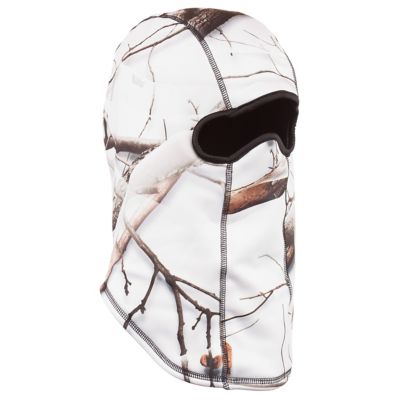
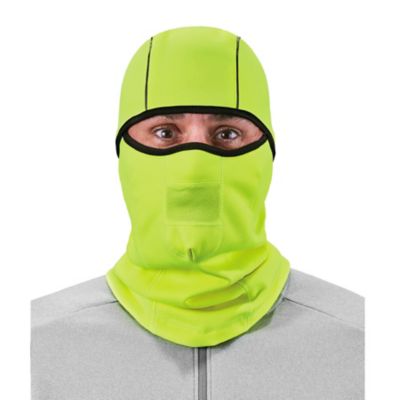
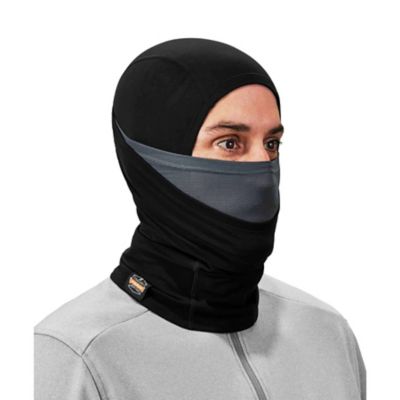
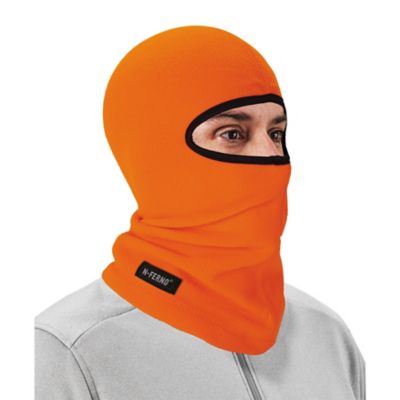
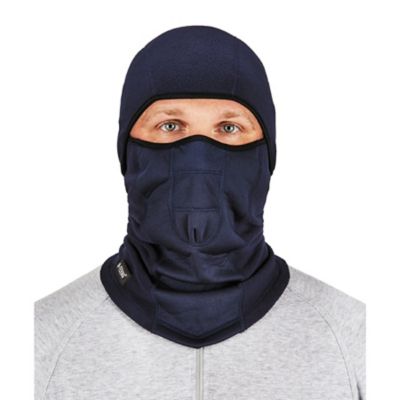
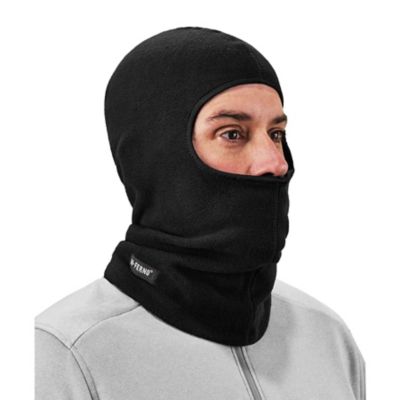
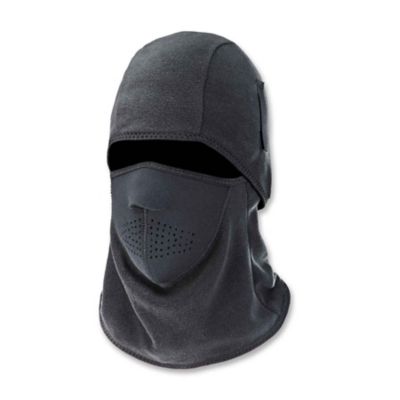
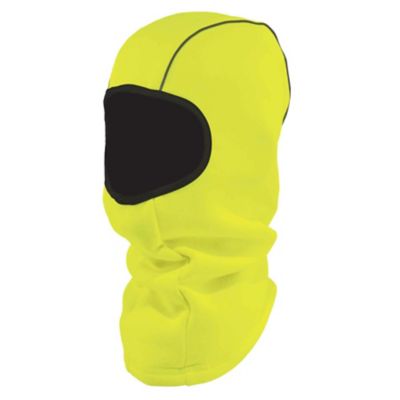
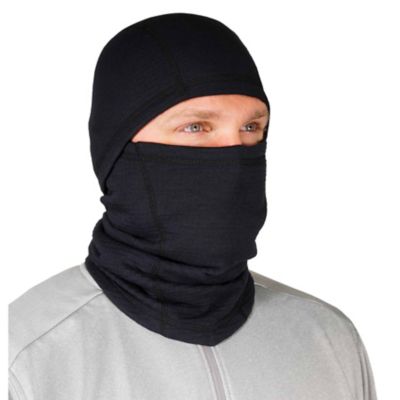
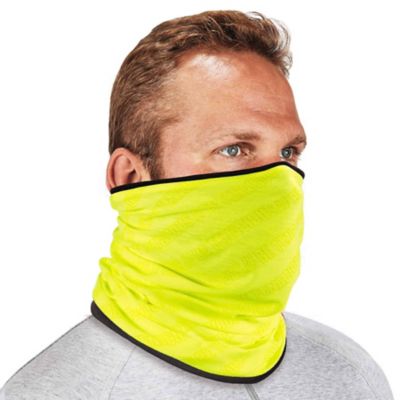
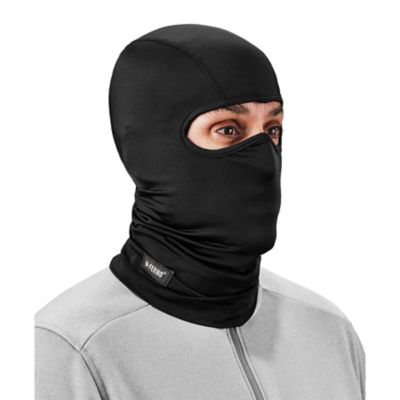
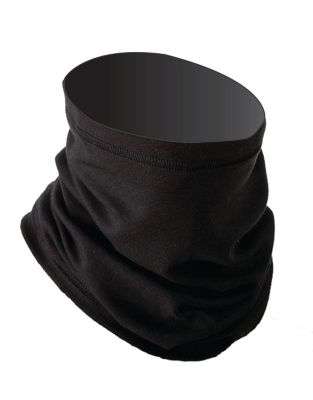
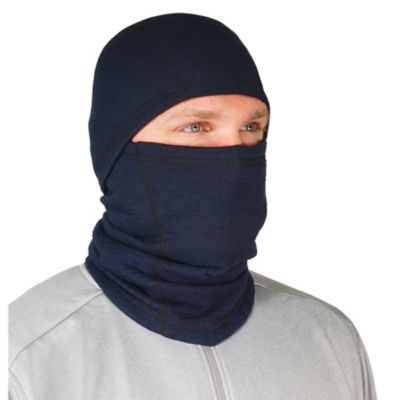
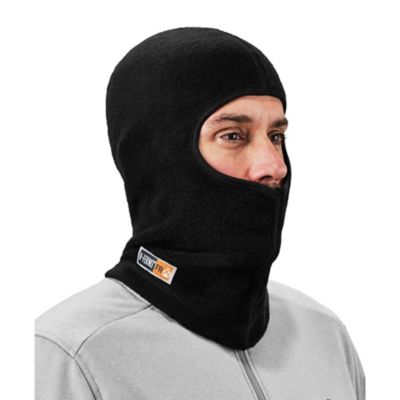
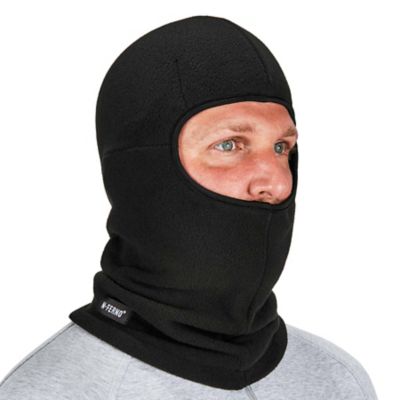
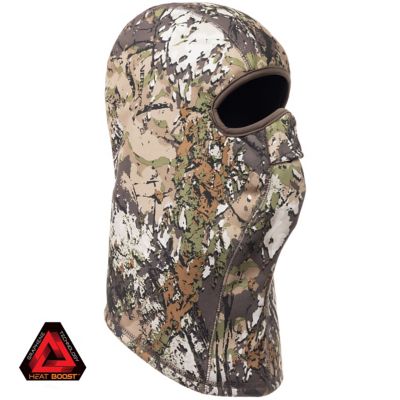
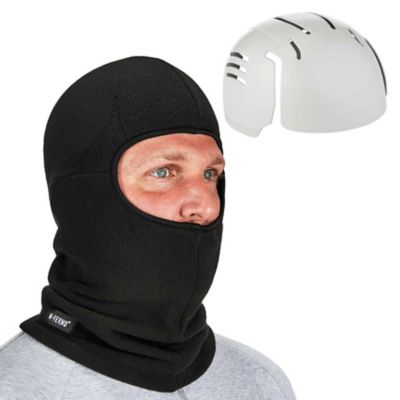
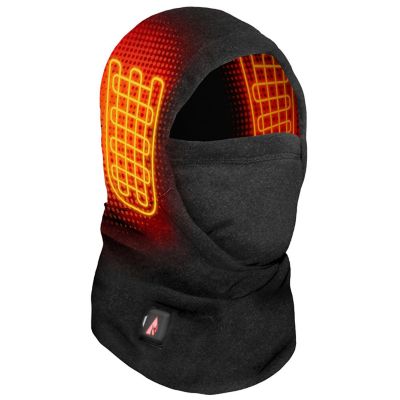
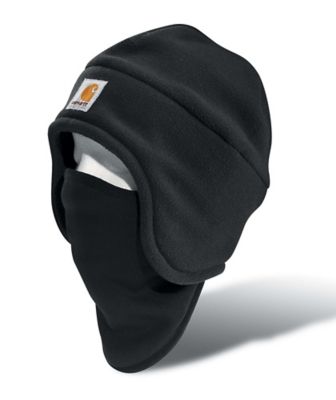
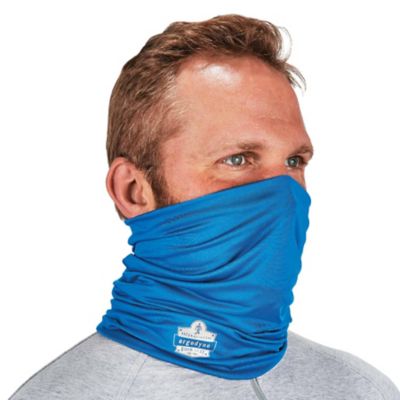
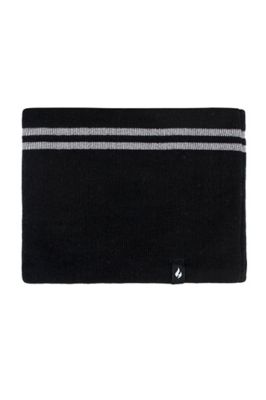
Winter face masks for men help cover exposed skin around the nose, cheeks, chin, and neck when cold air makes outdoor work or recreation uncomfortable. The right style depends on how much warmth the job calls for, how hard you’ll be moving, and whether the mask needs to fit beneath a hat or helmet. Feeding livestock before daylight, checking a fence line, and sitting through a long stretch in a hunting blind put different demands on face coverage. A thicker fleece mask can feel comfortable for slower chores or time spent standing still, while a lighter, moisture-wicking fabric may work better for splitting firewood, clearing snow, or walking across hilly ground. Polyester blends often dry faster than cotton, and added stretch can help a covering move with your face instead of pulling when you turn your head. Merino wool blends offer another option for warmth and moisture management, with fabric weight and knit construction affecting how substantial they feel. Cotton can feel soft against the skin, but it tends to hold perspiration longer, which matters when hard work gives way to a ride back across the property. Wind resistance is a separate consideration from thickness: lofty fleece provides insulation, but some fleece fabrics let a fair amount of air pass through. A tightly woven outer panel or wind-blocking layer can help on an exposed tractor seat or a breezy ridge, though less breathable construction may feel warmer during heavy exertion. Full-coverage balaclavas extend over the head and down the neck, while half masks leave the top of the head uncovered. Neck gaiters offer flexible coverage that can sit at the neck or pull up over the lower face, depending on their shape and length. Those differences make winter face coverings useful for everything from barn chores and hunting to ice fishing, sledding, and winter trail rides.
Fit makes a big difference in how a winter face mask feels after more than a few minutes outdoors. Close coverage around the cheeks and jaw helps limit gaps, but the fabric should not squeeze the nose, pull against the ears, or make breathing difficult. A shaped nose area, stretch panels, and flat seams can improve comfort, especially when a mask sits beneath other gear. Longer neck coverage helps bridge the space above a coat collar when reaching overhead to stack hay or bending down to latch a gate. Too much loose fabric, however, can bunch beneath a jacket or interfere with movement. For men who wear glasses, the path of exhaled breath deserves attention: warm, moist air escaping toward the lenses can contribute to fogging. A contoured upper edge and breathable mouth panel may help manage that airflow, although no fabric design can promise fog-free lenses in every condition. Dampness around the mouth is another practical consideration, particularly when steady effort turns into a period of standing still. Coverage that can be adjusted with gloved hands makes it easier to respond without repeatedly taking everything off. Helmet compatibility matters for snowmobiling and other activities that require head protection. Thin, smooth fabric is generally less likely to bunch beneath a helmet than thick folds, but any layer must preserve the helmet’s proper fit and follow its manufacturer’s guidance. Clear sight lines matter just as much; fabric should stay away from the eyes and should not slide upward while you work. Around rotating equipment, loose ends and dangling adjustments need particular care because of entanglement hazards. For chores that call for protection beyond cold-weather coverage, explore
Face Masks For Work and match protective equipment to the task. An ordinary fabric winter covering is not a substitute for a respirator or other protection required for airborne hazards.
Care and construction help determine how well a face covering holds its shape through repeated wear. Reinforced seams, neatly finished edges, and fabric that springs back after stretching are worth attention when a mask will spend plenty of time pulled on, tugged down, and tucked into a coat. High-contact areas around the nose, mouth, and collar see more friction than the crown of a balaclava, so stitching and panel placement can matter as much as overall thickness. A smooth inner surface can feel better against stubble, while a brushed lining adds softness where the fabric rests against the cheeks. Washing directions vary by fiber and construction, especially when wool, elastic, or water-repellent finishes are involved. Following the care label helps protect the fabric’s stretch and finish; high heat can shrink some materials or weaken elastic components. A damp mask belongs somewhere it can dry fully rather than at the bottom of a coat pocket or inside a closed gear bag. Keeping another clean, dry covering with your outdoor gear can be handy for long days when breath moisture or exertion leaves the first one wet. Small tears, stretched openings, and seams that begin to rub are signs that a covering may no longer fit the way it should. For gifting, men’s winter face masks make practical sense for someone who spends time tending animals, maintaining property, hunting, or enjoying snowy trails. The most helpful match reflects that person’s routine, including whether they favor a brimmed cap, wear glasses, need helmet-compatible layers, or prefer their ears covered without wearing a separate hat. Simple color choices can coordinate with workwear, while outdoor pursuits may call for visibility or concealment appropriate to the activity. A comfortable mask earns its place alongside gloves and boots by providing coverage that suits the work, stays comfortable through movement, and is straightforward to wash and wear again.