Face masks for sports can serve several different purposes, from shielding an injured nose or cheekbone during a game to helping manage sweat, wind, dust, and bright sun during outdoor training. Clear protective face guards are commonly used by athletes returning to contact sports after a broken nose, facial fracture, or other injury. They are often made from tough, shatter-resistant polycarbonate and shaped to sit over the nose, cheeks, and eye area while leaving room to see and breathe. Adjustable straps and padded contact points help keep the guard steady through quick turns, jumps, and ordinary game-day bumps. Basketball, soccer, rugby, hockey, and other high-contact activities may call for this style of protection, but an athlete should always follow a doctor’s or trainer’s advice before returning to play after a facial injury. A properly fitted guard can help an athlete feel more confident, but it is not a substitute for medical care or a guarantee against injury. For the best fit, pay attention to the mask’s sizing range, adjustment points, coverage area, padding, and whether it is designed for the sport being played. A mask that shifts when an athlete runs or limits peripheral vision can become a distraction, especially when the pace picks up and the ball is moving fast. Parents shopping for a young player, coaches putting together team equipment, and family members looking for a thoughtful recovery gift may all find protective sports masks useful when the fit and intended activity line up. A clear guard can be especially helpful for an athlete eager to get back on the field while still taking sensible precautions.
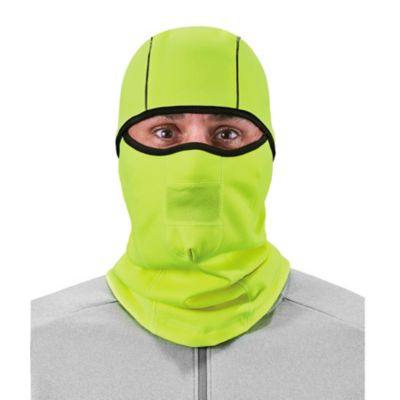
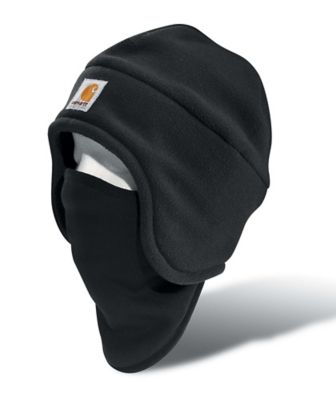
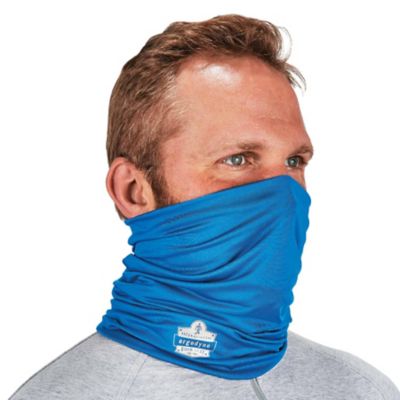
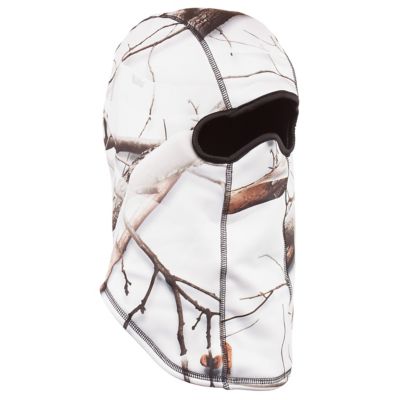
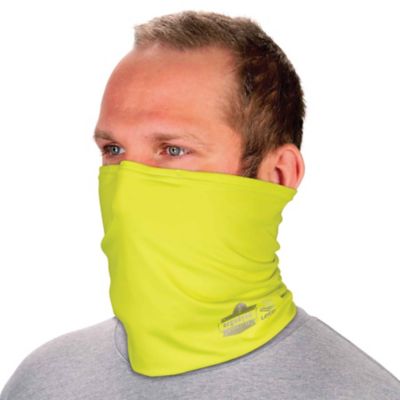
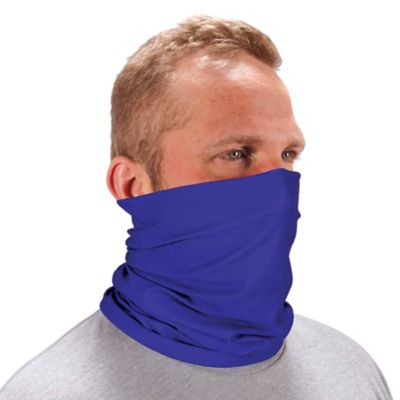
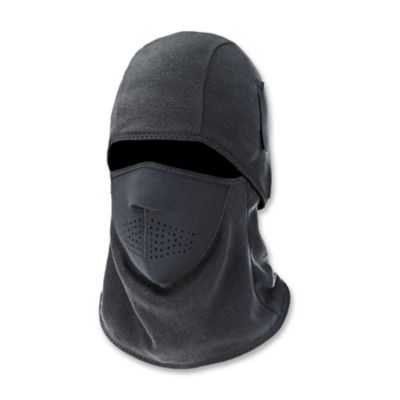
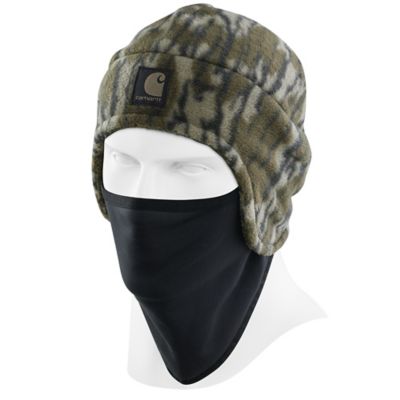
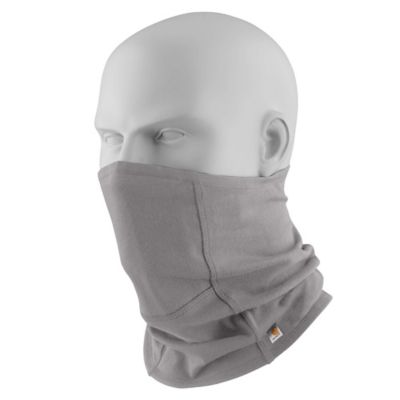
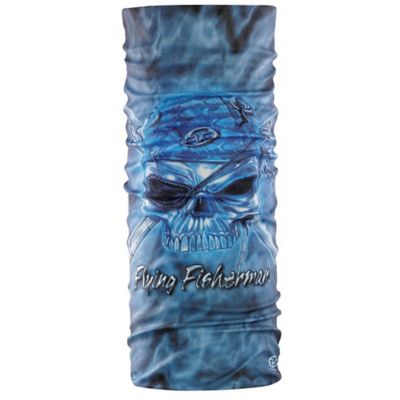
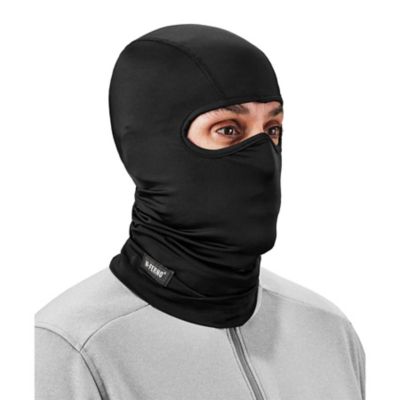
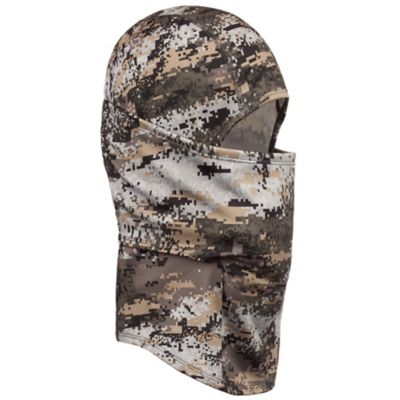
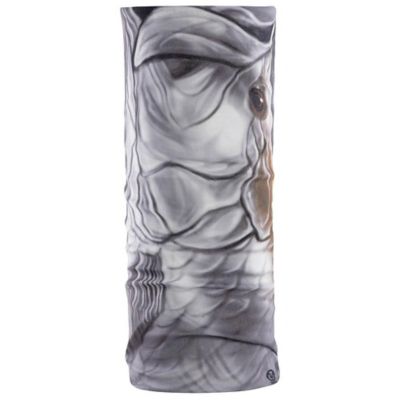
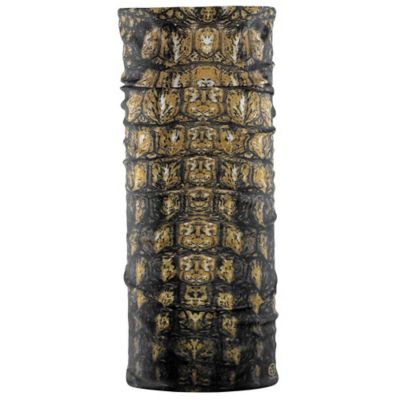
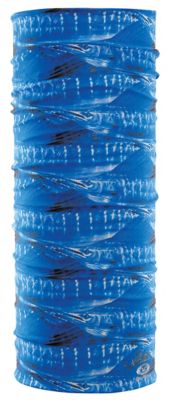
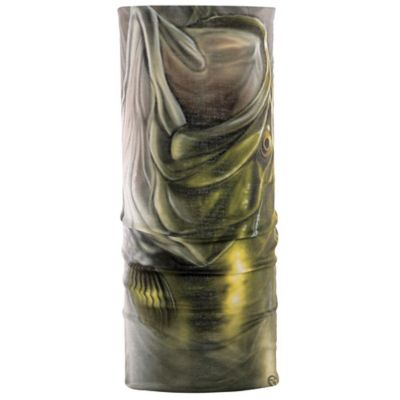
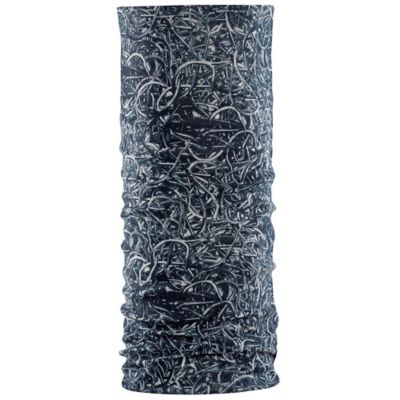
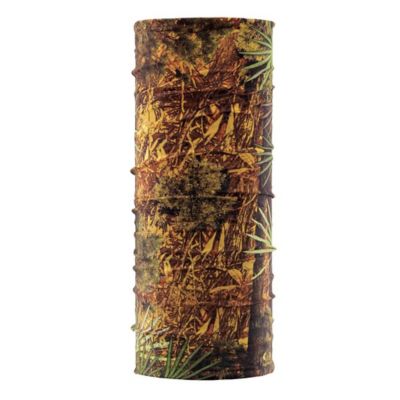
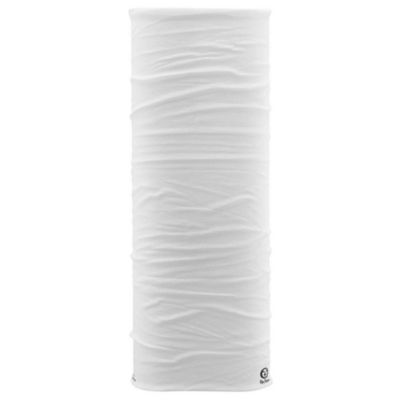
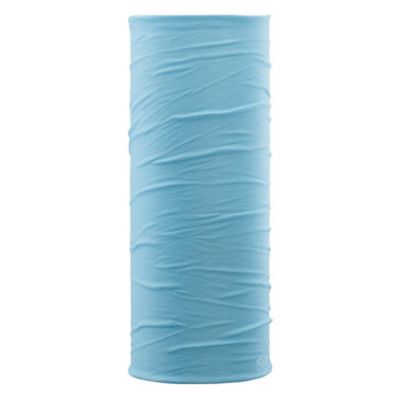
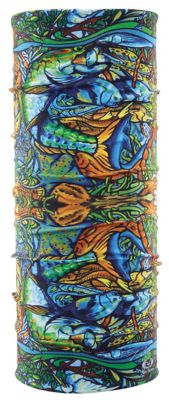
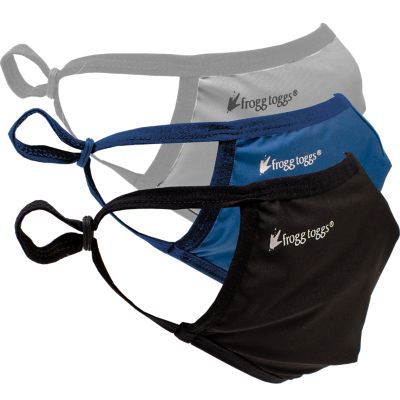
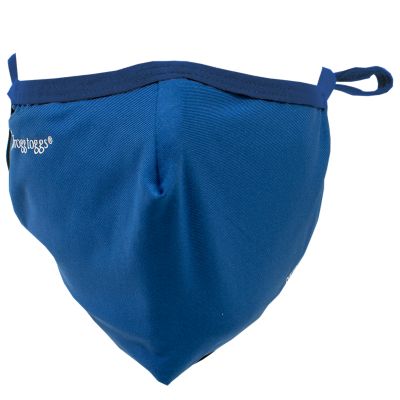
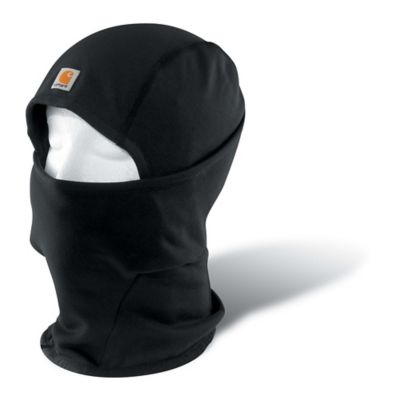
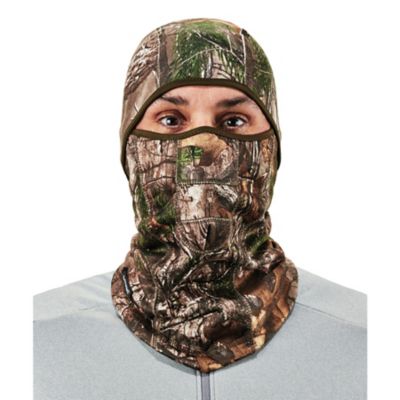
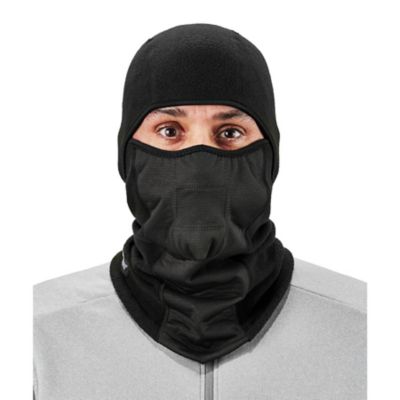
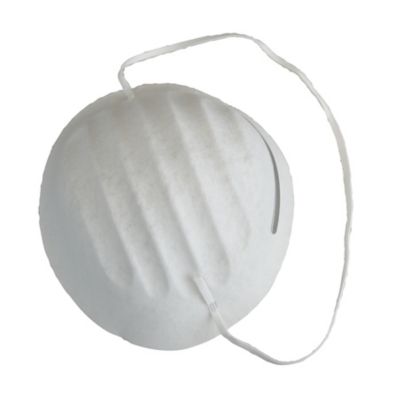
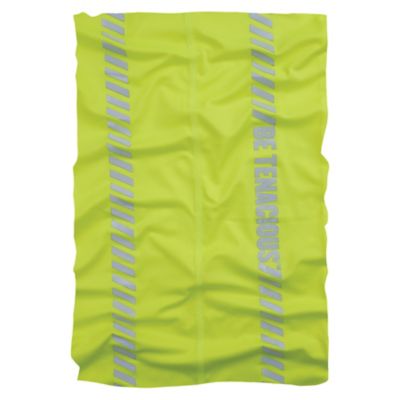
Other face masks for sports are made for comfort and coverage rather than impact protection. Breathable fabric masks, neck gaiters, and lightweight face coverings can help manage sweat, dust, wind, and sun during running, cycling, hiking, farm work, and outdoor conditioning. When the weather warms, a moisture-wicking material can feel more comfortable than heavy fabric, helping move perspiration away from the skin during a long ride or a hard workout. During the cooler months, a soft face covering can take the bite out of chilly air on an early-morning walk, cross-country run, or trip around the property. Look for stretch fabric that stays in place without feeling tight, flat seams that are less likely to rub, and a shape that leaves enough room around the nose and mouth for natural breathing. Mesh panels, ventilation zones, and dual inhalation valves may be helpful for people doing demanding cardio, though any mask with valves or openings should be evaluated for the kind of coverage needed. Some full-face styles extend over the neck and ears to help block wind and sun, while slots or channels around the eyes may help accommodate eyewear and reduce fogging. A gaiter that can be worn around the neck, pulled over the face, or folded as a head covering offers handy flexibility when conditions change from a cool, shaded trail to a dusty open road. For dusty work areas or jobs that call for a certified respirator, choose equipment made for that specific hazard instead of relying on a sports face covering. You can compare purpose-built options in
Full Face Respirators. Sports masks are generally intended for comfort, airflow, and everyday outdoor coverage, not for filtering hazardous fumes, fine particles, chemicals, or infectious materials unless the product is specifically labeled and rated for that use.
Choosing the right face mask starts with matching the design to the activity and the conditions. For a contact athlete recovering from a facial injury, coverage, stability, impact-resistant construction, and clear sightlines matter most. For a cyclist or runner, low weight, ventilation, sweat management, and a secure fit may be more important than full facial coverage. Someone riding a four-wheeler down a gravel lane may appreciate a fabric covering that helps cut down on dust, while a hunter, coach, or outdoor worker may prefer a sun- and wind-blocking design that stays comfortable for hours. Consider whether the mask can be washed easily, how quickly it dries, and whether replacement pads, filters, or other care parts are needed. Check the manufacturer’s sizing information instead of assuming one size will fit every face, and try the mask with the eyewear, helmet, hat, or other gear that will be worn alongside it. A good fit should feel snug enough to stay put but not so tight that it causes pressure around the ears, nose, or jaw. It should also allow clear vision and comfortable breathing during normal movement. Keep a spare fabric mask in a gym bag, truck console, or tack-room cabinet so a clean covering is close at hand after a muddy practice or dusty afternoon outside. Cleaning instructions vary, so follow the care label and inspect protective guards, straps, padding, and seams for wear before each season of use. Whether it is packed for a child heading to soccer practice, tucked into a cyclist’s saddlebag, or given to an outdoor enthusiast who spends long days in changing weather, a well-chosen sports face mask is a practical piece of gear that can make active time more comfortable and help an athlete stay focused on the work, the workout, or the game.