Mower replacement parts cover the components that keep cutting decks, engines, drive systems, and running gear working together. Belts, blades, filters, spark plugs, bearings, and mounting hardware each have a different job, and the right match starts with the mower’s model and serial number. Those details matter more than a familiar shape or a measurement taken across an old part. Machines that look alike can have different deck assemblies, drive layouts, or replacement requirements, even within the same equipment family. The engine may also carry its own model and specification numbers, which help narrow down engine-related components. A parts diagram connects each component to its location in the assembly, while the corresponding parts list identifies the reference number and any applicable serial-number range. That information is especially helpful when a mower has been in service for years or its maintenance history is incomplete. Original equipment manufacturer, or OEM, parts are supplied under the equipment manufacturer’s name; aftermarket parts come from other suppliers. Either designation still calls for checking the stated application rather than assuming every component fits every machine. Deck width, engine configuration, and equipment revisions can all affect compatibility. A replacement belt, for example, needs the specified profile and length, not just enough reach to slip around the pulleys. A blade needs the correct mounting arrangement as well as the right length. For a landowner mowing around the house and outbuildings, or a grounds crew keeping a large property tidy, these details help turn a broad parts category into a practical match. Clear application information also makes it easier to keep maintenance records straight when several mowers share space in the same shed. Recording the installed part number alongside the machine’s identifying information gives the next repair a firmer starting point than relying on memory or matching a worn component by sight.
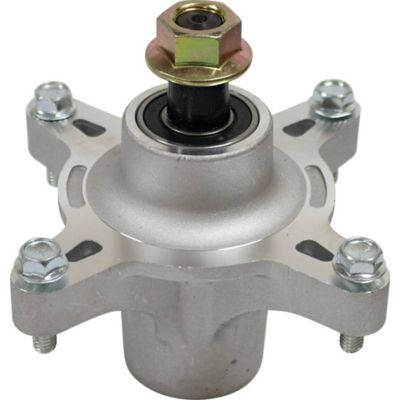
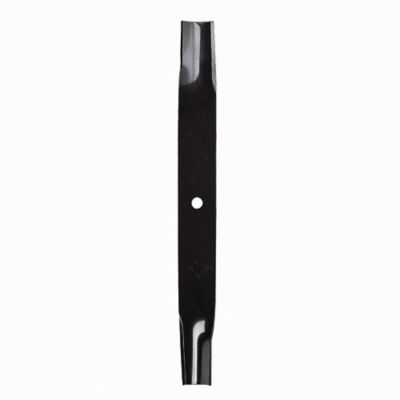
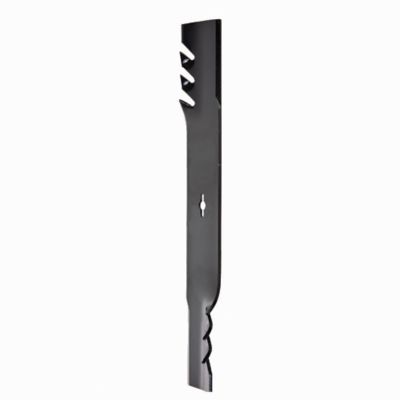
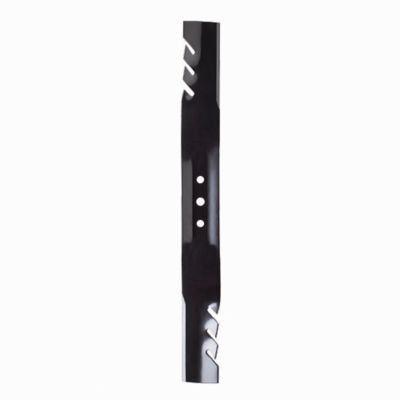
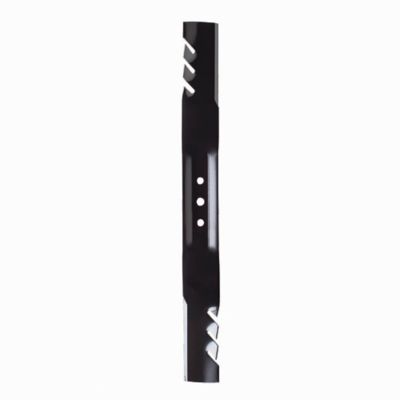
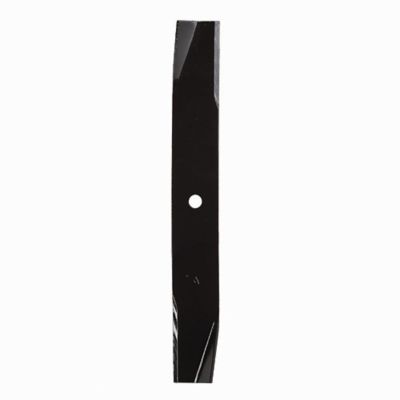
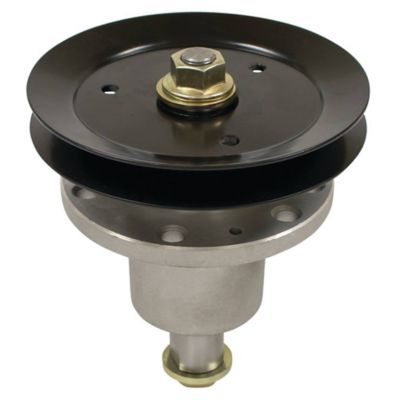
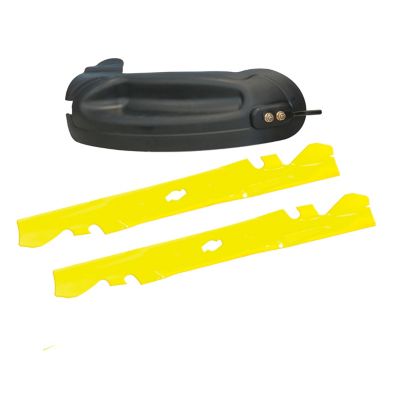
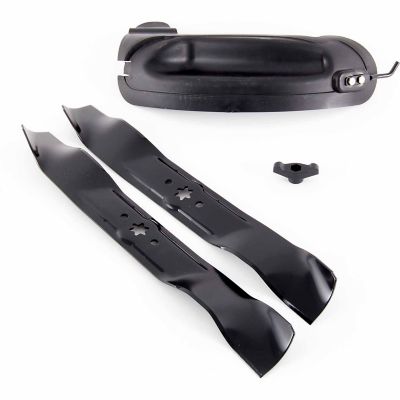
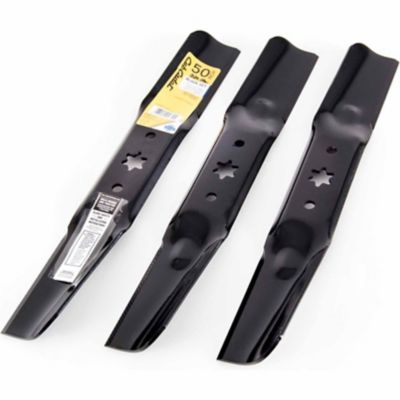
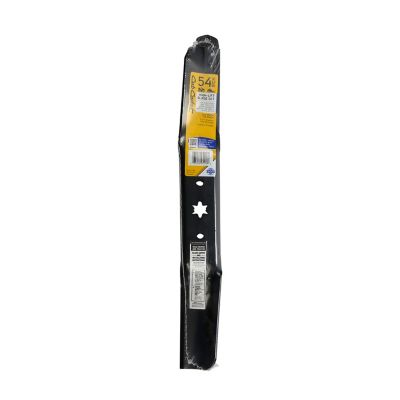
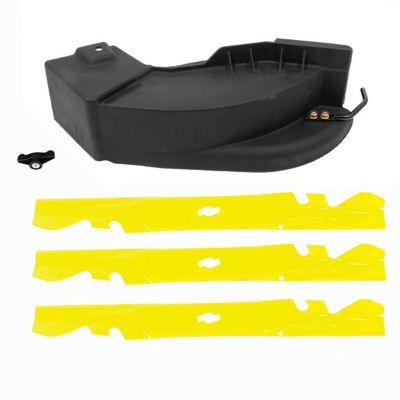
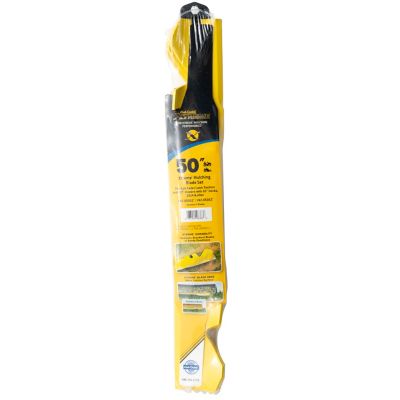
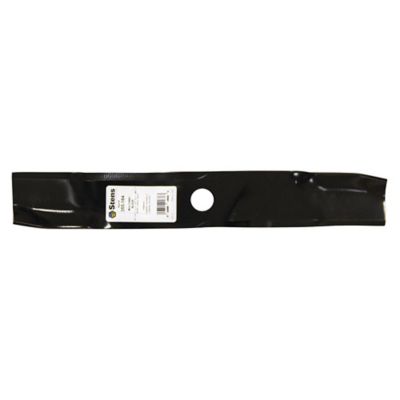
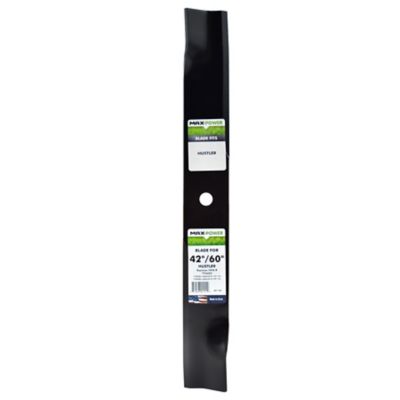
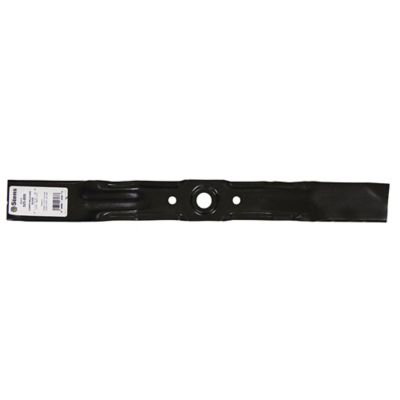
Cutting-deck components handle constant movement, contact with grass, and exposure to dirt and clippings, so materials and construction deserve a close look. Mower blades commonly feature steel construction, but their shape, thickness, cutting edge, and lift profile influence how they work with the deck. Blades intended for discharge, collection, or mulching are not automatically interchangeable; the deck design and any required attachments determine the suitable setup. Correct balance and proper installation also matter, since an uneven or damaged blade can contribute to vibration rather than simply leaving a rough-looking strip of grass. Belts rely on their specified cross-section and internal reinforcement to transfer power through a particular pulley arrangement. Cracking, fraying, or glazing can signal wear, but repeated belt trouble may also involve pulley alignment, tensioning components, or a bearing that no longer turns freely. Spindle assemblies support the blades beneath the deck, while bearings and seals help moving components turn smoothly and limit contamination. Some assemblies have lubrication points, and others are sealed, so care requirements vary. Mounting bolts, washers, spacers, and related hardware are part of that fit as well; matching the thread alone does not establish the correct strength, length, or fastening arrangement. Engine maintenance components have their own requirements. Air filters need the proper dimensions and sealing surfaces to help keep dirt out of the intake, and fuel filters must match the engine’s specified application. On gasoline engines, spark plugs require the correct thread reach, heat range, and gap specification. Engine oil and hydraulic fluid should meet the requirements listed for their respective systems rather than being selected by appearance or viscosity alone. Across these categories, service life depends on the whole assembly, not just the replacement component. A fresh part cannot make up for a bent bracket, damaged shaft, blocked passage, or another unresolved problem nearby.
For folks caring for acreage, rental properties, community grounds, or a regular mowing route, replacement parts support both routine upkeep and repairs that bring a machine back into working order. A mower trimming the lawn beside a barn may have different operating hours than one moving from property to property, but both benefit from maintenance based on the manufacturer’s schedule and actual operating conditions. Hour-meter records, service dates, and notes about recurring vibration or uneven cutting can help separate ordinary wear from a problem that needs further attention. Cleaning away packed clippings as directed in the manual makes deck components easier to inspect, while proper lubrication helps serviceable joints and bearings do their work. Inspection and maintenance belong with the engine shut down and the machine secured according to its manual, especially anywhere near blades, belts, or moving linkages. Replacement components also need sensible handling before installation: cutting edges should be protected, filters kept clean and dry, and belts kept away from oil, direct sunlight, and sharp bends during storage. Packaging and part labels are worth keeping until compatibility is confirmed, particularly when several similar components are involved. Owners comparing parts across mower styles can also browse
Zero Turn Lawn Mower Parts while checking each listing against their machine’s specifications. Tire and caster-wheel components call for the same attention to size, mounting dimensions, load requirements, and clearance as engine or deck parts. For anyone maintaining equipment on behalf of a family member or property owner, having the machine details in hand is far more helpful than guessing from a photograph. The best-fitting replacement is the one specified for the job, installed with the correct hardware and settings, and cared for as part of the complete machine. That approach keeps the focus where it belongs: steady operation, an even cut, and equipment ready for the next stretch of lawn.