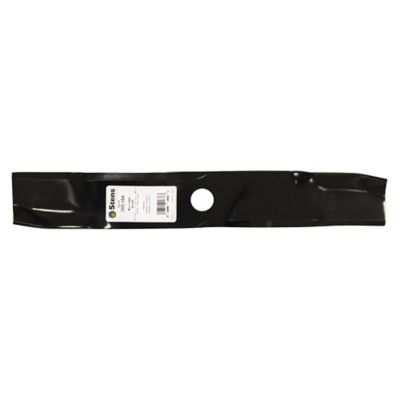
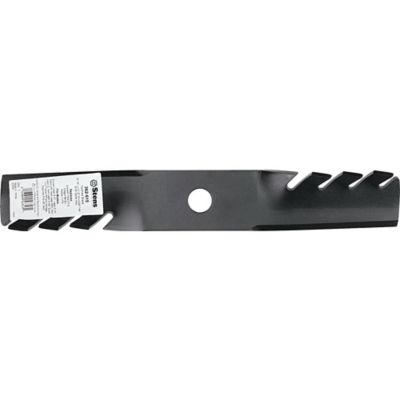
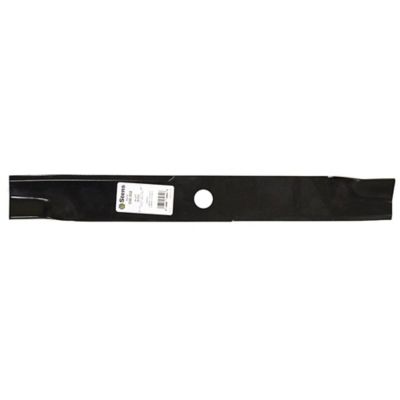
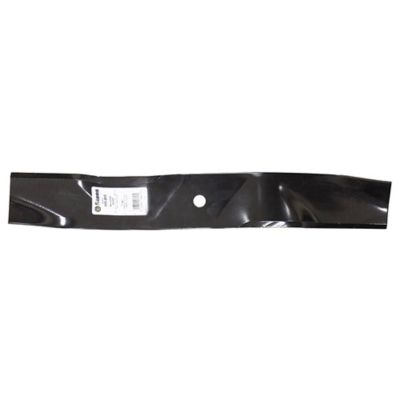
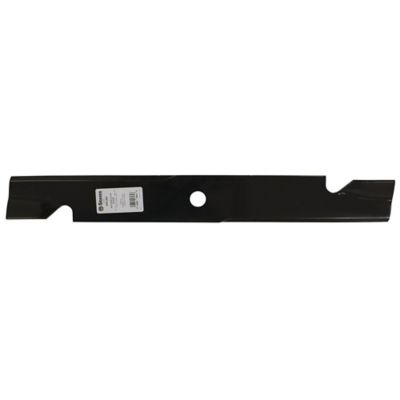
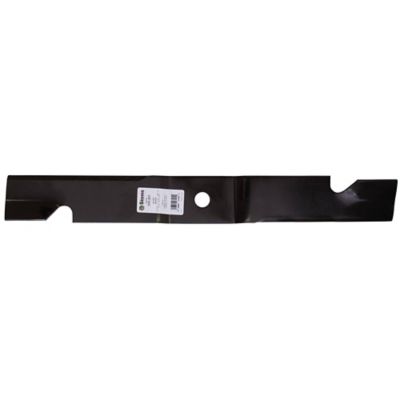
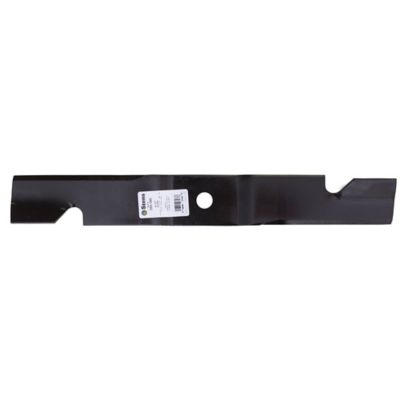
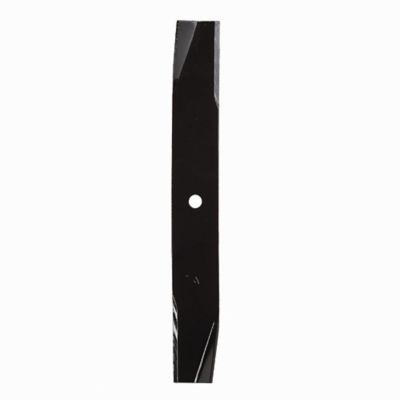
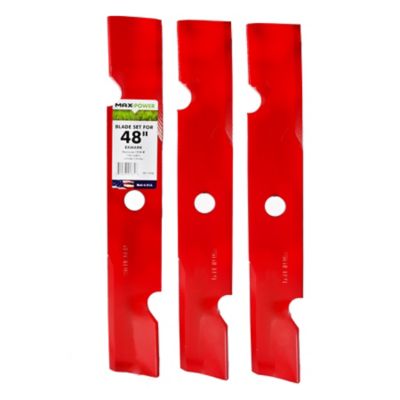
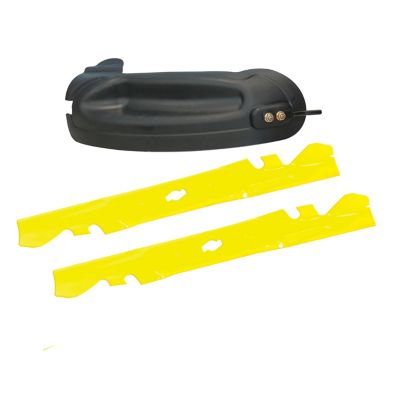
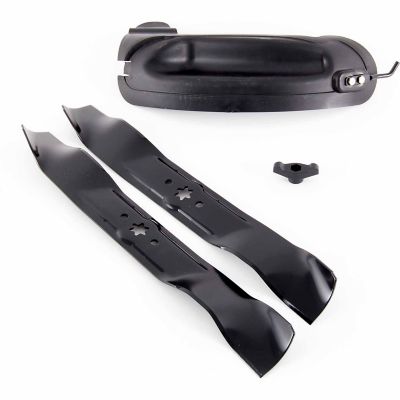
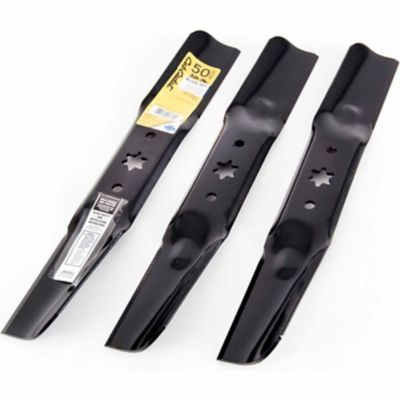
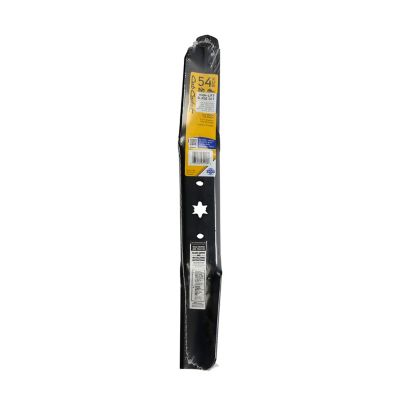
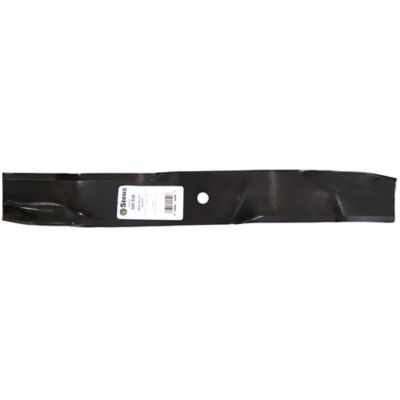
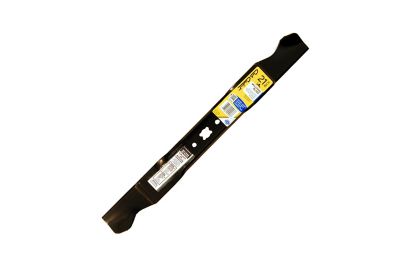
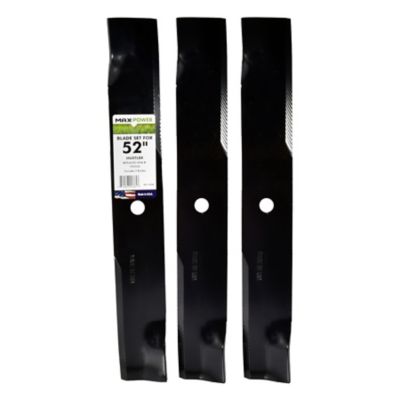
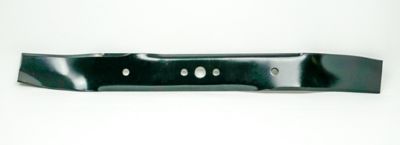
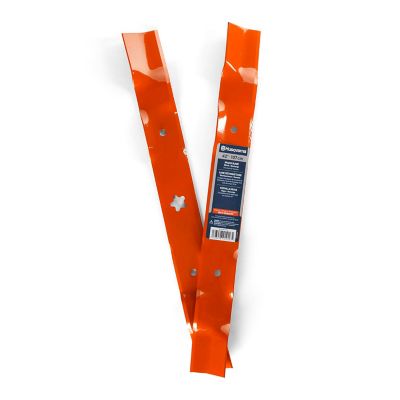
Replacement mower blades are a small part of a zero-turn mower, but they have a big effect on the way a lawn looks and how hard the machine has to work. A sharp, properly matched blade helps the deck cut cleanly through grass instead of tearing the blades, leaving behind ragged tips that can turn brown during hot, dry stretches. The right choice depends on more than appearance, though. Start with the mower’s exact deck size, model information, serial number and production date, then compare those details with the manufacturer’s parts information before placing an order. Even blades that look nearly identical may differ in length, center-hole pattern, thickness, lift angle or overall shape. Deck sizes commonly vary from around 50 to 72 inches, and a blade made for one deck may not fit another safely. Checking the old blade and measuring it can help, but the mower’s identification information should be the final word. This extra step is especially important when replacing blades for a commercial zero-turn mower, a machine that covers several acres, or equipment used by more than one person. A correct fit keeps the blade properly seated and balanced, helps protect the spindle and deck, and supports an even cut from one side of the mowing path to the other.
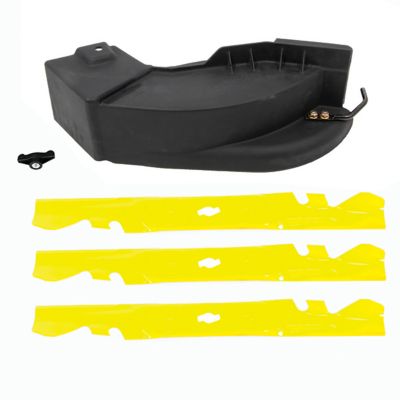
Blade style also deserves attention because mowing conditions change across a property and through the seasons. High-lift blades create stronger airflow inside the deck, lifting grass before it is cut and helping move clippings through a side-discharge chute. They can be a good match for regular mowing on established turf where a clean discharge pattern matters. Low-lift blades create less airflow, which can be helpful in sandy soil, loose ground or dry conditions where a high-lift design may throw too much dust or leave visible blowout around the deck. Mulching or extreme-style blades are shaped to keep clippings circulating longer, giving the blade more opportunity to recut them into smaller pieces that can settle back into the lawn. That approach works well for many homeowners who prefer clippings returned to the turf, though tall, wet or heavily overgrown grass may require slower passes or a different cutting setup. Grass type, mowing height, moisture, terrain and the way clippings are handled all play a role. A homeowner maintaining a large rural lot may favor a dependable general-purpose setup, while a grounds crew or small landscaping business may keep more than one style on hand for changing conditions. Replacement blades also make a practical gift for someone who takes pride in a pasture-edge lawn, manages rental properties, or spends weekends keeping a family place neat. Pairing blades with other routine maintenance supplies can help a mower owner stay prepared without waiting for a worn edge to affect the finish.
Before installation, park the mower on a firm, level surface, remove the key, disconnect the spark plug wires or battery as recommended by the equipment maker, and block the machine so it cannot roll or drop unexpectedly. Wear sturdy gloves when handling old or new blades, since even a dull-looking edge can cause a deep cut. Inspect the blade for bends, cracks, deep nicks and thinning metal, and replace damaged parts rather than trying to grind them back into shape. When sharpening a reusable blade, remove only enough material to restore a consistent cutting edge and keep both ends balanced; an uneven blade can create vibration that is felt through the seat and steering controls. Tighten the blade fastener to the equipment maker’s specification, then check that the blade turns freely with the deck safely supported before returning the mower to service. Many operators inspect blades whenever the cut begins to look uneven or whenever the mower has struck a rock, root or hidden piece of debris. During the warmer part of the mowing season, frequent cutting and dry ground can wear an edge quickly, while cooler weather may bring damp leaves, thick growth and heavier deck buildup. Clearing packed clippings from beneath the deck and storing spare blades in a dry place helps extend service life. For shoppers comparing compatible replacement options for other zero-turn equipment,
Hustler Mower Blades offer another place to review fitment details. A little attention to blade type, deck measurements and safe maintenance can help a hardworking mower leave a cleaner stripe, use its power more efficiently and stay ready for the next stretch of grass.