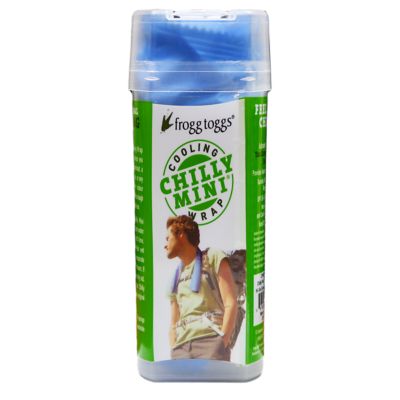
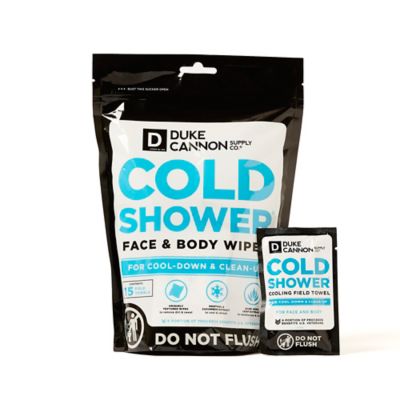
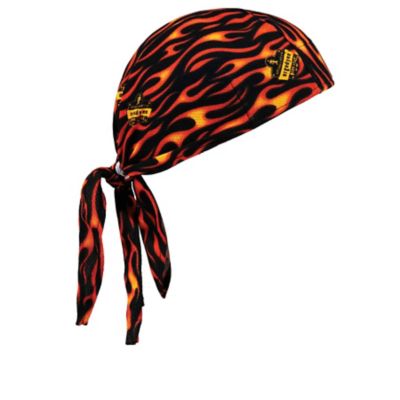
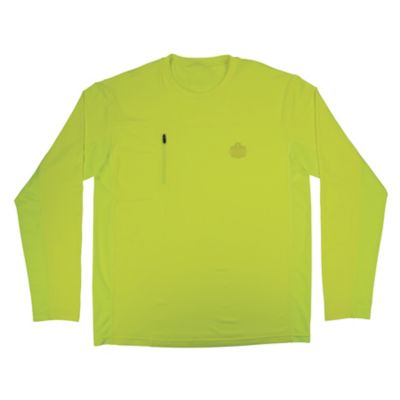
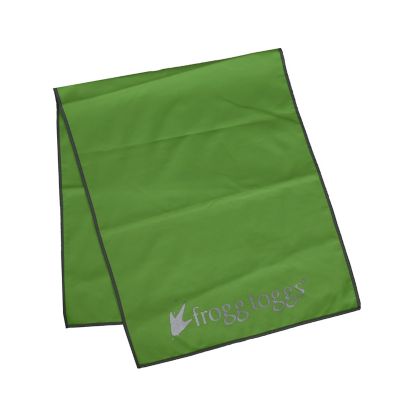
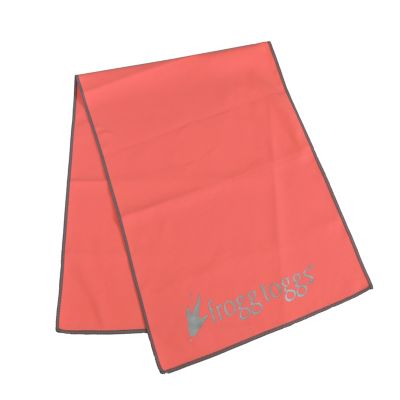
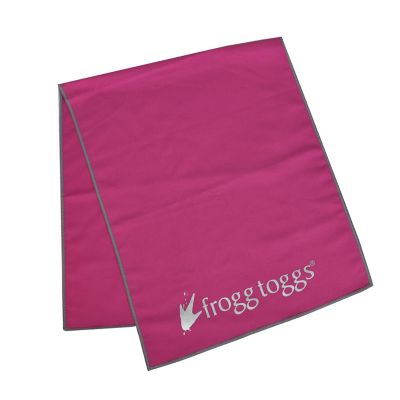
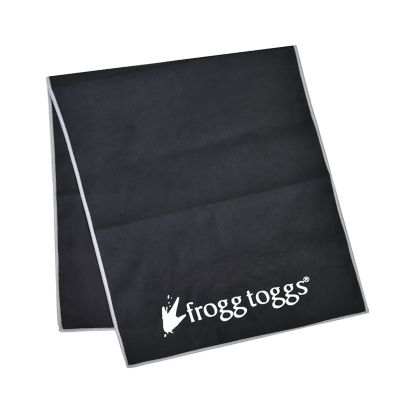
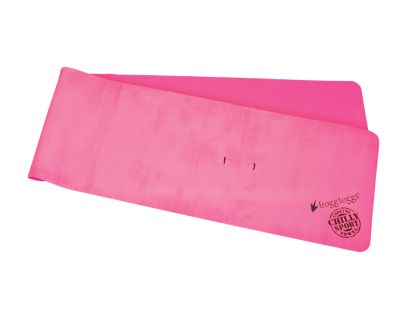
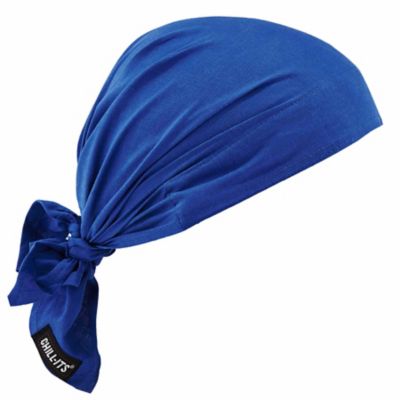
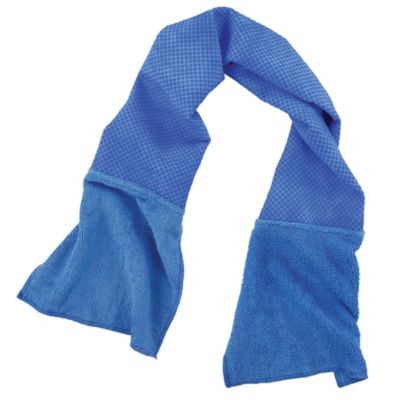
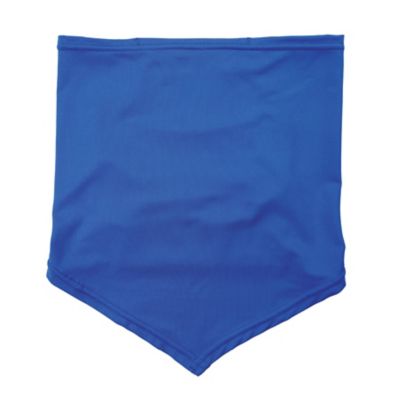
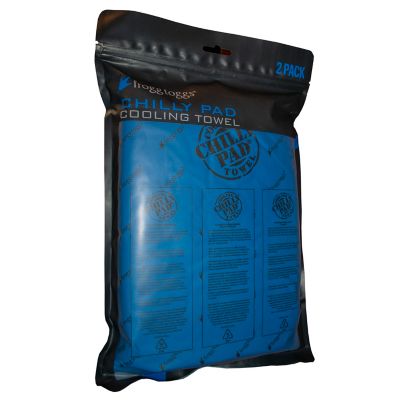
Cooling towels for construction workers offer a simple way to add cooling comfort when the workday involves hauling lumber, setting forms, hanging siding, or moving between a sunny yard and a partly enclosed building. Most work by evaporation: water held in the fabric draws heat from the towel and the skin it touches as it evaporates. That makes these towels different from an ordinary dry sweat rag, though their performance still depends on airflow, humidity, and how much moisture remains in the material. A breeze across a damp towel can feel welcome during a break beside the truck, while still, humid air generally slows the cooling process. There is no single cooling time that fits every towel or jobsite; fabric construction, weather, and wearing conditions all matter. Many styles become ready to wear after wetting with clean water and wringing out the excess, with another wetting needed as they dry. The towel’s directions determine whether soaking, shaking, or another step is part of getting it ready. For shoppers comparing this type of cooling gear,
Evaporative Cooling Towels share the same basic water-and-air approach without requiring a freezer or an electrical connection during wear. That simplicity suits crews working beyond easy reach of an air-conditioned cab, from fence installers along a property line to concrete workers on an exposed slab. Cooling towels can also make sense during the cooler months when a sunny afternoon, heavy layers, or strenuous work still leaves a person feeling warm. They are comfort accessories, not a substitute for drinking water, taking scheduled breaks, finding shade, or following a jobsite heat-safety plan. Feeling cooler at the neck does not necessarily mean the body has cooled enough to continue working safely. For everyday use, the practical appeal is straightforward: a lightweight piece of fabric can travel in a work bag and provide a refreshing touch when clean water and suitable conditions are at hand.
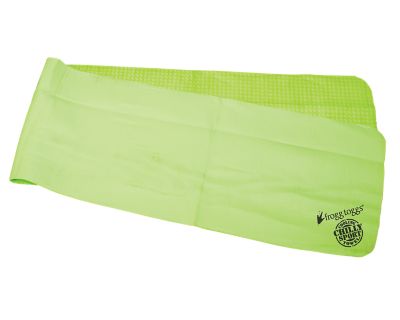
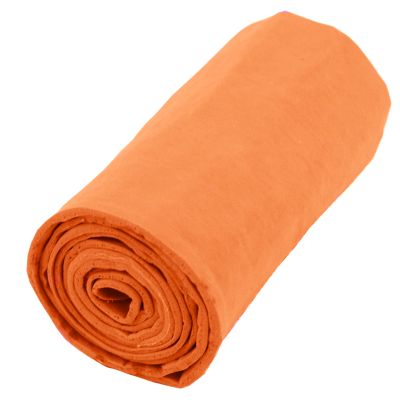
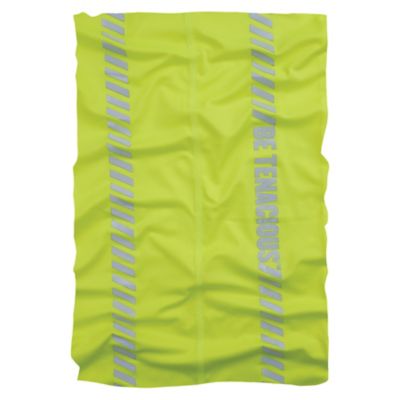
Material makes a noticeable difference in how a cooling towel feels from the first wetting to the end of a shift. Polyvinyl alcohol, commonly called PVA, is an absorbent, sponge-like material that holds water and often feels smooth when damp. Many PVA towels become firm as they dry, then soften again after rewetting; that change in texture is a material characteristic rather than an automatic sign of damage. Microfiber styles, often made with polyester or blends, generally have a more cloth-like feel and may stay flexible when dry. Some feature a knit or mesh structure that affects their weight, stretch, and feel against the skin. Neither material guarantees a fixed temperature or a set number of hours of cooling. Water retention can help a towel stay damp longer, but a heavily saturated towel may also feel heavier or drip onto a shirt collar. Size matters just as much as fabric. A longer towel offers more coverage around the back of the neck and shoulders, while a shorter one leaves less loose material to manage near a tool belt or vest. Width, edge stitching, and softness deserve attention when the towel will rest against sweaty skin through repeated movement. Someone bending to check a footing or reaching overhead to fasten sheathing needs cooling gear that stays out of the task, rather than bunching beneath a collar. Loose ends must stay clear of saws, drills, rotating equipment, and other snag hazards, and some tasks may call for removing the towel altogether. Placement beneath a hard hat is only appropriate when the hard-hat manufacturer and site rules allow it without changing suspension clearance or fit. Bright lime or orange fabric can be easy to spot in a crowded work bag, but color alone does not make a towel certified high-visibility equipment. Likewise, sun protection should only be expected when a towel carries a stated UPF rating, and only for the skin it actually covers. Required protective clothing and equipment still come first.
A towel that suits construction work needs to stand up to repeated wetting, wringing, washing, and packing, not just feel pleasant for the first few minutes. Neatly finished edges, sound stitching where present, and fabric that tolerates the care routine listed on its label are useful considerations for day-after-day service. Fine grit, sawdust, concrete dust, and sweat can collect in damp material, making regular cleaning especially important for anything worn against the neck or face. Care requirements vary: some cloth styles allow machine washing, while other materials call for hand washing or particular drying conditions. Bleach, fabric softener, and high dryer heat may be unsuitable, so the label matters more than a one-size-fits-all laundry routine. Storage directions also differ, particularly for PVA. A supplied container does not mean a dirty, damp towel should sit sealed in a truck between shifts; cleaning and storing it as directed helps keep it ready for the next wear. Access to clean water is another everyday consideration. A towel cannot keep evaporating water it no longer holds, and a dusty jobsite is no place to rewet neckwear from a puddle or a bucket containing work residue. Workers who move between several sites may appreciate a towel that packs down easily alongside spare gloves and a clean shirt, while those stationed near a wash area may place more value on coverage and water retention. Keeping a separate towel for wiping tools or equipment helps prevent transferring grime onto skin. These accessories can suit carpenters, roofers, masonry crews, road crews, landscapers, and property owners tackling fence repairs or outbuilding projects, provided the towel fits the task and workplace rules. They can also be a practical gift for someone who spends long days working outdoors, especially when the material and care requirements match that person’s routine. The best match comes down to comfortable contact, manageable dimensions, straightforward upkeep, and room to move safely. On a working property or a busy building site, cooling gear earns its place by fitting into the day without becoming another thing to fuss over.