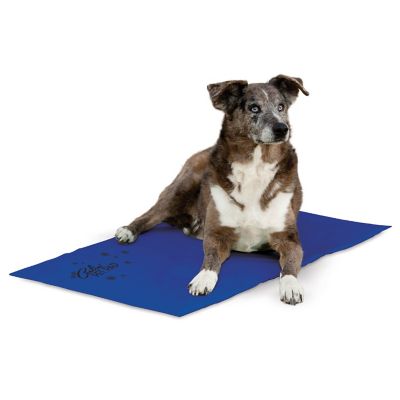
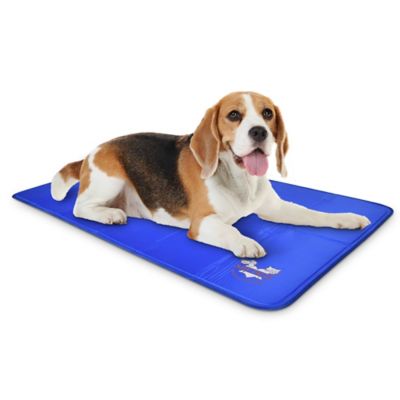
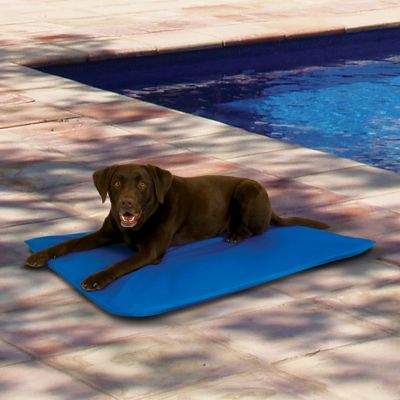
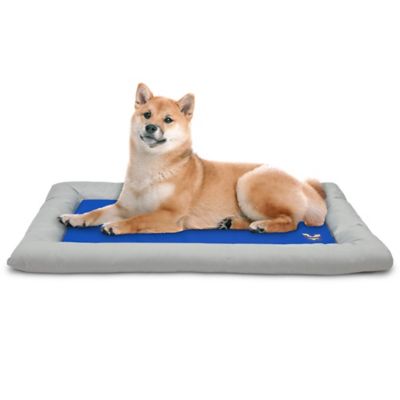
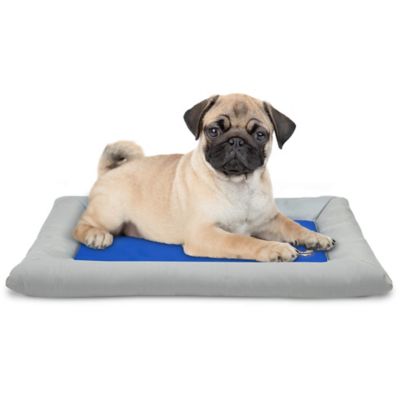
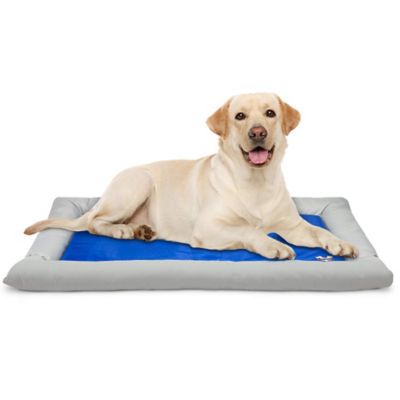
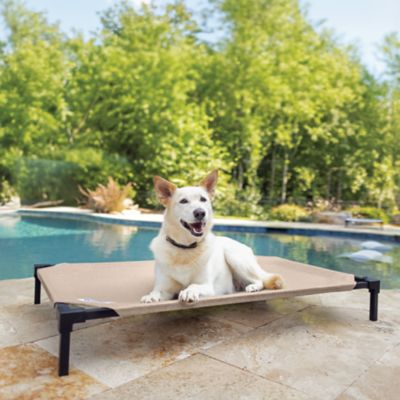
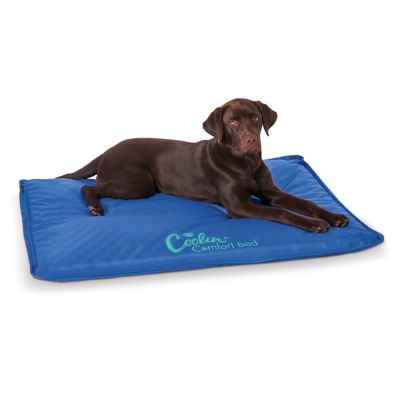
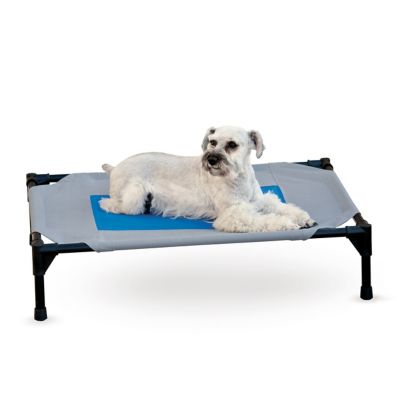
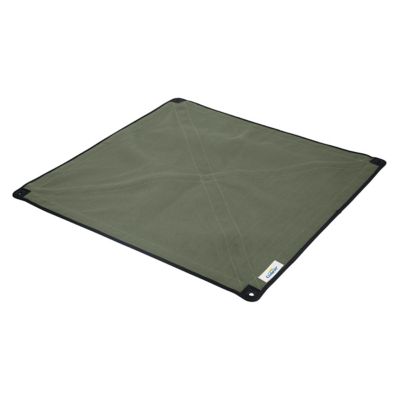
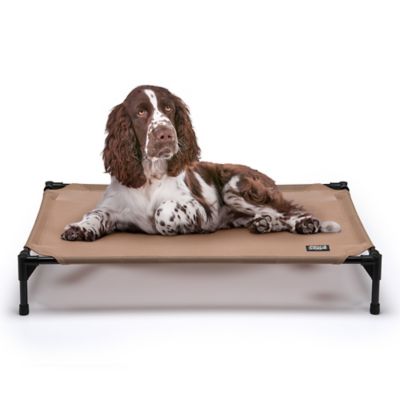
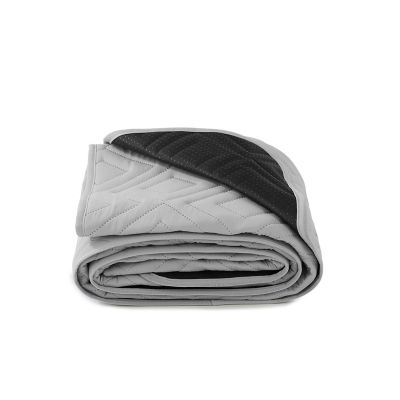
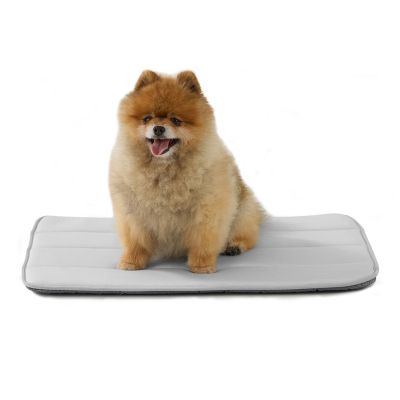
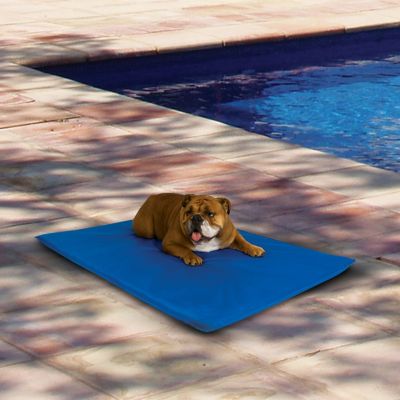
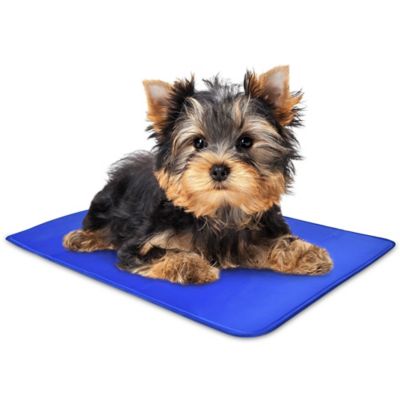
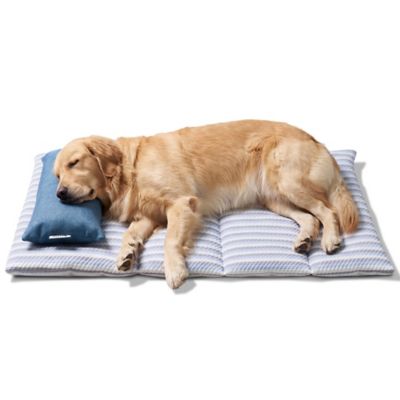
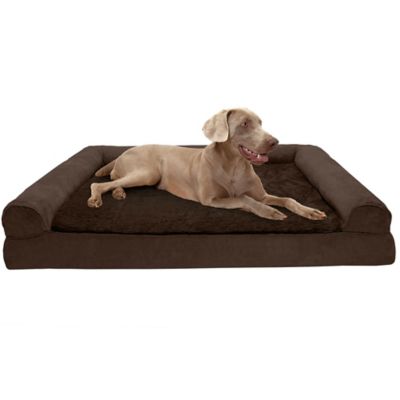
A dog cooling mat is a portable resting pad designed to absorb body heat or help heat escape, giving a dog a cooler, more comfortable place to settle. Depending on its construction, a cooling mat may contain gel, hold water, or feature fabric that supports airflow or evaporative cooling. These designs work differently, but they share a practical purpose: making rest time more comfortable without adding the thick insulation of a heavily padded bed. A mat can give a dog a welcome spot after a walk around the property, beside the family’s favorite porch chairs, or on an indoor floor where the dog already likes to stretch out. Many gel-filled designs respond to body contact and require neither electricity nor refrigeration, although their cooling effect fades as the material absorbs heat. Time away from the dog allows some mats to release that stored warmth before the next rest. Water-filled styles depend on the water inside to absorb heat, while evaporative designs require moisture and generally perform better when surrounding air allows that moisture to evaporate. Breathable fabric alone does not actively chill a surface, but it can help limit trapped warmth. That distinction matters when comparing dog cooling pads, since a cool-touch cover, a gel insert, and a water-filled chamber do not provide the same experience. Performance also depends on room temperature, placement, humidity, and how long the dog stays on the mat. A shaded, ventilated resting area gives any cooling surface a better setting than direct sunlight or heat-holding pavement. For a thick-coated farm companion, a large dog that sprawls across the kitchen floor, or an older pet that prefers shorter outings, the right mat adds another comfortable resting choice. It remains a comfort accessory, not a guarantee against overheating, and fresh drinking water, shade, and sensible activity limits still matter.
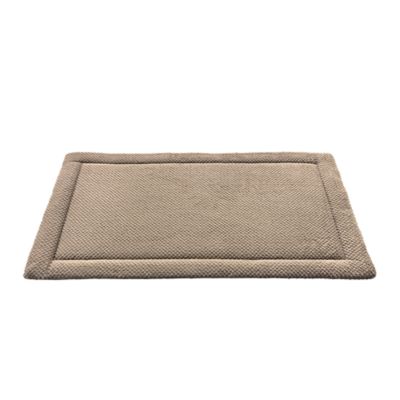
Size and shape have a lot to do with whether a dog cooling mat becomes a favorite spot or gets stepped around. Measurements are more useful than a general size label: the resting surface should accommodate the dog’s usual sleeping position, whether that means curling into a tight circle or stretching from front paws to tail. A broad-chested dog may need extra width, while a long-bodied dog may need more length than its weight alone suggests. There should also be room for the dog to move off the cooling surface whenever it chooses. For a crate or kennel, a flat fit matters; folded corners and bunched edges can make settling down awkward, and access to a separate resting surface is helpful. Thickness deserves attention, too. A slim cooling pad is easy to move between rooms, but it does not necessarily provide the cushioning an older dog needs over a hard floor. A mat placed on another bed may feel different than it does on tile, and placement should follow the maker’s directions so the cooling material can work as intended. Low edges can make access easier for a stiff-legged pet, while a nonslip underside helps limit sliding on smooth flooring. Outer materials affect everyday handling as much as comfort. Smooth, wipe-clean surfaces suit muddy paws and porch dust, whereas fabric covers may feel more familiar to dogs that favor soft bedding. Reinforced seams, protected edges, and a sturdy outer shell are worth considering for dogs that circle, paw, and rearrange their resting spot before lying down. No cooling mat should be assumed to resist determined chewing or digging, though. A puppy still exploring everything with its mouth needs close supervision, and a dog that tears into bedding may need a different resting arrangement. Foldable construction and manageable weight are handy when a mat moves from the house to a shaded porch or travels along to a family visit.
Care requirements help determine how well a cooling mat fits into the daily routine. Some surfaces need only a damp cloth and a mild cleaner approved by the manufacturer; others have removable covers with separate washing directions. A washable cover does not mean the cooling insert can go into the washing machine, dryer, or a sink full of water. Gel chambers, sealed seams, and water-fill closures each call for their own handling, and checking the care label helps avoid damage that may not show up right away. After a muddy walk, wiping paws before the dog settles down can keep grit from collecting along seams and closures. Letting all parts dry fully before storage helps keep the resting area fresh, especially when the mat spends time near a back door or on a sheltered porch. Regular checks for punctures, loose stitching, leaking contents, or a damaged valve are part of caring for this kind of pet bedding. A leaking mat belongs out of reach, and any swallowed filling warrants prompt advice from a veterinarian or animal poison service; a nontoxic label does not make the contents suitable to eat. Refrigeration or freezing should happen only when the product directions allow it. A cooling surface also cannot make a parked vehicle, enclosed shed, or other hot space safe for a dog. Heavy panting that does not ease, excessive drooling, weakness, vomiting, or collapse calls for prompt veterinary attention rather than more time on a mat. For everyday comfort, the best resting setup gives the dog room to choose between the pad and another surface, with water close by and people able to keep an eye on things. When extra cushioning or a more structured sleeping spot matters,
Cooling Dog Beds for Hot Summer Days offers a look at bed-style options. A well-sized cooling mat can also make a thoughtful gift for a pet-owning household when the dog’s measurements, chewing habits, and usual resting places are taken into account.