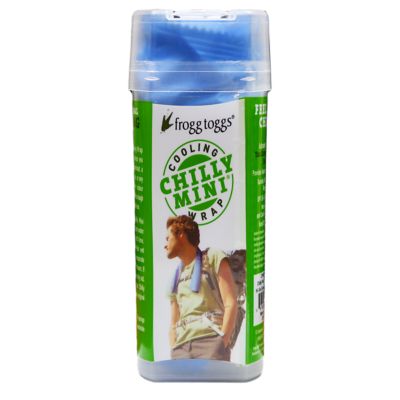
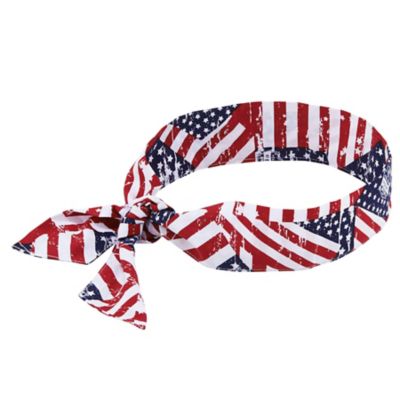
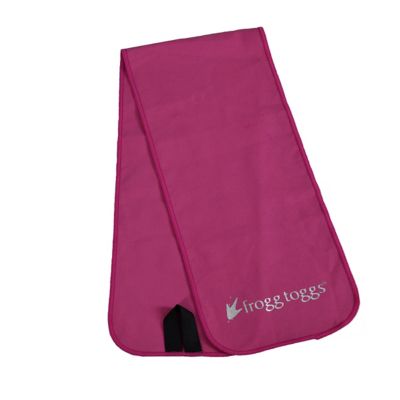
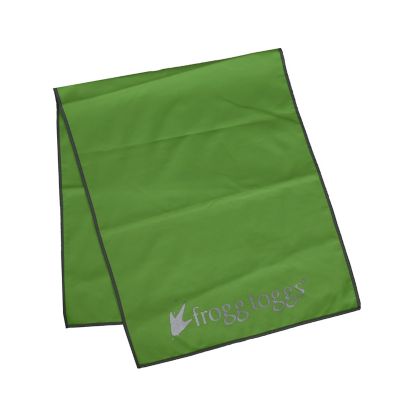
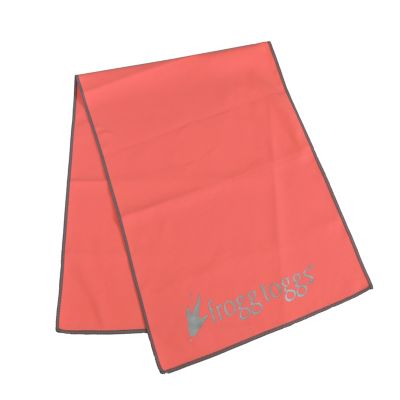
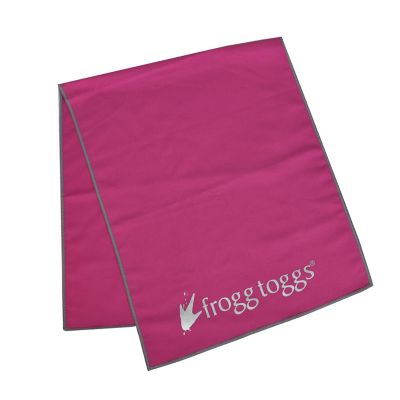
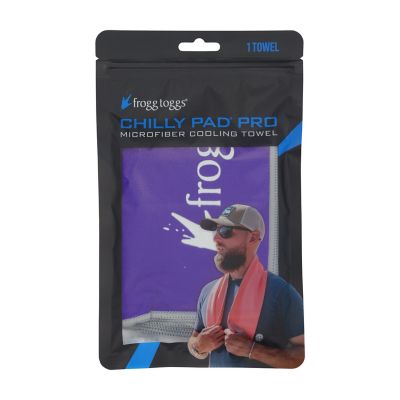
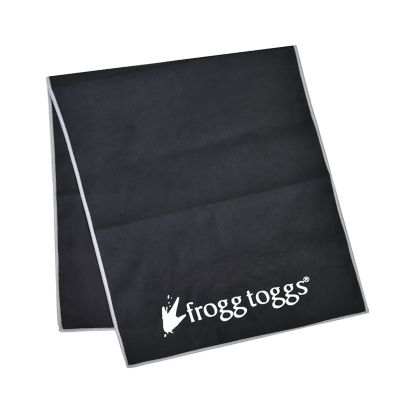
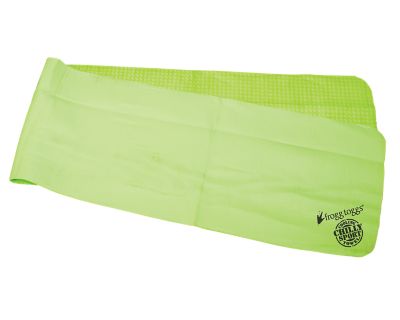
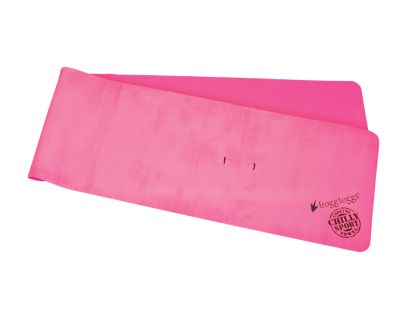
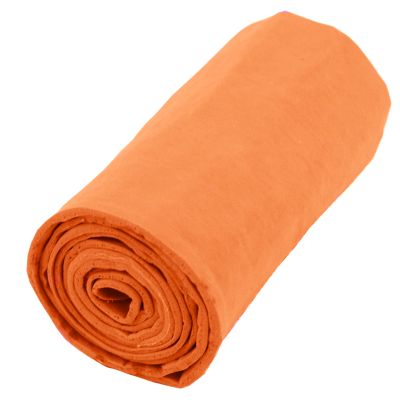
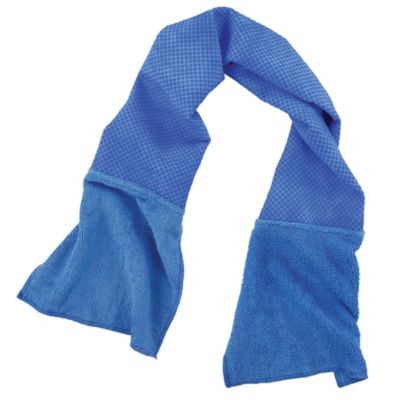
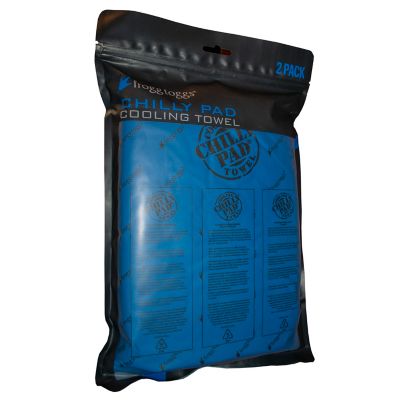
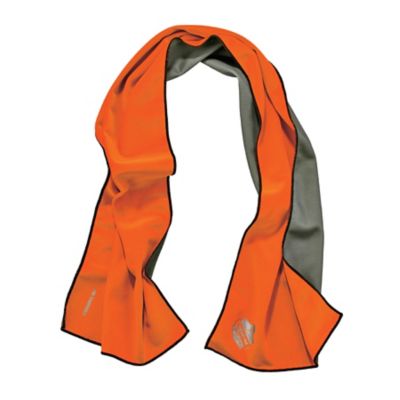
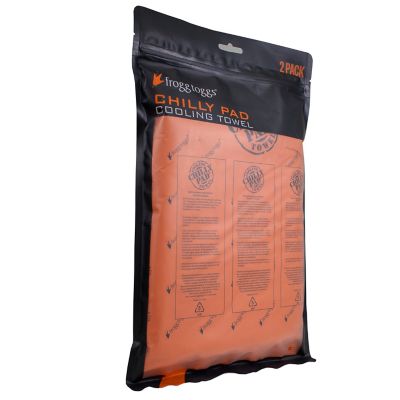
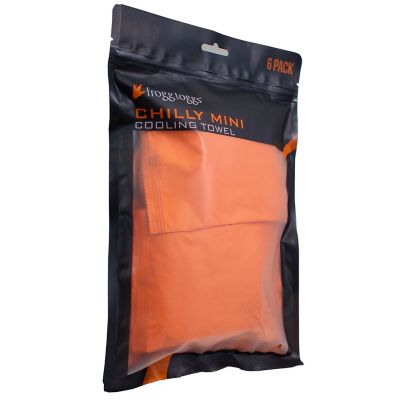
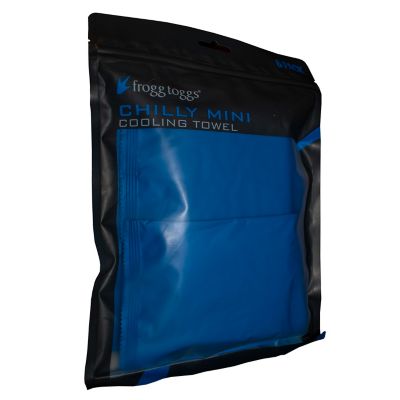
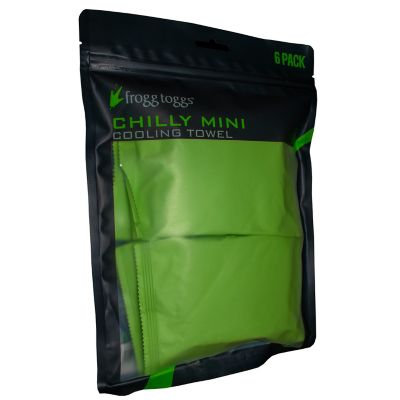
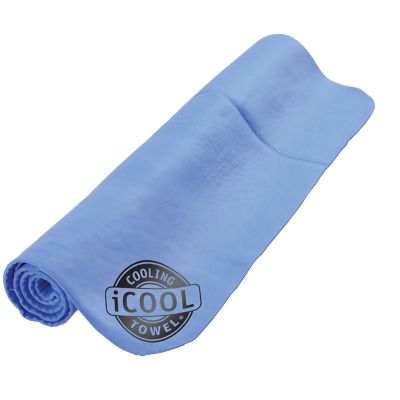
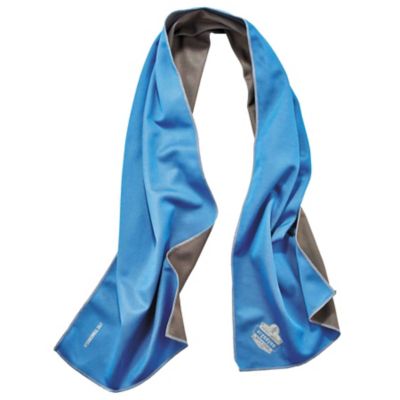
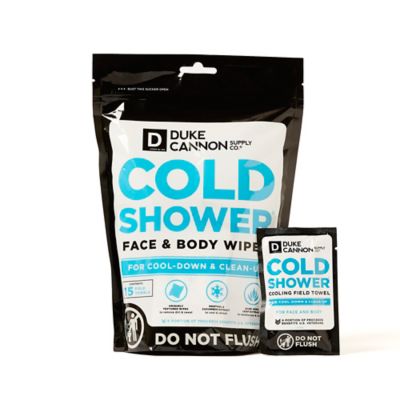
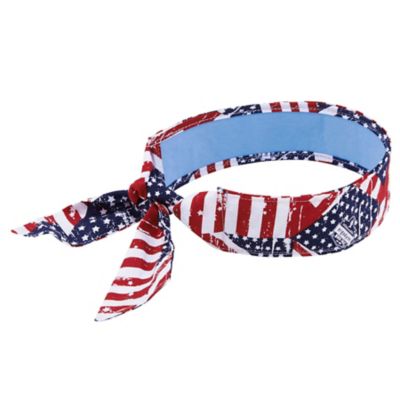
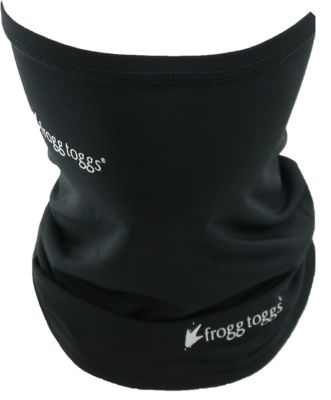
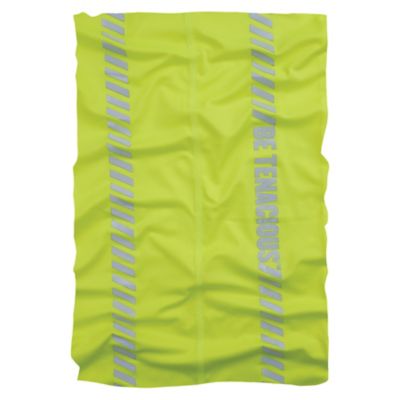
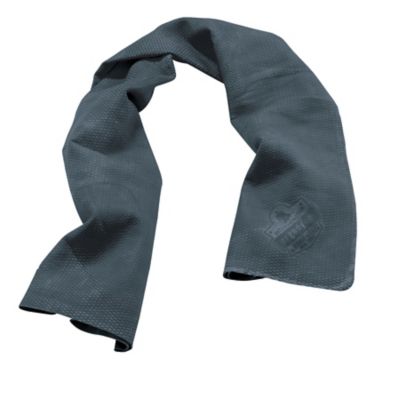
Cooling towels for runners are a simple way to make warm-weather miles feel more manageable, whether you are training on a paved greenway, circling the local track, or fitting in a few miles down a gravel road. These towels use evaporative cooling: water held in the fabric turns to vapor as air moves across the damp material, drawing heat away from your skin and creating a refreshing, chilled sensation. To use one, soak the towel in clean water, wring out the extra moisture, and snap or shake it in the air to help activate the cooling fibers. Then drape it around your neck, lay it across your shoulders, or use it on your forehead and other pulse points. The effect is especially noticeable when there is a breeze or when you are moving at a steady pace, since airflow helps the moisture evaporate. A cooling towel will not replace water, shade, sunscreen, or sensible pacing, but it can be a handy part of a runner’s warm-weather gear. It is also useful during the shoulder seasons, when a sunny afternoon can still feel surprisingly hot even though mornings and evenings are cool. Runners who work outdoors, coach a youth team, participate in road races, or spend long stretches at outdoor events may appreciate having one tucked into a gym bag, hydration pack, or vehicle. They can also be a thoughtful gift for a friend who enjoys jogging, walking, hiking, fitness classes, or outdoor chores. Pairing a cooling towel with practical
Clothing for Runners can help someone build a comfortable setup for training in changing conditions.
When choosing a cooling towel for running, start with the size and weight. A towel should be large enough to drape comfortably over your neck or shoulders, but light enough that it does not feel like a wet blanket once it is soaked. Athletic cooling towels are commonly made from lightweight polyester blends, mesh, or other quick-drying synthetic materials rather than thick cotton terry cloth. These fabrics hold enough moisture to provide a cooling effect without becoming overly heavy, and they are usually easier to wring out on the go. Think about your typical run length, local humidity, and access to water. A smaller towel may be all you need for a short neighborhood loop, while a longer towel or a multi-pack can be useful for long runs, relay races, group training, or keeping a fresh towel in the car. In dry heat, evaporation often happens quickly and the towel may need to be re-wet during an extended outing. In humid weather, it may stay damp longer but feel less intensely cool because the surrounding air cannot absorb moisture as efficiently. A towel with a soft, flexible feel is comfortable against the neck, while a more structured fabric may hold moisture for a longer stretch. Look for secure edges, durable stitching, and a material that can be washed without special fuss. A storage pouch or carry case is helpful for keeping a damp towel separate from shoes and clothing after a run. Some runners prefer a towel that stays pliable as it dries, while others do not mind a firmer feel between uses as long as it softens again with water. Consider whether sun protection is important for your route, too, and check the product details for any stated UPF rating rather than assuming every cooling towel offers it. For cooler months, a cooling towel can still earn a place in your gear bin for unseasonably warm afternoons, indoor workouts, travel, or races held in bright sunshine. Keep one clean and dry until you need it, soak it with potable water, and avoid sharing it during team events unless it has been washed. With the right fit and fabric, cooling towels for runners offer convenient relief that packs small, weighs very little, and works wherever your next run takes you.