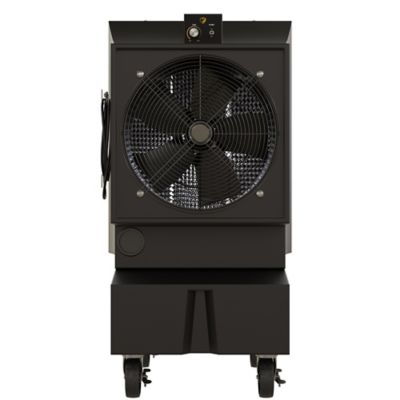
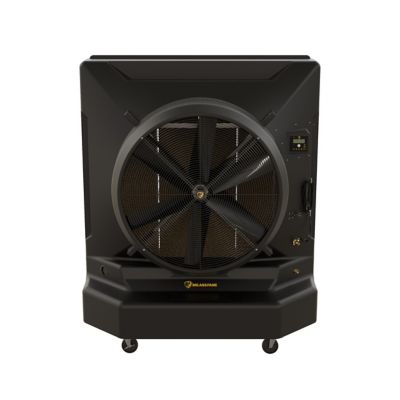
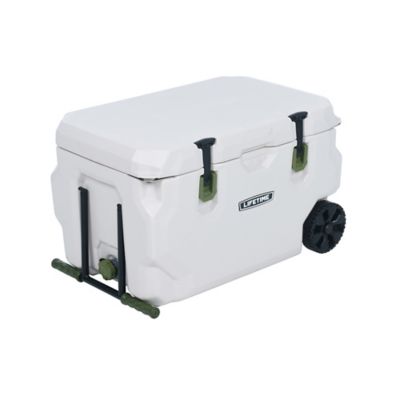
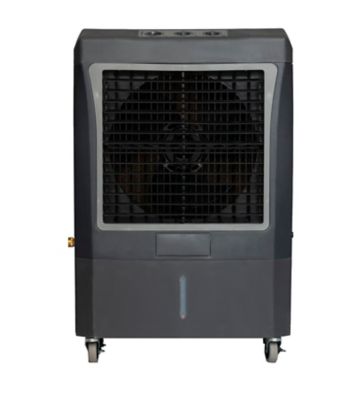
Industrial coolers are cooling systems built to manage heat in large work areas, support equipment operation, or maintain controlled storage conditions. The term covers several different kinds of equipment, so the job matters as much as the size of the unit. Industrial air coolers move cooled air through spaces such as warehouses, fabrication shops, equipment sheds, and agricultural work buildings. Portable evaporative coolers combine a fan, water supply, and wetted cooling pads; as water evaporates, it absorbs heat and lowers the temperature of the passing air. That approach works best where the air is relatively dry and the building has enough ventilation to carry added moisture outside. An evaporative cooler is not a substitute for refrigerated air conditioning in a tightly enclosed, humid room. Refrigerated air conditioners transfer heat outdoors and can remove moisture from the air, while commercial reach-in refrigerators and walk-in coolers maintain enclosed storage spaces for food or other temperature-sensitive goods. Process fluid coolers serve another purpose: they remove heat from circulating liquids that support machinery or production equipment. These systems are not interchangeable, even though each falls under the broader industrial cooling category. For a farm repair shop or loading area, the main concern may be moving cooled air across an occupied work zone. In a commercial kitchen, the need may instead be controlled refrigeration for ingredients. Around production machinery, cooling requirements depend on the equipment and the heat its process generates. For space cooling, industrial evaporative air coolers are often a practical match for open or well-ventilated buildings where a sealed, centrally conditioned environment is not the goal. They can direct airflow toward a sorting table, repair bay, or packing station without treating every corner of a large structure the same way. Their effectiveness still depends on humidity, incoming air temperature, ventilation, and placement. Cooling the air around workers also does not replace drinking water, rest breaks, or a workplace heat-safety plan.
The right fit for an industrial air cooler involves more than matching a coverage figure to the floor plan. Airflow, commonly listed in cubic feet per minute, describes how much air a unit moves, but it does not tell the whole story about cooling performance. Ceiling height, open doors, partitions, machinery, and heat-producing equipment all affect where that air travels. A long shop with tool cabinets along both walls presents a different layout from an open warehouse with clear aisles. Cooling pads need an unobstructed air intake, and the discharge needs a clear path toward the intended work area. Evaporative equipment also needs a route for moist air to leave the building rather than circle back through the cooler. Tank capacity influences how often water needs replenishing, while a compatible continuous water connection can reduce refill interruptions where an appropriate supply is nearby. Electrical requirements deserve the same attention: voltage, current draw, outlet placement, and any manufacturer restrictions on extension cords can determine whether a unit fits the workspace. Physical dimensions matter when equipment must pass through a service door, park beside a workbench, or travel between bays. Casters and well-positioned handles can help with movement, while locking wheels help keep a portable unit in place during operation. Cabinet construction may include molded plastic, coated steel, or stainless steel, depending on the equipment type. Plastic housings can resist exterior corrosion and keep weight down; metal cabinets can provide a sturdy structure, though coatings, seams, and exposed hardware still need attention in damp surroundings. Fan guards, accessible controls, protected electrical components, and serviceable panels all matter in a working building where boots, carts, and equipment are constantly moving through. Noise also deserves consideration near conversation-heavy tasks or areas where workers need to hear signals. For a smaller repair bay or home workshop,
Garage Coolers provide a related category to consider alongside larger industrial cooling equipment. In either setting, equipment should suit the space, power source, and daily workload rather than simply taking up the largest footprint.
Regular care helps industrial coolers keep moving air and makes everyday operation less of a chore. In an evaporative unit, cooling pads, water distribution passages, intake screens, and the reservoir all need attention according to the manufacturer’s schedule. Dust from a gravel drive, chaff near feed handling, or grinding debris from a repair bench can collect on intake surfaces and restrict airflow. Water with a high mineral content can leave deposits on pads and other wet components, reducing their ability to distribute water evenly. Pad condition, water flow, and the cleanliness of the tank all influence how well the cooling system performs. Draining and cleaning at the recommended intervals helps limit stagnant water, odors, and buildup; cleaning chemicals should match the manufacturer’s directions rather than whatever happens to be on the shop shelf. Power should be disconnected before cleaning or servicing, and electrical parts should stay protected from wash water. When a unit will sit idle for an extended stretch, proper draining, drying, and storage can help protect internal parts. Refrigerated equipment has different upkeep needs, including clear condenser airflow, clean coils where accessible, sound door seals, and service for faults that affect temperature control. Process cooling equipment follows requirements tied to its fluid circuit and the machinery it supports. Across these equipment types, access for maintenance is worth considering before placement becomes permanent. A cooler wedged behind shelving may fit on paper but make a routine inspection a nuisance. For farmers, mechanics, shop owners, warehouse crews, and maintenance teams, useful cooling equipment fits into the workday without blocking exits, interfering with material handling, or sending loose dust across a task. In animal buildings, airflow should support the broader ventilation plan without blowing bedding or feed dust directly at animals. A well-matched industrial cooler brings together the appropriate cooling method, manageable upkeep, suitable construction, and a layout that lets people keep working without having to work around the equipment.