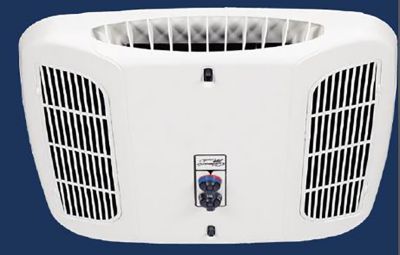
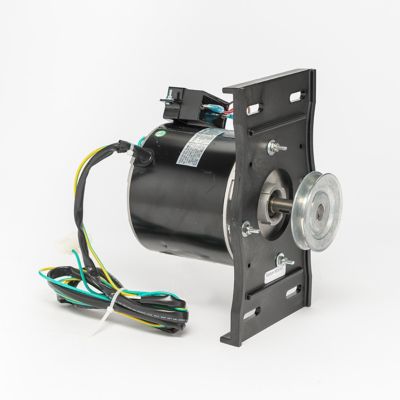
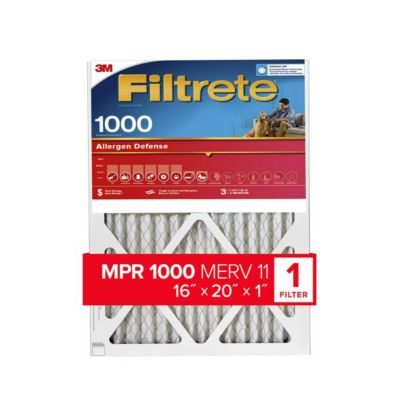
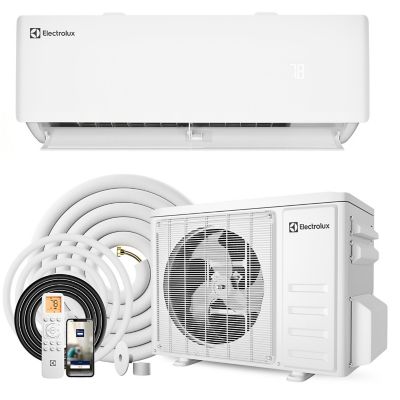
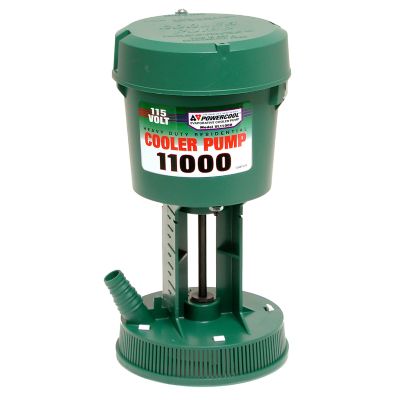
Air conditioner replacement parts help keep a home, shop, barn office, rental property, or small business comfortable when an aging cooling system starts showing its wear. During the warmer part of the year, an air conditioner may run for hours at a stretch, and that steady work can put extra strain on electrical and mechanical components. A system that hums but does not start, blows warm air, trips a breaker, or makes an unfamiliar rattling sound may need a replacement part rather than a complete unit. Common air conditioning parts include capacitors, contactors, relays, fan motors, fan blades, air filters, hard start kits, and other electrical or mechanical components that help the system start, circulate air, and remove heat. Filters catch dust, pollen, pet hair, and other airborne debris before it reaches the indoor coil, making the correct size and filter type important for steady airflow. Capacitors store and release electrical energy to help motors start and keep running, while contactors act as switches that send power to major components. Fan motors and blades move air across the coils, and relays help control the flow of electricity. A hard start kit may provide additional startup assistance for a compressor that has trouble getting going, though diagnosis is best left to a qualified HVAC professional. For spaces cooled by water evaporation rather than a standard refrigerant-based system, browse
Evaporative Cooler Parts to find components suited to that style of cooling equipment.
Choosing the right air conditioner replacement part starts with the unit’s make, model, serial number, voltage, horsepower, dimensions, and connection details. Even parts that look nearly identical can differ in ratings, terminal layouts, shaft sizes, mounting patterns, or wiring arrangements, so compare the old component and the equipment documentation carefully before placing an order. The information plate is often found on the outdoor cabinet, indoor air handler, or furnace section, and taking a clear photo can make it easier to keep the details handy while shopping. For filters, measure the existing filter or read the size printed along its edge, then confirm the actual length, width, and thickness instead of relying on a rough estimate. Electrical parts deserve extra care: a replacement capacitor should match the required capacitance and voltage rating, and a contactor or relay should be compatible with the system’s electrical specifications. Fan motors may require a particular rotation, speed, shaft length, or mounting style, while blades need to match the motor and fan housing. A compressor is a major system component and usually calls for professional testing and installation. Shutting off the thermostat alone does not remove all electrical hazards, since outdoor equipment can hold a charge even after power is disconnected. Homeowners who are comfortable with routine maintenance may be able to replace an air filter, clear leaves from around the outdoor cabinet, or inspect visible wiring for damage, but electrical diagnosis, refrigerant work, motor replacement, and compressor service should be handled by a trained technician. A careful match saves time, helps prevent repeat failures, and reduces the chance of damaging other parts of the system.
Air conditioner replacement parts can be useful for homeowners who like to keep a few practical maintenance supplies on hand, landlords preparing a rental between occupants, property managers caring for several buildings, and farm or shop owners who depend on a cooled office or work area. They can also make a thoughtful, useful gift for a handy family member who maintains an older home, workshop, hunting cabin, or rental property, especially when paired with the equipment’s model information rather than chosen by guesswork. Keeping a properly sized filter available is one of the simplest ways to support airflow and protect indoor components, while having the correct replacement electrical part on hand may help reduce downtime when a technician confirms the diagnosis. Before the equipment sits unused through cooler weather, it is wise to note any weak airflow, odd sounds, short cycling, or delayed startup so those concerns do not get forgotten when warm weather returns. Outdoor units should remain clear of grass, leaves, and stored equipment, and indoor vents should not be blocked by furniture or boxes. When a system has been repaired, watch for dependable startup, even airflow, and normal cycling rather than assuming a new part solved every issue. Good records of part numbers, service dates, filter sizes, and previous repairs can be especially helpful on older equipment. With the right match and safe installation, replacement parts can extend the useful life of an air conditioner and help keep a home or work space more comfortable as outdoor temperatures change.