Air cooler parts support the water circulation, airflow and controls that keep evaporative cooling equipment working as intended. Often called swamp coolers, these units pull warm air through wet cooling pads, allowing evaporation to lower the air temperature before a fan or blower moves it into the space. They work best in dry conditions with plenty of fresh airflow, making them a practical fit for certain workshops, garages and open work areas around the farm. Unlike refrigerated air conditioners, evaporative coolers depend on a steady supply of water and properly matched cooling media rather than a compressor and refrigerant circuit. Their main replacement components include cooling pads, water pumps, float valves, distribution tubing, fan motors and, on belt-driven equipment, belts and pulleys. Each serves a different purpose, so a part that fits one cooler may not suit another, even when the cabinets look much alike. A portable unit rolled beside a workbench can have very different requirements from a window-mounted cooler or a larger shop unit. The model number, manufacturer’s parts information and specifications on the original component provide the best starting point for comparing replacements. Dimensions matter, but so do electrical ratings, mounting points, hose connections and the way a component works with the rest of the system. A replacement that merely fits into an opening may still restrict airflow or deliver the wrong amount of water. For folks keeping a garage comfortable while tending equipment or handling chores under a covered work area, matching those details helps keep routine upkeep from turning into repeat repairs. Air cooler replacement parts belong to a different equipment category than
Air Conditioner Replacement Parts, so identifying whether the equipment cools through evaporation or refrigeration helps narrow the search to the right type of component.
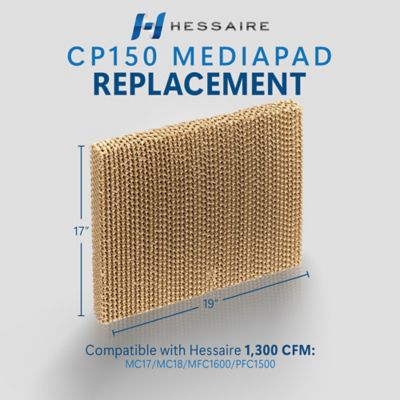
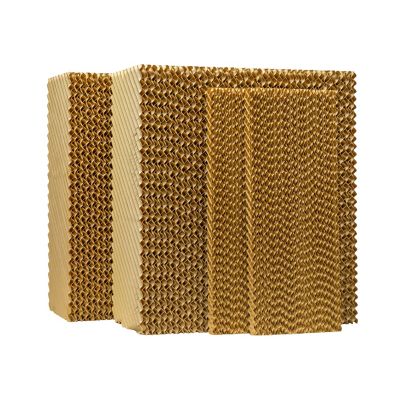
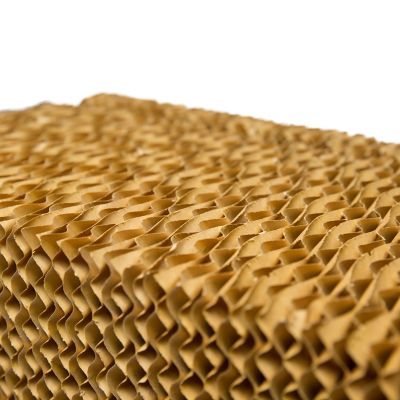
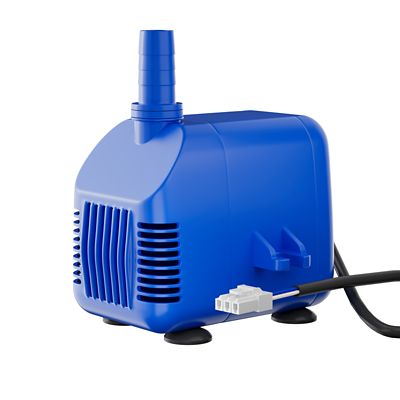
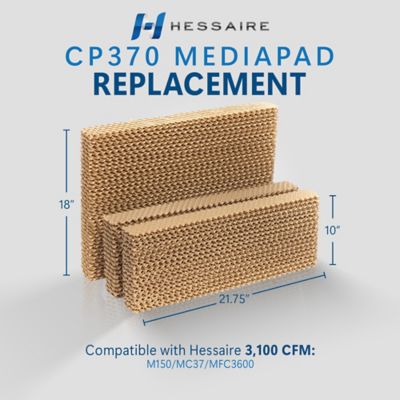
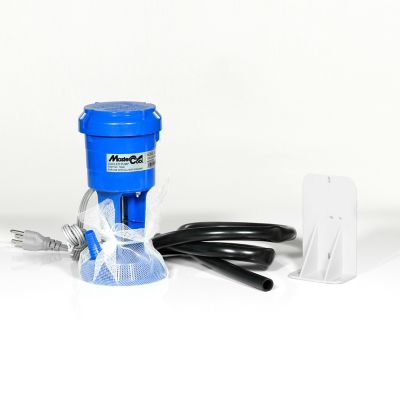
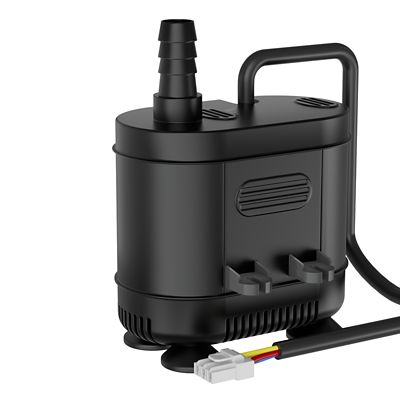
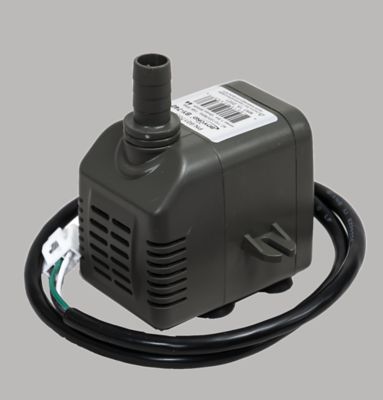
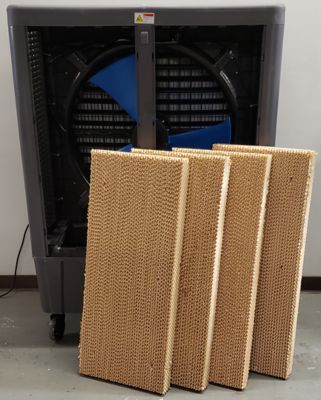
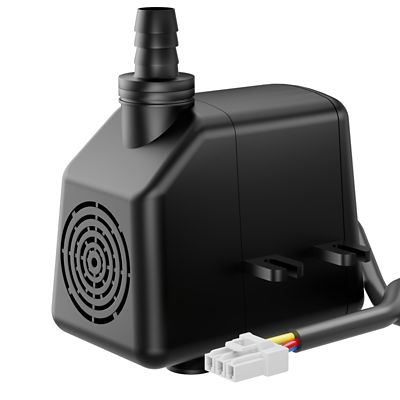
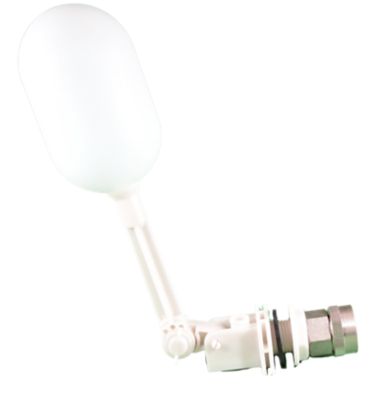
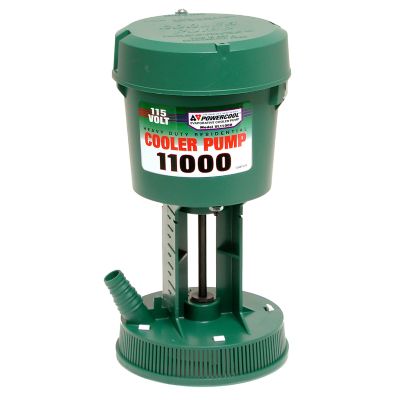
Cooling pads and water-system parts work together, and their fit has a direct effect on how evenly a cooler operates. Depending on the equipment, cooling media may consist of aspen fibers, rigid cellulose panels or another manufacturer-specified material. Pad height, width and thickness all matter: gaps can let air bypass the wet surface, while an overly thick pad can interfere with the holder or limit airflow. Rigid media may also have a required orientation for proper water flow and air movement. There is no single replacement schedule that suits every pad and every setting. Water mineral content, operating hours, dust and the manufacturer’s care recommendations all influence how long the media stays serviceable. A cooler working near a gravel drive or a busy shop door may collect more grit than one in a cleaner setting. Mineral crust, crumbling fibers, persistent odors or sections that no longer wet evenly can signal a need for attention, though uneven wetting can also come from a clogged distribution line. The water pump moves water from the reservoir to the distribution system above the pads. A suitable replacement needs the correct voltage, connection style, physical clearance and water-delivery specifications, including the height it must lift water. More pumping capacity is not automatically better; excess flow can send water where it does not belong, while too little flow leaves portions of the media dry. Pump screens and strainers help keep debris out of the water path, but they still need routine cleaning as directed by the equipment maker. Float valves regulate incoming water on coolers equipped with an automatic fill connection. Their mounting style, inlet size and adjustment range must suit the tank so the water level stays within the specified range. Supply hoses, distribution tubes, fittings and drain plugs also need the right dimensions and materials for their location. Water-contact plastics, seals and metal hardware should tolerate the cooler’s operating conditions without swelling, cracking or corroding. A small leak beside a concrete shop floor can become a slipping hazard, making sound connections important beyond the cooling performance alone.
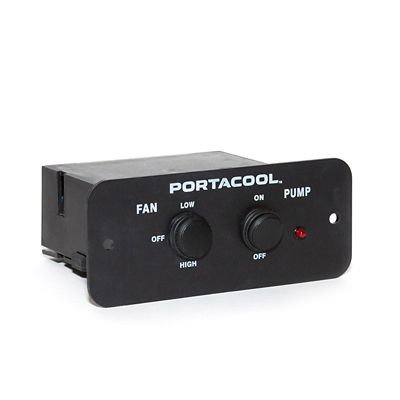
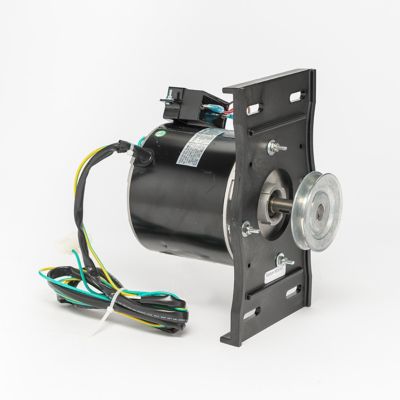
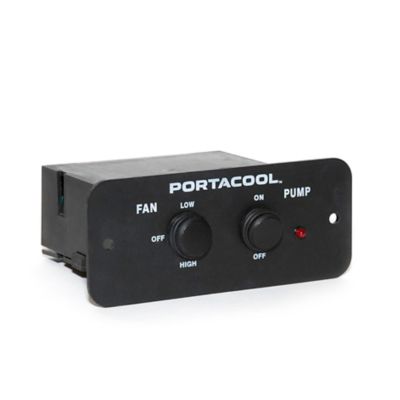
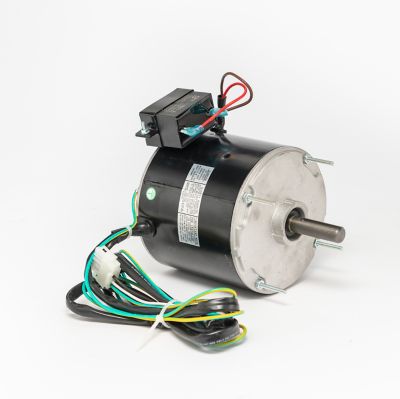
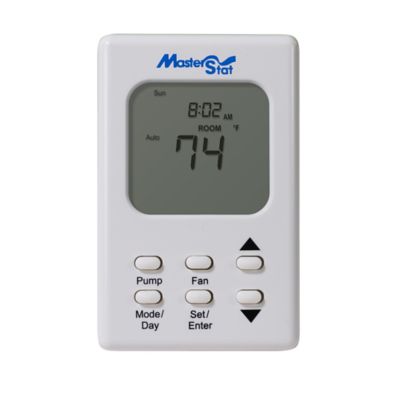
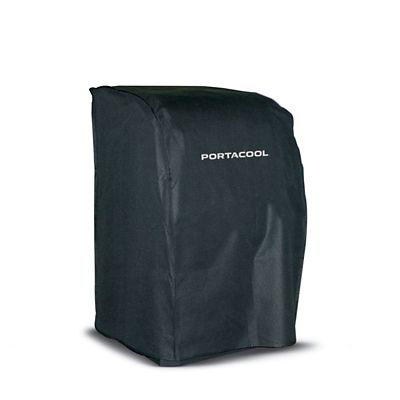
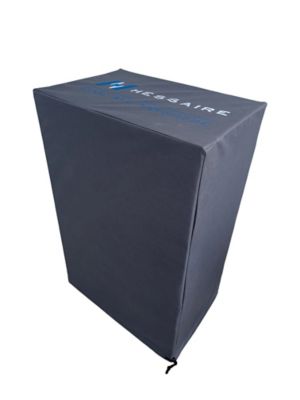
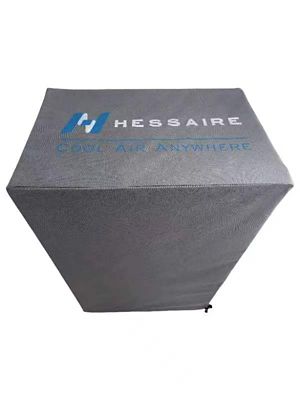
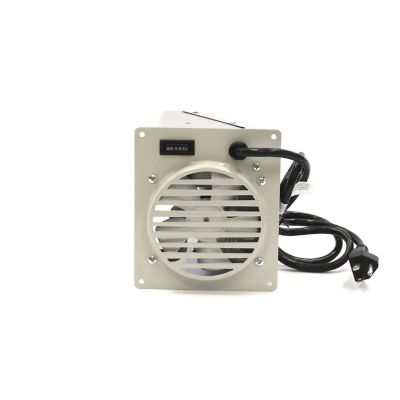
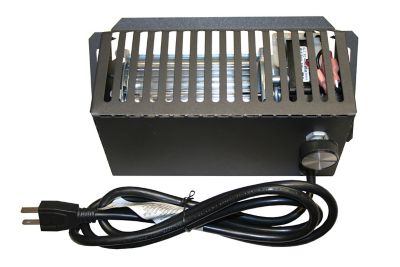
On the airflow side, motors, fan blades, blower wheels, belts and pulleys need to match the cooler’s mechanical and electrical design. Replacement motor considerations include horsepower, voltage, speed settings, rotation direction, shaft dimensions and mounting arrangement. Any required capacitor must also match the motor manufacturer’s specifications. A similar-looking motor is not enough to establish compatibility, and electrical repairs are a job for someone qualified to handle the equipment. Some coolers have direct-drive fans, while others transfer power through a belt and pulley arrangement. Belt length and profile affect fit, and proper alignment and tension help prevent slipping, squealing and unnecessary bearing strain. Excessive tension can be just as troublesome as a loose belt. Fan blades and blower wheels need the correct diameter, bore and rotation characteristics, along with clearance inside the housing. Guards, access panels and fasteners also belong in place before operation; they are part of the equipment’s protection, not optional finishing touches. For controls, switches and water-level sensors, compatibility includes the electrical rating and wiring arrangement as well as the shape of the mounting opening. Across these component groups, service life depends on suitable materials, correct installation and regular care. Moisture, airborne grit and vibration can be hard on a cooler that spends its days around machinery and dusty chores. Corrosion-resistant hardware and suitable housings can help components stand up to that setting, but no material takes the place of cleaning and inspection. Power should be disconnected before service, and water connections should be shut off when the work calls for it. During cooler months, draining and drying equipment according to the manufacturer’s directions helps limit stagnant water and freeze damage where freezing temperatures occur. Covers should suit the equipment and its storage conditions rather than trap moisture inside. Whether the cooler serves a home garage, a farm workshop or a sheltered work station, well-matched parts help preserve the airflow and water movement the system was built to deliver, with fewer interruptions when there is work to get done.