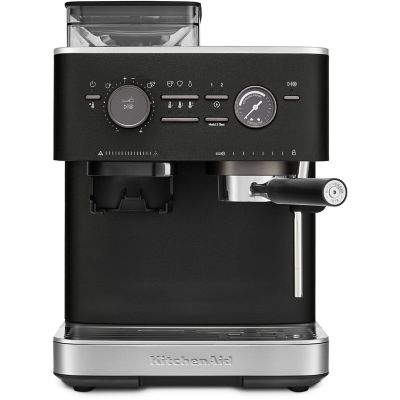
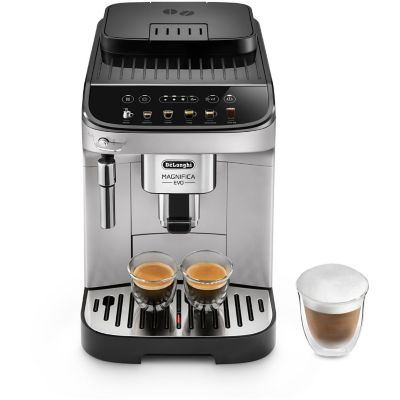
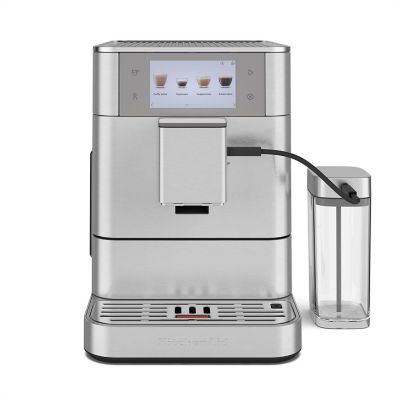
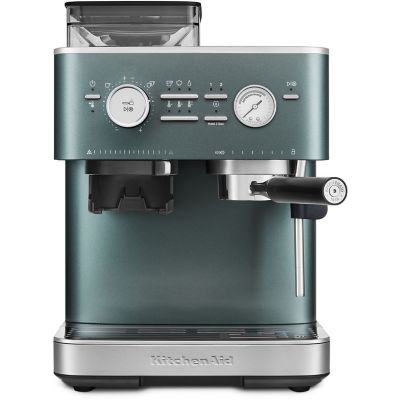
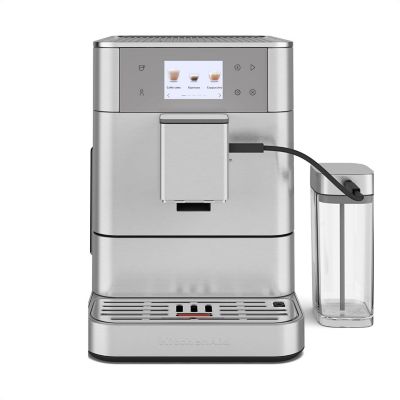
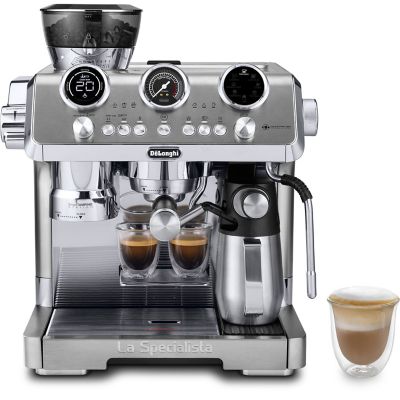
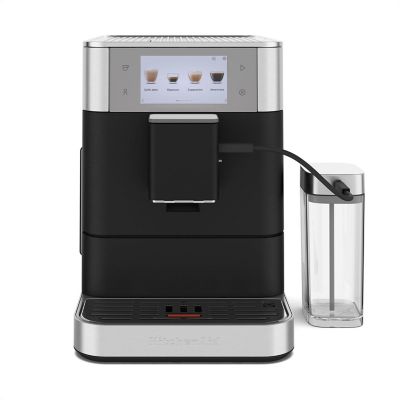
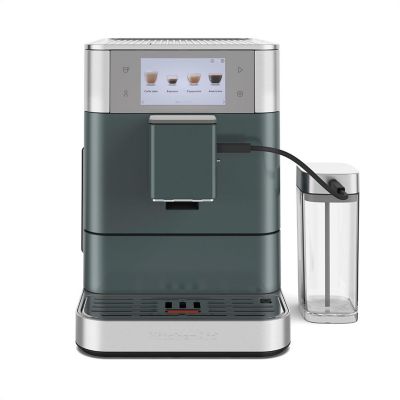
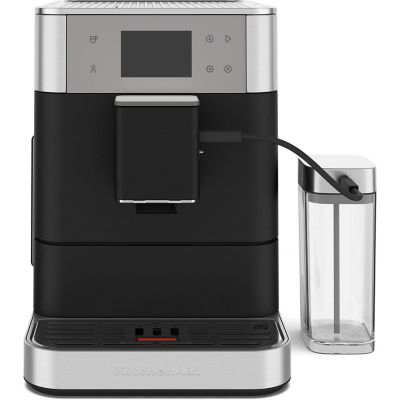
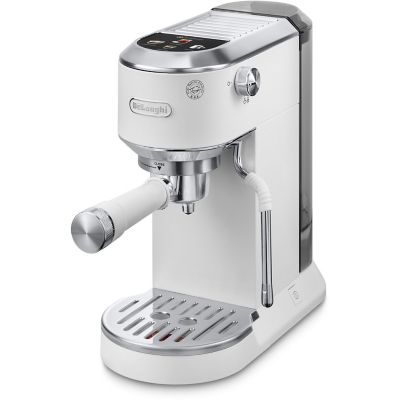
Espresso machines with built-in grinders combine whole-bean grinding and espresso brewing in one appliance, keeping two parts of a coffee routine together on the counter. Beans move from the hopper to the grinder just before brewing, cutting down on separate equipment and making it easier to prepare a shot before chores or breakfast. Espresso itself is a small, concentrated coffee brewed by forcing hot water through finely ground coffee under pressure. That process calls for a finer grind than most drip coffee makers, so the grinder matters as much as the brewing side. Integrated burr grinders crush beans between rotating surfaces, and adjustable settings help match the grind to the beans and the machine’s brewing system. Small adjustments matter: a grind that is too coarse can let water run through quickly, while an overly fine grind can slow the flow too much. Semi-automatic espresso machines with built-in grinders usually leave some of the work in your hands, including filling the portafilter, leveling the grounds and tamping before brewing. The portafilter is the handled basket holder that locks into the machine. Assisted systems may handle part of the dosing or tamping, while fully automatic machines generally grind, portion and brew internally after a drink selection. Those differences shape the daily experience more than a long list of buttons. Someone who enjoys getting a shot just right may appreciate hands-on controls, while a busy household may lean toward fewer steps and saved drink settings. Adjustable coffee doses and shot volumes offer room to change strength and serving size, although the exact controls vary by machine. Fresh beans, a consistent dose and steady brewing conditions all contribute to a balanced shot; a higher advertised pump-pressure number alone does not establish how the coffee will taste. For straight espresso, the appeal is a concentrated cup with the bean’s flavor front and center. For Americanos, lattes and cappuccinos, that same shot becomes the starting point for a larger drink.
Milk drinks bring another set of features into play. A manual steam wand lets the person making the drink control milk texture in a pitcher, from a glossy finish for a latte to a more airy foam for a cappuccino. Automatic milk systems handle more of that process, but their tubes, containers and dispensing parts add to the cleanup. Heating design also affects the rhythm at the counter. Some single-boiler systems need time to change between brewing espresso and producing steam; dual-boiler systems can support brewing and steaming together when designed for simultaneous operation. Thermoblock and thermocoil systems heat water as it moves through the machine, with warm-up times and brewing-to-steaming transitions depending on the design. Those distinctions become noticeable when one person wants a straight shot and another wants a large milk drink before heading out the door. A machine that feels comfortable for one daily coffee may involve more refilling, emptying and waiting when several people gather around it. Water-tank capacity, bean-hopper size and drip-tray capacity all affect that routine. Physical fit deserves just as much attention as drink settings. The machine’s listed dimensions do not always account for the room needed to open a hopper lid, lift out a water tank, swing a steam wand or remove a drip tray. Overhead cabinets and nearby outlets can make those everyday movements awkward on a crowded kitchen counter. Cup clearance matters, too, especially for taller mugs or a travel cup. Stainless steel housings, metal portafilters and removable trays offer practical surfaces for daily handling, while plastic tanks and lids keep some parts lighter to lift. Exterior material alone does not tell the whole story about internal construction or service needs. A stable, level counter, the electrical connection specified by the manufacturer and enough room to work around hot surfaces help make the setup comfortable. Easy-to-read controls and parts that come out without a struggle are welcome features when the coffee routine starts before the rest of the house is moving.
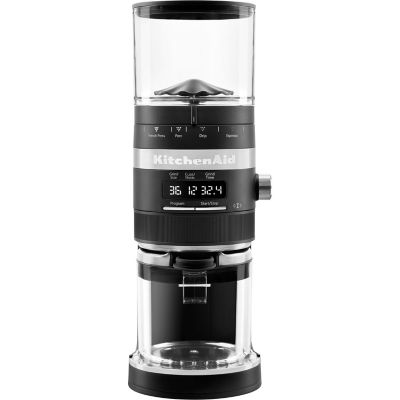
Keeping an all-in-one espresso machine running well comes down to regular attention to both coffee residue and water deposits. Grounds and coffee oils collect around grinder outlets, baskets and brewing parts, while mineral scale can build up inside the water system. Removable components make certain cleaning jobs easier, but care requirements vary: some machines call for backflushing, some have removable brew groups, and others run dedicated cleaning cycles. The manufacturer’s directions determine the right method and cleaning products, since a process suited to one brewing system may not suit another. Steam wands need prompt wiping and purging as directed, and automatic milk pathways need their specified rinse and cleaning routines rather than a quick wipe on the outside. Water choice matters as well. Filters can help manage certain water characteristics, but they do not necessarily eliminate descaling, and distilled water is not appropriate for every machine. Following the stated water requirements helps protect internal parts and keeps brewing conditions more consistent. Bean storage has a place in that routine, too. A hopper is convenient for feeding the grinder, but it is not a substitute for keeping the remaining beans in a tightly closed container away from light, heat and moisture. Keeping the grinder clear according to its care instructions helps prevent old grounds from collecting in the coffee path. An integrated setup keeps the workspace together, though its grinder is generally not a component intended for swapping out. A separate arrangement with
Standalone Coffee Grinders For Espresso allows the grinder and brewing machine to be selected and replaced independently. For an all-in-one appliance, access to service, replacement seals and routine maintenance parts matters over the long haul. These machines suit coffee drinkers who want espresso at home without arranging several separate appliances. They can also make a thoughtful housewarming or anniversary gift when the recipient’s counter space, favorite drinks and willingness to handle cleaning are already known. The right match fits the household’s habits, whether that means a carefully prepared morning shot or a round of milk drinks after supper.