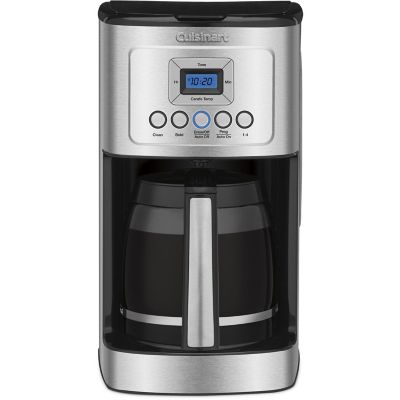
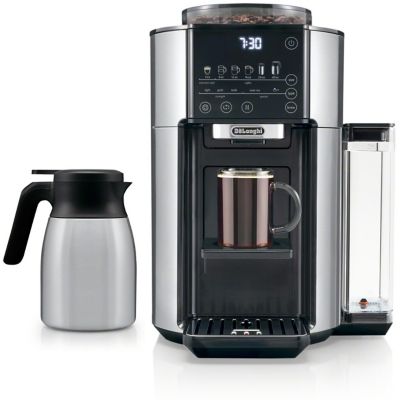
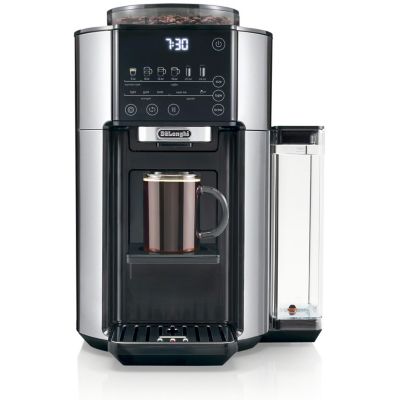
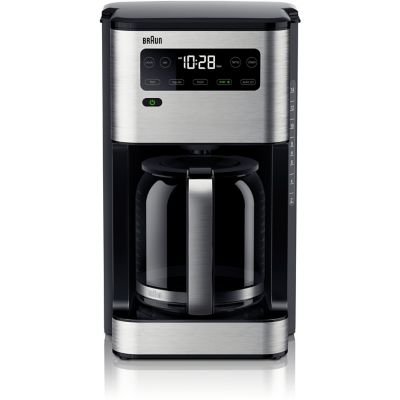
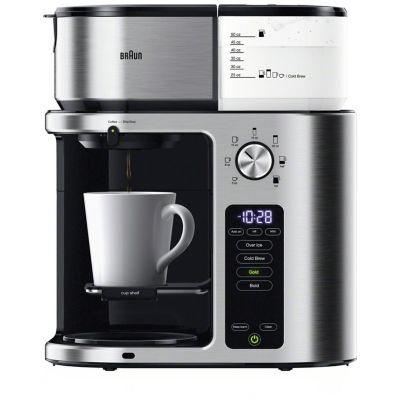
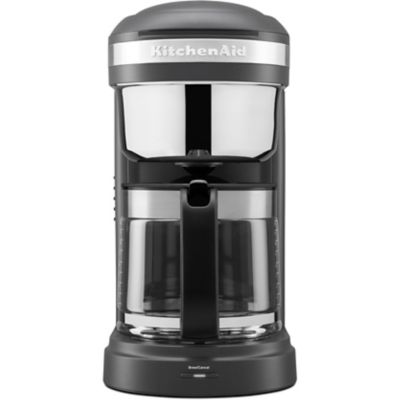
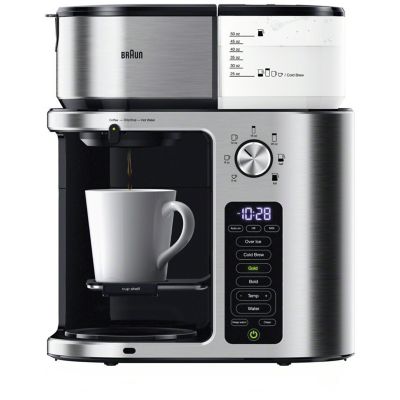
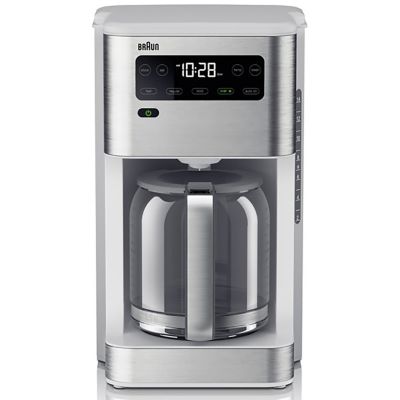
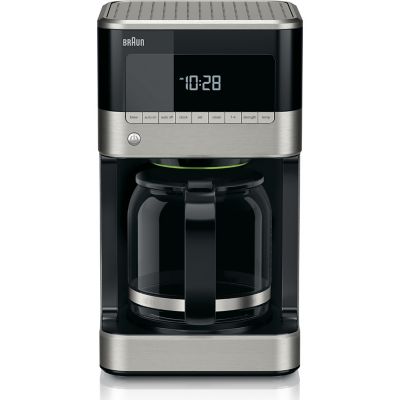
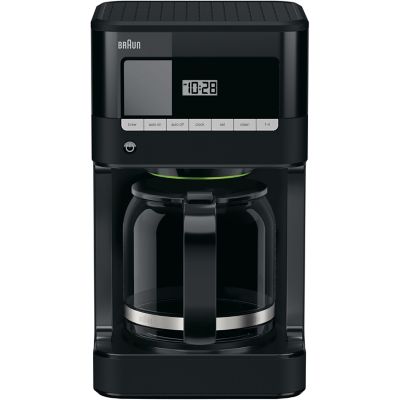
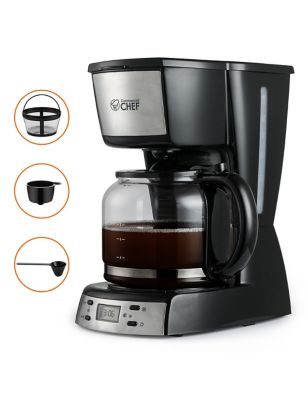
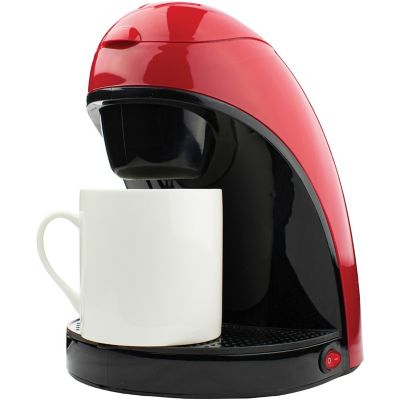
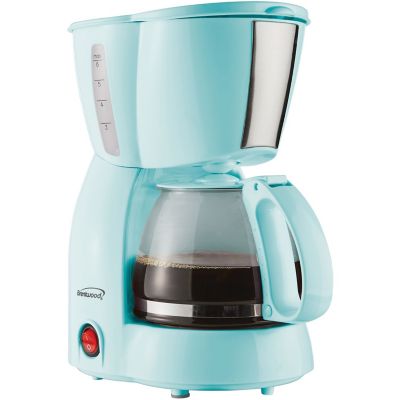
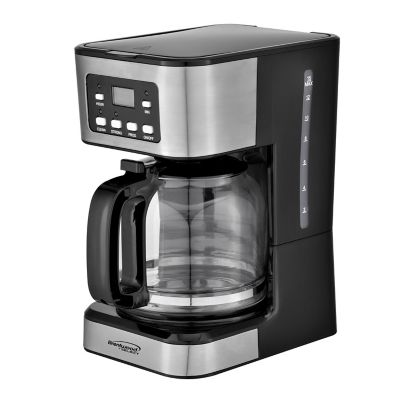
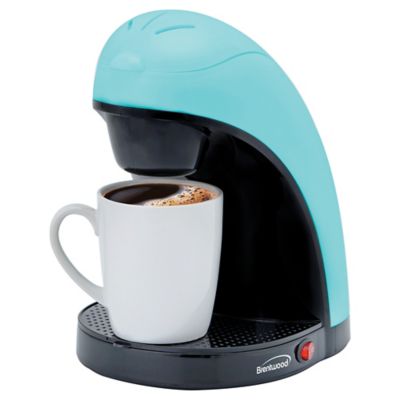
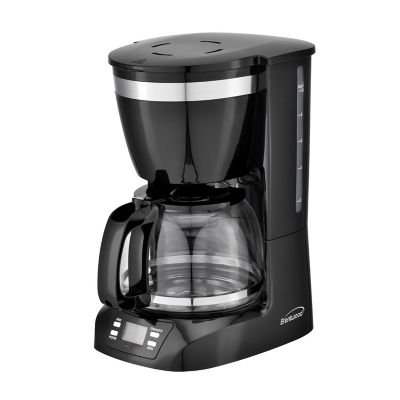
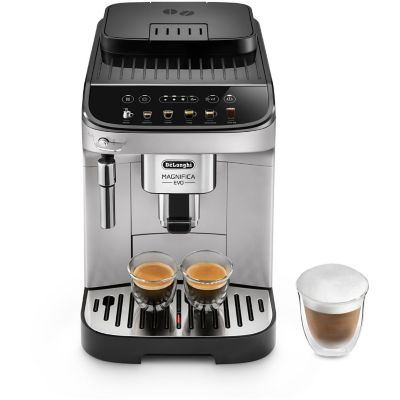
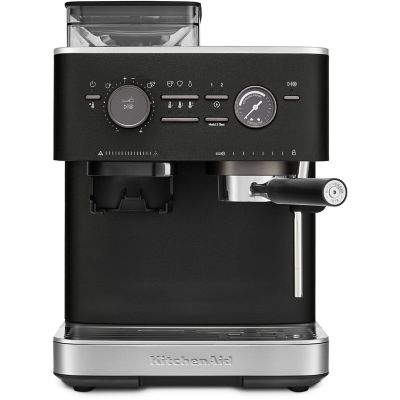
Electric coffee makers heat water and move it through ground coffee to make anything from a single mug to a full pot for the breakfast table. The main styles include drip coffee makers, single-serve brewers, electric percolators, and espresso machines, with each suited to a different coffee routine. Drip machines send heated water over grounds held in a filter basket, then collect the coffee in a carafe below. They make sense for households where several people pour a cup before heading out to feed livestock, drive to work, or tackle the day’s chores. Single-serve coffee makers prepare one serving at a time, using compatible pods, ground coffee, or either option, depending on the design. That can be handy when one person wants regular coffee and another prefers decaf, or when a full pot would leave too much behind. Electric percolators circulate heated water through a basket of grounds during brewing, producing the bold flavor many people associate with coffee around a family table. Espresso machines work differently, pushing water through finely ground coffee under pressure to produce a concentrated serving for espresso, lattes, and similar drinks. Models with milk-frothing equipment bring another preparation and cleaning step into the routine. For a straightforward daily pot, a drip brewer keeps things familiar; for someone who enjoys measuring, grinding, and steaming milk, a specialty machine offers more hands-on preparation. Programmable brewing, adjustable serving sizes, and strength settings can help match the machine to the household, but the grounds and coffee-to-water ratio still have a big say in the finished cup. A stronger setting may change how water passes through the grounds rather than simply making the water hotter. The best match is a brewer that fits how much coffee gets poured, how people like it prepared, and how much attention they want to give the process. A quiet kitchen for one and a busy break room serving several people call for different capacities, even when both depend on that first cup to get things moving.
Capacity, countertop space, and carafe construction deserve a close look when comparing electric coffee makers. A brewer’s listed cup count often refers to servings smaller than a full-size coffee mug, so check its stated fluid-ounce capacity against the mugs in the cupboard. A travel mug can hold considerably more than one listed serving. For single-serve machines, clearance beneath the brew outlet matters just as much as reservoir size, especially when the daily cup is a tall insulated tumbler headed for the truck. A removable drip tray may provide extra room, but dimensions still need to line up. Measure the space above the machine, too: a lid that opens upward needs clearance for adding water and grounds, and steam should not collect against the underside of a cabinet. Front-access controls and removable reservoirs can make a tight counter easier to manage. Glass carafes let coffee drinkers see how much remains and commonly pair with a warming plate. Insulated stainless steel carafes help hold heat without keeping the brewed coffee on a heated surface, making them useful when people pour at different times. Neither construction is automatically the right answer for every kitchen. Glass needs protection from knocks and sudden temperature changes, while an opaque carafe makes the remaining amount harder to judge at a glance. Handles, lids, hinges, and the way a carafe pours all affect everyday handling. A comfortable grip and a spout that pours cleanly matter when filling mugs across the breakfast table. Removable filter baskets and clearly marked water levels simplify regular preparation. Paper filters offer straightforward grounds disposal, while reusable filters need rinsing and can allow more fine particles into the cup. Controls should be easy to read, with settings that make sense without repeated trips to the manual. Automatic shutoff, a clear brewing indicator, and a reservoir that is easy to fill are practical features for a household where several people share coffee-making duties. Wattage describes electrical demand, not a promise of better flavor, and brewing speed depends on the machine’s design and serving size.
Routine care helps keep an electric coffee maker brewing well and prevents yesterday’s coffee oils from following along into the next pot. Removable baskets, carafes, lids, and drip trays need regular washing according to the manufacturer’s directions, with dishwasher cleaning reserved for parts specifically marked for it. Grounds left sitting in a damp basket can develop unpleasant odors, and residue around a carafe lid or pouring spout is easy to overlook. A quick rinse alone may not remove that buildup. Mineral deposits inside the water path are another concern, particularly in homes with hard water. Descaling at the recommended interval helps address those deposits; the proper solution and procedure depend on the brewer, so a household cleaning mixture is not automatically suitable. Water filters also need replacement on the schedule specified for the machine. Fresh, cold drinking water is generally the starting point for filling a reservoir, subject to the appliance directions. In a kitchen or workroom with a plumbed sink,
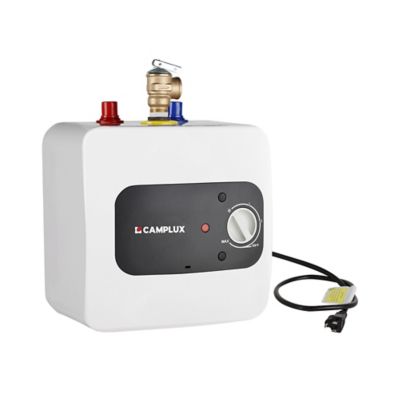
Small Electric Hot Water Heaters serve the separate job of supplying hot water for washing and cleanup; most countertop coffee makers heat their own brewing water rather than drawing from a hot-water line. Keep the brewer on a level, dry surface away from sink splashes, and unplug it before cleaning the appliance body. The electrical base should never be submerged. Replacement-carafe compatibility, access to filters, and the ability to reach everyday cleaning points are worth considering for long-term ownership. For a shared workspace, simple controls and a clearly visible power indicator can help everyone follow the same routine. For a gift, household habits are a better starting point than a long list of features. A compact single-serve brewer may suit someone setting up a first kitchen, while a larger drip machine may fit a couple who regularly has family over for breakfast. Someone who takes a mug along for chores may appreciate travel-mug clearance more than extra drink settings. Matching the brewing style, serving capacity, and cleanup demands to the person makes a coffee maker feel at home on the counter.