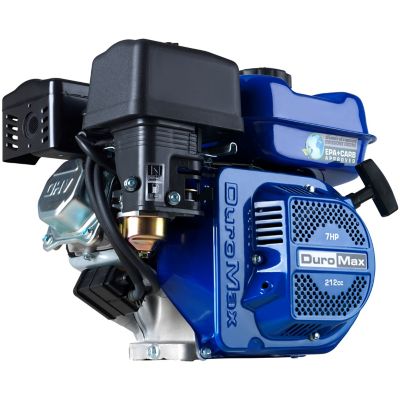
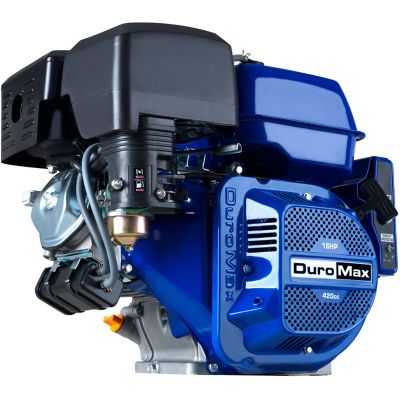
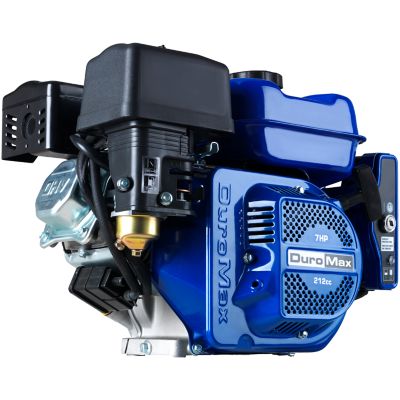
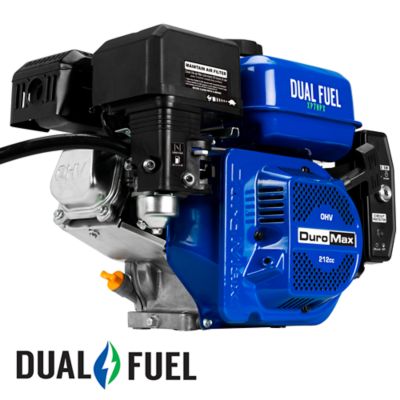
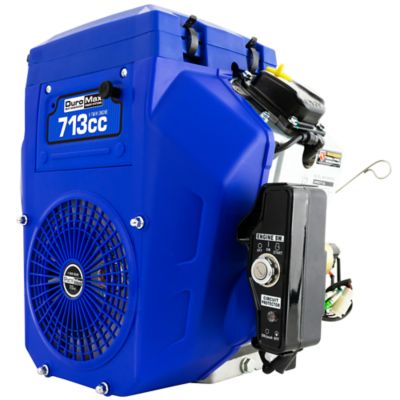
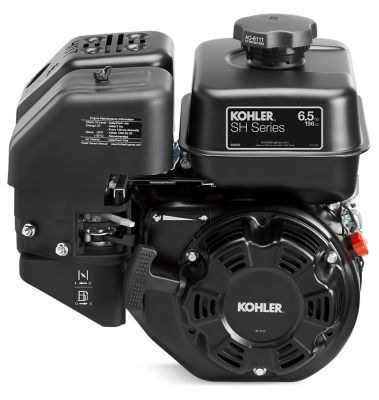
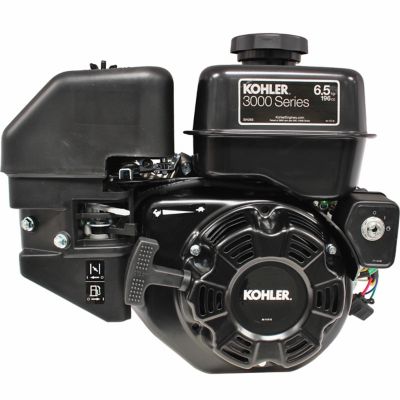
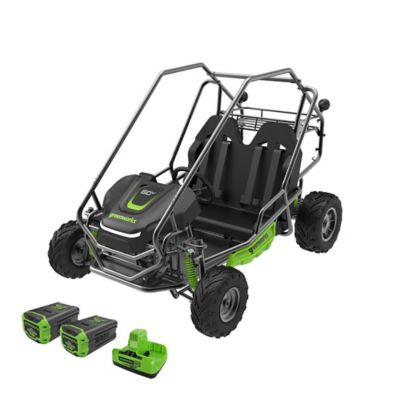
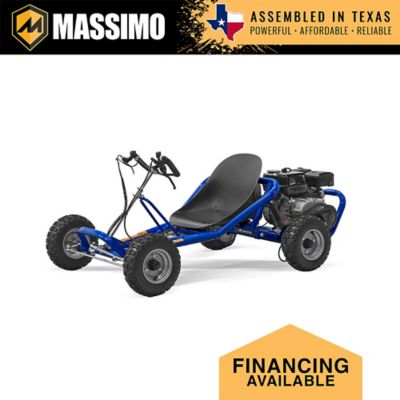
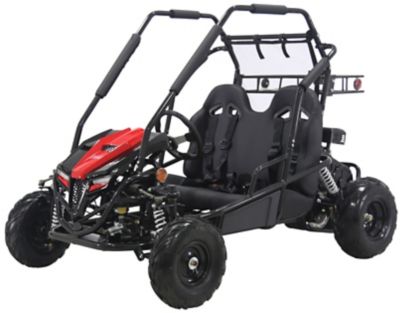
Engines for go karts turn a bare frame and a set of tires into something ready for a run around a suitable private-property track. Most recreational gasoline go-kart engines have a horizontal output shaft that transfers power to the rear axle through a clutch or torque converter and a chain-driven drivetrain. Electric go-kart systems take a different approach, pairing a motor with a compatible battery pack, controller, throttle and wiring. Gasoline engines offer the familiar feel of a pull-start motor and the ability to refuel between rides, while electric motors deliver strong low-speed response and quieter operation without gasoline exhaust at the kart. Neither setup is a straight swap for the other without checking the entire vehicle. Electric systems may support reverse when the motor, controller and drivetrain are designed for it; reverse is not a feature of every electric motor. For gasoline setups, four-stroke engines are common on recreational karts, while some racing applications call for two-stroke engines built around particular track rules and performance needs. Engine displacement, measured in cubic centimeters, describes cylinder volume rather than a guaranteed horsepower figure or top speed. Torque, operating speed, gearing, tire size, rider weight and the kart’s overall design all affect how it moves. A kart carrying a larger rider on a permitted dirt course has different demands than a lightweight machine running on a smooth, level track. Enough low-speed pulling power can matter more than a bigger horsepower number, especially when getting moving from a stop. More power also places greater demands on brakes, steering, tires and drivetrain parts, so an engine belongs within the vehicle manufacturer’s limits. For backyard tinkerers, families maintaining a recreational kart and riders replacing a worn-out powerplant, the useful starting point is the kart itself: its intended riding surface, approved rider size and existing mechanical layout. That keeps the focus on a well-matched setup rather than an engine that merely looks like it will fit.
Fit involves much more than finding room between the frame rails. A replacement go-kart engine needs mounting holes that line up with the engine plate, enough clearance around the fuel tank and exhaust, and an output shaft that matches the drive components. Shaft diameter, usable shaft length, keyway dimensions, retaining hardware and rotation direction all matter. Rotation specifications should be compared from the same viewing position, since the apparent direction changes depending on which end of the engine is being viewed. A horizontal-shaft engine and a vertical-shaft engine are not interchangeable just because their horsepower ratings are close. The clutch or torque converter also needs to suit the shaft, engine speed range and load; the chain and sprockets must line up without forcing the drivetrain out of position. On a cramped frame, even a starter housing or air cleaner can affect access to mounting bolts and routine service points. Electric installations have their own fit requirements, including secure battery placement, protected cable routing and electrical components rated to work together. Battery voltage alone does not establish compatibility, and a motor’s peak output is not the same as its continuous rating. For either power source, space for guards and shielding belongs in the fit check, not at the end of the project. Materials and construction matter here, too. Aluminum engine housings help manage weight, steel shafts carry drivetrain loads, and some gasoline engines have cast-iron cylinder sleeves designed to handle repeated operation. Cooling fins and air passages need open space to do their job. A stout engine mount helps keep vibration from working through the frame, while accessible oil fills, drains and air filters make upkeep less of a chore. These details are especially noticeable when a kart gets regular attention on a garage bench: an oil drain tucked against a frame tube or an air cleaner blocked by a seat can turn a small maintenance job into an afternoon of taking things apart.
Long service life comes from matching the engine to the work and keeping up with the maintenance its manufacturer calls for. Gasoline engines depend on the specified oil, clean intake air and proper fuel handling. Dust from an unpaved riding area can load an air filter faster than riding on a clean paved surface, making filter condition particularly important for karts that spend their time on dirt. Oil levels, spark plugs, fuel lines and fasteners all deserve regular attention, along with the clutch, chain and guards around the engine. A loose mount or worn drivetrain part can create trouble even when the engine itself runs smoothly. Electric motors do not need gasoline-engine oil changes, but their battery connections, wiring, cooling arrangements and mounting hardware still need care. Charging equipment must match the battery chemistry and voltage, and battery handling should follow the maker’s directions. For either setup, maintenance and adjustments belong with the power off and the drivetrain secured against unexpected movement. Gasoline engines must operate outdoors, never in a garage or other enclosed space, even with doors open. Refueling belongs with the engine stopped and cool, away from ignition sources. Hot exhaust surfaces, moving chains and rotating shafts also need proper clearance and guards, especially on karts intended for younger riders. Adult supervision, a properly fitted helmet and riding within the kart’s limits remain important parts of the picture. Looking at complete vehicles through
Best Go Karts can help put engine size and layout in context with seating, frame design and intended riding use. Whether the project is getting a family kart running again or choosing a replacement for a well-kept machine, a compatible engine supports the whole vehicle. Matching the mounting pattern, drivetrain, controls and service needs is what helps turn time in the shop into more time behind the wheel.