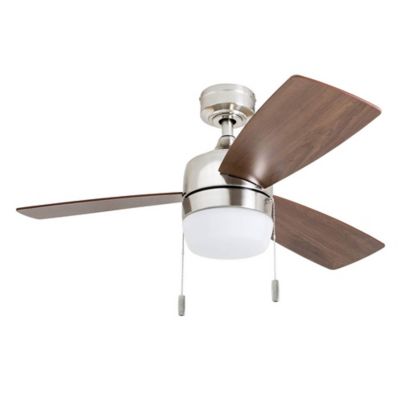
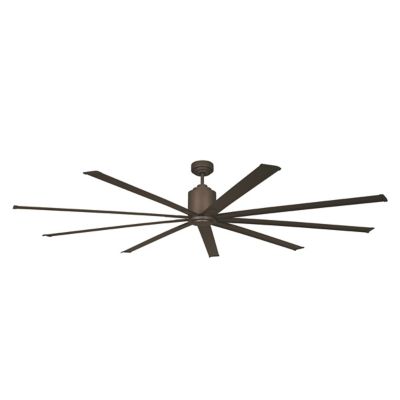
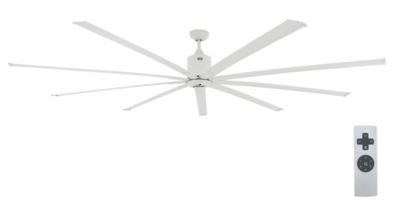
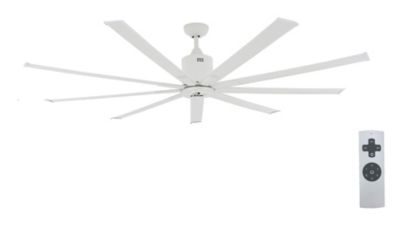
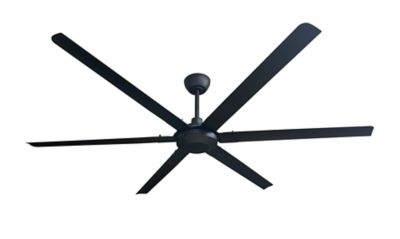
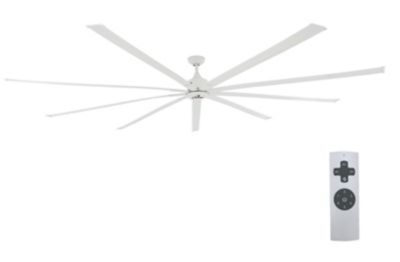
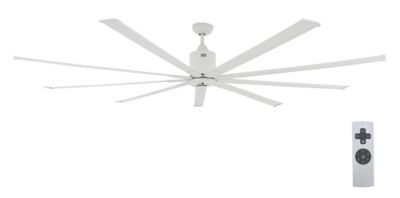
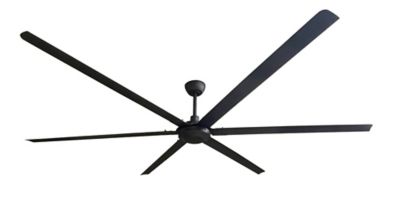
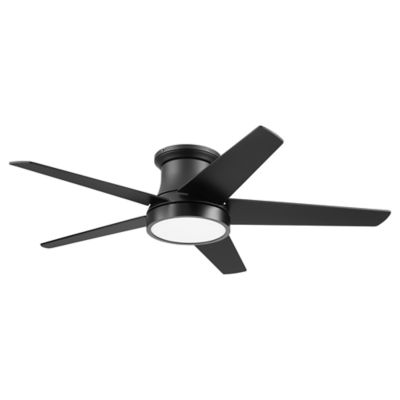
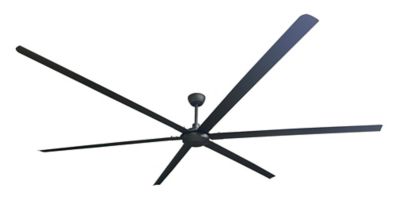
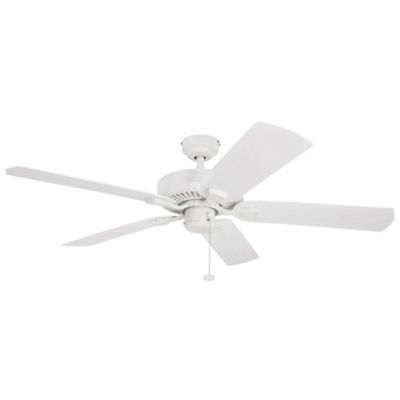
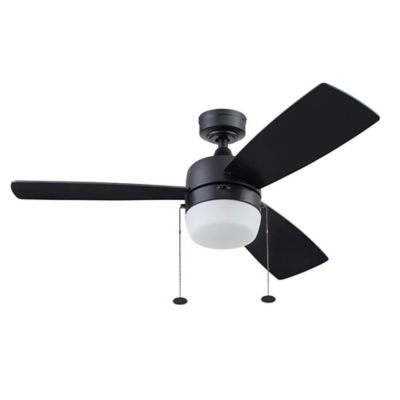
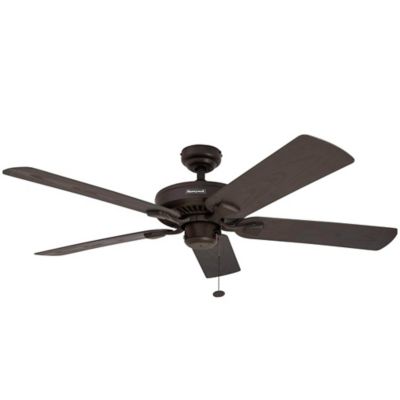
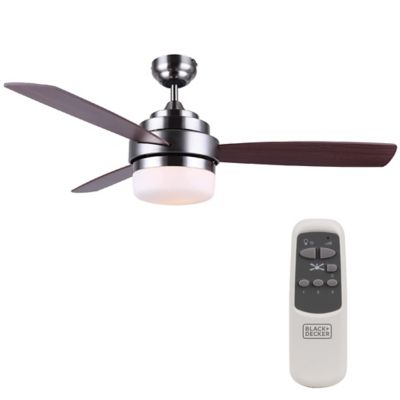
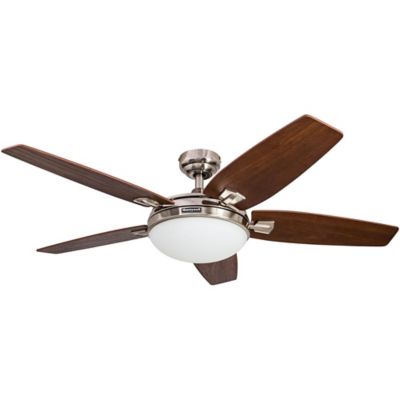
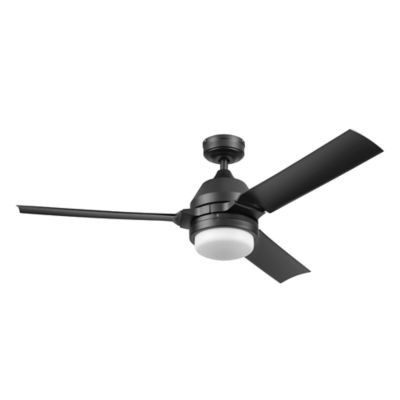
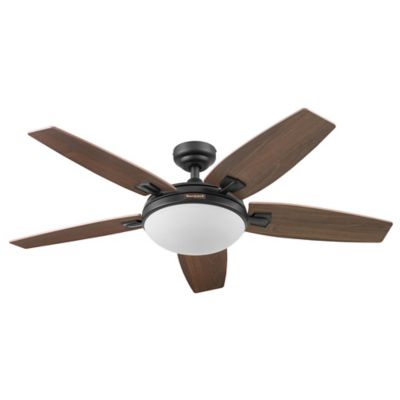
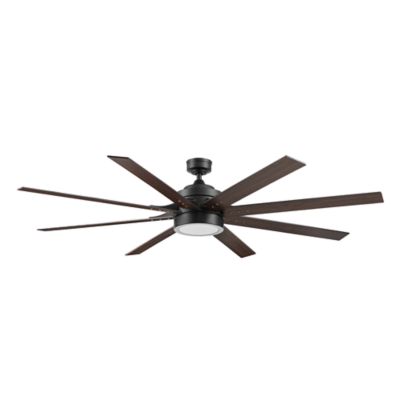
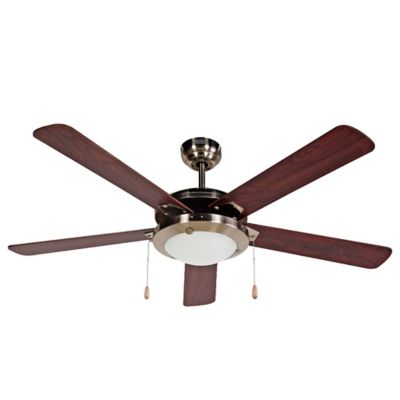
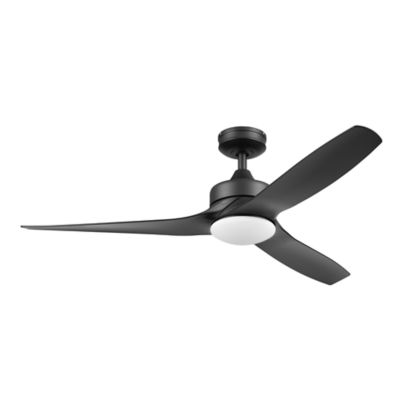
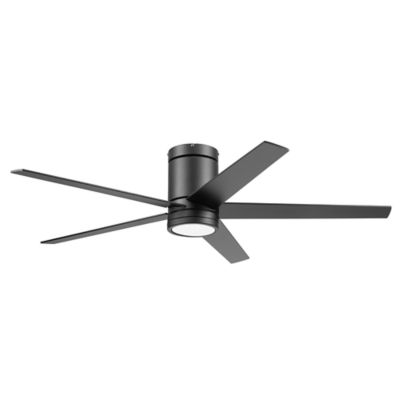
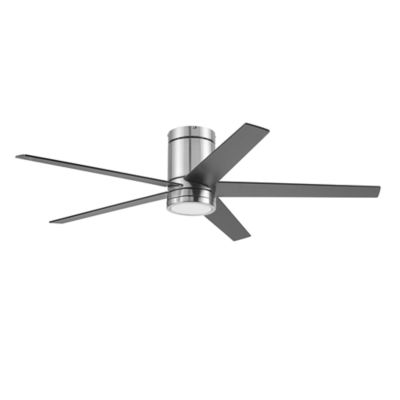
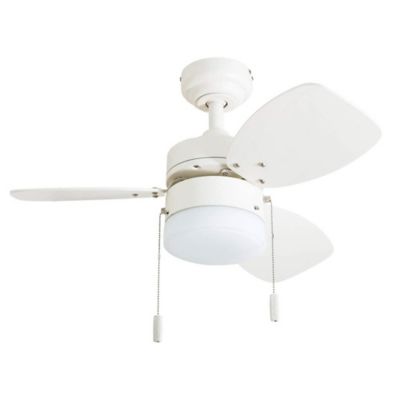
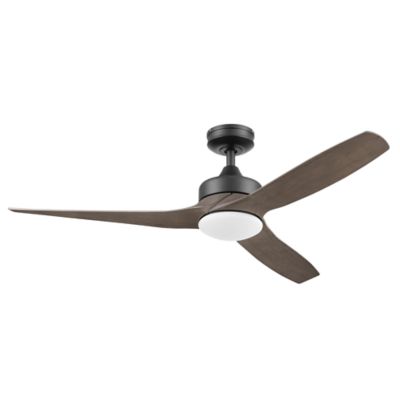
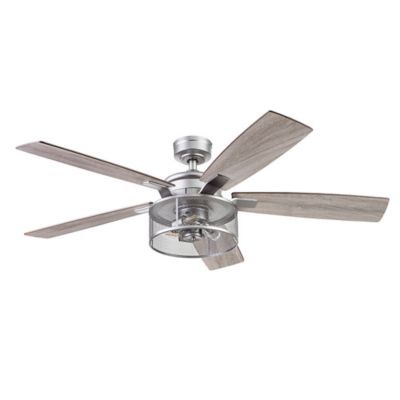
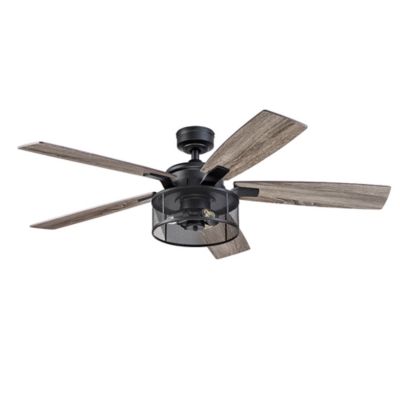
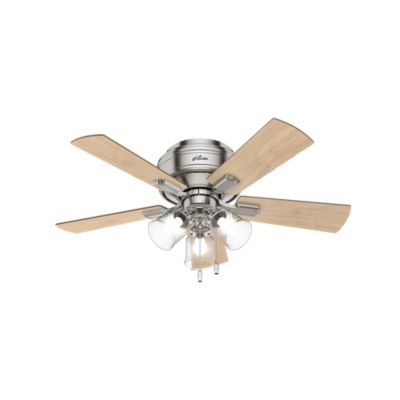
Ceiling fans for summer cooling keep air moving over people, helping perspiration evaporate so a room feels more comfortable without lowering the air temperature itself. That steady breeze can make a difference over a farmhouse dining table, across a living room where the family gathers after chores, or above a covered porch with a pair of rocking chairs. For summer airflow, most ceiling fans turn counterclockwise when viewed from below, pushing a breeze down toward the floor; the manufacturer’s direction settings should confirm the correct rotation. Higher speeds provide a stronger breeze, while lower settings can feel better over a supper table or beside a bed. A ceiling fan works alongside air conditioning rather than replacing its ability to lower temperature and remove moisture. Because its cooling benefit comes mainly from air moving across skin, there is generally little reason to leave it running in an empty room. Matching the fan to the space matters more than simply choosing the widest blades. Blade span, ceiling height, room shape, and airflow all play a part in how that breeze reaches the people below. Compact rooms often call for a smaller span, while broad living areas and roomy covered porches may need larger fans or more than one fan positioned over separate gathering spots. Airflow ratings, expressed in cubic feet per minute, give shoppers another useful comparison alongside the manufacturer’s recommended room size. Those ratings are most helpful when compared at similar speed settings, since a fan’s strongest setting may feel quite different from its everyday setting. Blade count alone does not tell the whole story: blade pitch, motor design, and overall span also influence air movement. For a long room with a seating area at one end and a dining table at the other, coverage over both activity areas can matter more than a strong breeze in the middle. Simple housings, wood-look blades, and metal finishes offer plenty of ways to match existing trim, furniture, and light fixtures without making the fan the room’s main attraction.
A ceiling fan’s mounting style and location rating are just as important as its appearance. Low-profile or flush-mount designs sit close to the ceiling and can suit rooms where overhead clearance is limited, while downrod mounts bring the blades closer to the occupied area beneath a taller ceiling. Sloped ceilings may call for a compatible angled mounting system, and the allowable slope varies by model. Fan blades generally need at least seven feet of clearance above the floor, with eight to nine feet often providing better airflow where the ceiling allows; the installation instructions and local requirements determine the proper placement. Clearance from walls, beams, cabinet doors, and other obstacles also deserves attention, especially in older homes with exposed framing or rooms with lofts. The mounting point needs a ceiling box and structural support rated for a fan, not merely a light fixture. Indoors, a dry-rated fan belongs in a location protected from dampness. A covered porch or sheltered breezeway calls for a fan with a suitable damp-location rating, while a location exposed to rain requires a wet-location rating and installation approved for that exposure. A roof overhead does not automatically keep windblown rain away from the motor and blades. Materials help determine how well a fan holds up in its intended setting. Wood and wood-composite blades can bring a warm look indoors, while moisture-resistant composite blades and protected metal components may suit outdoor-rated designs. Material alone does not establish the rating, so the complete fan’s listed application matters more than a blade’s appearance. Protective finishes, sound mounting hardware, and blades that resist sagging help support long service. On a porch facing open pasture, dust and pollen may settle more quickly than in a bedroom, making smooth, easy-to-wipe surfaces especially practical. Even an outdoor-rated ceiling fan belongs only in the conditions its manufacturer permits; an open equipment shed or dusty livestock area may require equipment specifically intended for that environment.
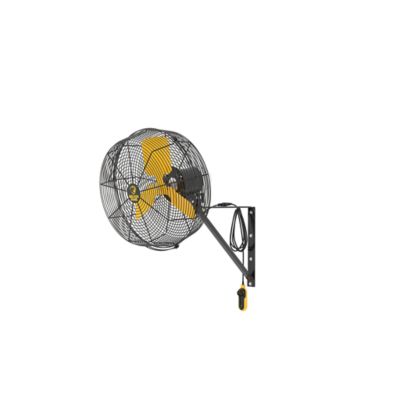
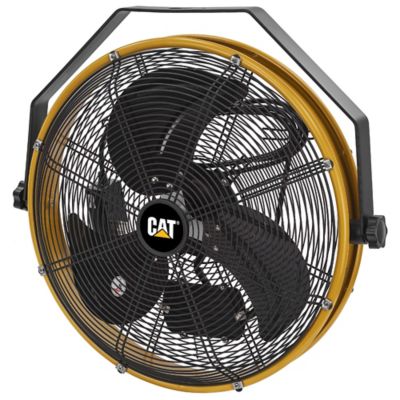
Everyday comfort also depends on how a ceiling fan sounds, how it is controlled, and whether it needs to share the job of overhead lighting. A quiet motor and steady operation matter in a bedroom, reading corner, or family room where conversation should not compete with a hum or rattle. Some direct-current motors offer a broad range of speeds and lower electricity consumption, though airflow and power ratings provide a clearer comparison than motor type alone. Pull chains keep operation straightforward when they are within reach, wall controls put adjustments near the doorway, and remote controls make sense above a high ceiling or across a large room. Control compatibility deserves a close look, since an ordinary light dimmer is not a substitute for a fan speed control. Fans with lights can handle two jobs from one ceiling location, whether the space needs bright light for sorting laundry or softer light over an evening card game. Light output, dimming compatibility, and the choice between replaceable bulbs and an integrated light source all affect day-to-day convenience. A fan without a light can be a good fit where ceiling fixtures, lamps, or porch lights already provide enough illumination. For narrow spaces or spots without a suitable overhead mounting point,
Wall Mounted Fans for Space Saving Cooling offer another way to bring a breeze to an occupied area while keeping the floor clear. With any ceiling fan, routine care helps preserve smooth operation: power should be off before cleaning, and blades need gentle wiping with the method recommended for their material. Dust buildup can affect balance, while wobbling or new noises can signal loose hardware, an installation issue, or a need for service. A properly matched fan brings together the right reach, mounting arrangement, location rating, and controls, making summer afternoons at home or evenings on the porch a little more comfortable without taking up floor space.