Ceiling Fans For Basements
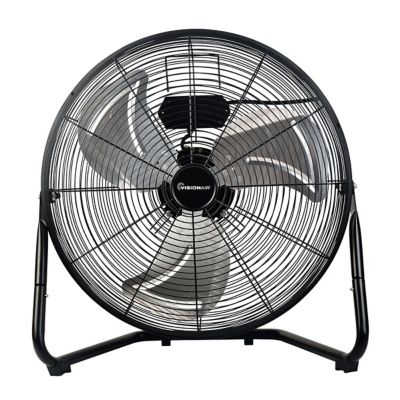
Ceiling Fans for Basements can make all the difference when it comes to keeping your space comfortable and inviting. Whether you’re working on projects, storing supplies, or just looking for a spot to cool off after a long day, the right ceiling fan helps keep air moving and fresh. From simple setups to more finished spaces, there’s a fan to fit every basement style and need. Take a look at options that’ll help you enjoy your basement year-round.
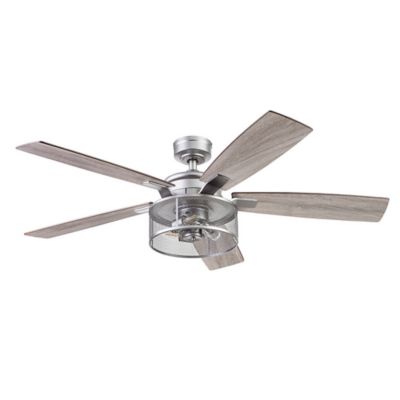
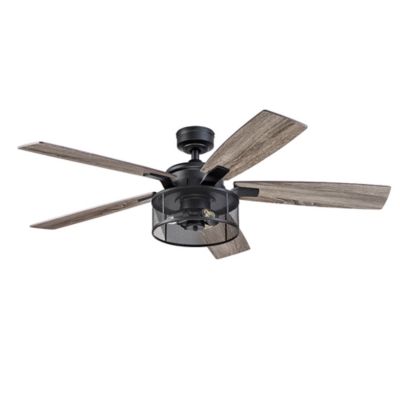
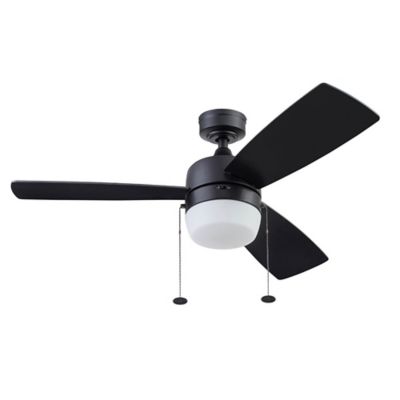
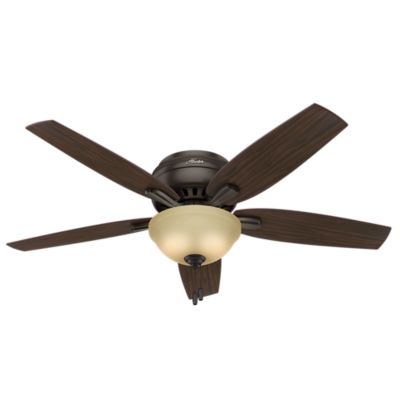
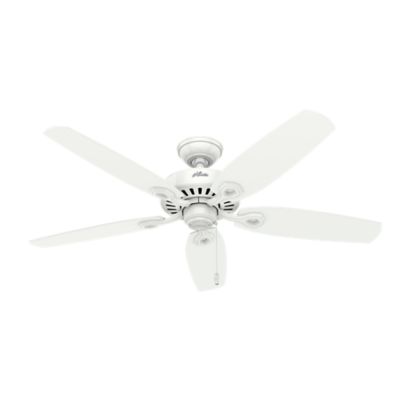
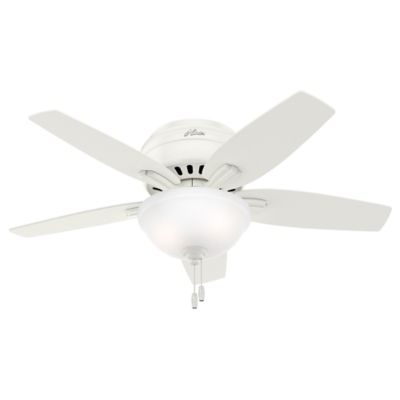
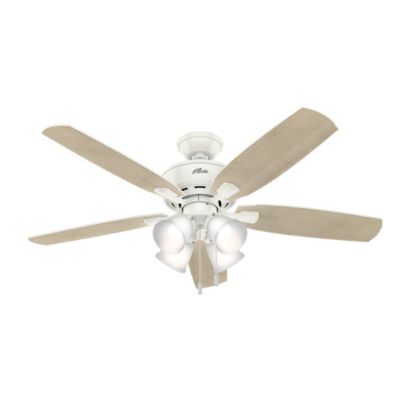
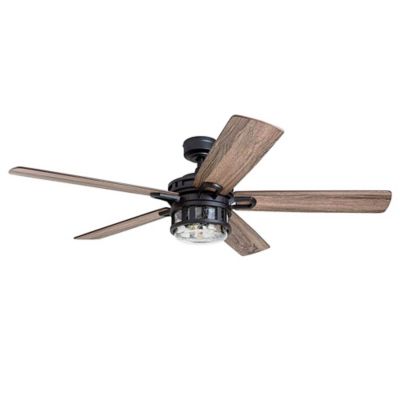
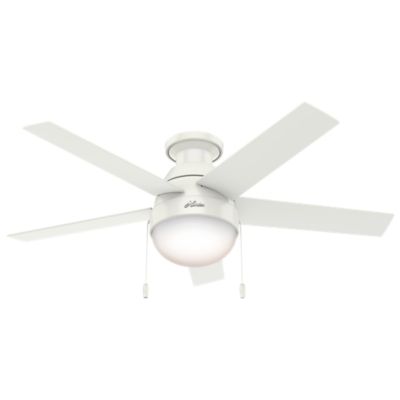
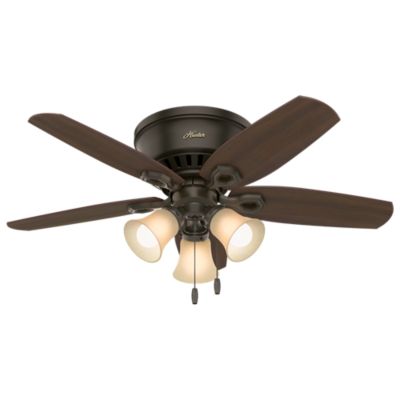
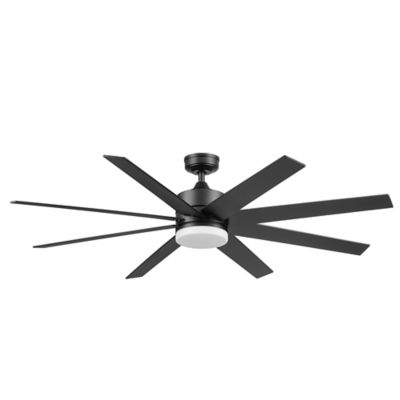
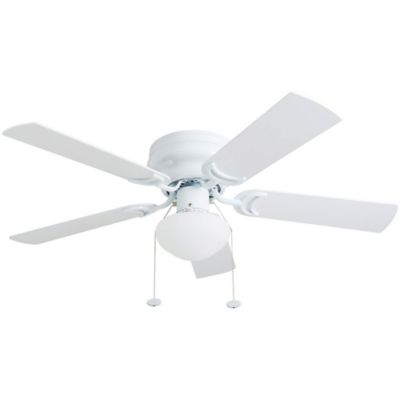
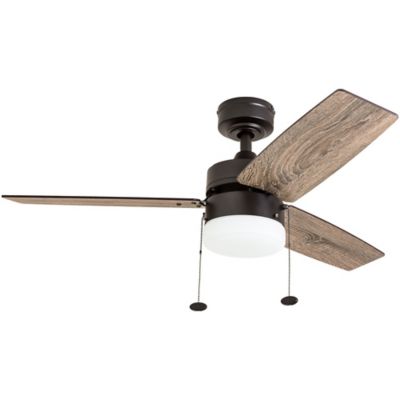
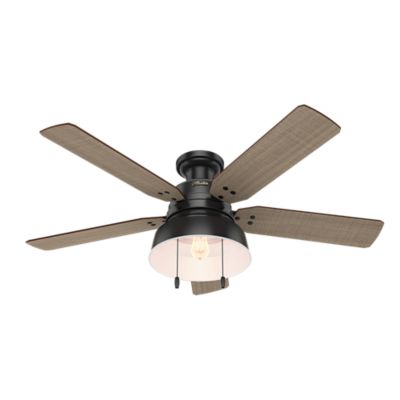
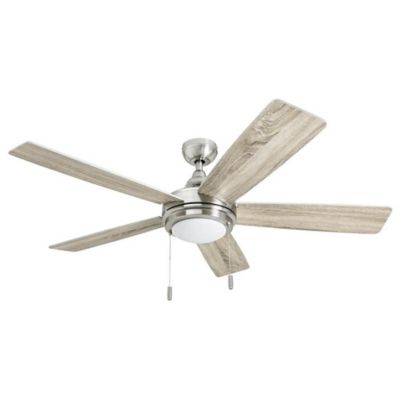
Best Of FAQ
What features should I look for in a ceiling fan for my basement?
When choosing a ceiling fan for your basement, consider features like multiple speed settings, reversible motor for seasonal use, energy efficiency, and quiet operation. Damp-rated fans are also ideal if your basement has higher humidity levels.
Are there specific styles of ceiling fans that work well in basements?
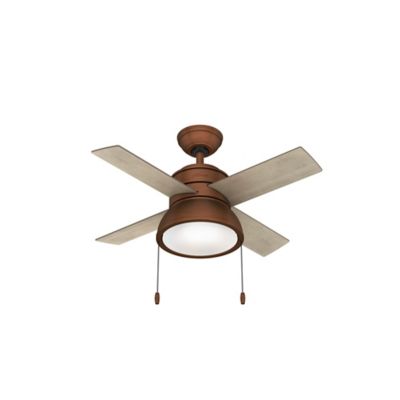
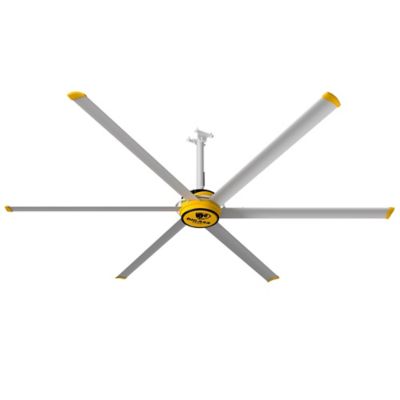
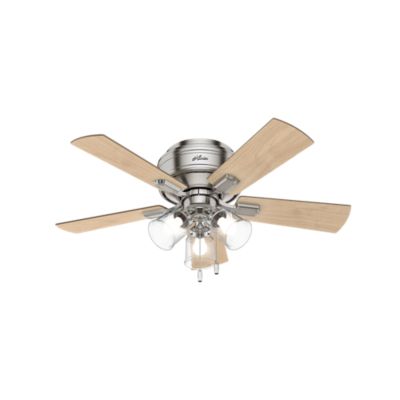
Yes, many homeowners prefer low-profile or flush-mount ceiling fans for basements with lower ceilings. Additionally, modern and industrial designs can complement the typical basement décor.
Can I install a ceiling fan in a finished or unfinished basement?
Ceiling fans can be installed in both finished and unfinished basements. For unfinished spaces, choose a fan with durable materials and finishes that can withstand varying conditions.
Do ceiling fans help with air circulation in basements?
Absolutely! Ceiling fans are excellent for improving air circulation in basements, helping to reduce stuffiness and distribute both warm and cool air more evenly throughout the space.
Are there ceiling fans with integrated lighting suitable for basements?
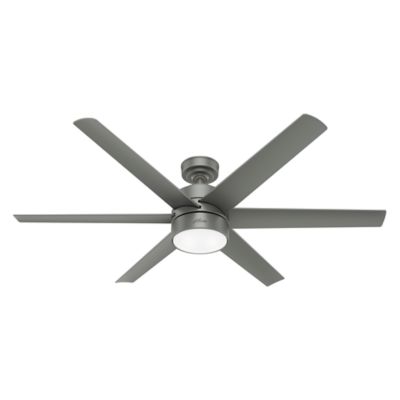
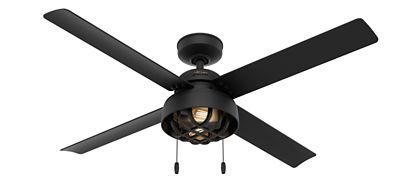
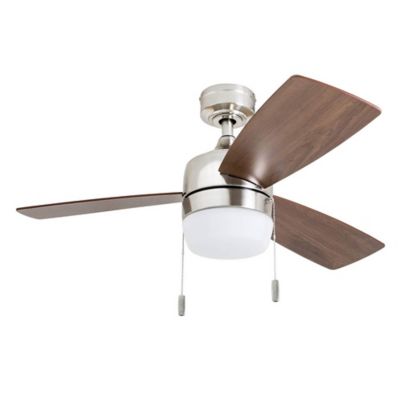
Many ceiling fans come with built-in light kits or offer them as optional add-ons. These are especially useful in basements where additional lighting may be needed.
Best Sellers
-
"The fan works great, and it was a bargain. I'm very happy with it"
-
"This fan was easy for my handyman to install, works and looks great in my bathroom"
-
"We absolutely love our fan, one of the best residential fans bar none"
-
"another room) will - depending on command - turn off the light/switch speed etc Overall, I still love"
-
"I love this fan! I used the universal receiver to mount this in my bedroom"