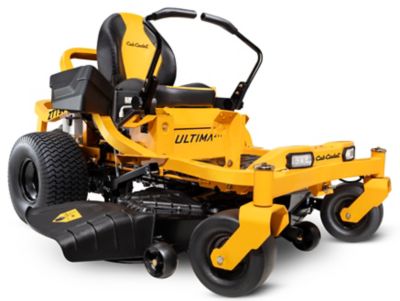
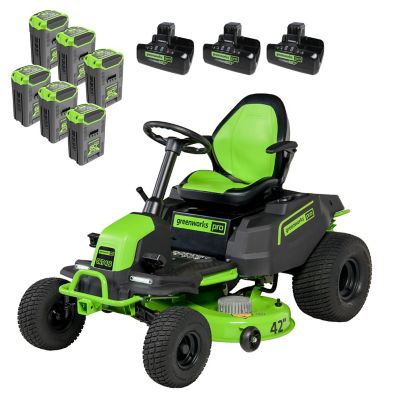
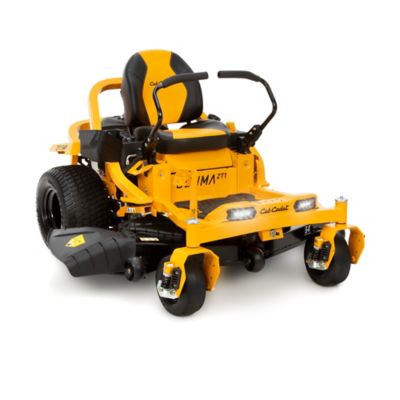
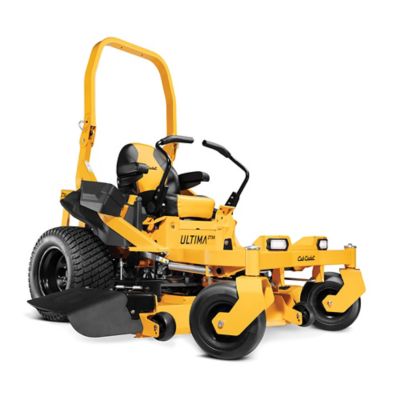
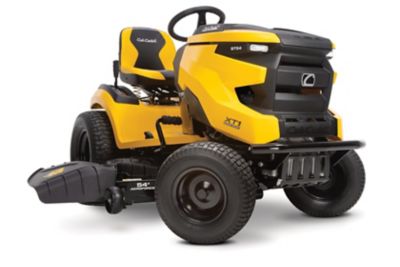
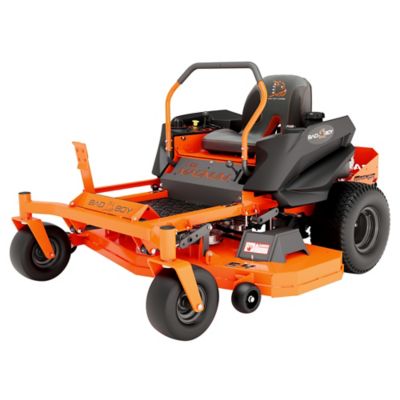
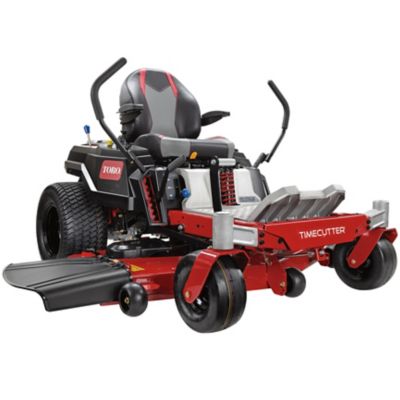
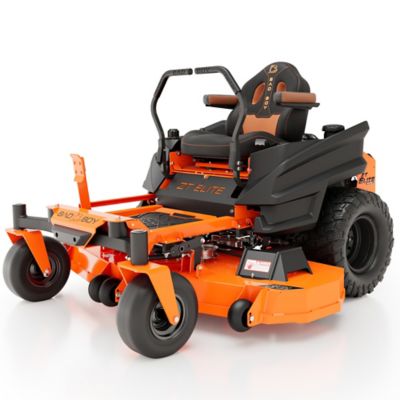
Electric blade engagement is a mower feature that lets the operator turn the cutting blades on and off with a switch rather than a manual engagement lever. On many riding lawn mowers and zero-turn mowers, that switch controls an electromagnetic power takeoff clutch, commonly called an electric PTO clutch. When the mower’s safety conditions are met, switching the blades on sends electrical power to a coil inside the clutch. The coil creates a magnetic field that draws friction surfaces together, transferring engine power through a pulley and deck belt to the mower blades. Many systems operate on nominal 12-volt DC power, though the mower’s specifications determine the electrical requirements. Switching the blades off removes power from the coil, allowing the clutch to disengage; depending on the design, an integrated brake helps bring blade rotation to a stop. That straightforward control can come in handy when mowing a broad stretch beside the barn, moving between separate lawn areas, or stopping the cutting deck before crossing a gravel driveway. The feature controls blade operation, not the mower’s ground speed, and electric blade engagement does not mean the mower itself runs on battery power. A gas-powered riding mower can have an electric PTO clutch, while a battery-powered mower may operate its blades through a different electrical arrangement. For folks comparing
Lawn Mowers With Blade Engagement, the distinction matters: the blade control is one part of the machine, alongside its drive system, deck, steering, and discharge setup. Electric engagement offers convenient blade control from the operator’s position, but cutting results still depend on sharp blades, a level deck, suitable travel speed, and a mower matched to the ground. Homeowners with roomy yards, small-acreage owners, and property caretakers may appreciate having that control close at hand during routine mowing. A clearly marked switch and a comfortable seating position make the feature easier to work with over a long pass.
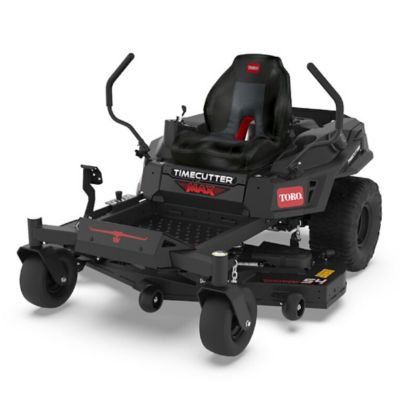
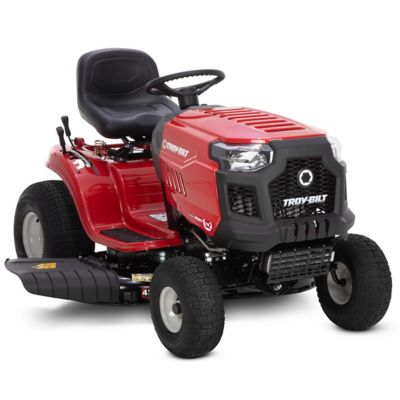
Mowers with electric blade engagement make the most sense when the rest of the machine fits the property and the operator. A wide deck can cover open lawn with fewer passes, but a narrower deck may fit better through gates and between trees, fence corners, and outbuildings. Deck width also affects storage space, trailer fit, and access to areas around the house. Steering layout and turning clearance deserve attention on ground dotted with garden beds or other obstacles, while the manufacturer’s slope limits remain important anywhere the land rolls or drops away. Electric engagement alone does not make a mower suitable for steep ground, rough pasture, or woody brush. Lawn-cutting equipment needs to stay within its intended job, even when there is plenty of engine power on tap. Deck construction is another practical consideration. Stamped steel and fabricated steel decks take different approaches to shaping and assembling the cutting housing; steel thickness, reinforcement, spindle support, and the overall design all contribute to how a deck stands up to regular work. A heavier-looking deck is not the only measure worth checking. Access to belt covers, service points, and blade hardware can make a real difference when routine upkeep comes around. The operator’s area matters just as much: seat adjustment, foot space, control reach, and visibility around the deck all shape the experience of mowing along a fence line or circling a shade tree. For properties with both broad stretches and tight spots, the best fit balances coverage with maneuverability rather than chasing deck size alone. Mulching, side discharge, and collection arrangements also affect where clippings go and how the lawn looks afterward, with compatibility depending on the mower and its approved attachments. Electric blade engagement adds convenience to those arrangements without replacing the need for a deck and discharge system suited to the work. For a household sharing mowing chores, easy-to-understand controls and a clear operator’s manual are worthwhile considerations, too.
For replacement electric PTO clutches and related engagement components, fit goes well beyond whether a part looks like the one beneath the mower. The mower’s model and serial number, along with the original part reference, provide the starting point for checking compatibility. Shaft or bore size, mounting arrangement, pulley diameter, belt groove profile, connector style, and electrical specifications can all affect whether a clutch belongs on a particular machine. Rotation requirements, torque capacity, and any anti-rotation bracket must also match the application. Similar-looking assemblies can have important differences, so a clutch should not be selected by appearance alone. These components typically bring together metal housings, friction surfaces, bearings, and an electrical coil, with each element handling a different part of power transfer. Bearing condition affects smooth rotation, friction surfaces handle engagement loads, and wiring connections carry the power that lets the clutch operate. Service life depends on correct installation and care of the surrounding belt drive as well as the clutch itself. A worn belt, dragging spindle, damaged connector, or poorly secured wire can affect operation even when the engagement switch feels normal. Likewise, blades that will not engage do not automatically point to a failed clutch: battery condition, charging performance, wiring, fuses, the switch, and safety interlocks may all be involved. Hearing a click is not enough to establish that the whole system is working properly. Diagnosis belongs with the mower’s service information or a qualified technician, and seat, brake, and other safety interlocks should never be bypassed. Routine care is more straightforward: keep accessible areas clear of packed grass as directed, inspect belts and wiring for visible wear, and follow the manufacturer’s maintenance schedule. Before checking beneath the deck or around the clutch, shut the mower down, remove the key, wait for all moving parts to stop, and follow the manual’s power-isolation instructions. Some clutch designs call for air-gap checks or adjustment, while others do not, making model-specific guidance essential. Whether choosing a mower or matching a replacement component, the goal is the same: convenient blade control supported by proper fit, sensible upkeep, and equipment suited to the property.