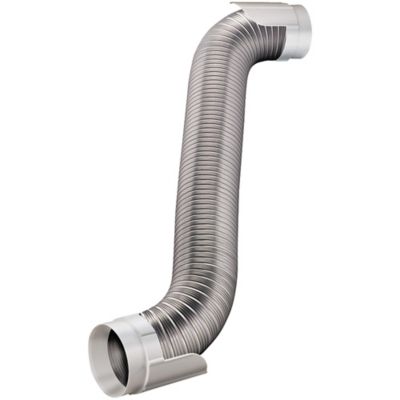
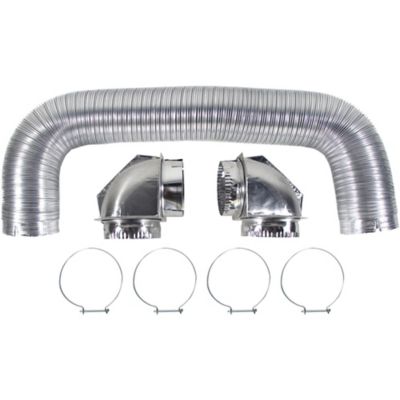
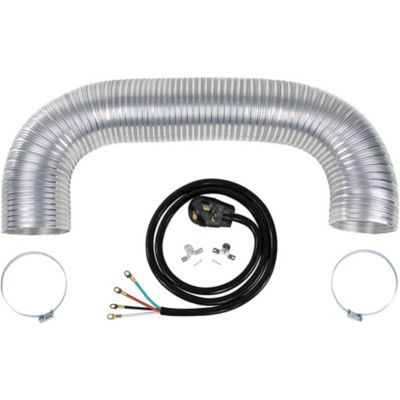
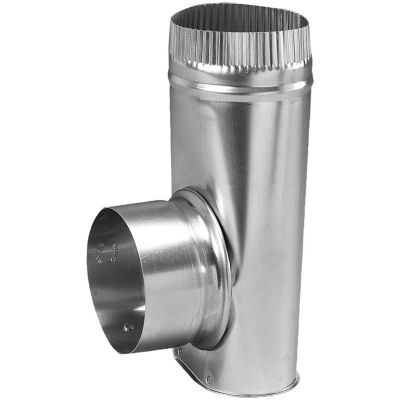
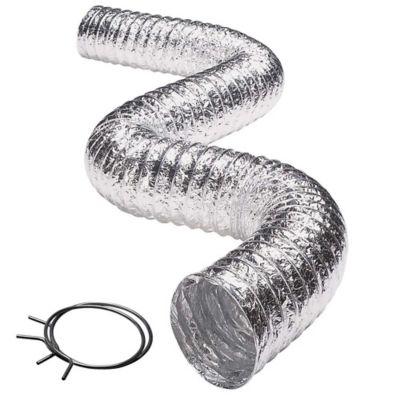
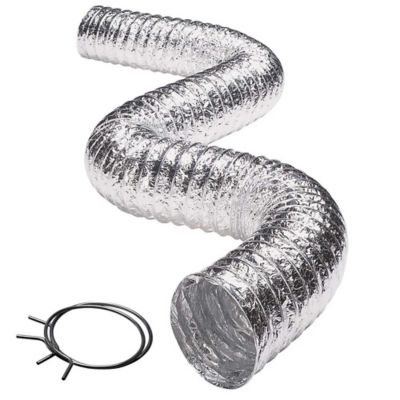
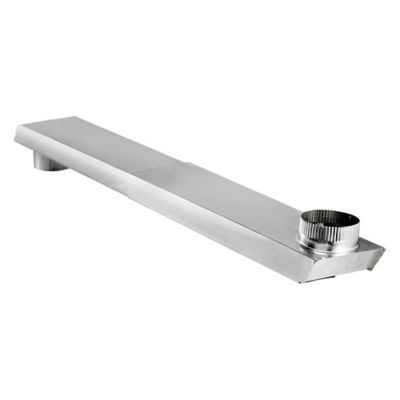
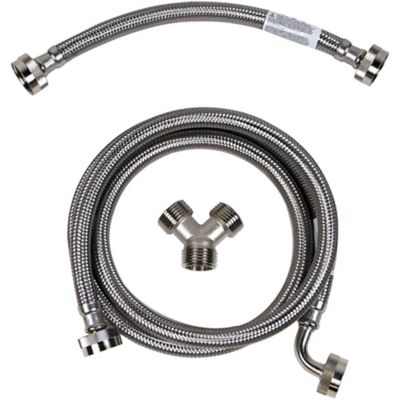
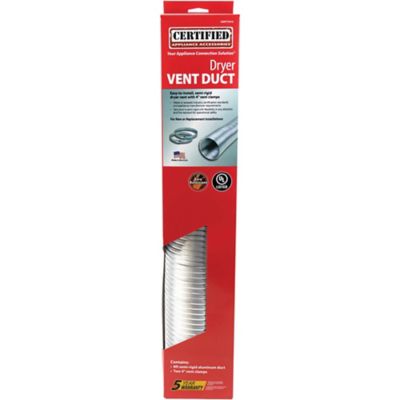
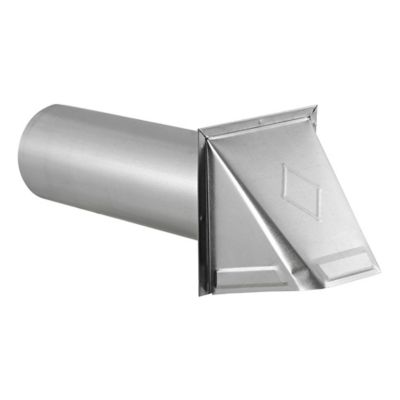
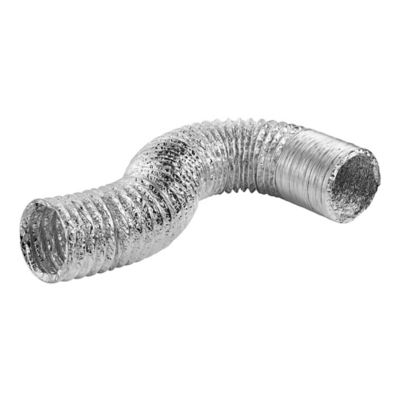
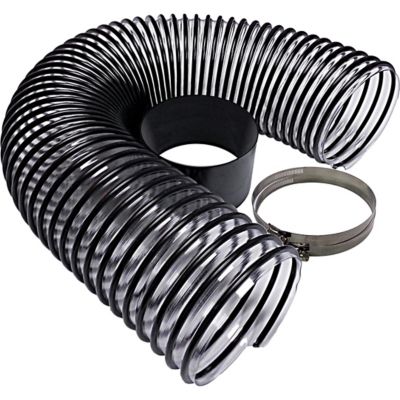
Dryer vent hose kits connect a clothes dryer’s exhaust outlet to the wall duct that carries exhaust air, moisture, and lint outdoors. A typical kit includes a flexible or semi-rigid metal transition hose and clamps, while some also include elbows, adapters, or wall connection fittings. Four inches is a common connection diameter for residential dryers, and hose lengths around 5 to 8 feet are common, though the appliance instructions determine what fits and what is permitted. These kits serve the short connection behind the appliance rather than replacing the entire exhaust duct running through a house. That distinction matters whether the laundry setup sits beside a farmhouse mudroom, in a utility closet, or along a garage wall. A dryer handling muddy chore clothes and a machine drying everyday towels both need a clear exhaust path without a crushed hose behind the cabinet. Kit selection starts with the dryer’s outlet size, the wall connection, and the space between them. Hose length alone does not tell the whole story: the position of each opening, the number of turns, and the room needed for clamps all affect the fit. A wall outlet directly behind the dryer calls for a different connection shape than one offset several inches to the side. Kit contents also vary, so a hose-and-clamp package should not be assumed to include an elbow or a wall plate. For homeowners replacing a flattened connection, setting up a replacement appliance, or finishing a laundry-room project, a matched set of compatible parts can simplify that small but important stretch of the exhaust system. The useful comparison is how well the components suit the actual layout, not how much extra hose fits in the box. A short, open connection with gentle turns generally gives exhaust less resistance than a long hose folded into loops behind the machine, provided the arrangement follows the dryer manufacturer’s requirements.
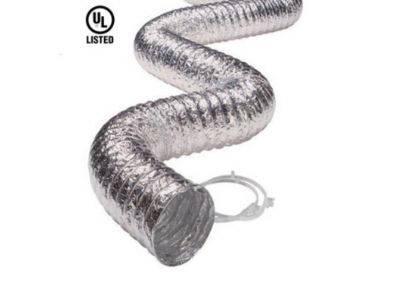
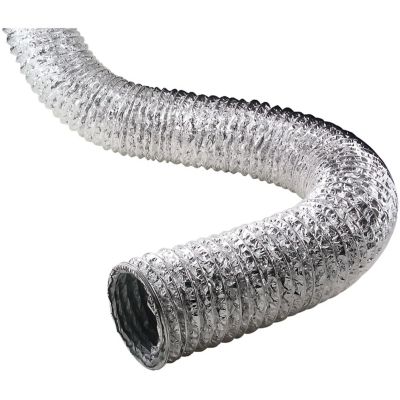
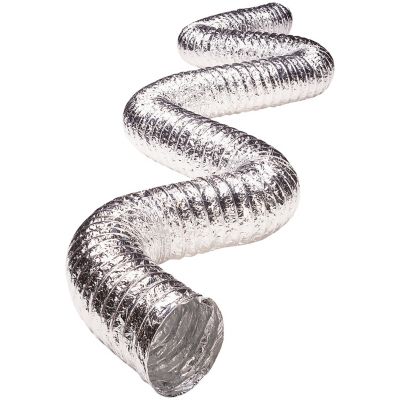
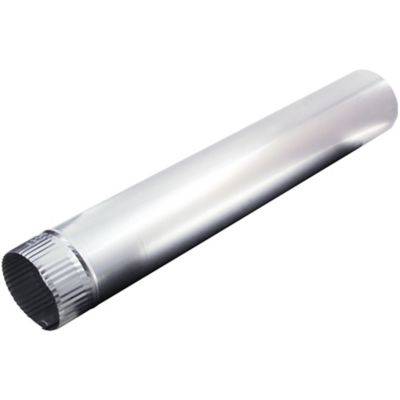
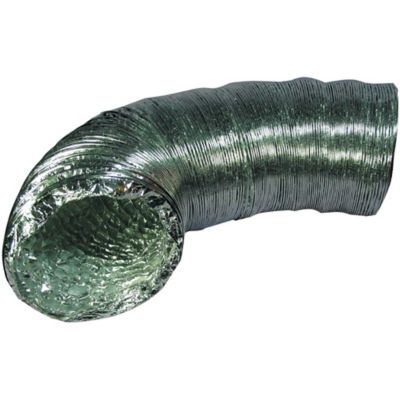
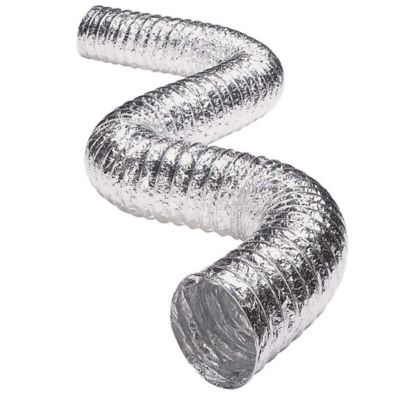
Materials make a noticeable difference in how dryer vent hose kits bend, hold their shape, and stand up to movement during appliance servicing. Semi-rigid aluminum duct has a formed metal body that can bend around modest offsets while holding its shape better than very soft foil-style duct. It still needs enough clearance to avoid flattening when the dryer moves back toward the wall. Flexible foil-style metal duct bends readily in limited space, but it belongs in a dryer connection only when the appliance manufacturer permits it and the duct carries the required listing for that application. UL 2158A is the standard associated with clothes dryer transition ducts; a listing for another type of ventilation does not make a hose suitable for dryer exhaust. Plastic or vinyl hose is not an appropriate substitute. Rigid metal duct is generally associated with the permanent exhaust run, while the transition connector is the accessible section between that run and the dryer. The distinction becomes especially important where a connection disappears into a wall or ceiling, since flexible transition hose should not be concealed there. Elbows and low-profile connectors can help manage the space behind an appliance, but their dimensions and compatibility matter just as much as the hose itself. A compact fitting may reduce rear clearance without solving an offset that points in the wrong direction. Likewise, an extra bend can affect the permitted exhaust layout, even when the connection looks tidy. Manufacturer vent-length limits account for the full system and its fittings, not just the straight distance to the wall. Clamp style, adjustment range, and access to the tightening mechanism are worth comparing in a narrow laundry space. Properly sized metal clamps help secure the hose without screws projecting into the airflow, where lint can catch. For stacked appliances, recessed laundry closets, and manufactured homes, the appliance instructions and applicable installation requirements may narrow the acceptable choices further. A kit needs to match those requirements rather than simply fit through the available gap.
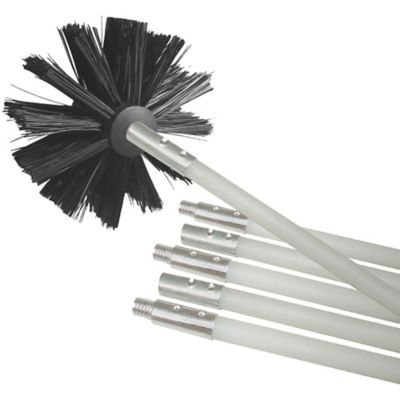
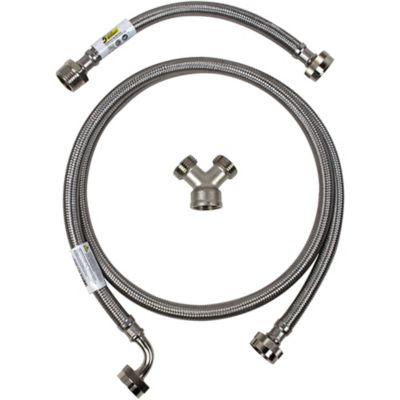
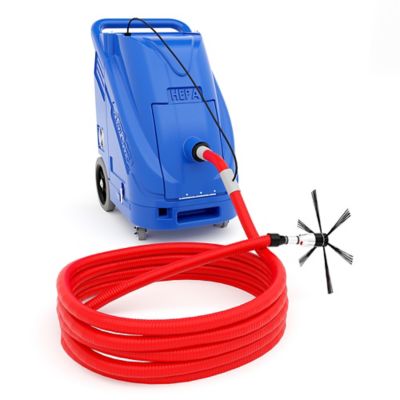
Care and access matter long after the dryer is back in place. Every load of jeans, bedding, and work shirts sheds some lint, and the lint screen does not catch all of it. A hose with deep sags, sharp bends, or a squeezed section gives that lint more places to settle and restrict airflow. Metal construction does not eliminate the need for inspection and cleaning, and even a correctly selected connector can be damaged when an appliance is pushed back too far. Enough working space to reach the clamps makes future service less of a wrestling match. Smoothly formed fittings, sound hose walls, and connections that stay seated help keep exhaust moving toward the outdoor termination instead of escaping into the laundry area. Tears, loose joints, and flattened sections are reasons to address the connection rather than leave it tucked out of sight. Long drying cycles, damp loads after a normal cycle, or lint collecting around a joint can point to an exhaust problem, although the restriction may be farther along the permanent duct. A fresh transition hose cannot clear a blocked wall duct or an obstructed exterior hood. Routine care therefore includes the whole exhaust path, with cleaning and service intervals based on the appliance instructions and actual laundry demands. Homes washing several loads of chore clothes a day may need attention more often than a lightly occupied household. Gas dryer exhaust must discharge outdoors, and an indoor lint-catching container is not a substitute for an outdoor exhaust system. Electrical or gas connections also need protection whenever the appliance moves for service. For the water-handling side of a laundry-room project,
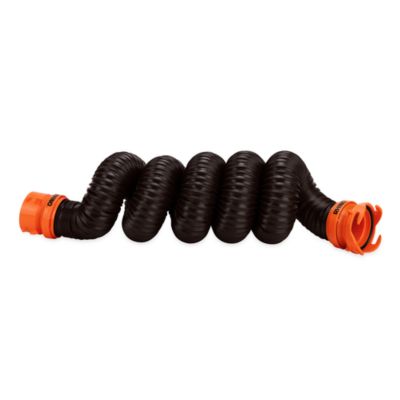
Flexible Drain Hoses address drainage rather than dryer exhaust, so the two hose types are not interchangeable. Keeping each connection suited to its job helps the laundry space work as intended. A well-matched dryer vent hose kit brings together the proper material, connection size, fittings, and manageable length, with room left to inspect and maintain the setup.