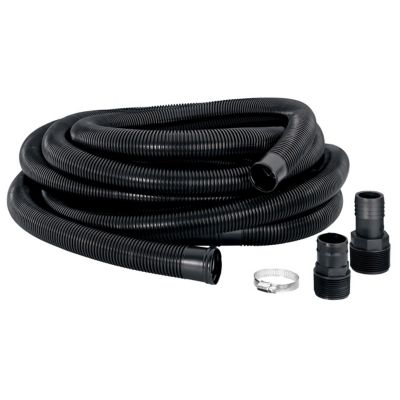
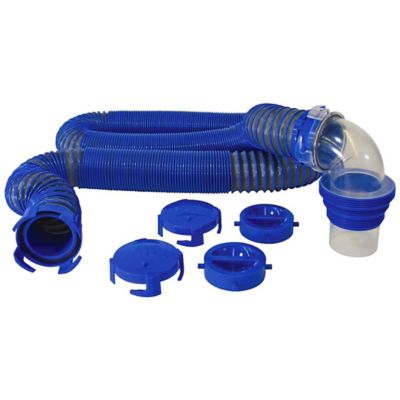
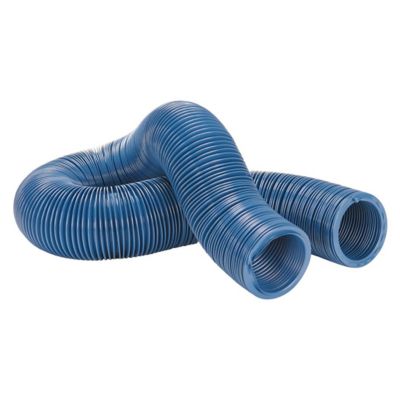
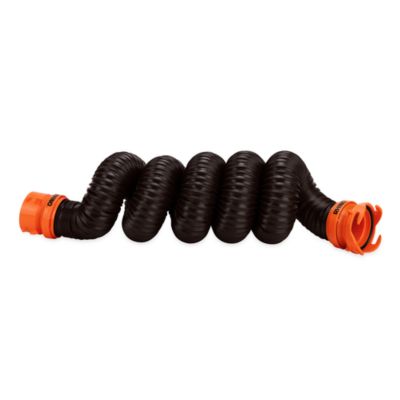
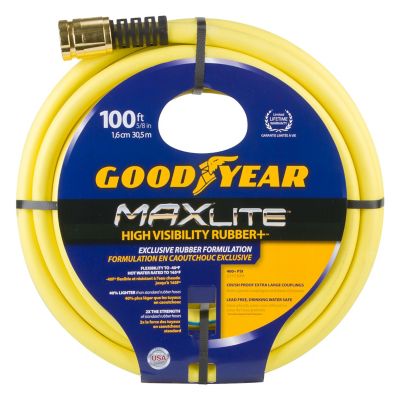
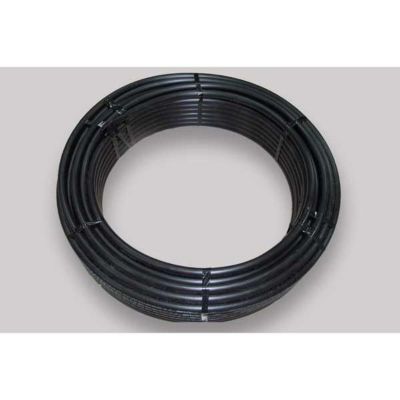
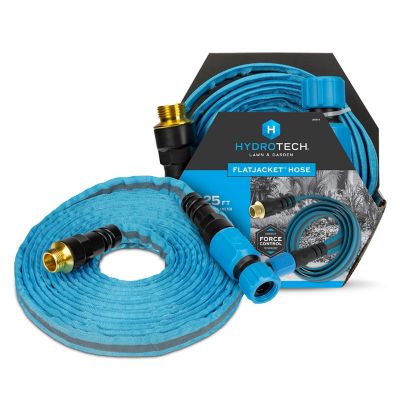
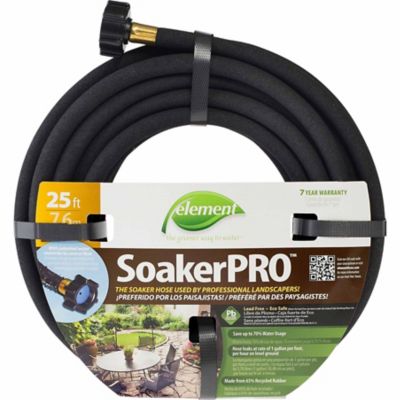
Flexible drain hoses are bendable tubes that carry water from an outlet to a suitable discharge point. Their flexibility helps them reach around obstacles, connect equipment in tight spaces, and follow routes where rigid pipe would require several fittings. Around a house, barn, shop, or acreage, that can mean directing downspout runoff away from a foundation, connecting an appliance to its drain, or carrying discharge from a compatible water pump. Each application calls for a hose built for that particular job; a corrugated downspout extension and an appliance drain hose are not interchangeable just because both bend. Materials can include polyethylene, PVC, rubber, and reinforced combinations, with construction varying by purpose. Corrugated walls let some hoses curve around corners or stretch within a stated range, while a smoother interior can reduce resistance to water flow. Reinforcement may help a hose hold its shape during operation, but the label still needs to match the demands of the equipment. Gravity drainage, pump discharge, and suction service place different demands on a hose wall. A drain hose that handles water flowing downhill may collapse under suction or lack the pressure rating for a pump connection. Flexibility also has its limits: a tight bend behind a washing machine or around a foundation corner can pinch the passage and slow drainage. Hoses with a suitable bend radius leave room for a broad curve instead of a sharp fold. For a property owner working around a crowded utility room or an awkward outlet beside an outbuilding, that balance of flexibility, wall strength, and connection style matters more than appearance. The right hose fits the water source, the route, and the discharge location without having to fight it into place. Intended use also determines whether a hose can handle lint, small debris, or other material in the water. An open drainage passage is helpful, but it does not replace a strainer, filter, or other protection required by the connected equipment.
Fit starts with the connection, not just the length printed on the package. Hose measurements may describe inside diameter, outside diameter, or a nominal fitting size, and those measurements serve different purposes. A barbed outlet generally needs a hose with the matching inside diameter and an appropriate clamp, while a threaded connection needs the correct thread size and type. Slip fittings, molded cuffs, and adapters each have their own requirements, so a connection that looks close may still leak or pull loose. A clear match between the hose specifications and the equipment manual keeps the setup straightforward. Diameter affects flow, too. A smaller passage can restrict discharge, and extra hose length, tight turns, or an uphill run can increase resistance. Pump systems have limits for lift and discharge distance; a flexible hose does not remove those limits. Gravity-fed lines need a suitable downward route, with support where necessary to prevent low spots that collect water and sediment. Length is best considered along the actual path, including broad turns and enough slack to avoid pulling on fittings. Too little length puts strain on connections, while a large coil of excess hose can create a tangle behind equipment or across a work area. Expandable designs also have stated working lengths, and stretching beyond that range can stress the hose or its ends. At an appliance, required routing, drain height, air gaps, and backflow protection depend on the machine and local plumbing rules. Outside, the discharge destination matters just as much as the starting point. Sending water away from one wall offers little benefit if the outlet empties beside another foundation, across a walkway, or onto neighboring property. Drain hoses work best as part of a planned drainage path rather than as a way to shift a puddle a few feet. Keeping the outlet clear and secure helps water reach its intended destination without washing out soil around the hose end.
Daily handling and the surroundings help determine which hose construction makes sense for the job. A hose that stays connected behind an appliance faces different wear than one carried between a shed and a pump site. Rough concrete, gravel, sharp metal edges, and repeated dragging can wear through an outer wall, while a hose stretched across a doorway is exposed to pinching and foot traffic. Outdoor applications call for materials rated for outdoor exposure, including sunlight resistance where the hose remains uncovered. Operating limits matter around equipment as well: discharge-water temperature, cleaning agents, and other substances must fall within the hose’s stated compatibility range. A general water drain hose is not automatically suitable for fuel, chemicals, sewage, or drinking water. Homeowners, acreage owners, and maintenance crews benefit from matching those ratings to the task instead of expecting one hose to do everything. Air lines are another separate category;
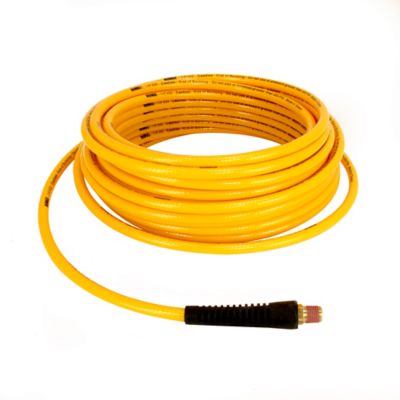
Flexible Air Hoses serve compressed-air equipment and are not a substitute for a drain hose selected for water discharge. With the right drain hose in place, regular checks are simple but worthwhile. Cracks near a cuff, flattened sections, worn spots, loose clamps, or a connection that seeps during operation can signal a need for attention. Cleaning methods should follow the hose and equipment instructions, especially where lint or sediment tends to collect. For hoses disconnected between jobs, draining away trapped water and allowing the interior to dry when practical helps limit residue and odors. Broad, relaxed coils protect the shape better than sharp folds, and storage off the floor keeps ends away from dirt and damage. Good access to fittings also makes inspection easier without having to pull equipment across the room. Whether the job involves a utility area, a drainage outlet beside the barn, or a compatible pump connection, practical details such as clear sizing, suitable materials, manageable length, and secure fittings make a flexible drain hose easier to live with.