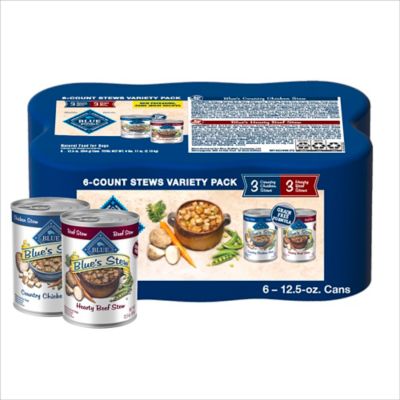
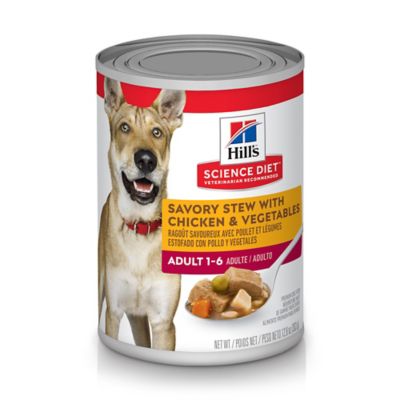
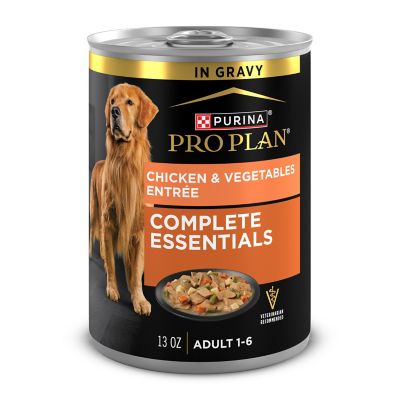
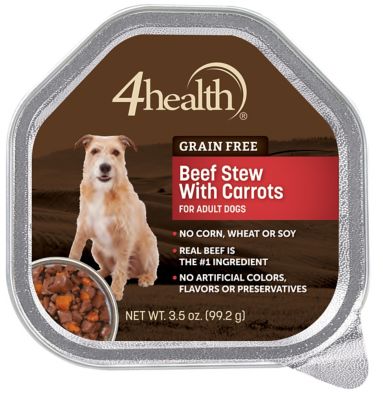
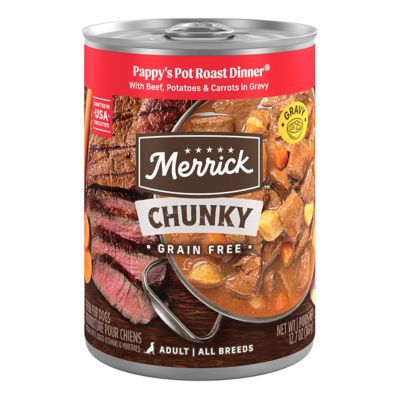
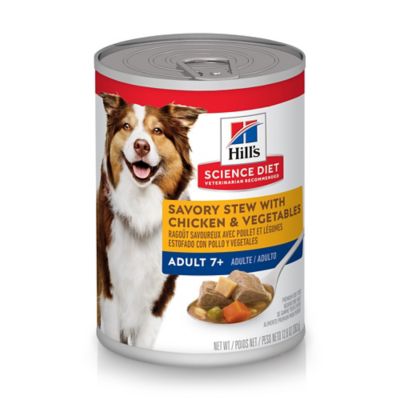
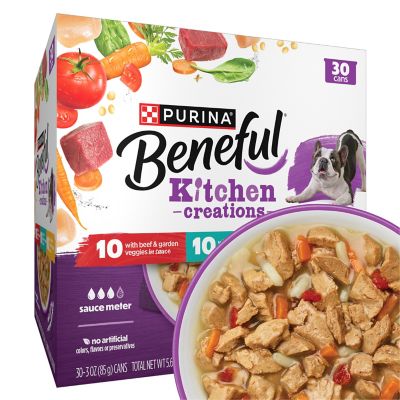
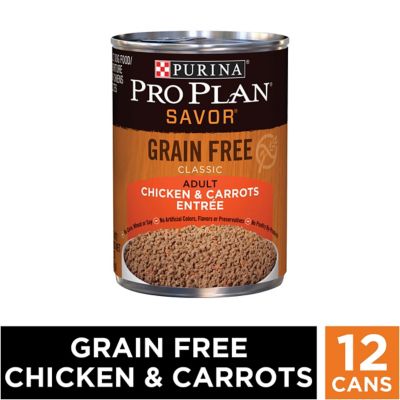
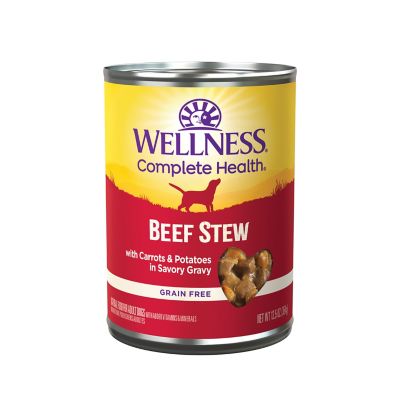
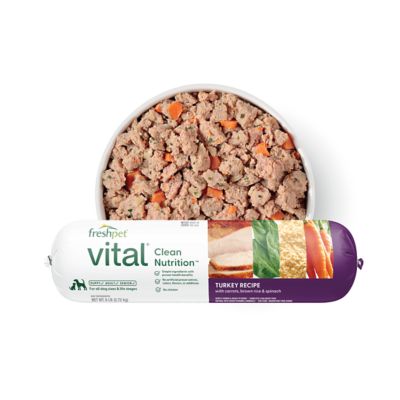
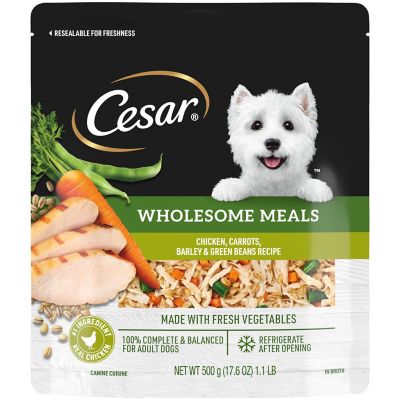
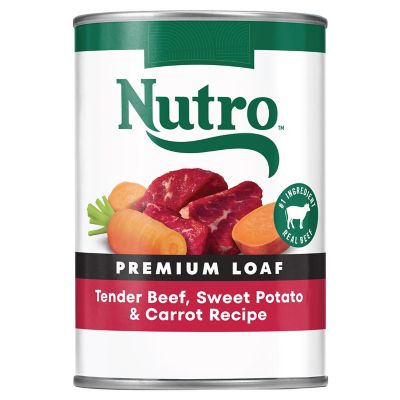
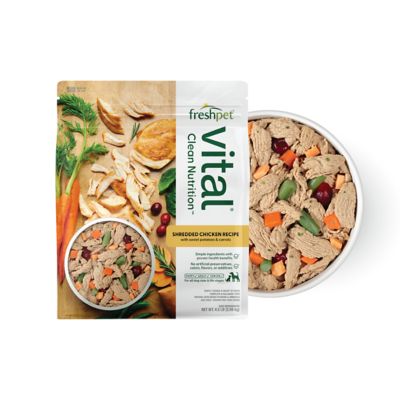
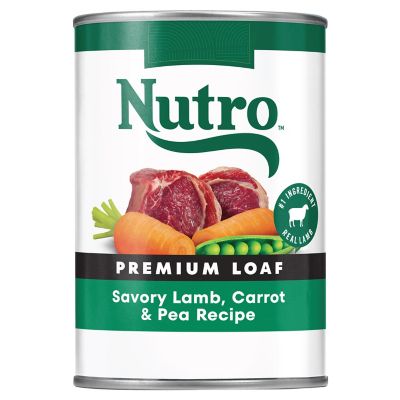
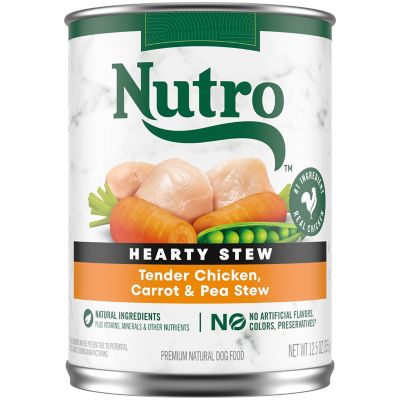
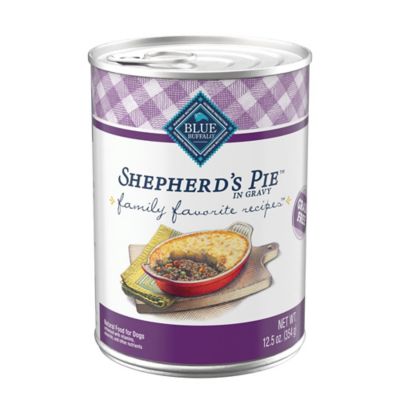
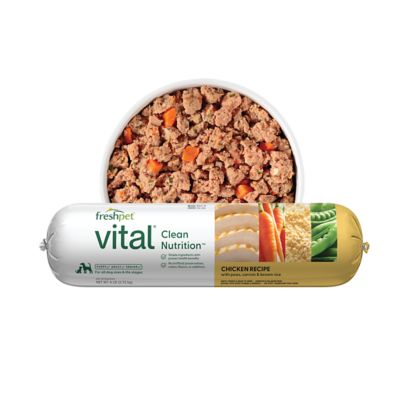
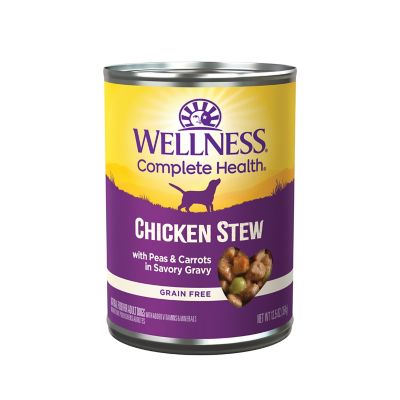
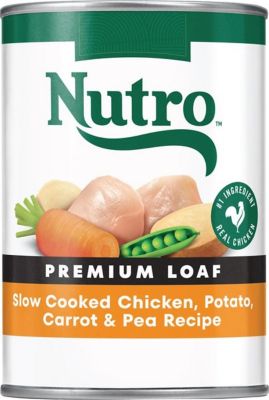
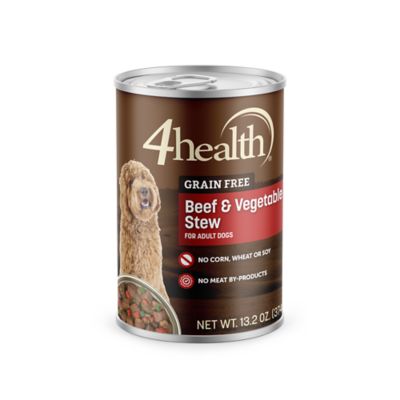
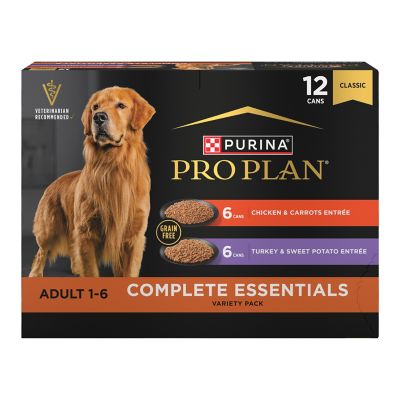
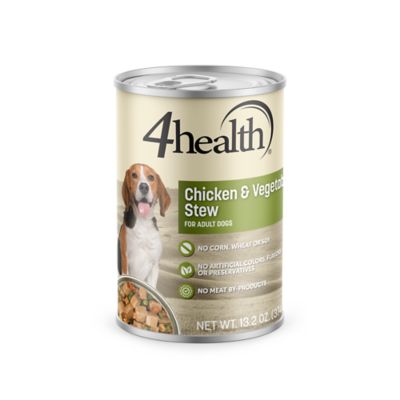
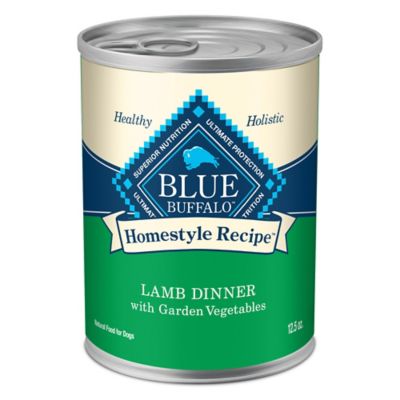
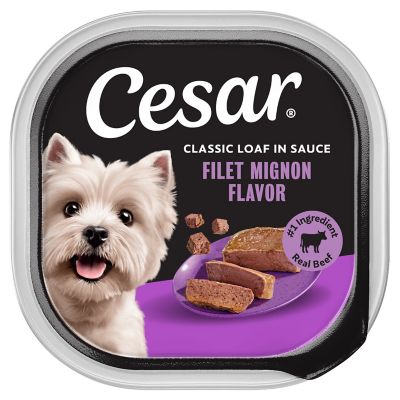
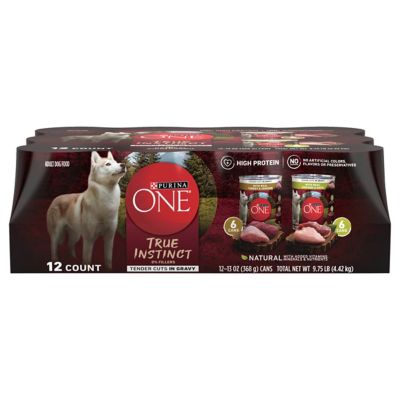
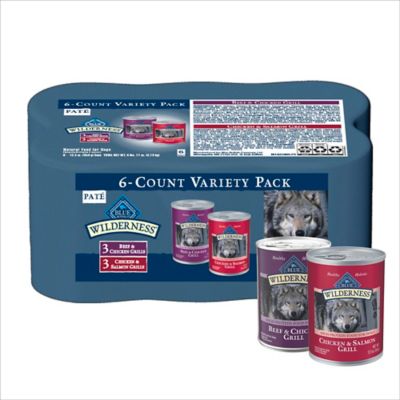
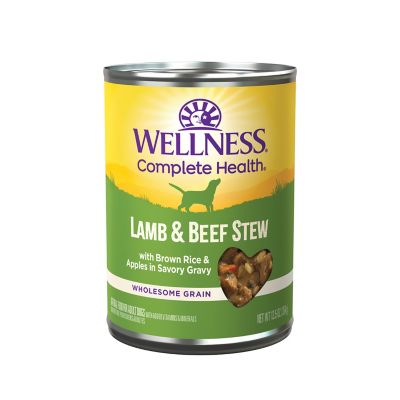
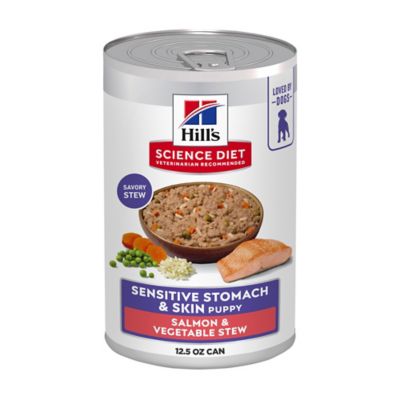
Dog food with carrots pairs a familiar vegetable with the meat, grains, fats, and other ingredients that make up a dog’s daily meals. Carrots are safe for most dogs to eat in moderation, and they are a common ingredient in commercial dog food. They contribute dietary fiber and beta-carotene, which dogs can convert to vitamin A, though the amount in an individual recipe varies. Their presence does not, by itself, make a food nutritionally complete or the right choice for every dog. The whole formula matters more than any single ingredient. Carrots may appear as recognizable pieces in a stew, finely chopped vegetables in a cooked meal, or ingredients blended into dry kibble. A recipe does not need visible orange chunks to contain carrots, and kibble color alone does not tell much about its vegetable content. The ingredient list is the place to confirm that carrots are part of the formula. Ingredients appear in descending order by weight before processing, so that list provides context without revealing the exact amount of every ingredient. Different food textures also bring different benefits to the bowl. Dry food is easy to measure for regular meals and carry along for a day away from home. Wet food adds moisture and may have a softer texture that suits some dogs’ eating preferences. Dehydrated formulas require preparation according to package directions, including the stated amount of water. For a dog that noses through dinner looking for softer bites, texture may matter as much as flavor. For one that eats eagerly after tagging along for chores, portion size and calorie content deserve just as much attention. Whether carrots are blended throughout or tucked into bite-size pieces, they are one part of a recipe that also needs to supply suitable protein, fat, vitamins, and minerals.
The best fit within dog food with carrots depends on life stage, body size, activity, and any health needs that affect feeding. A growing puppy needs a diet formulated for growth, while an adult dog needs nutrition suited to adult maintenance or another appropriate life-stage designation. Large-breed puppies have particular nutritional requirements, making the label’s statement about growth of large-size dogs especially important. Senior dogs do not all need the same type of food; changes in appetite, muscle condition, teeth, or medical needs can matter more than age alone. The nutritional adequacy statement helps distinguish a complete and balanced food from one intended only for intermittent or supplemental feeding. That distinction matters when a vegetable-rich meal looks substantial enough to fill the bowl but is actually meant to accompany another food. Carrots also do not determine whether a recipe suits a sensitive stomach or a dog with a diagnosed food allergy. The main protein sources, fat level, other fiber sources, and entire ingredient list all play a role. A chicken-based recipe with carrots and a fish-based recipe with carrots may be very different meals despite sharing the same vegetable. Grain-inclusive and grain-free formulas likewise need to be evaluated as complete diets rather than by one label claim. Dogs with ongoing digestive trouble, itching, or a prescribed diet benefit from a veterinarian’s input before a change. For an active farm companion and a house dog whose favorite job is supervising the porch, energy needs can differ considerably, even at a similar body weight. Calories per cup or container help put serving sizes into perspective. Shoppers comparing vegetable ingredients may also consider
Dog Food With Potatoes, while keeping in mind that neither carrots nor potatoes alone establish a food’s nutritional suitability. The deciding factors remain the full recipe, its intended life stage, and how well it meets the individual dog’s needs.
Everyday feeding routines help determine how well a carrot-containing food fits into life at home. A small dog may handle smaller pieces more comfortably, while a dog with dental discomfort may need a softer consistency and a veterinary assessment rather than simply a different flavor. In a household with more than one dog, separate bowls and measured portions make it easier to see who is eating what, especially when one finishes dinner before the other has settled in. Package feeding amounts provide a starting point, not a fixed serving for every dog. Body condition, activity, treats, and any food added on top all affect the daily total. Carrot pieces offered separately still count as extras; they should be sized to reduce choking risk and should not crowd out complete and balanced meals. A food that already contains carrots does not require an additional vegetable topping. When changing recipes, a gradual transition over about a week often helps reduce digestive upset, though some dogs need a slower change or different directions from their veterinarian. Consistent portions and a steady routine also make changes in appetite or stool easier to notice. Storage is another practical consideration, especially when food stays in a feed room, pantry, or utility area. Dry food belongs in a cool, dry place, with the original bag closed securely; if a storage bin is part of the setup, keeping the food inside its original bag preserves the lot information and feeding directions. Opened wet food needs prompt refrigeration and should be kept only as long as the package directs. Rehydrated meals need the preparation and storage care stated on their labels. Clean bowls, fresh drinking water, and utensils washed between feedings round out the routine. With those basics in place, dog food with carrots can fit easily into daily feeding, whether dinner follows a long walk down the lane or a quiet day close to home.