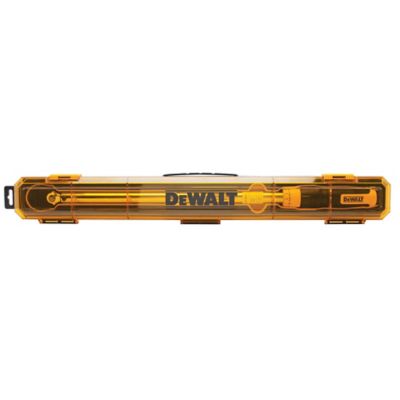
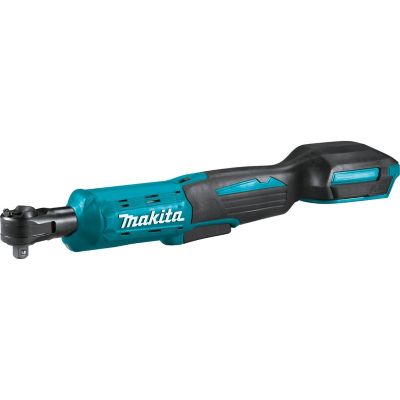
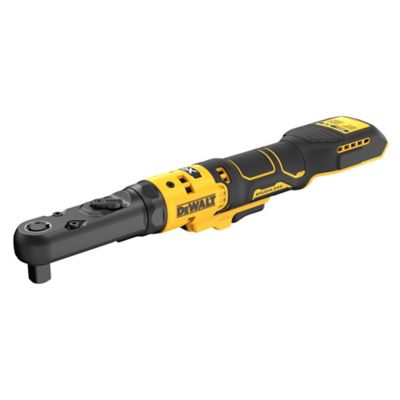
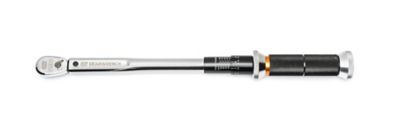
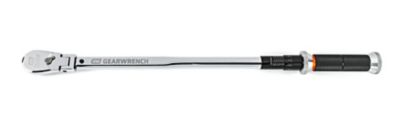
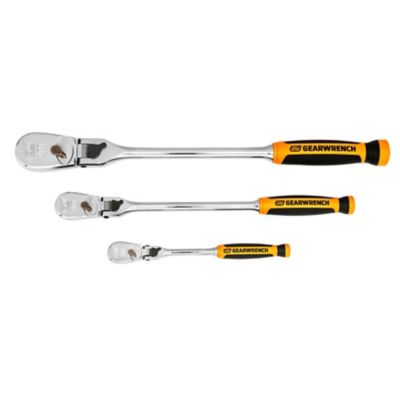
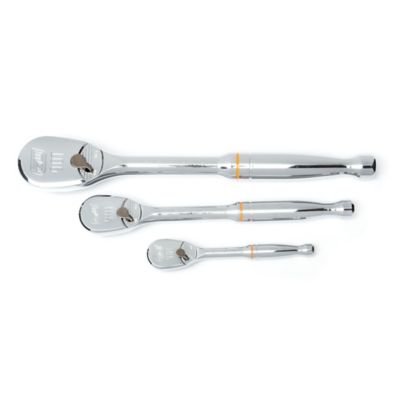
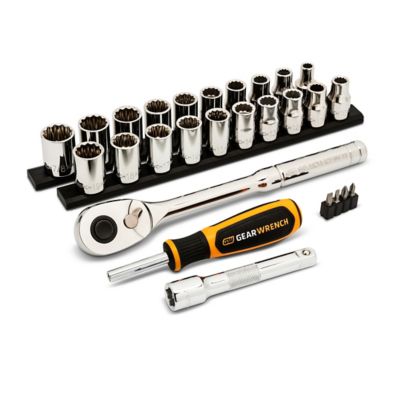
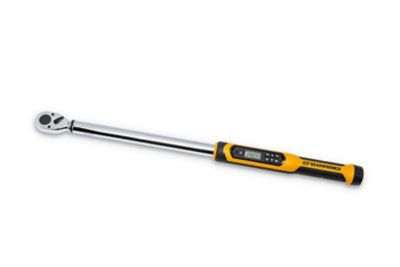
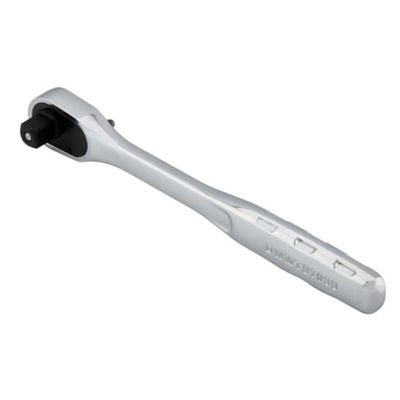
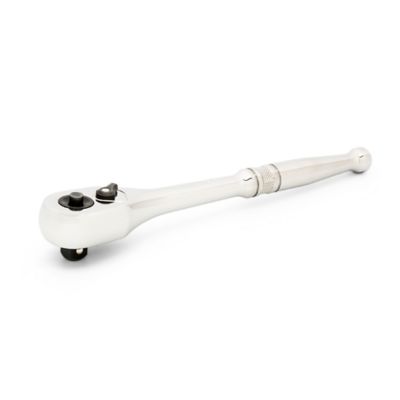
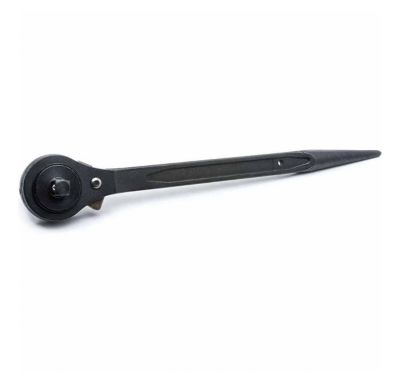
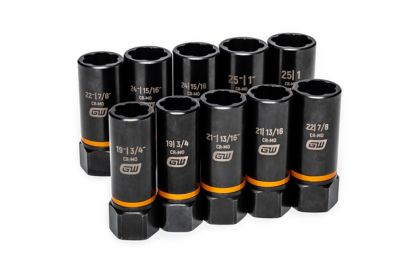
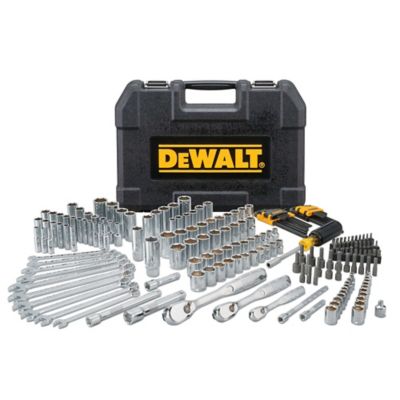
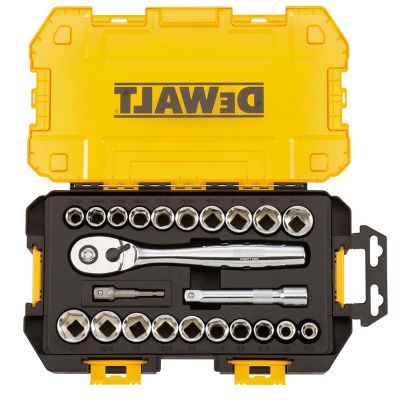
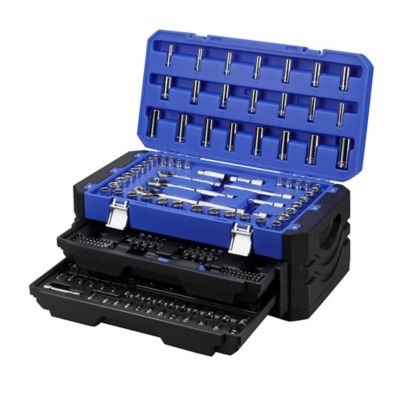
Torque ratchets bring measured tightening to jobs where a bolt needs more than a good pull and a best guess. Often called ratcheting torque wrenches, these tools apply a specified amount of turning force to a nut or bolt while allowing the handle to reset without lifting the socket off the fastener. That combination makes them useful for vehicle maintenance, tractor repairs, trailer wheel service, small-engine work, and equipment assembly. A standard ratchet turns a fastener, but it does not measure torque; a torque wrench adds a measurement mechanism or signal to help control final tightening. Too little torque can leave a connection loose, while too much can stretch a bolt, strip threads, or damage the parts being joined. For a farmer working on equipment in the shop or a home mechanic servicing a pickup, matching the tool to the specified torque matters more than choosing the longest handle. Drive size provides a starting point: 1/4-inch drive tools commonly suit lower-torque work on smaller fasteners, 3/8-inch drive tools cover many general mechanical tasks, and 1/2-inch drive tools often suit wheel, chassis, and larger equipment connections. Those sizes describe the square drive that holds the socket, not the tool’s torque capacity. Each wrench has its own stated operating range, and that range needs to include the equipment manufacturer’s tightening specification. Torque may be marked in inch-pounds, foot-pounds, or newton-meters, so matching the units is just as important as matching the number. Twelve inch-pounds equals one foot-pound, a distinction that can make a big difference on a small engine cover or threaded aluminum housing. A wrench sized for lug nuts may not cover the light settings required elsewhere on the same machine. For a shop handling both small assemblies and larger repairs, more than one torque range may make better sense than expecting a single tool to handle every fastener.
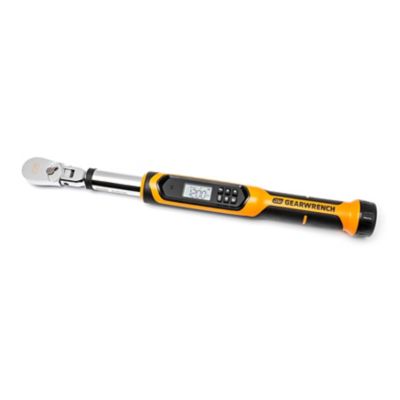
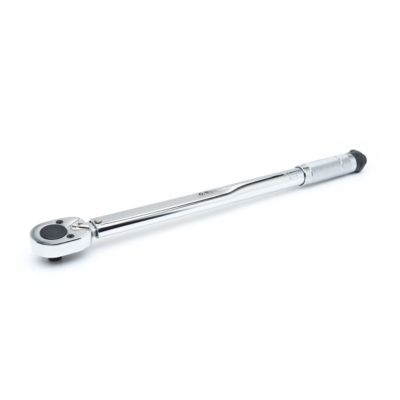
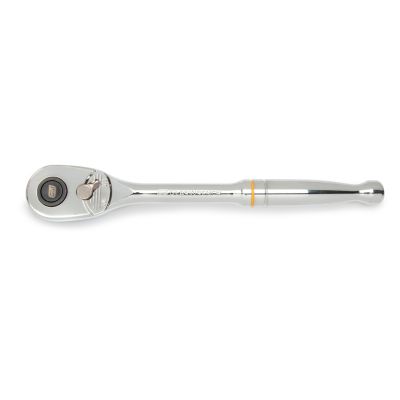
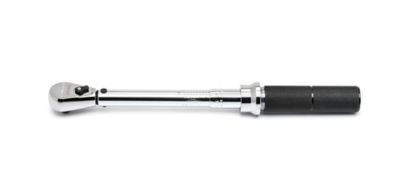
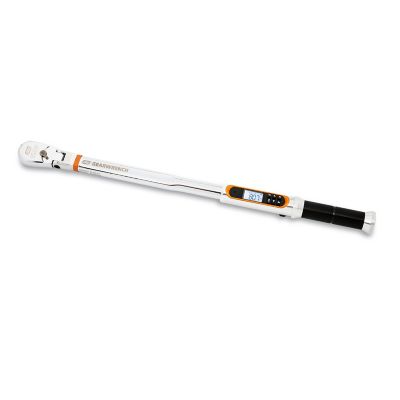
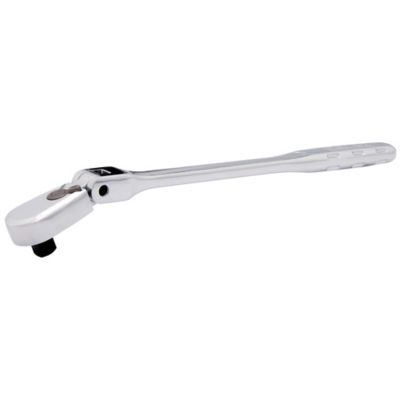
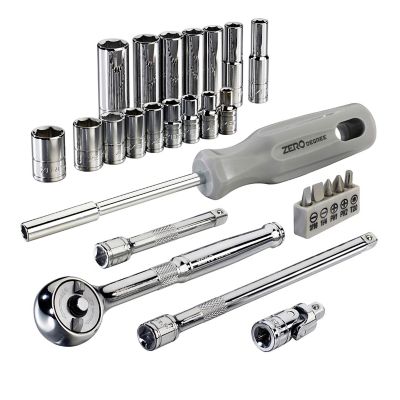
The way a torque ratchet signals its setting also shapes how it fits into everyday shop work. Click-type torque wrenches give an audible click and a movement you can feel through the handle when the selected torque is reached. They suit many routine service jobs, with settings typically adjusted at the handle and secured by a locking mechanism. The click is a signal to stop pulling, not a mechanism that prevents further tightening. Digital torque wrenches display measurements electronically and, depending on the design, may provide sound, light, or vibration alerts as the target approaches. Some also measure angle, which can be helpful when a service procedure specifies an initial torque followed by an additional amount of rotation. Angle measurement is not a substitute for following the complete procedure, including any requirement for replacement fasteners. Split-beam torque wrenches offer another mechanical approach, often with straightforward setting adjustments and storage requirements that differ from spring-loaded click designs. Across these types, readable markings, a secure adjustment lock, and a clear signal all contribute to a tool that feels manageable at the workbench or beside a wheel hub. Head shape and handle length matter, too. A compact head can provide room near brackets and housings, while a longer handle offers leverage where clearance allows. A fine-tooth ratcheting mechanism needs less handle movement between strokes, which helps when a frame rail or nearby component limits the swing. Flex-head designs may improve access, but their positioning must stay within the manufacturer’s directions to maintain the intended measurement. Reversible ratcheting is another detail worth checking: a head that turns both ways does not necessarily mean the wrench measures torque in both directions. Left-hand-threaded connections require a tool rated for that task. For routine turning before final tightening,
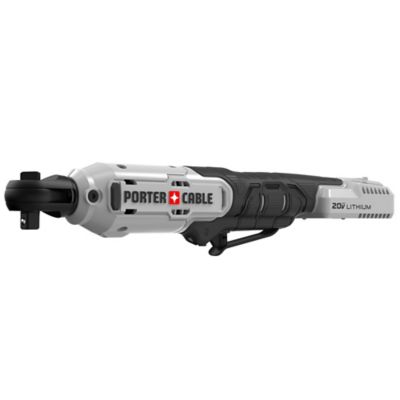
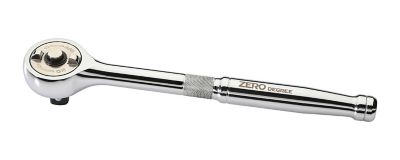
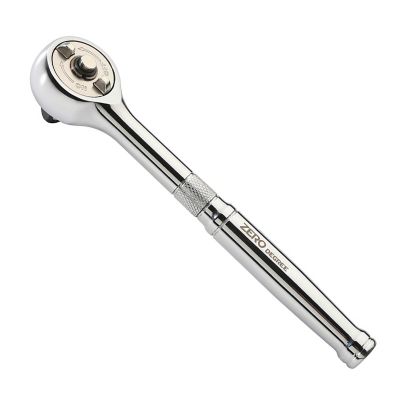
Drive Ratchets serve a different role, helping keep the measuring tool reserved for the work it is designed to do.
Materials, socket fit, and sensible care help torque ratchets hold up to regular shop use without treating a measuring instrument like a breaker bar. Steel bodies and alloy-steel drive components provide strength for normal tightening loads, while plated finishes help resist corrosion when kept clean and dry. Grip designs vary from textured metal to molded surfaces; a secure hold and a handle that fits comfortably in the hand can matter during repeated fastening work. The socket should match both the square drive and the fastener, with full engagement before pressure is applied. Reaching around an obstruction with an offset adapter can change effective leverage and may require a torque-setting correction, so attachment compatibility deserves a close look. Ordinary socket extensions and offset attachments do not affect the setup in the same way. The tool and attachment instructions should settle that detail rather than guesswork. Thread condition matters as well: a torque specification may assume dry threads, lubricated threads, or a particular coating, and changing that condition can change bolt tension at the same reading. On a trailer wheel or a multi-bolt housing, the specified tightening sequence and stages help distribute the load as intended. A smooth pull at the designated grip area gives the mechanism a better chance to respond as designed than a sudden jerk or pressure applied near the head. Breaking loose a seized fastener, hammering the handle, or adding a pipe for leverage can damage the instrument. After the job, wiping away oil and grit and placing the wrench in its protective case helps protect the scale, head, and adjustment mechanism. Adjustable spring-loaded click wrenches generally need storage at the manufacturer’s recommended minimum setting, not below the marked range; other designs may have different requirements. Calibration checks should follow the maker’s schedule and account for workload, especially after a drop or overload. For someone building a farm-shop toolkit, maintaining family vehicles, or giving a practical gift to a mechanically minded friend, the best fit comes down to the jobs ahead, the required torque range, and a design that is comfortable to read, set, and handle.