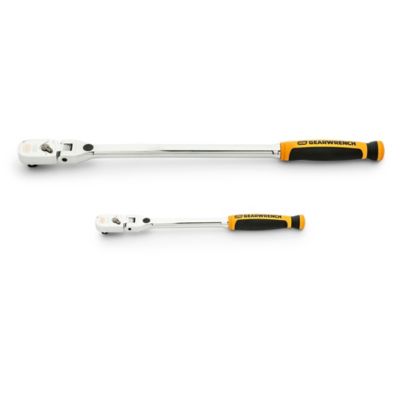
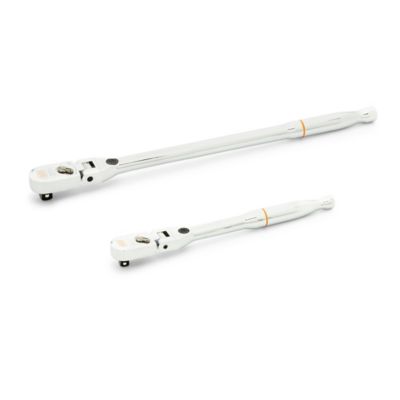
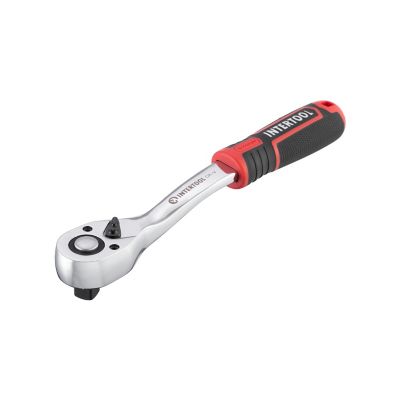
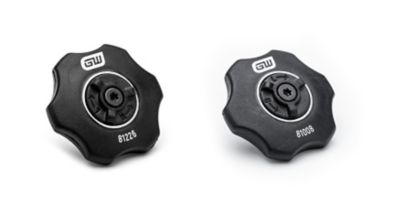
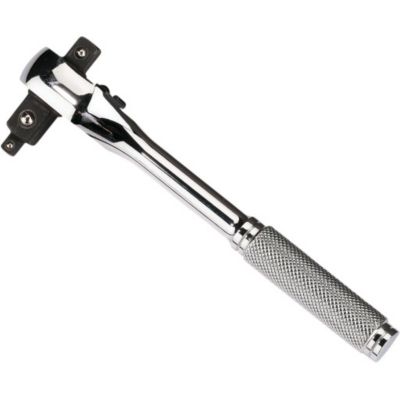
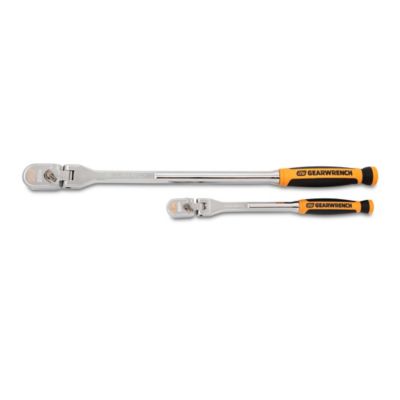
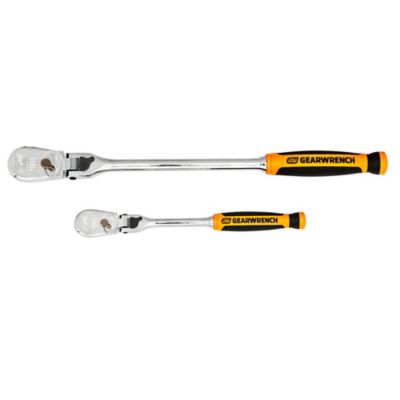
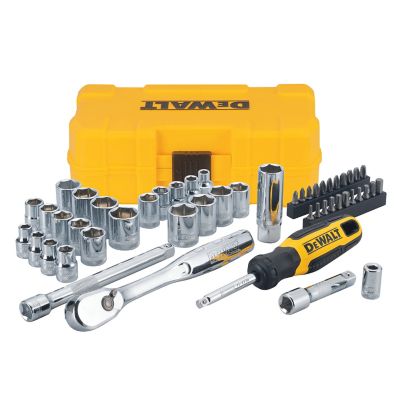
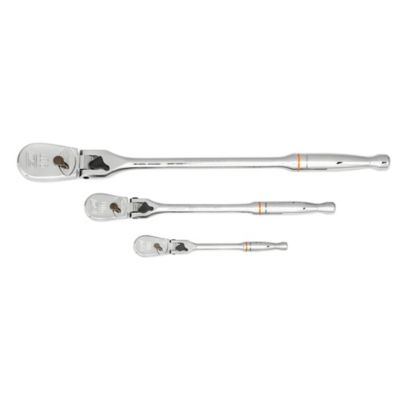
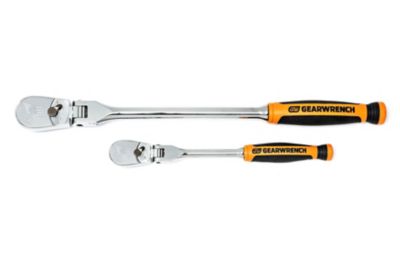
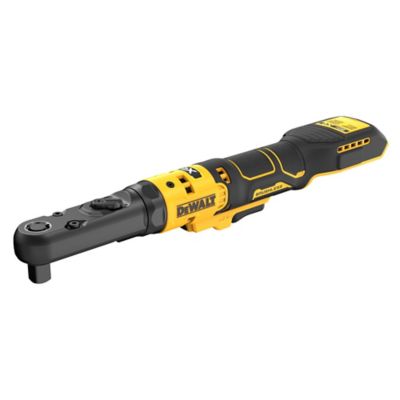
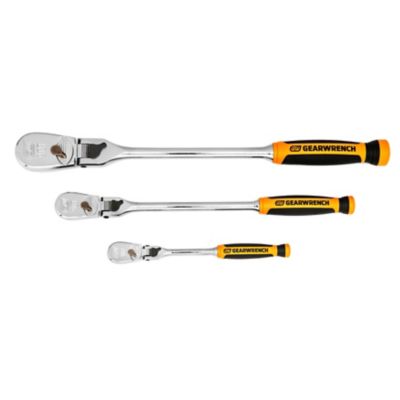
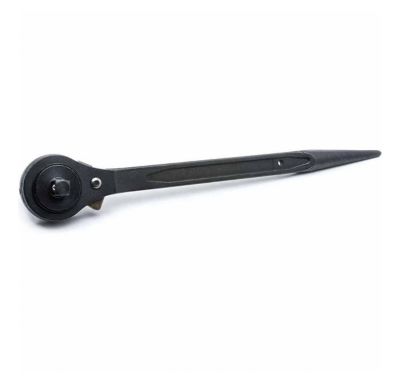
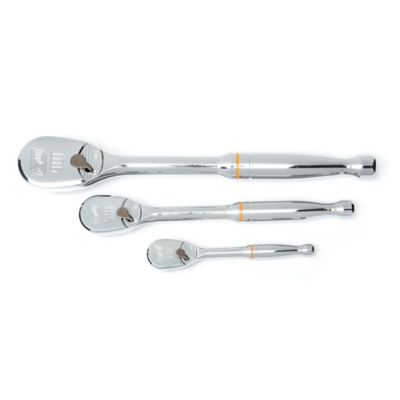
An adjustable ratchet, often called an adjustable ratcheting wrench, combines a movable jaw with a ratcheting action, letting one tool fit several nut and bolt sizes and turn a fastener without being lifted off after every working stroke. That combination comes in handy around a farm shop, garage, equipment shed, or workbench, especially when a job involves several sizes of hardware. Think of tightening a loose gate bracket, working around a mower frame, or reaching a nut tucked behind a piece of equipment. A conventional adjustable wrench needs room to lift, reset, and turn again; a ratcheting design can cut down on that repeated repositioning where clearance is limited. The opening adjusts to the fastener, while the ratcheting mechanism allows a return stroke before the next turn. How that return action works varies by design, so the mechanism matters just as much as the maximum jaw opening. Jaw capacity tells part of the story, but head width, head thickness, and handle length help determine whether a wrench will reach the hardware in front of you. A wide opening does little good if the head cannot slip between a bracket and its mounting surface. Likewise, a long handle offers more leverage but needs enough room to swing. Smaller tools can be easier to maneuver near closely spaced parts, while larger tools may suit bigger hardware and more open working areas. Adjustable ratchets can serve farmers, ranchers, mechanics, property owners, and anyone handling everyday repairs, though no single wrench fits every task. A snug jaw fit across the fastener’s flats helps limit slipping and damage to its corners. Metric and SAE hardware can both fall within an adjustable wrench’s opening range, but the stated capacity still sets the limit. For recessed fasteners, badly rounded hardware, or work requiring substantial force, a properly fitted socket or another task-specific wrench may be the better match.
Materials and construction make a difference in how an adjustable ratcheting wrench feels in the hand and holds up to repeated shop work. Forged alloy steel is common in wrench construction, and some tools specify chrome vanadium steel or another alloy. The metal, heat treatment, jaw geometry, and internal mechanism all contribute to strength; a shiny surface alone does not tell the whole story. Chrome plating and other protective finishes can help resist corrosion and make grease easier to wipe away, but exposed edges and moving parts still deserve attention. Jaw faces should meet the fastener squarely, and the adjustment should move smoothly without excessive looseness. Some movement may be part of a ratcheting design, so comparing the manufacturer’s description with the tool’s intended action helps separate normal operation from wear. A clearly marked jaw scale can make an initial size setting easier, although the final fit belongs against the hardware itself rather than at a mark on the handle. Where a tool lists a tooth count or return angle, those details describe how much handle movement the mechanism needs before another working stroke. A shorter return arc can help between frame members or beside closely spaced fittings, but overall head clearance remains important. Direction controls, locking features, and release mechanisms also vary. Controls that sit within easy reach may save repositioning, provided they do not catch on nearby parts. Handle shape deserves the same attention. Smooth metal handles wipe down readily, while cushioned grips can offer a different feel during repetitive work. Grip material, contour, and handle thickness affect comfort, particularly when a job calls for repeated turns at an awkward angle. Gloves can change that fit, too. A wrench that feels manageable barehanded may be harder to control with a thick glove, especially around a small direction lever. For frequent repairs, the best match balances access, leverage, grip, and a jaw opening suited to the hardware that turns up most often.
Care and proper handling help keep adjustable ratchets ready for the next repair. Dirt, metal filings, and dried grease can interfere with jaw adjustment or ratcheting movement, making regular attention worthwhile in a working shop. A wipe-down after a messy job keeps buildup from settling around the adjustment screw and moving joints. Cleaning methods and lubrication should follow the tool manufacturer’s directions, since internal parts and grip materials do not all tolerate the same solvents or oils. Dry storage helps protect metal surfaces, and a toolbox compartment or wrench rack keeps the head from knocking against loose hardware. Before a demanding job, cracked handles, chipped jaws, bent components, or a mechanism that slips are reasons to stop and assess the tool. Ratcheting convenience does not turn an adjustable wrench into a breaker bar, hammer, or torque-measuring instrument. An extension pipe can apply more force than the tool was designed to handle, and impact equipment belongs only with tools expressly rated for that work. Fit and force also matter at the fastener: keeping the wrench square and following its specified working direction helps reduce the chance of slipping. On machinery, safe access starts with equipment shut down and secured according to its service instructions. For repairs that call for a stated tightening value, compare
Torque Ratchets against the job requirements and confirm that the chosen tool measures or controls torque in the required range and units. Adjustable jaw width controls fit, not final tightening force. That distinction matters on assemblies where overtightening can strip threads, distort parts, or damage a seal. As part of a broader tool collection, an adjustable ratchet can fill the gap between quick size changes and repeated turning in a tight spot. It can also make a practical gift for someone setting up a garage, tending equipment, or maintaining acreage, especially when its size and handle style suit the work they regularly tackle.