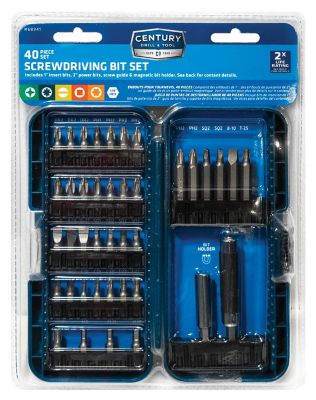
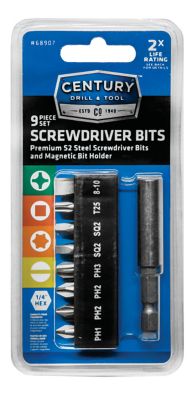
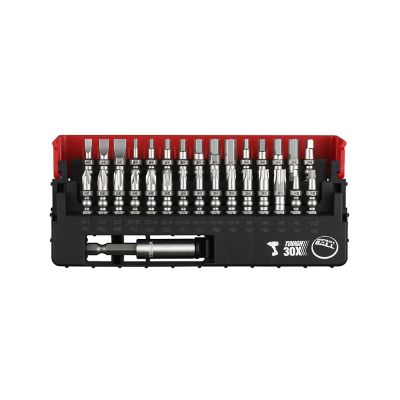
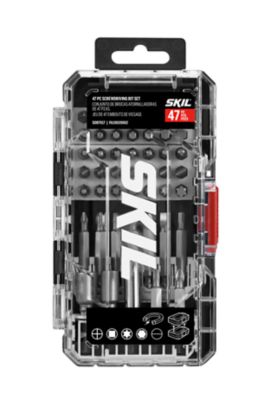
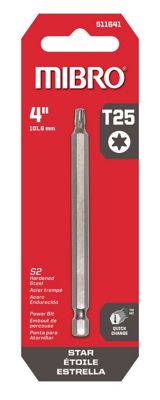
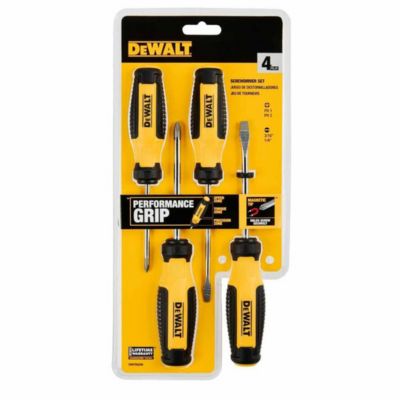
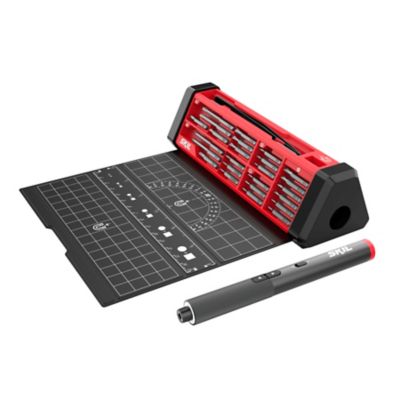
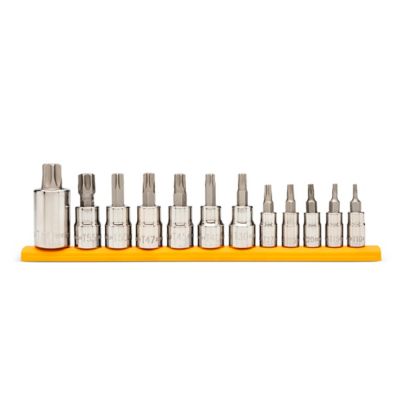
Screwdriving bit sets bring together interchangeable driver tips for fastening and removing screws with a compatible hand driver, drill/driver, or impact driver. They keep several screw-head patterns and sizes together, making them handy for everything from tightening cabinet hinges to hanging shop shelves or replacing hardware around the barn. Unlike drill bits, which cut holes, screwdriving bits engage the recess in a screw head and transfer turning force to the fastener. Common tip patterns include Phillips, slotted, square, and star, with multiple sizes within each pattern. That size difference matters: a tip that looks close but sits loosely can slip, damage the screw recess, and leave marks on the surrounding surface. A proper match seats fully with little play, helping the driver stay engaged as the screw turns. Phillips and other cross-shaped recesses are not all interchangeable, and a star-shaped screw calls for the matching star size rather than whichever tip happens to fit partway. Sets with a mix of patterns suit households and shops that handle different hardware, while assortments centered on fewer patterns can make sense for repeated fastening work. Bit length matters, too. Short insert bits keep a setup compact when paired with the right holder, while longer power bits can reach into recesses or past an obstruction that would keep the driver body too far away. Extra length adds reach, not permission to drive at an angle; straight alignment still helps protect both the tip and the screw. Many bits have a 1/4-inch hex shank, but the holder and retention system still need to match the tool. Short insert bits generally belong in a compatible bit holder, and quick-release tool chucks may call for a grooved power-bit shank. Those details help distinguish a set suited to a kitchen drawer from one that belongs beside the drill in a working tool bag.
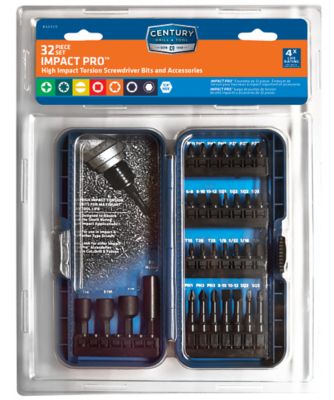
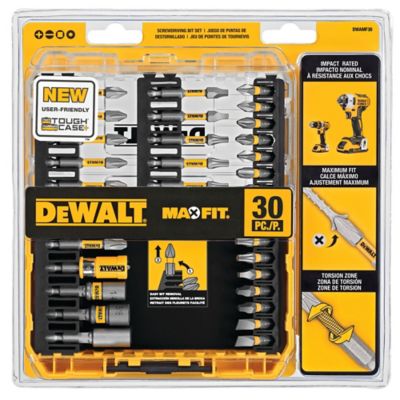
The difference between standard and impact-rated screwdriving bit sets becomes especially important when the work moves from occasional assembly to repeated fastening. An impact driver delivers rotational blows that place different demands on a bit than a hand screwdriver or conventional drill/driver. Bits rated for impact use are designed for those loads, and some include a torsion section that flexes under torque to help manage stress. A dark finish alone does not establish an impact rating; the packaging or manufacturer’s specifications should identify that capability. Hardened tool steel, including S2 steel in some sets, is common because the tip needs to resist wear while handling twisting force. Steel composition, heat treatment, tip geometry, and the job itself all affect service life, so material names tell only part of the story. Protective coatings can help limit surface corrosion, but they do not take the place of clean, dry storage. For a fence repair, cabinet installation, or a run of screws along a workbench frame, a well-fitting tip helps reduce slipping and interruptions. Driving a small hinge screw into a cabinet door calls for a different touch than seating a larger screw in framing lumber. Adjustable clutch settings on a drill/driver can help limit overtightening, while an impact driver requires attention to trigger control and the fastening requirements. Pilot holes, where appropriate for the screw and material, can also reduce resistance and help prevent splitting. No bit set changes the need to match the fastener to the job. Some assortments include magnetic holders, drive guides, nut setters, or socket adapters alongside the bits. A magnetic holder can help retain a compatible steel screw when one hand is steadying a hinge, while a guide sleeve may help support the fastener as it starts. Each accessory has its own fit and tool-rating requirements, particularly when an impact driver is involved.
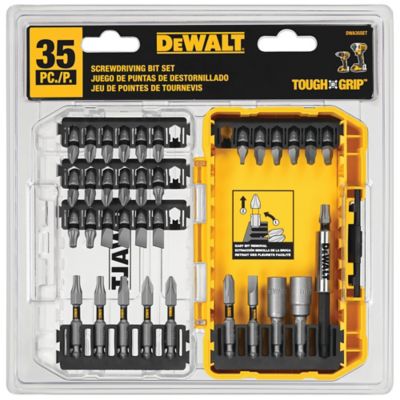
A useful screwdriving bit set is not necessarily the one with the largest piece count. Repeated sizes can be valuable when a familiar bit handles most of the work, while a broad assortment earns its place when the next repair might involve furniture, storage cabinets, or equipment access panels. For a homeowner assembling shelving, a compact case with clearly marked everyday sizes may cover the routine jobs. A farm maintenance worker or contractor may prefer more duplicates, longer bits, and impact-rated options for frequent fastening. Someone who splits time between the house, shop, and outbuildings may appreciate a case that keeps those choices together without taking over the tool bag. Case layout makes a difference during the work: readable size markings, secure bit slots, and holders that allow easy removal help keep a small tip from disappearing beneath a bench. An empty slot also makes a missing bit easier to spot before the case goes back in the truck. Piece counts may include holders and adapters, so the mix of actual tip patterns, sizes, and lengths is more useful than the total alone. Sets and individual
Screwdriver Bits serve different needs, with assortments covering a range of tasks and separate bits filling gaps or replacing frequently worn sizes. Basic care helps preserve that usefulness: wiping away grit, clearing debris from holders, and returning dry bits to their slots keeps the working surfaces easier to inspect. Rounded edges, chipped tips, or a bit that no longer seats securely are signs that replacement is due, rather than a reason to press harder on the driver. A neatly organized set also makes a practical gift for a new homeowner, an apprentice building a tool kit, or the family member everyone calls when a latch works loose. Matching the set to that person’s tools and everyday repairs gives it a clear place on the bench.