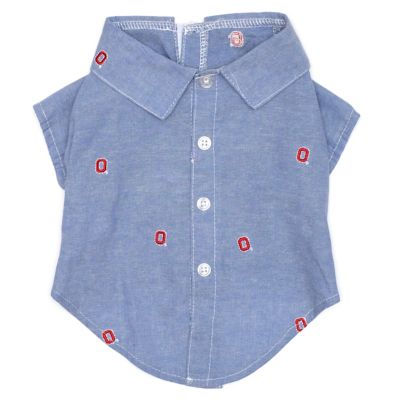
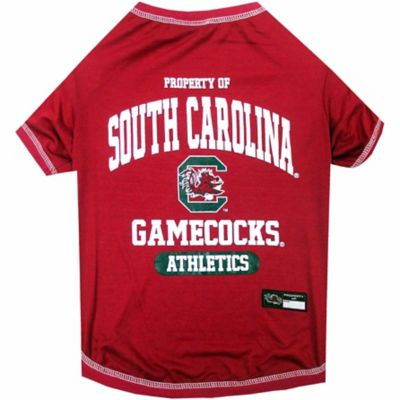
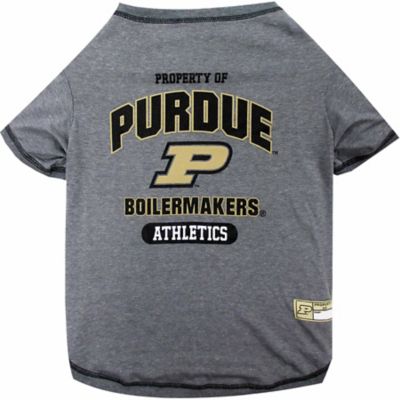
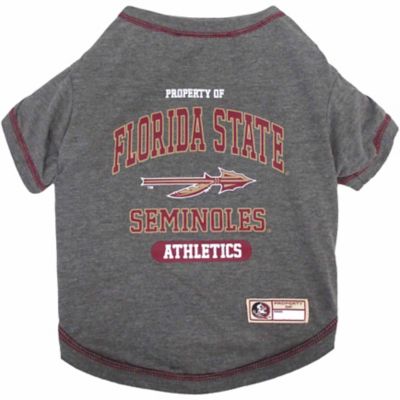
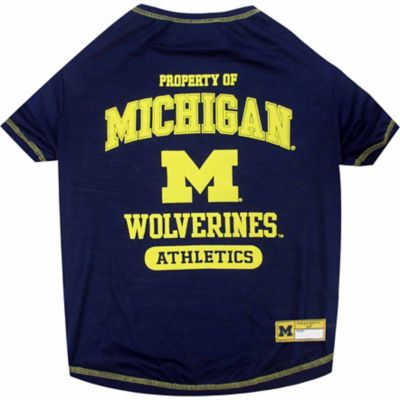
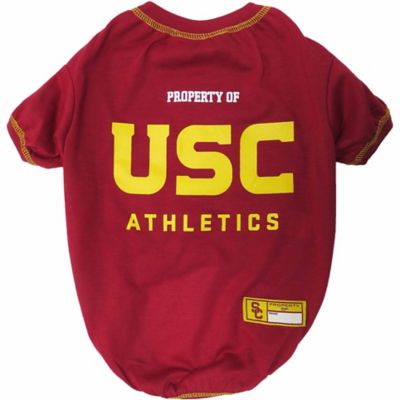
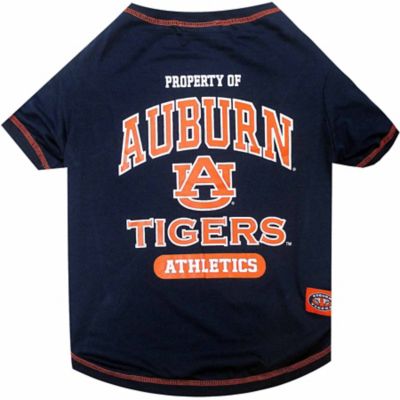
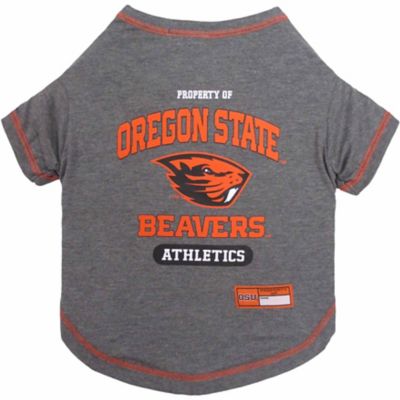
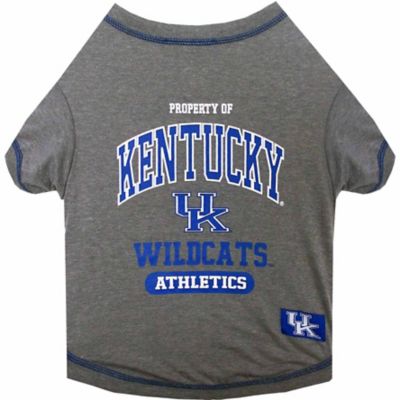
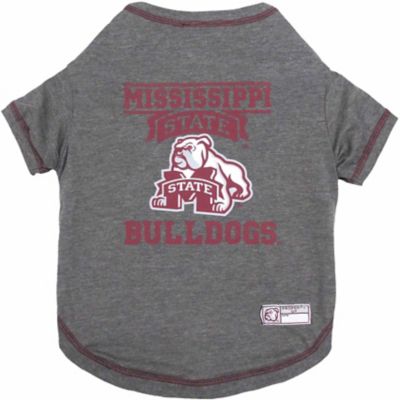
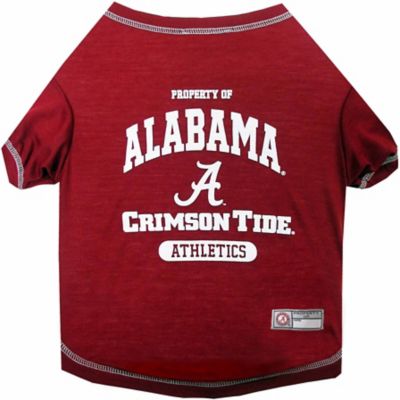
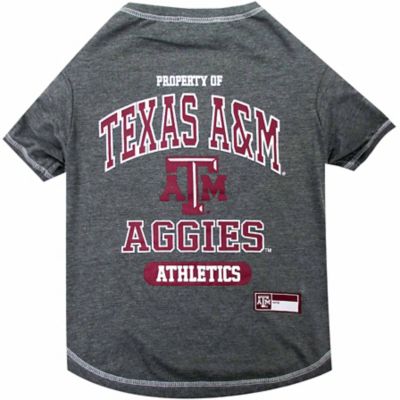
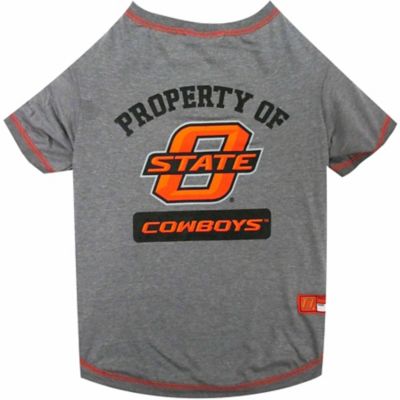
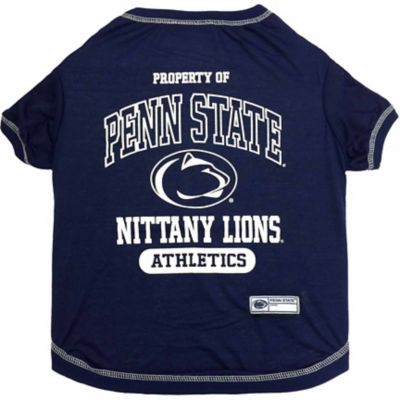
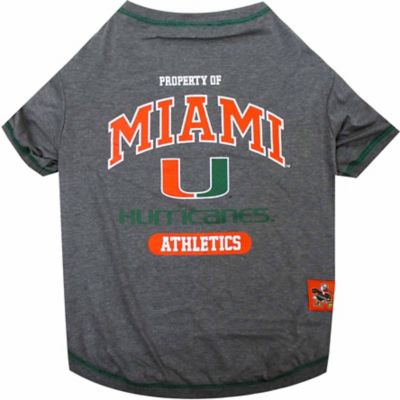
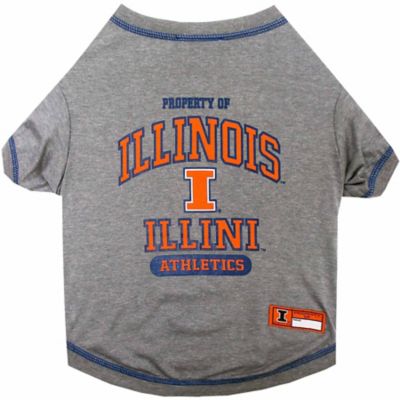
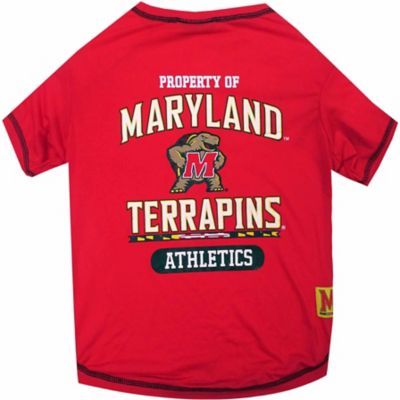
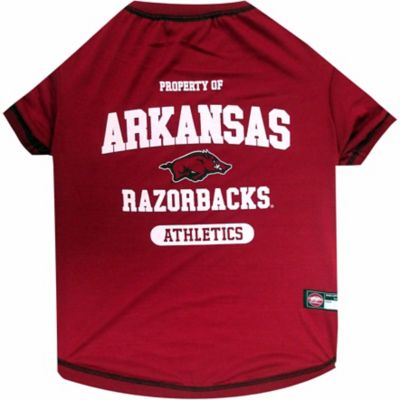
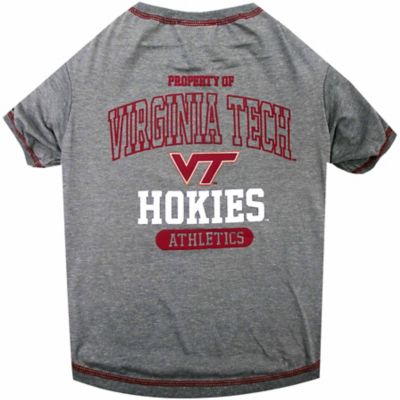
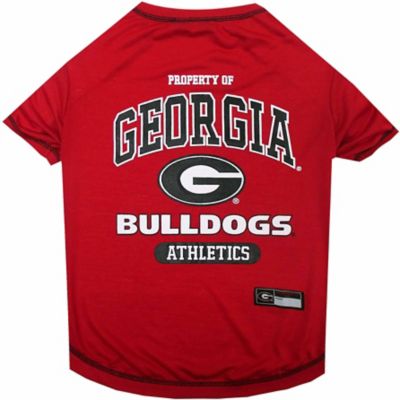
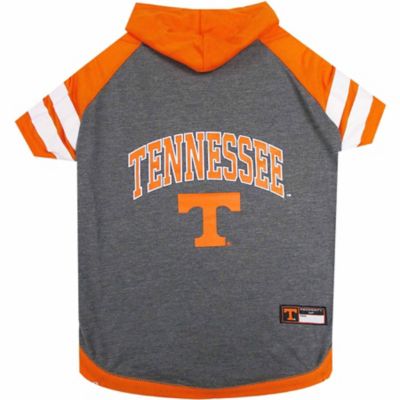
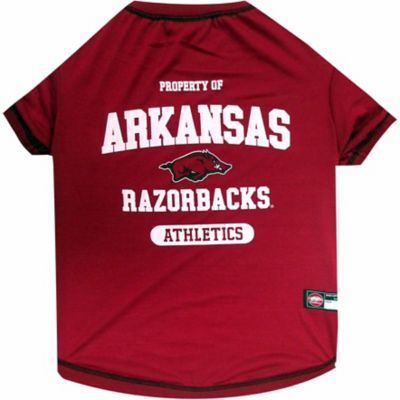
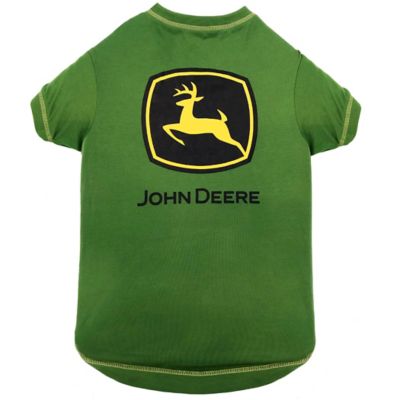
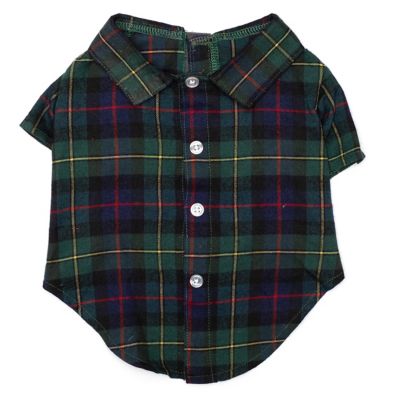
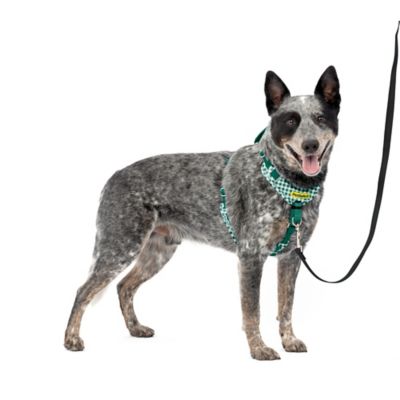
Dog shirts for medium dogs bring an easygoing look to everyday outings, family photos and time spent tagging along with their favorite people. These shirts are sized for dogs between smaller and larger size ranges, but the right match depends on body measurements rather than the word “medium” alone. A broad-chested dog and a lean, long-backed dog can weigh the same and need different shirt sizes. Across this category, familiar styles include simple T-shirts, sleeveless tanks and polo-style shirts, each with a different balance of coverage and freedom of movement. Cotton knit has a soft, familiar feel and works well for relaxed wear around the house or a visit with family. Polyester fabrics generally dry faster after washing, while blends with a little spandex provide stretch through the shoulders and chest. Fabric weight matters, too: a substantial knit may hold its shape well, while a lighter fabric can feel less noticeable on a dog that is still getting comfortable with clothing. Smooth inner seams, soft neck binding and neatly finished armholes help keep the fabric from rubbing as the dog walks, sits or stretches out beside the couch. A sleeveless shape leaves more of the front legs uncovered, while short sleeves give a shirt that familiar tee silhouette. Stretch around the openings can make either style easier to pull on without tugging at the legs. Prints, stripes, solid colors and playful sayings offer plenty of ways to match a dog’s personality without adding extra pieces that might catch or become tempting to chew. For a dog that accompanies the family to a neighborhood gathering or settles under the picnic table during a get-together, a straightforward shirt can be enough. The best choice feels like a small addition to the routine, not something that keeps the dog from acting like a dog.
Fit is the biggest consideration when comparing medium dog shirts, especially because sizing can change from one garment style to another. Chest girth is the distance around the fullest part of the rib cage, usually just behind the front legs; this measurement often determines whether a shirt has enough room through the body. Neck circumference helps establish whether the opening will rest comfortably without squeezing, while back length runs from the base of the neck toward the base of the tail. Those three measurements, checked against the garment’s size chart, tell more than breed or weight alone. A medium-size shirt should lie comfortably over the body without stretching tight across the chest, bunching behind the elbows or hanging so loosely that a paw can slip inside. Room to move matters when a dog reaches down for a water bowl, curls up on a bed or steps over the doorway on the way outside. Dogs with deep chests may need a different cut than dogs with shorter, broader bodies, and a full coat can affect how a shirt settles against the skin. A higher-cut belly helps keep fabric clear during bathroom breaks, while a back hem that stops before the tail leaves the rear uncovered. Pullover designs keep the construction simple; shirts with openings or fasteners may be easier for dogs that dislike having clothing drawn over their heads. Any fastener should sit away from sensitive spots and stay covered where it could rub. A shirt also needs to work alongside everyday walking gear rather than replace it. The neckline should leave a collar sitting properly, and harness straps should lie as intended without trapping folds of fabric underneath. Pairing a shirt with
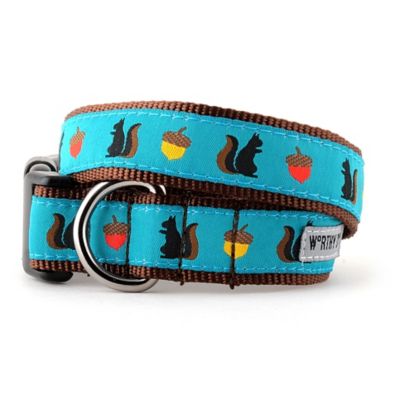
Dog Collars For Medium Dogs keeps the outfit coordinated while preserving a separate place for identification tags. A leash belongs on the dog’s walking equipment, never on a shirt’s neckline, sleeve or trim.
Care and construction help determine how well a dog shirt holds up to regular wear and repeated washing. Even stitching, finished edges and secure seams around the shoulders are worth attention because those areas flex whenever a dog moves. Stretch fabric should recover its shape instead of leaving the neck or armholes loose after a few wears. Printed designs and sewn-on accents need their own consideration, particularly for dogs that mouth fabric or investigate anything within reach. A simple shirt with few attachments can make sense for an active companion that spends more time sniffing fence posts than posing for pictures. Care directions vary by fabric and finish, so the garment label should set the washing and drying routine. Machine-washable styles can simplify cleanup after dusty walks, shed hair and the occasional muddy paw print, but some fabrics or prints call for gentle washing or air-drying. Fasteners closed before laundering are less likely to snag other clothing, and a shirt should be fully dry before it goes back on the dog. Regular checks for loose threads, stretched openings and damaged trim help catch small problems before they interfere with wear. Comfort also depends on the dog’s response: relaxed movement and normal behavior matter more than how a shirt looks in a photo. Clothing is best introduced without a fuss, with brief, supervised wear and room for the dog to settle into the experience. A dog that freezes, repeatedly scratches at the shirt or tries to pull it off may need a different fit or may simply prefer no clothing. For pet owners who enjoy coordinating family pictures, celebrating a dog’s birthday or bringing a four-legged companion along to a casual gathering, medium dog shirts offer an uncomplicated finishing touch. They can also make a thoughtful gift when the recipient’s dog measurements and clothing preferences are known. Soft fabric, an easy fit and straightforward care keep the focus where it belongs: on a comfortable dog ready to join the family.