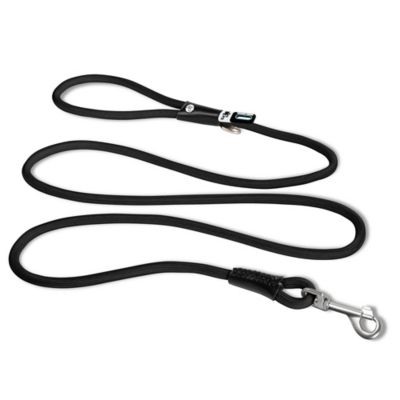
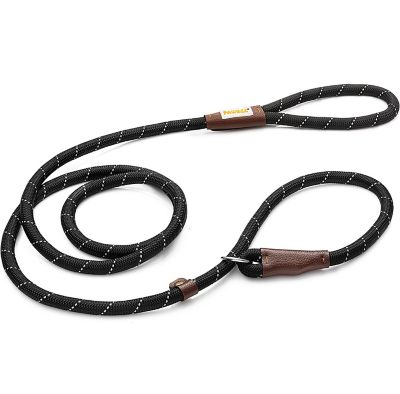
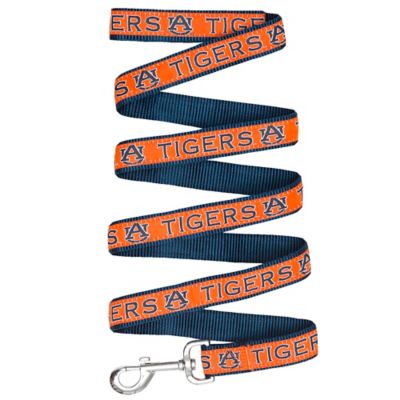
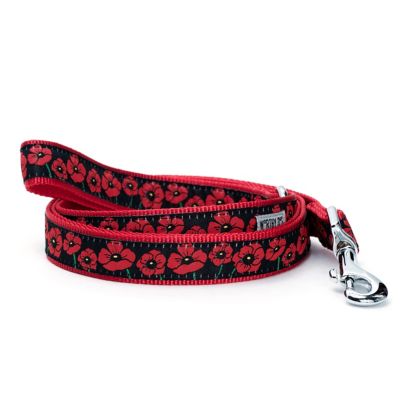
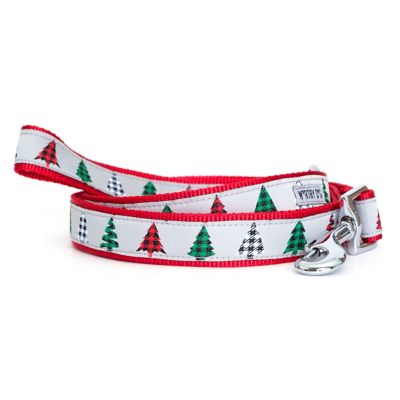
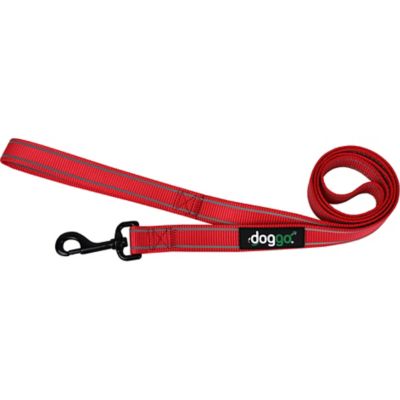
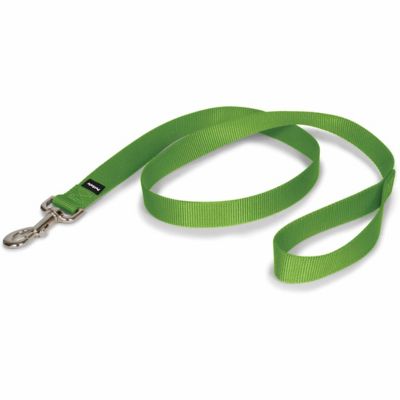
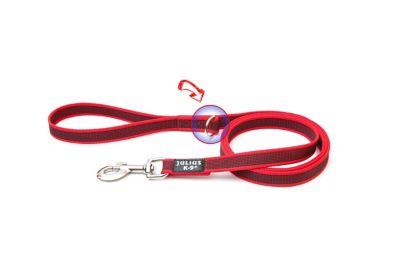
Dog leashes for medium dogs need to balance comfortable handling with enough strength for a dog that can put some muscle behind a sudden tug. For many medium-sized dogs, a standard leash measuring 4 to 6 feet long and about 5/8 to 3/4 inch wide is a practical starting point for everyday walks. Those measurements are not a weight rating, though; the manufacturer’s size recommendations, the leash construction, and your dog’s pulling habits matter more than the “medium” label alone. A calm dog that stays beside your knee may need a different setup than a stocky companion that lunges after every squirrel along the fence line. Six feet gives a dog room to sniff while keeping the handler nearby, while a 4-foot leash leaves less slack to manage around gates, parked trucks, and busy sidewalks. Wider webbing can spread pressure across the hand, but extra width and a large metal clip also add weight. The right balance feels manageable at the handle without weighing down the attachment point at the dog’s collar or harness. Nylon webbing is a common choice for its flexibility, light weight, and straightforward care. Rope leashes offer a rounded grip that some handlers prefer, while leather provides a substantial feel and benefits from regular conditioning according to its care instructions. Coated webbing has a smooth surface that can be easier to wipe clean after a walk past dusty pens or through a muddy patch by the barn. Material alone does not tell the whole story: stitching, reinforced attachment points, and the condition of the hardware all deserve attention. Whether the daily route circles a neighborhood block or follows a quiet stretch of property, a leash should suit the dog’s build, the handler’s grip, and the amount of space along the way. For a dog walker or family member who shares those daily rounds, familiar length and handle preferences also make a leash a thoughtful, practical gift.
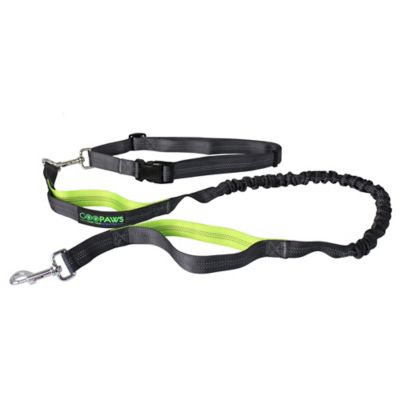
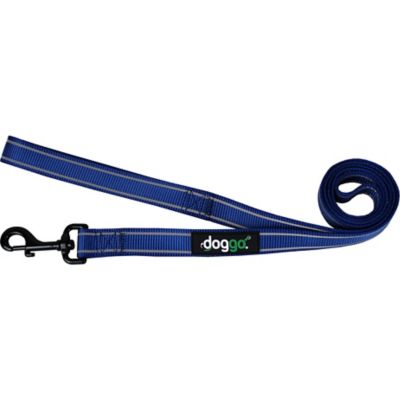
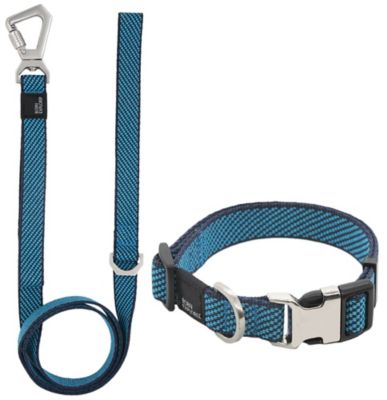
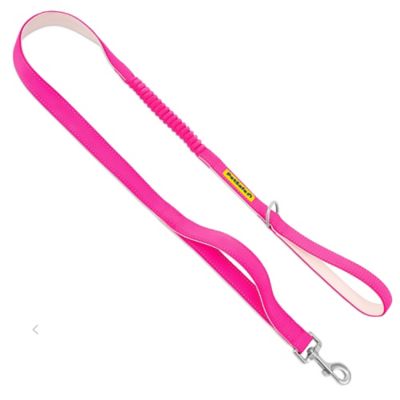
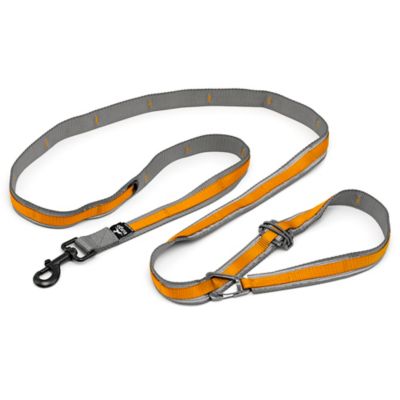
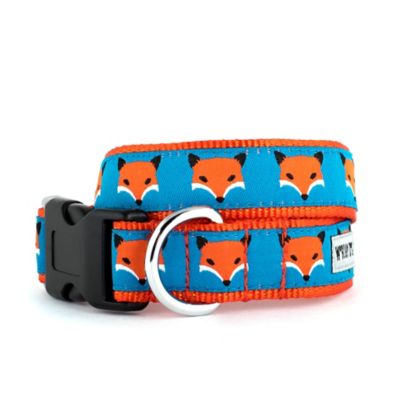
Handle style and hardware can make a noticeable difference when a medium-sized dog moves from an easy walk to an exciting distraction. A flat loop is simple to carry, while a padded handle can make longer walks more comfortable, especially with a dog that occasionally pulls. Padding does not replace loose-leash training, but it can soften contact against the palm. A second handle closer to the clip offers a shorter holding point when passing another dog, stepping through a feed-store doorway, or waiting beside a vehicle. That lower handle should be within comfortable reach without forcing the handler to stoop or keep constant tension on the dog’s neck. Reflective stitching or trim can help a leash catch headlights or a flashlight in low light, though it does not replace visibility gear for the person walking. At the other end, the clip should open smoothly, close completely, and match the size of the collar or harness attachment ring. A clip that is too small may be awkward to fasten securely, while an oversized clip can feel heavy on a lighter-framed dog. Swiveling hardware helps reduce twisting as a dog changes sides, and a locking attachment can provide another closure step when the design calls for it. Pairing a leash with
Dog Collars For Medium Dogs starts with checking fit and making sure the attachment hardware works together. A collar should follow its manufacturer’s fitting directions; leash width is not a substitute for measuring the dog’s neck. For a dog that pulls, a properly fitted walking harness may help keep leash pressure away from the neck, with the leash connected only to a designated attachment ring. Small conveniences matter, too. An accessory ring can keep waste bags close at hand, but added gear should not crowd the handle or interfere with the clip. A comfortable setup leaves the handler free to manage the dog rather than untangle equipment.
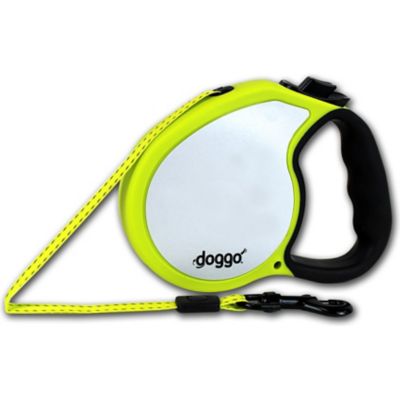
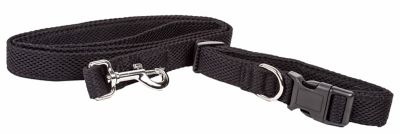
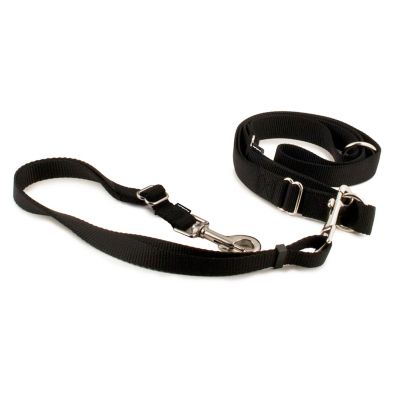
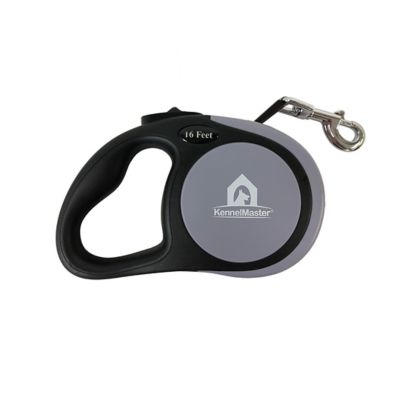
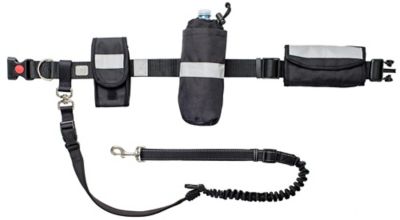
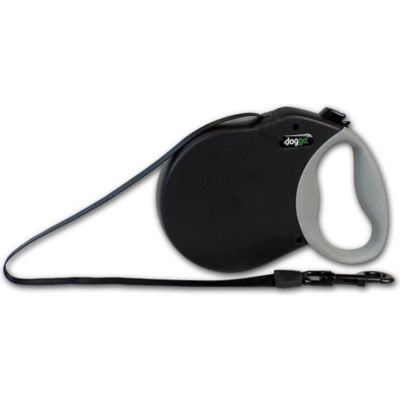
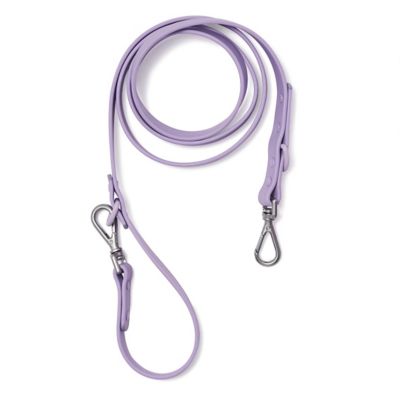
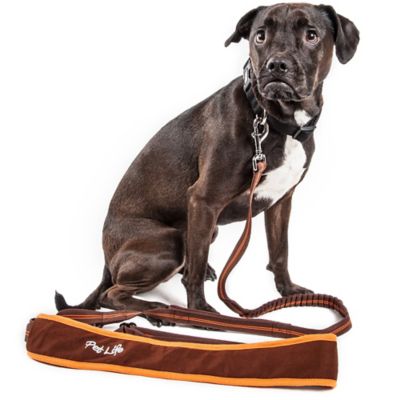
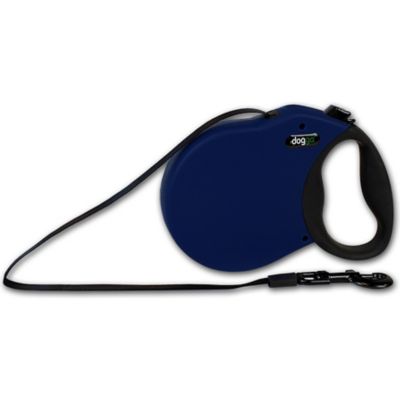
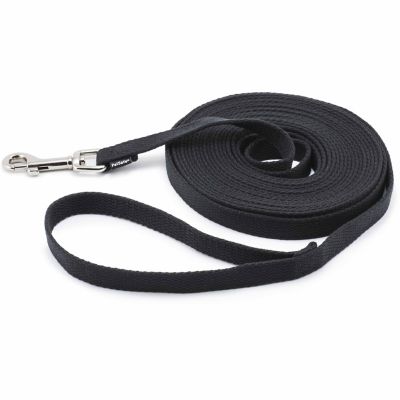
Different leash styles serve different jobs, and the best everyday choice is not necessarily the best one for every outing. A fixed-length leash gives a consistent working distance, making it a straightforward option for routine exercise, manners practice, and trips where other people or animals are nearby. Adjustable designs can offer several lengths in one leash, provided each connection is secured as directed. Hands-free styles may suit a steady walking partner, but a waist attachment deserves extra caution with a dog strong enough to pull the handler off balance. Retractable leashes allow changing distances, yet their thin cord or tape and locking mechanism require close attention; they are generally a poor match for crowded paths, traffic, and situations that call for quick, close control. A long training line serves another purpose, giving more room for recall practice in a suitable open area away from roads, livestock, and equipment. It should not trail where it can wrap around legs or catch on fencing, and it is not a replacement for a tie-out system. Whatever the style, a walking leash is not a vehicle restraint or a chew toy. Before heading out, a quick check of the handle seam, webbing edges, clip spring, and attachment points can reveal fraying, cuts, loose stitching, or a closure that no longer seats fully. Replace a leash with damaged load-bearing parts rather than trusting a knot or a makeshift repair. Cleaning depends on the material: many synthetic leashes can be washed with mild soap and rinsed, while leather needs care suited to its finish. Follow the label, let the leash dry fully before putting it away, and clear grit from moving hardware. Storing it out of chewing reach helps keep it ready for the next trip down the lane. With sensible sizing, comfortable handling, and regular checks, a medium-dog leash becomes a familiar part of everyday life, from a quick stop at the gate to a longer walk with plenty of sniffing along the way.