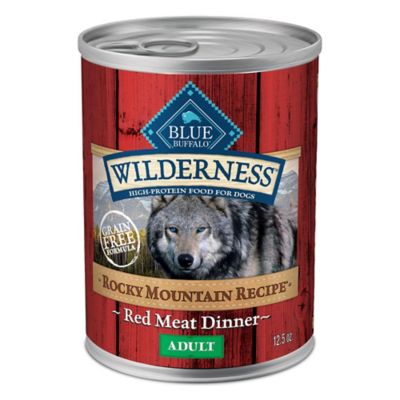
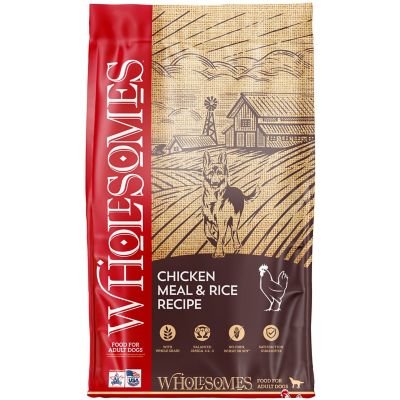
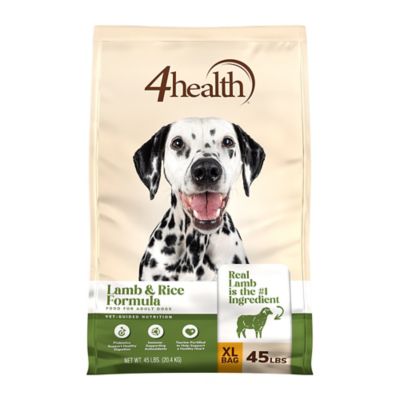
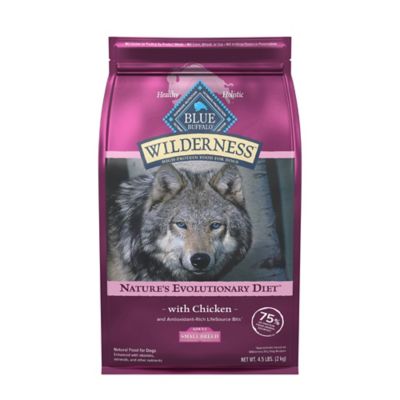
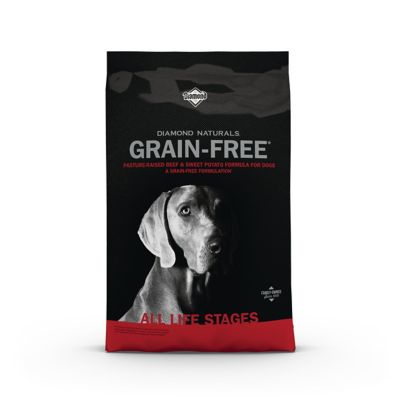
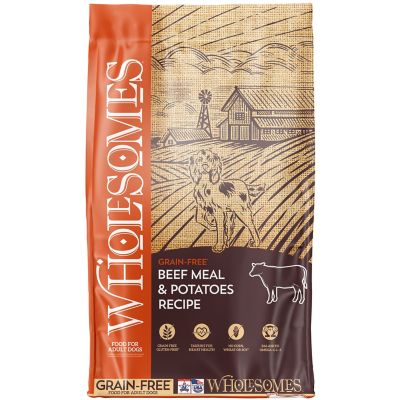
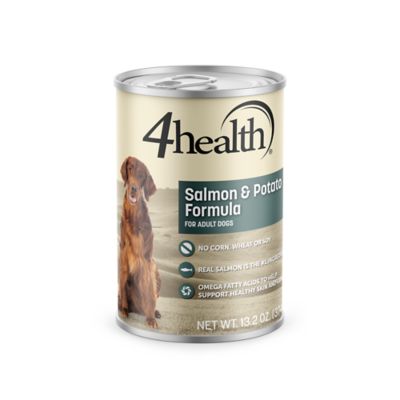
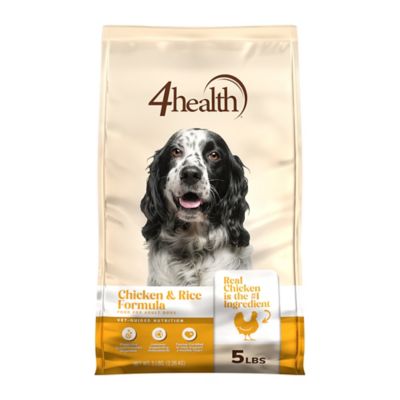
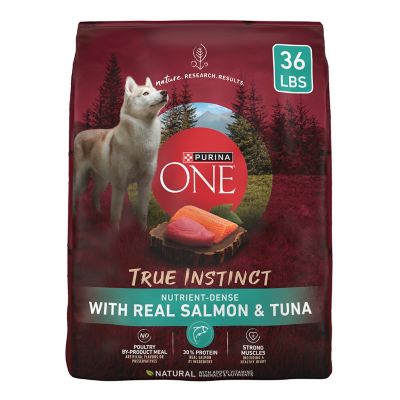
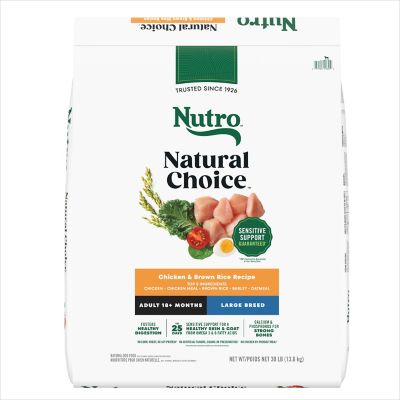
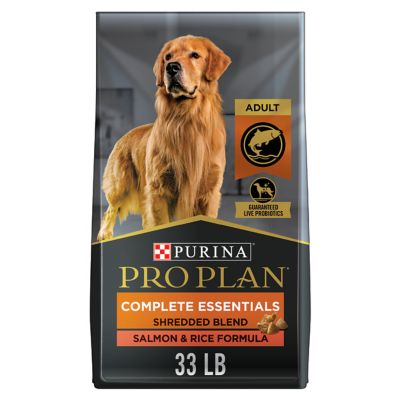
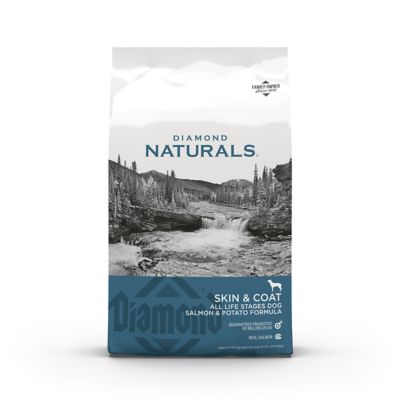
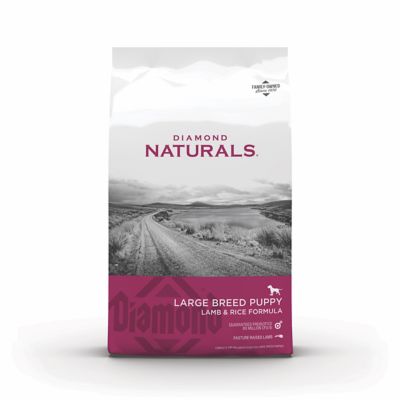
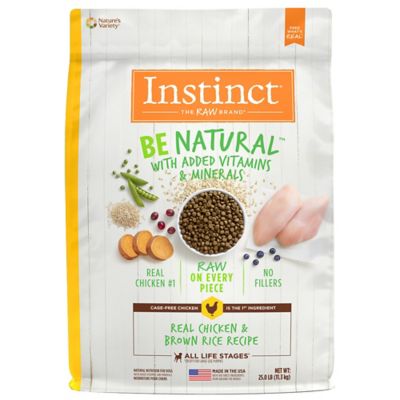
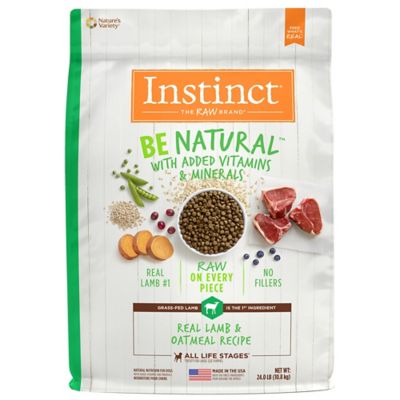
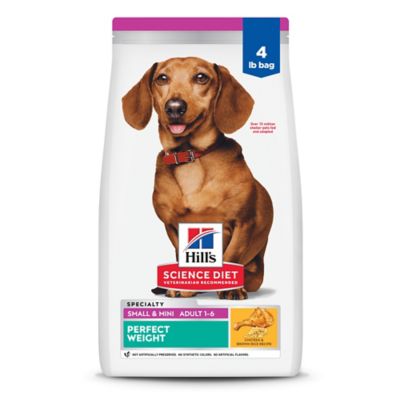
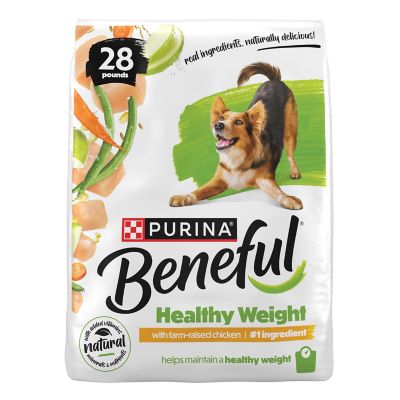
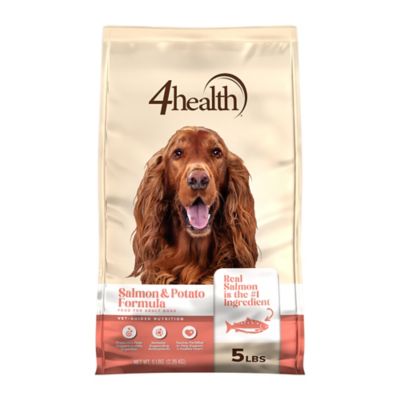
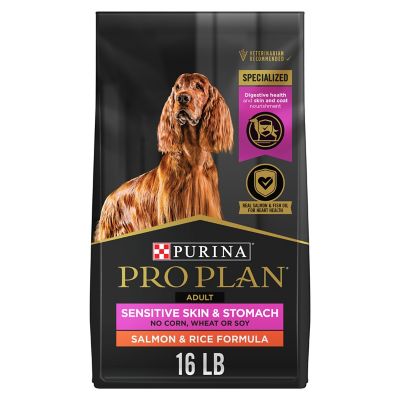
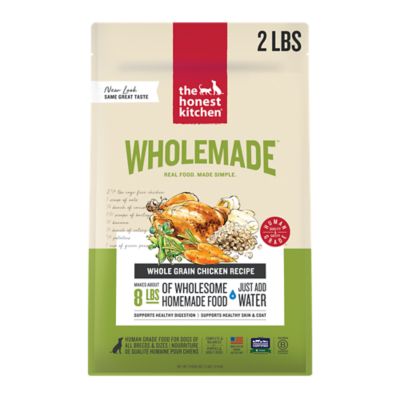
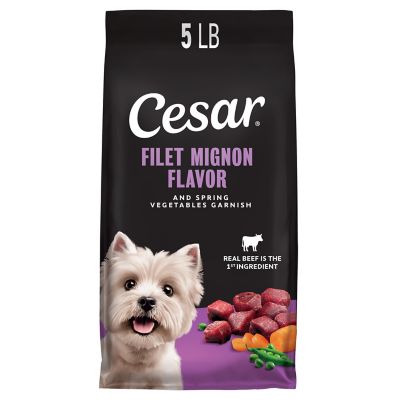
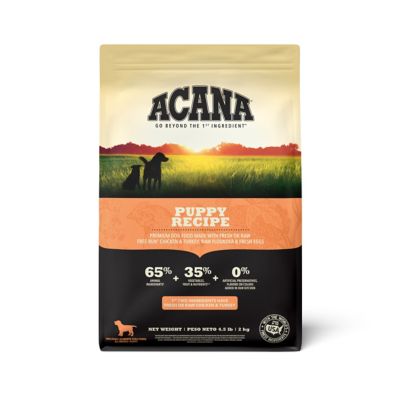
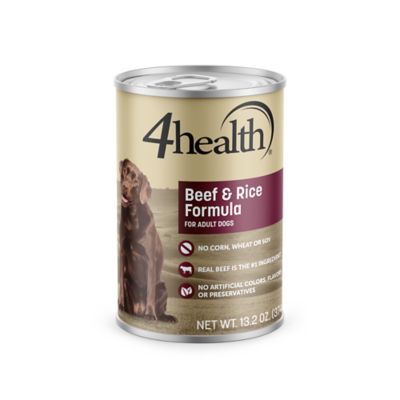
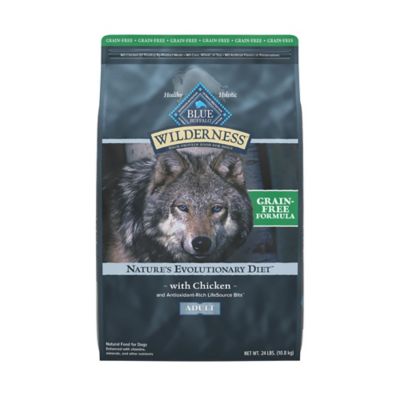
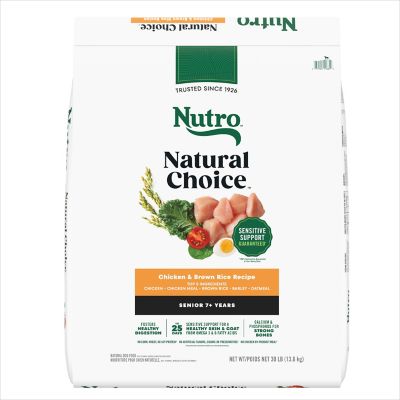
Dog food without by-products gives pet owners a way to match everyday feeding with a preference for recipes that leave out ingredients labeled as meat by-products or poultry by-products. These foods can come in several forms, including dry kibble, wet food, and dehydrated recipes, with different textures and preparation needs. The key distinction is in the ingredient statement, not the picture on the bag or a broad claim on the front. Named proteins such as chicken, beef, turkey, or salmon tell you which animal an ingredient comes from, while terms such as meat by-products describe a different ingredient category. By-products can include organ tissues that supply nutrients, so their presence does not automatically make a food less nourishing, and their absence does not establish that a recipe is better for every dog. For households that prefer food without them, the goal is still a complete diet that fits the dog eating it. It also helps to distinguish a named meat meal from a by-product meal. Chicken meal, for example, is a rendered ingredient with much of its water and fat removed; it is not the same ingredient as chicken by-product meal. A recipe can contain a named meat meal and still be made without by-product meals. Likewise, an individually named organ ingredient, such as liver, is not the same label term as a broadly identified by-product ingredient, though shoppers avoiding all organ meats will want to check for those separately. Ingredients are listed by weight before processing, which means fresh meat’s water content affects its position on the list. Meat listed first can be useful information, but it does not tell the whole nutritional story. Looking at the full ingredient statement alongside the nutritional adequacy statement gives a clearer picture of what belongs in the bowl. That matters whether the bowl sits beside the back door for a farm companion or in the kitchen for a dog whose main job is keeping the family company.
The best fit within dog food without by-products depends on life stage, body size, activity, and feeding habits. A growing puppy needs food formulated for growth, while an adult dog generally needs a recipe intended for adult maintenance or an appropriate all-life-stages formula. Large-breed puppies have particular needs during growth, making the statement about suitability for the growth of large-size dogs especially important. On food intended as a daily diet, look for a nutritional adequacy statement indicating that it is complete and balanced for the relevant life stage under Association of American Feed Control Officials, or AAFCO, nutrient profiles or feeding-test procedures. AAFCO does not approve individual pet foods. Foods labeled for intermittent or supplemental feeding serve a different role and should not replace a complete daily diet unless a veterinarian directs otherwise. Beyond that foundation, practical details make a difference at mealtime. Smaller kibble pieces may be easier for a little dog to pick up, while softer textures may suit some dogs with dental concerns, alongside appropriate veterinary care. Wet food contributes moisture, dry food is straightforward to measure and store, and dehydrated food may need water added according to its directions. A dog that spends hours moving alongside chores may need a different calorie allowance from one that takes a short walk and settles in by the couch. The calorie statement and feeding directions provide a starting point, with portions adjusted to body condition and veterinary advice rather than appetite alone. Protein, fat, fiber, and moisture all deserve attention, but percentages on wet and dry food labels are not directly comparable without accounting for moisture. Flavor preferences matter, too: a recipe only works as an everyday meal if the dog willingly eats it. For an older dog, changes in weight, chewing, or appetite call for a closer look at overall health rather than an automatic switch based only on age. A by-product-free claim is one selection factor, not a substitute for matching the whole formula to the dog.
Ingredient preferences often overlap, but separate label claims should stay separate when comparing foods. Dog food without by-products is not necessarily grain-free, free of artificial colors, or made with a single animal protein. A recipe may contain rice, oats, or barley and still meet a preference for no by-products. Grains can contribute energy and other nutrients, and leaving them out is not necessary for every dog. Discuss grain-free diets with a veterinarian, including concerns about diet-associated heart disease, before making that preference the deciding factor. If a dog has a suspected food allergy, the relevant concern is the ingredient triggering the reaction; removing by-products alone does not remove chicken, beef, or another protein from a recipe. Persistent itching, digestive trouble, or repeated ear problems deserve veterinary attention rather than a string of food changes. Shoppers comparing broader ingredient preferences may also explore
Dog Food With No Filler, while keeping in mind that “filler” has no standardized nutritional definition and each ingredient should be considered for its role in the formula. Once a food fits the dog’s needs, everyday handling helps keep meals consistent. Store dry food in its original bag inside a clean, closed container so the feeding directions, lot information, and expiration date stay close at hand. Keep it in a dry place away from pests, and follow package instructions for opened wet food and any recipe that needs refrigeration or rehydration. Wash bowls and measuring tools regularly, and follow food-safety directions closely for raw or freeze-dried raw foods, which can carry germs affecting pets and people. When changing diets, a gradual transition over about a week, or longer when a veterinarian recommends it, often helps limit digestive upset. Measuring meals instead of repeatedly topping off the bowl makes weight changes easier to track. In a home with several dogs, separate portions also help ensure the energetic youngster is not finishing the older dog’s supper. These small habits support the same practical goal as thoughtful ingredient selection: steady nourishment that suits each dog’s needs and fits the household’s daily routine.