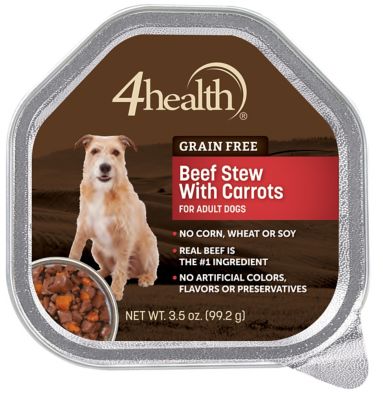
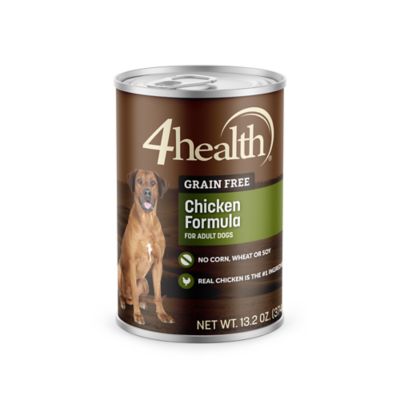
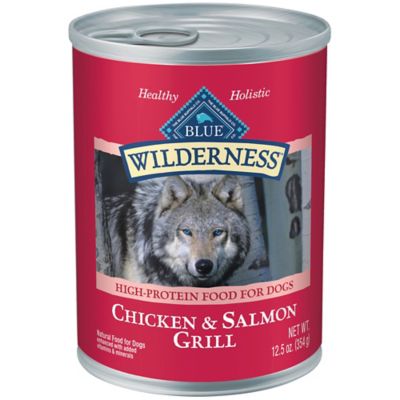
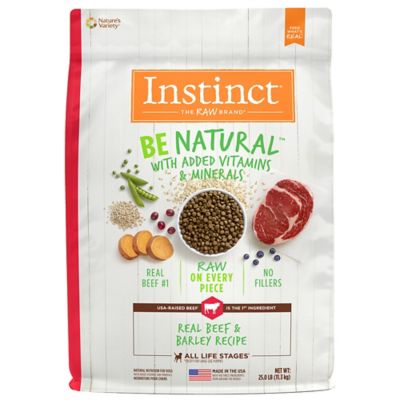
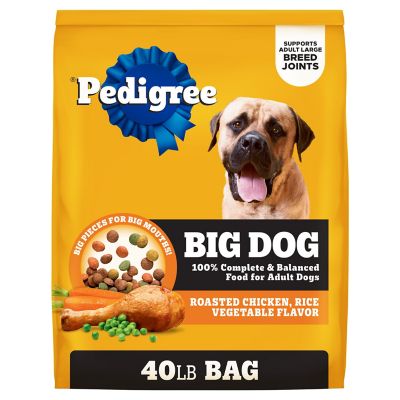
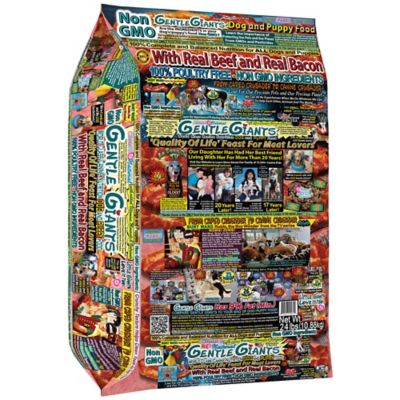
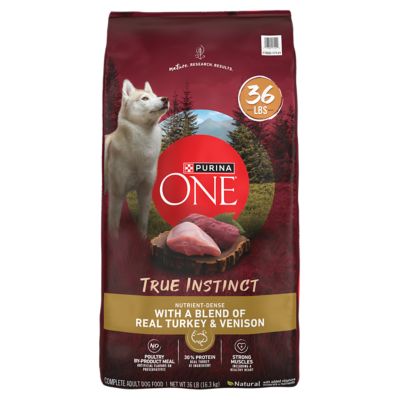
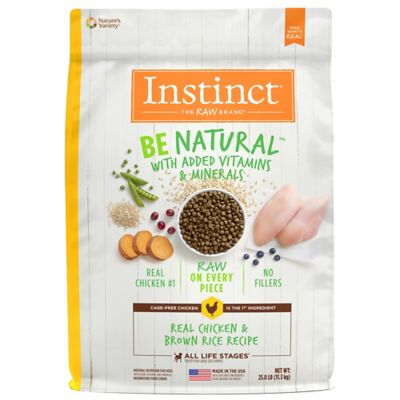
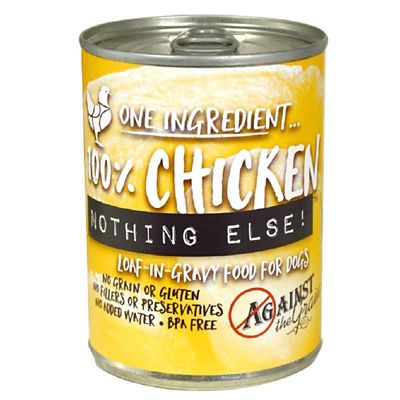
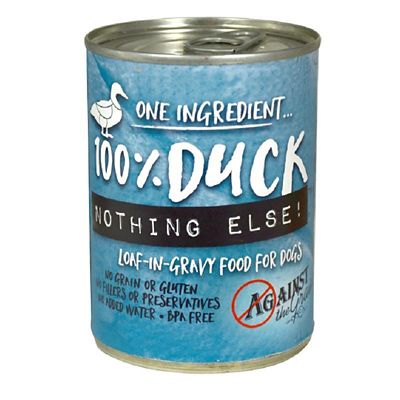
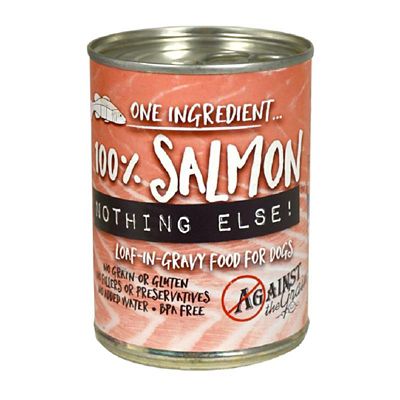
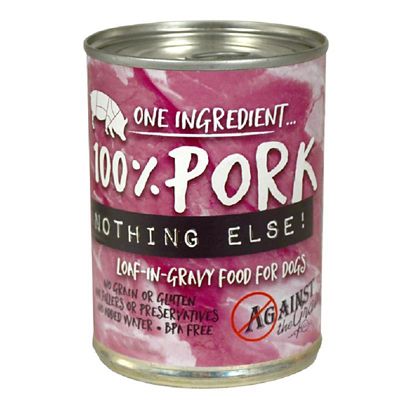
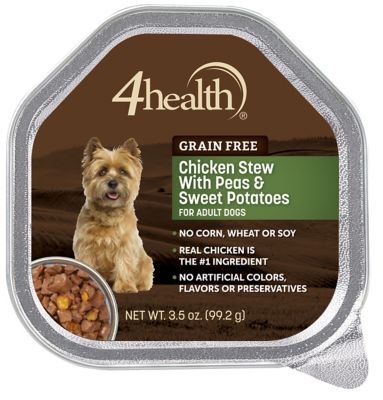
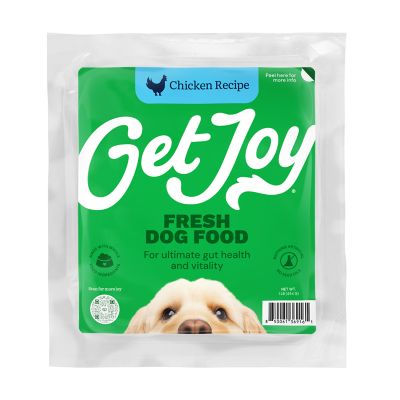
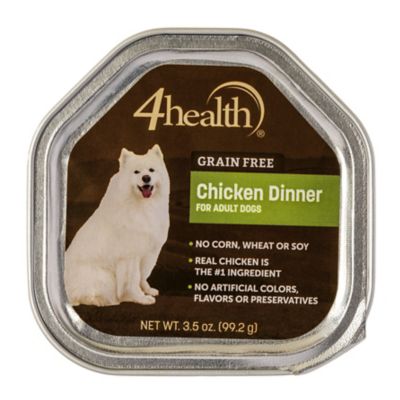
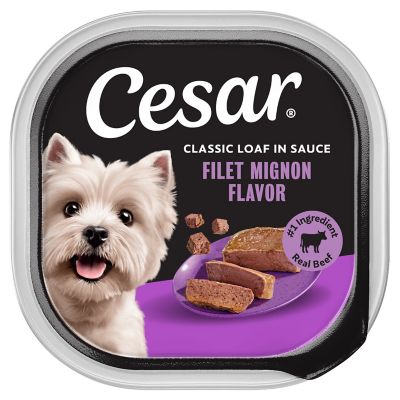
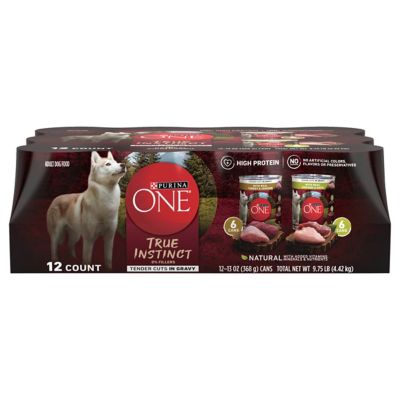
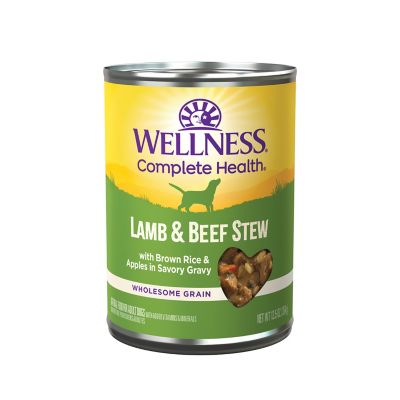
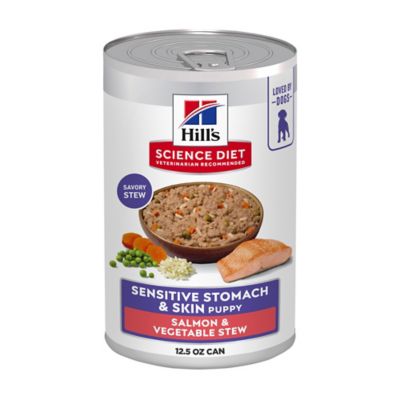
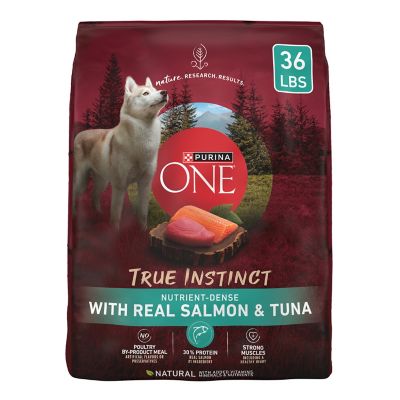
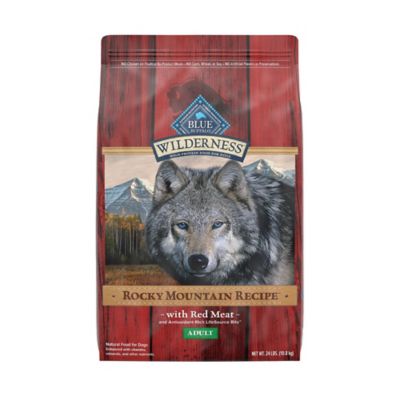
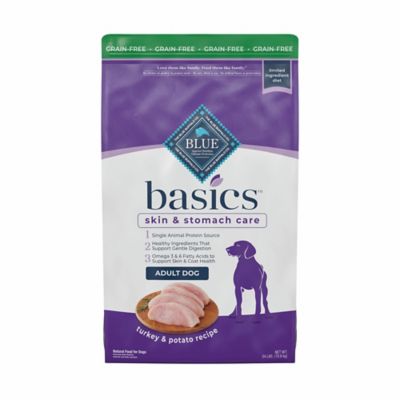
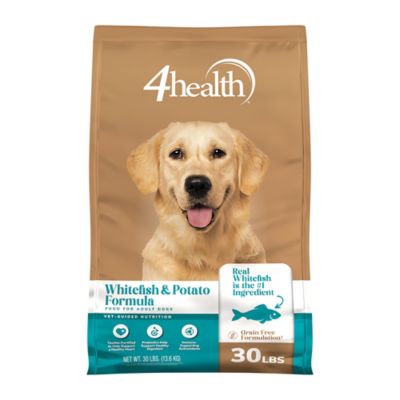
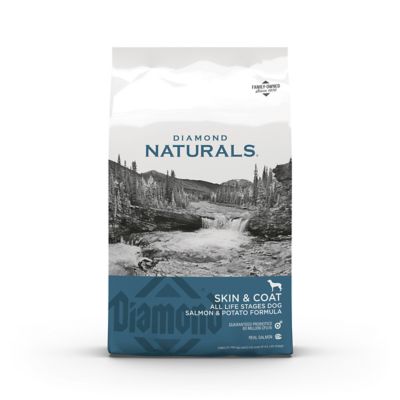
Dog food with no filler puts the focus on ingredients that serve a purpose in the bowl, from protein that supports muscles to fats that provide energy and essential fatty acids. That matters whether your dog spends the day tagging along for chores, keeping watch from the porch, or settling beside the family after a long walk. The phrase “no filler” does not have a standardized nutritional definition, so its meaning can vary from one food to another. Some recipes leave out corn, wheat, or soy; others emphasize named animal proteins or skip artificial colors and flavors. Those differences are worth looking at, but a short ingredient list alone does not tell the whole story. A complete diet still needs the right balance of protein, fat, carbohydrates, vitamins, and minerals for the dog eating it. Corn, wheat, and soy can provide useful nutrients, and their presence does not automatically make a food less nourishing. Likewise, a grain-free label does not mean a recipe is a better fit for every dog. Named ingredients such as chicken, beef, fish, and lamb make the protein source easier to recognize, while clearly identified meat meals can supply concentrated animal protein. Organ meats and other animal by-products can also contribute valuable nutrients; they are not automatically filler. Ingredient lists run by weight before processing, which means moisture can affect where fresh meat appears compared with a dried ingredient. Looking at the full recipe alongside its nutritional statement gives a clearer picture than judging by the first ingredient alone. Shoppers who want to put animal protein at the center of the bowl can also explore
Dog Food With Real Meat while keeping the dog’s age, appetite, and feeding needs in view. The goal is a meal that fits the dog, not just a label that sounds good.
The best fit within dog food with no filler depends on life stage, body size, activity, and any health concerns that affect feeding. Puppies need food formulated for growth, while adult maintenance recipes are intended for dogs that have finished growing. Large-breed puppies have particular needs for controlled mineral levels and growth, so a food’s nutritional adequacy statement matters more than an eye-catching front label. A statement that a food is complete and balanced for the appropriate life stage, supported by AAFCO nutrient profiles or feeding tests, helps distinguish an everyday diet from a topper or food intended only for supplemental feeding. Senior dogs do not all need the same recipe, either. An older dog still making the rounds at chore time may have different calorie needs than one spending most of the day on a cushion by the door. Protein percentage is only one piece of that picture; calories per cup or can, fat content, digestibility, and portion size also matter. A concentrated recipe can pack more calories into a smaller serving, which may suit some active dogs but call for a smaller scoop for an easygoing companion. Feeding amounts printed on the package offer a starting point rather than a fixed rule for every dog. Body condition helps tell the rest of the story: ribs should generally be easy to feel beneath a light covering, with a visible waist when viewed from above. Kibble shape and size can influence how comfortably a dog picks up and chews a meal, especially for smaller mouths or dogs with dental concerns. Wet food offers a softer texture and more moisture, though persistent trouble chewing calls for a veterinary check rather than a texture change alone. For households feeding more than one dog, separate portions can help keep a growing youngster, a busy adult, and a slower-moving companion on meals that suit their individual needs.
Recipe style and everyday handling matter just as much as the ingredient list when choosing food that fits your routine. Dry food is straightforward to measure and serve, while canned and other wet foods bring a softer consistency that some dogs prefer. Fresh foods have their own storage and handling requirements, and any food mixed into the bowl should fit the dog’s overall calorie intake. Toppers can add flavor and variety, but too much can crowd out the balanced diet underneath. For a dog with a sensitive stomach, steady feeding habits and a recipe the dog tolerates may matter more than chasing a longer list of ingredients left out. Limited-ingredient food can make it easier to track protein and carbohydrate sources, but it is not automatically a treatment for allergies. Food reactions can involve animal proteins as well as other ingredients, and repeated itching, vomiting, or loose stools deserves a conversation with a veterinarian. A supervised diet trial may be needed to identify a food reaction; switching between several recipes can make the cause harder to sort out. Once a suitable food is chosen, gradual transitions over about a week can help many dogs adjust, with a slower change when a veterinarian recommends it. Keeping mealtimes consistent also makes changes in appetite or digestion easier to notice. At home, dry food stays in better condition when the original bag is closed tightly and kept in a clean, dry spot away from direct sunlight. If the bag goes inside a storage bin, keeping it in its original packaging preserves the feeding directions, lot number, and best-by date. Opened wet food needs handling and refrigeration according to its label, and bowls and scoops need regular washing. Fresh drinking water belongs alongside every meal, regardless of food format. With sensible portions, proper storage, and attention to how the dog eats and feels, a no-filler preference becomes part of a practical feeding routine built around the dog’s needs.