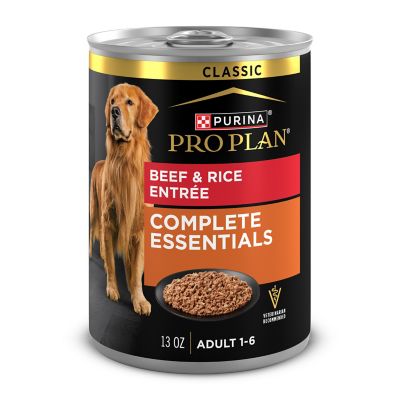
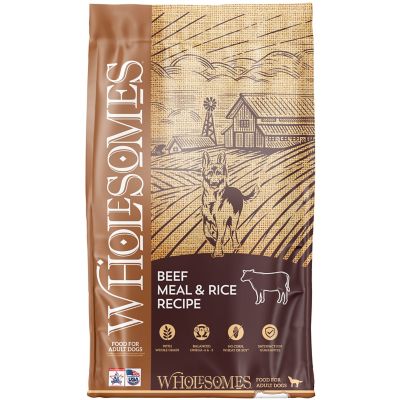
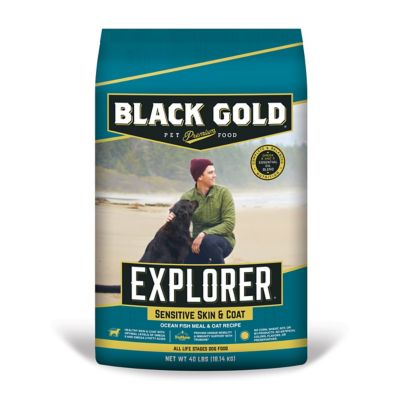
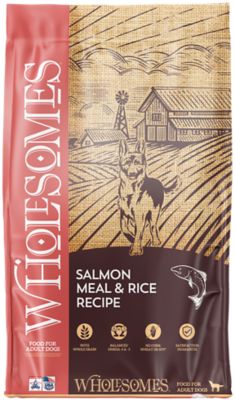
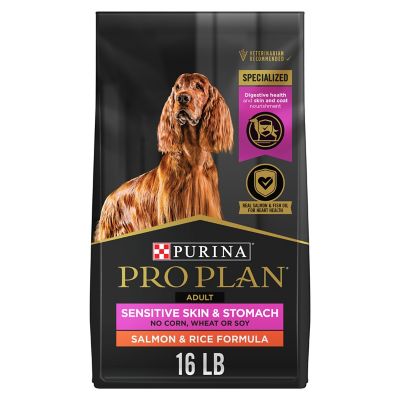
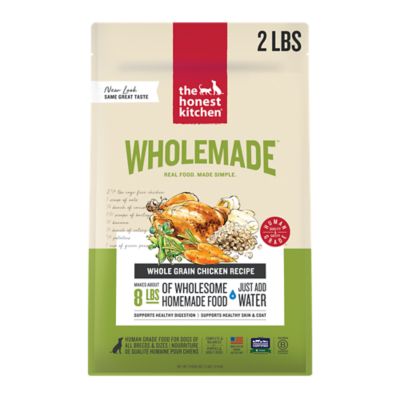
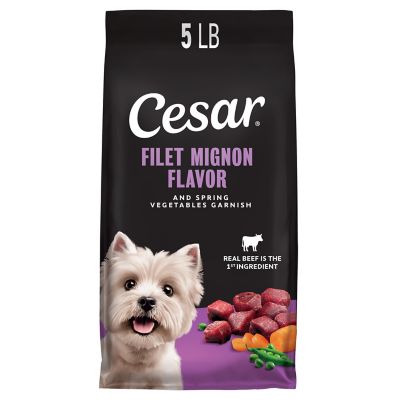
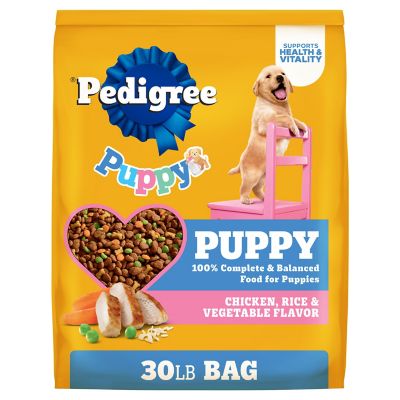
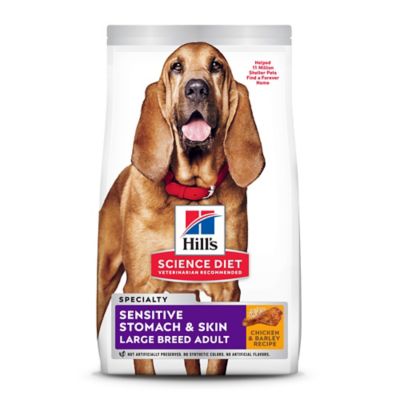
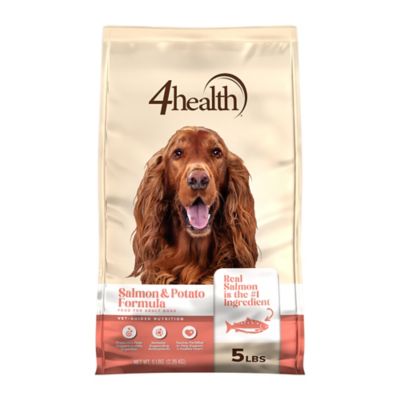
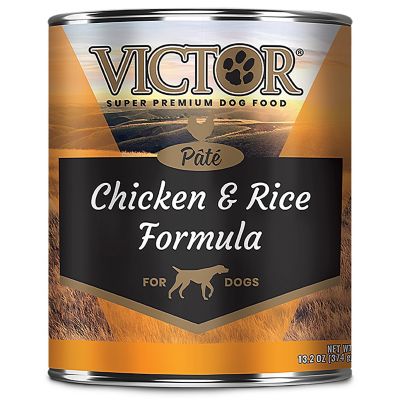
Dog food with omega 6 can be a practical choice for keeping your dog’s everyday nutrition on track, especially when you want a formula that supports healthy skin and a soft, glossy coat. Omega-6 fatty acids are essential nutrients, which means dogs need to get them from their food because their bodies cannot make enough on their own. The two omega-6 fats most often discussed in canine nutrition are linoleic acid and arachidonic acid. Linoleic acid helps support the skin barrier, while omega-6 fatty acids also play a part in healthy cell membranes and normal immune function. Many complete and balanced dog foods already provide adequate omega 6 through familiar ingredients such as chicken fat, turkey fat, beef or pork fat, eggs and egg yolks, fish or fish meal, and plant-based oils. Sunflower, corn, soybean, safflower and canola oils are common sources of linoleic acid. When checking a food label, look beyond a single ingredient and consider the whole formula, including its guaranteed analysis, animal protein sources, calorie level and intended life stage. A puppy growing into a lanky farm dog has different needs than a mature companion that spends most of the day napping by the mudroom door, while an active hunting, herding or working dog may need a different calorie density. Look for wording that indicates the food is complete and balanced for your dog’s life stage, and follow the feeding directions as a starting point rather than a hard rule. Body condition, activity level and treats all matter when deciding how much to serve.
A dog’s skin and coat can tell part of the story of their overall nutrition. During cooler months, dry air, indoor heat, dusty kennels and frequent time outdoors can leave some dogs with a dull coat or flaky-looking skin, while wet grass, mud and seasonal shedding can make regular grooming feel like a full-time chore. A well-formulated food with omega 6 may help maintain the skin’s natural barrier and keep the coat looking healthy, but it is not a cure-all for itching, hair loss, hot spots, odor or recurring ear trouble. Those signs can come from fleas, environmental allergies, food sensitivities, parasites, infection or other health concerns, so a veterinarian should check persistent or severe problems before you make major diet changes. It is also worth remembering that more omega 6 is not automatically better. Dogs need a balanced diet, and the overall blend of fats matters more than chasing one nutrient in isolation. Read the ingredient list for recognizable sources of fat and protein, compare the nutrition statement, and choose a formula that fits your dog’s age, size and routine. If your dog has a diagnosed condition, a history of pancreatitis, a sensitive stomach or a prescribed diet, check with your veterinarian before adding oils, toppers or supplements. Extra calories from poured-on oils can add up quickly, and sudden changes may cause loose stools. Ease into a new food over several days by mixing a small amount with the old food, then gradually increasing the new formula while watching appetite, digestion, energy and stool quality.
Dog food with omega 6 works well for households with one beloved porch dog, a whole pack of working dogs, or a family pet that follows everyone from the feed room to the back steps. It can also be a thoughtful, useful gift for a friend who has recently adopted a dog, welcomed home a new puppy or is putting together supplies for a kennel or rural homestead. Food is personal, though, so check the dog’s age, size and dietary needs before giving a bag as a gift; a gift card or a quick conversation about the dog’s usual food may be the better route for a pet with allergies or a sensitive stomach. Keep any new food stored in a cool, dry place with the bag sealed tightly, and use a clean scoop so moisture, pests and barn dust stay out. Fresh water should always be available, particularly for dogs eating dry food or spending long stretches outdoors. For shoppers comparing essential fatty acids, omega-6 sources and other nutrition features,
Dog Food With DHA offers another way to explore dog food options that include important fats. Whether your dog is curled up on a blanket during a chilly evening or racing across a freshly dried field, the best choice is a dependable, complete and balanced food that supports their daily energy, healthy skin and coat, and the steady good health that lets them keep up with the family.