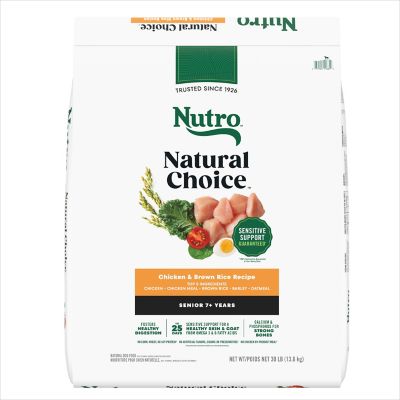
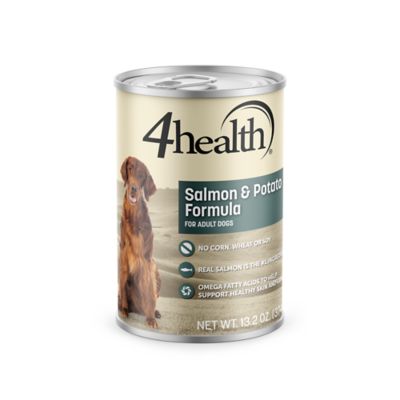
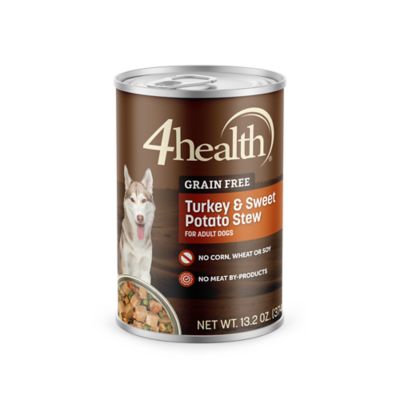
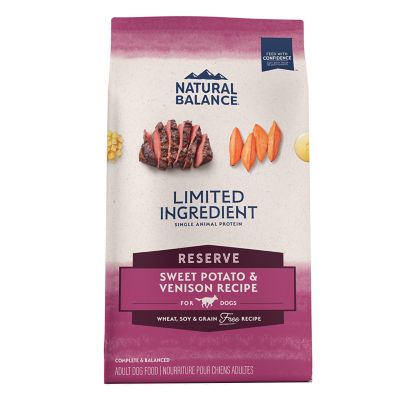
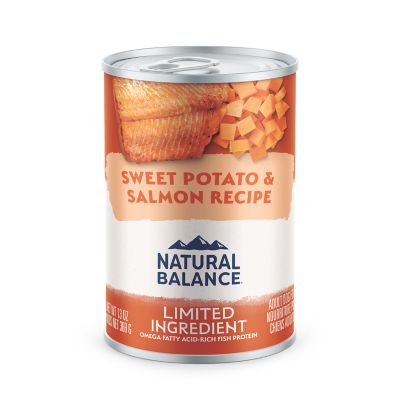
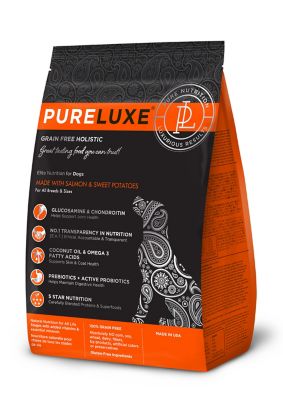
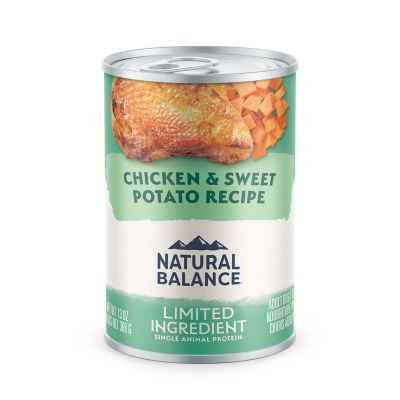
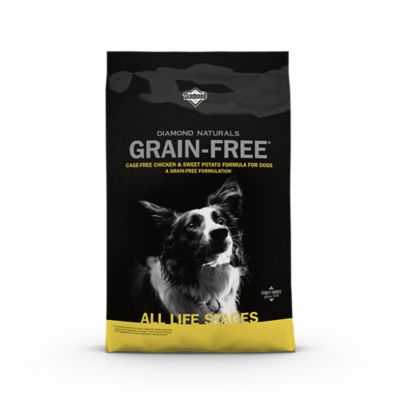
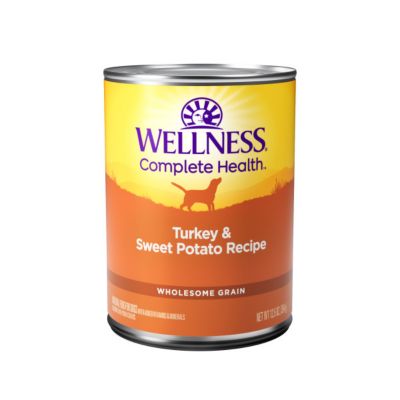
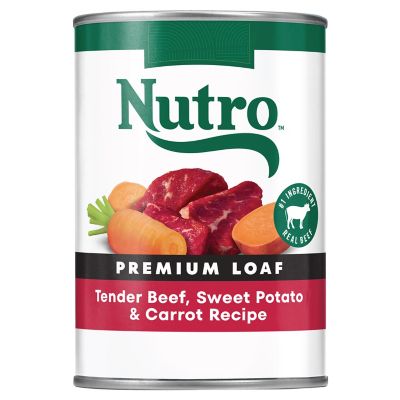
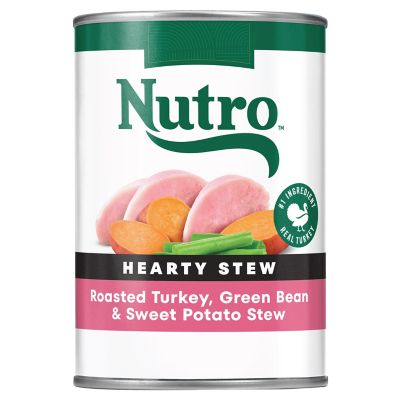
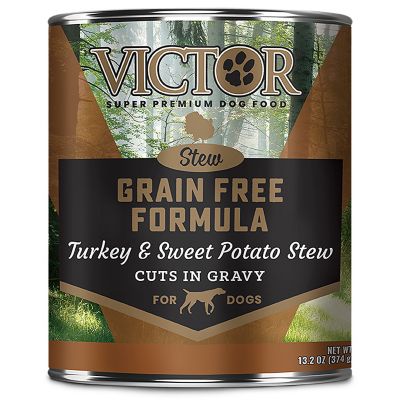
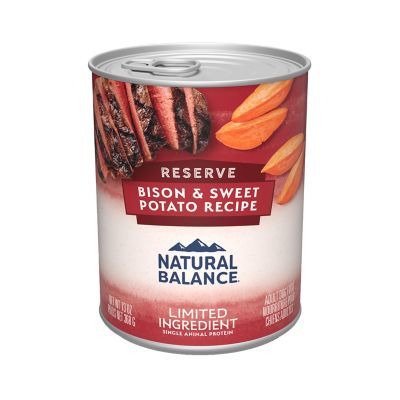
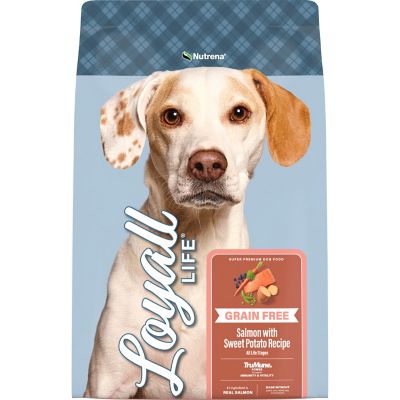
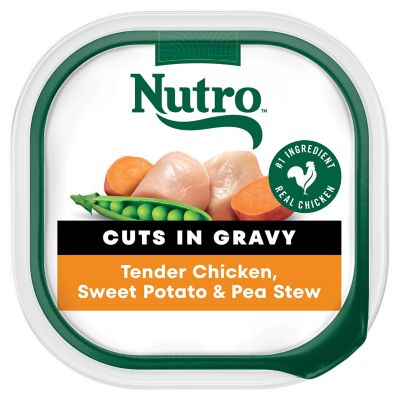
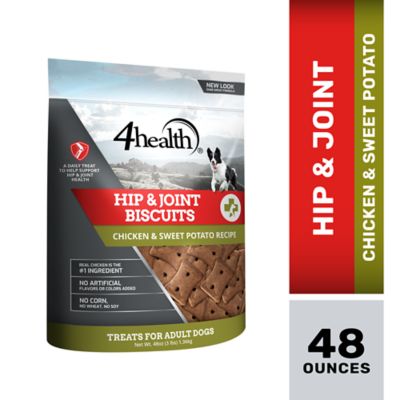
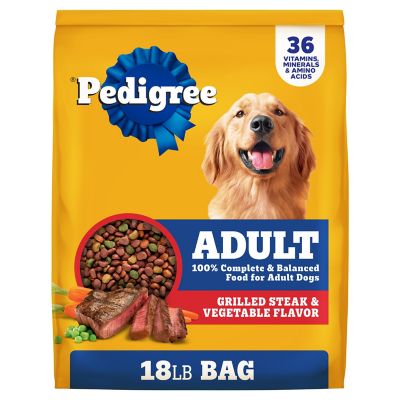
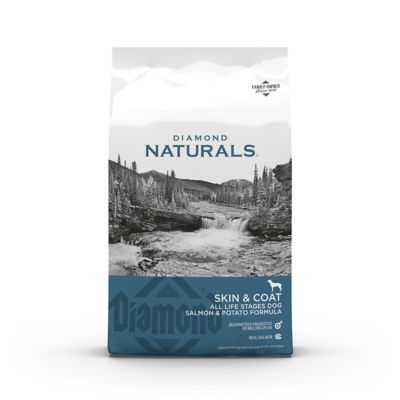
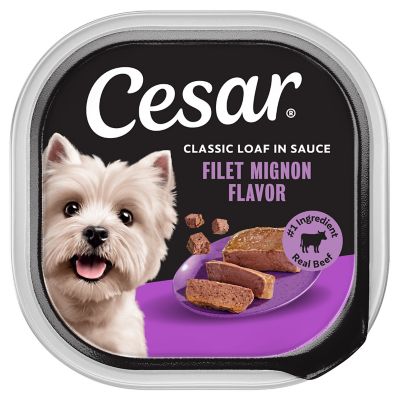
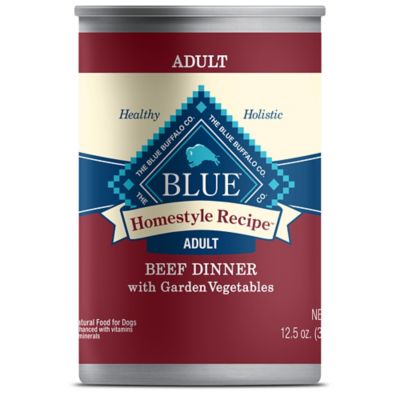
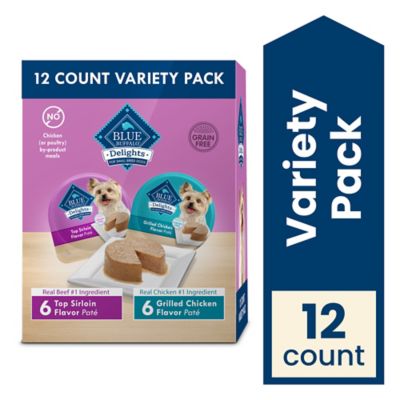
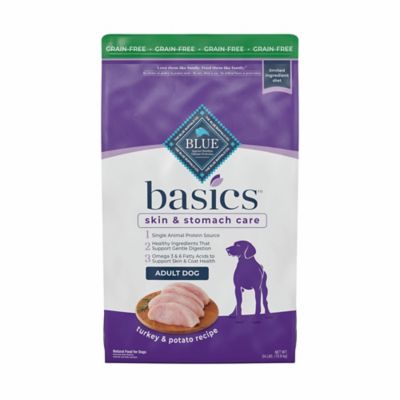
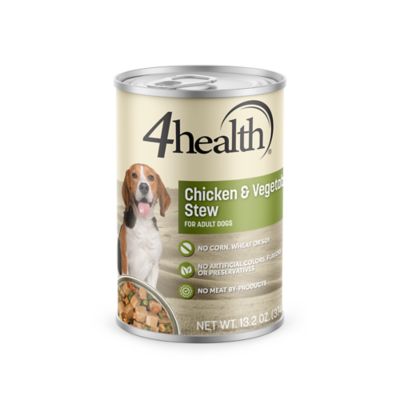
Dog food with sweet potatoes is a popular choice for pet parents looking to add a wholesome carbohydrate and fiber source to a dog’s everyday bowl. Sweet potatoes provide energy and contain nutrients such as beta-carotene, vitamins A, C and B6, along with helpful minerals. Their soluble fiber may support regular digestion and healthy gut bacteria, which can be useful for dogs with sensitive stomachs or inconsistent stools. In commercial dog food, sweet potatoes are typically cooked and blended into a complete recipe with animal protein, fats, vitamins and minerals. They may appear in grain-free recipes, limited-ingredient formulas or everyday meals made for puppies, adult dogs or senior dogs. Grain-free is not automatically better for every dog, and a recipe with sweet potatoes should be selected based on the whole formula rather than one ingredient alone. Look for a statement showing that the food is complete and balanced for your dog’s life stage, then consider your dog’s size, activity level and individual needs. A busy farm dog that spends long days moving across pasture may need a different calorie level than a laid-back house dog that prefers the shade of the porch. Dogs with known food allergies or recurring digestive problems may benefit from a simpler ingredient list, but a veterinarian should help identify the cause of ongoing itching, vomiting, diarrhea or weight changes. For households comparing poultry, beef, fish or other protein sources, checking the first several ingredients can help match a food to a dog’s usual diet and any sensitivities. Similar recipes can also be useful when shopping for a dog-owning friend or family member, though food is best given as a gift only when you know the dog’s preferred recipe, life stage and dietary restrictions. A bag of familiar food, a small scoop or a sealed container for keeping kibble fresh can make a practical gift for a new puppy owner, a neighbor caring for an older dog or anyone welcoming a four-legged companion into the household. For a related option, browse
Turkey And Sweet Potato Dog Food.
When choosing dog food with sweet potatoes, start with the dog rather than the front of the bag. Puppies need food formulated for growth, while adult and senior dogs may need different calorie levels, protein amounts or added nutrients. Large-breed puppies often have special feeding considerations, and small dogs may do better with a smaller kibble size that is easier to pick up and chew. An active hunting dog, stock dog or companion that joins you on long walks may burn through meals faster than a dog that spends most of the day indoors, but extra portions should be added gradually and monitored by body condition. You should be able to feel the ribs with light pressure while still seeing a healthy covering over them; a veterinarian can help assess weight when a thick coat makes it hard to tell. Read feeding directions as a starting point, not a strict rule, since individual dogs vary. If changing to a sweet potato recipe, mix it with the old food over about a week, beginning with a small amount of the new food and increasing it slowly. This steady change can help avoid the loose stools that sometimes follow a sudden switch. Keep clean water available, especially during warmer stretches or after hard exercise. If your dog eats wet food, compare storage instructions and serving sizes with the same care used for dry kibble. Resealable packaging or a tight-lidded food container helps protect texture and flavor from barn dust, humidity and curious noses. Store food in a cool, dry place, keep the original lot information nearby and wash bowls regularly. For dogs that need a little variety, a complete sweet potato recipe can be rotated with another suitable food, but frequent changes are not a good fit for every stomach. Dogs with medical conditions, prescribed diets, a history of pancreatitis or suspected allergies should be guided by a veterinarian before adding a new recipe or topper.
Plain sweet potato can also be offered as an occasional supplemental food, but it is different from feeding a complete commercial dog food made with sweet potatoes. If preparing it at home, peel the sweet potato, cook it thoroughly by boiling, steaming or baking, and serve it plain after it has cooled. Do not add butter, salt, sugar, oil, gravy, spices or other seasoning. Raw or undercooked chunks and tough skins can be difficult to digest and may create a choking or intestinal blockage risk, particularly for small dogs and eager eaters. Cut cooked pieces into an appropriate size, mash them into a meal or use a small amount as an occasional topper. Treats and supplemental foods, including plain sweet potato, should generally make up no more than 10% of a dog’s daily calories, with the remaining calories coming from a complete and balanced diet. Watch for changes in stool, appetite, skin or energy after introducing anything new, and stop serving it if your dog shows signs of discomfort. A dog that trots over from the chicken coop with dusty paws may happily clean out a bowl, but enthusiasm alone does not show that a food is a good match; steady weight, comfortable digestion, a healthy coat and normal energy are better signs. During the warmer season and into cooler months, routines can shift with travel, outdoor chores, boarding or more time spent inside, so keeping meals measured and consistent can make feeding easier. Dog food with sweet potatoes can fit many feeding routines, from a straightforward daily meal for a family companion to a carefully selected option for a dog whose owner is comparing protein sources and ingredient lists. Choose a formula suited to the dog’s age and activity, introduce it patiently, and ask a veterinarian for personalized advice when health concerns are part of the decision.