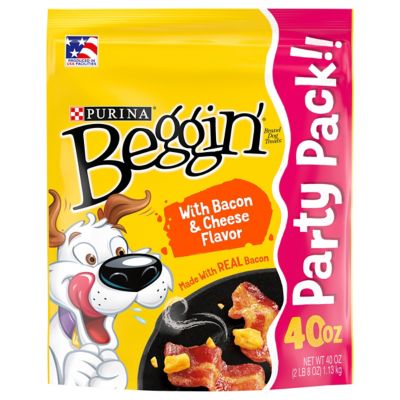
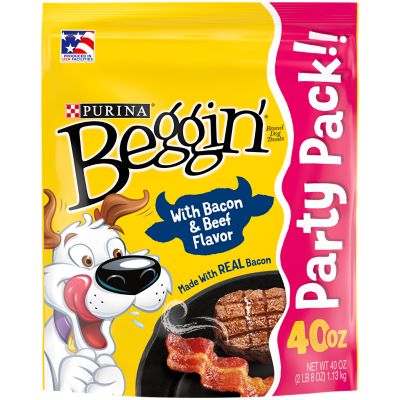
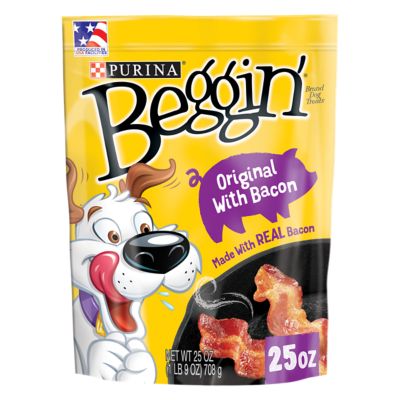
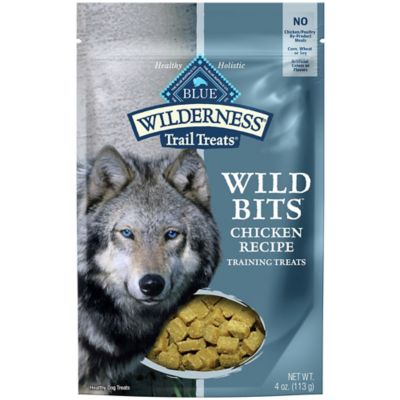
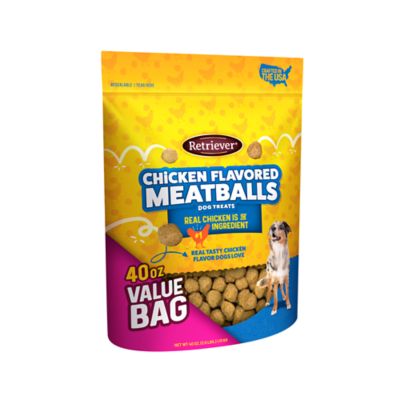
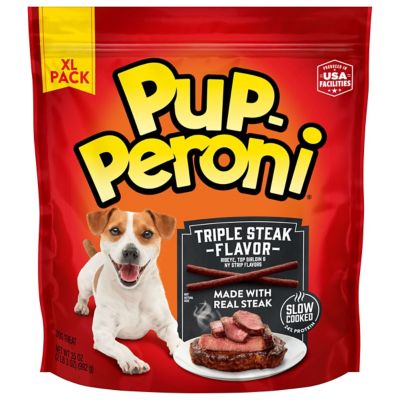
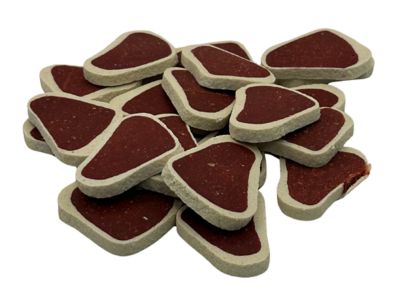
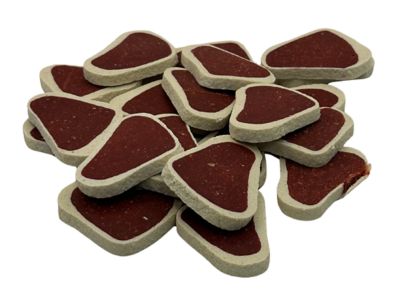
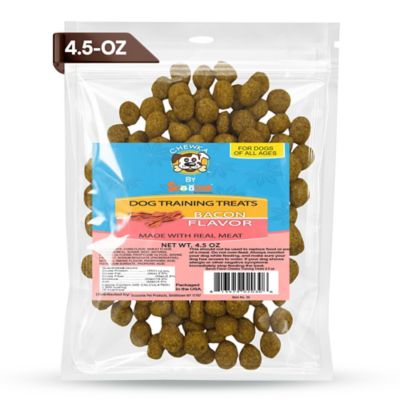
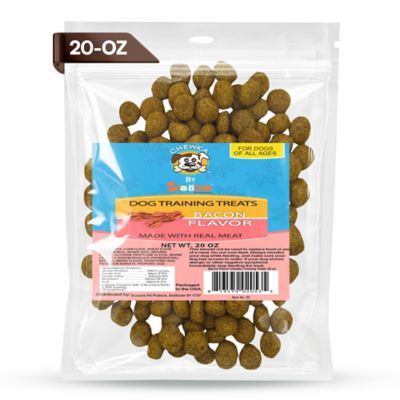
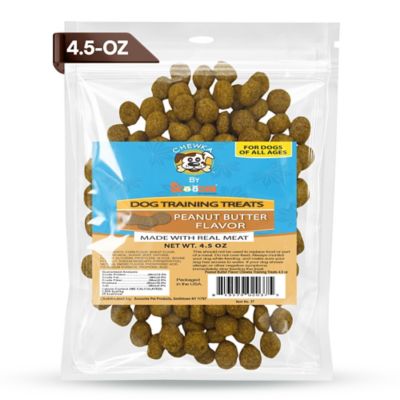
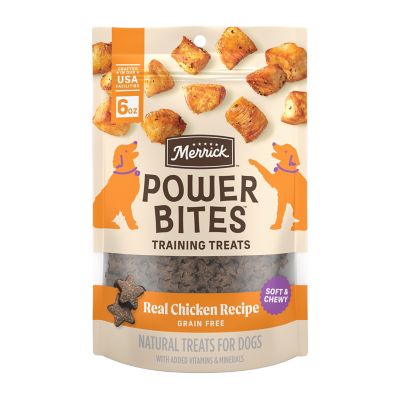
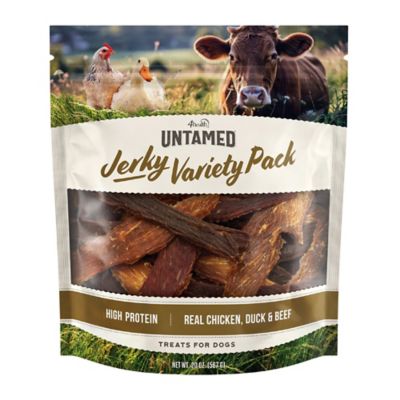
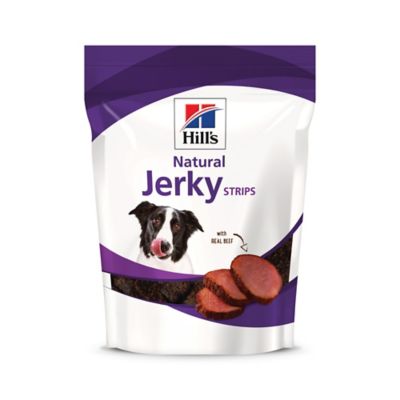
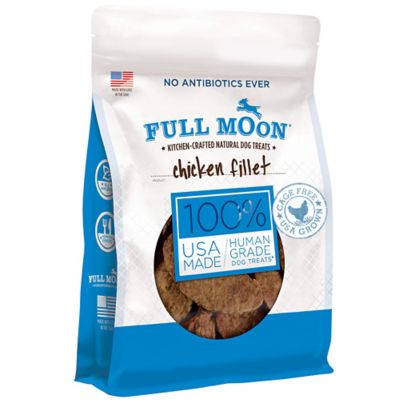
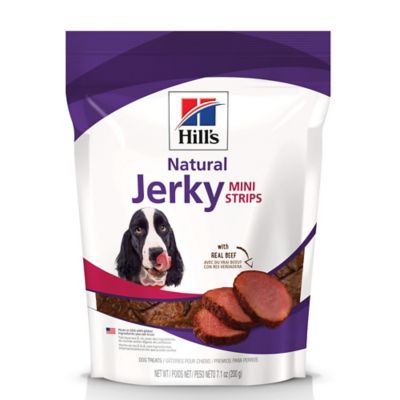
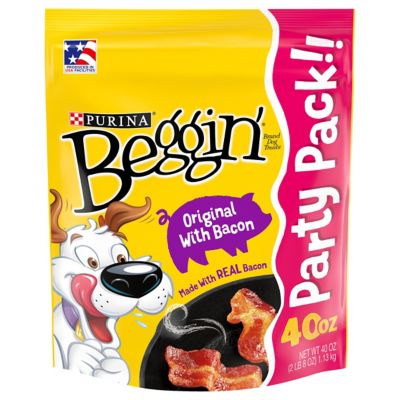
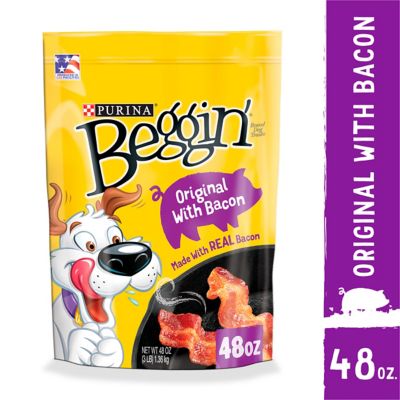
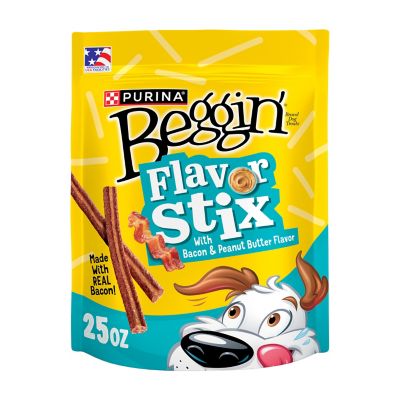
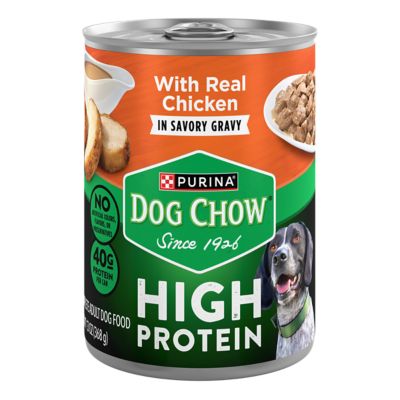
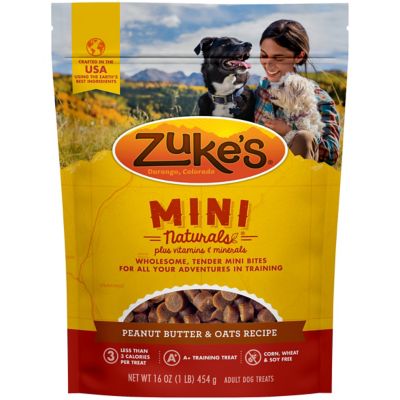
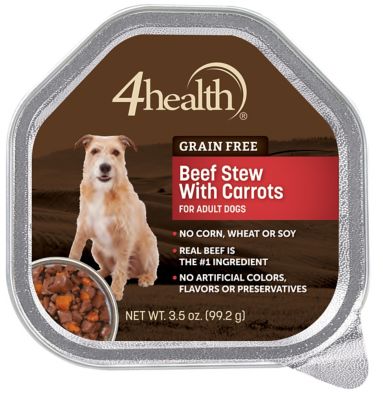
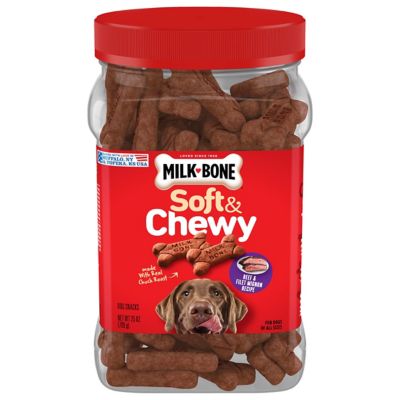
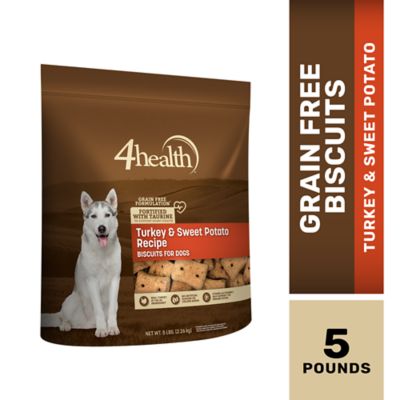
Dog treats with real meat can bring a little extra interest to everyday rewards, whether that means practicing a calm sit at the back door or calling a dog away from the fence line. The scent and flavor of chicken, beef, turkey, pork or fish can catch a dog’s attention, while different recipes offer a range of textures and portion sizes. Some treats contain a single meat ingredient; others combine meat with grains, vegetables or additional ingredients that help create a soft bite or a crisp biscuit. Real meat on the label does not necessarily mean the entire treat is meat, so the full ingredient list tells more of the story than the wording on the front of the package. Named ingredients make it easier to see which animal proteins are included, especially when a dog already follows a particular feeding plan. A beef recipe, for example, may also contain chicken ingredients, which matters for a dog avoiding chicken. Likewise, a meat-based treat is not automatically grain-free, low in fat or suited to every sensitive stomach. For shoppers also considering
Natural Dog Treats, comparing ingredient lists, calorie information and feeding directions helps keep the focus on what fits the dog rather than a single label claim. Familiar proteins can make sense for dogs that already eat them comfortably, while a different protein may offer another option when a veterinarian recommends a dietary change. No meat source is the right match for every dog, and a short ingredient list alone does not guarantee that a recipe will agree with a particular pet. Across these choices, the appeal stays practical: a flavorful reward that fits into life around the house, yard and property without taking the place of a complete and balanced daily diet.
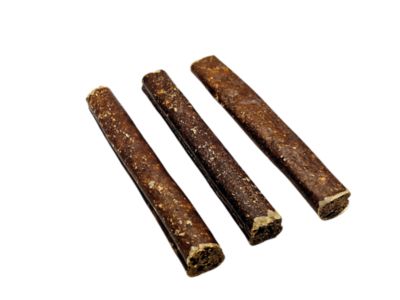
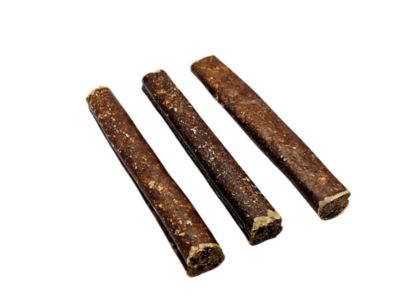
Texture and size make a big difference in how meat treats fit a dog’s routine. Small, soft bites are handy for training because a dog can finish one quickly and get back to the task at hand. During a short session working on leash manners by the driveway, several tiny rewards may be more useful than one large piece that takes time to chew. Treats that break cleanly into smaller portions also give handlers more control over the amount offered, although breaking a treat does not change its total calories. Firmer strips and crunchy bites provide a different chewing experience and may suit a reward after a walk or a quiet moment beside the porch. They still need to match the dog’s size, chewing habits and ability to manage the texture. A large dog that gulps food may need a different shape than a small dog that takes careful bites, and any piece small enough to swallow whole deserves attention. Treats are not a substitute for supervised chew time, and no texture is right for every mouth. Puppies need options appropriate for their age and developing teeth; older dogs or dogs with dental trouble may do better with softer pieces after a veterinarian checks any pain or chewing difficulty. Meat content does not tell the whole calorie story, either. Fat levels, moisture and other ingredients all affect how much energy a treat provides. Calorie information per piece, or per measured amount, makes portion comparisons more useful than judging by appearance alone. A common rule of thumb is to keep treats below 10% of a dog’s daily calories, with the rest coming from complete and balanced food, unless a veterinarian recommends otherwise. Everyone handing out rewards counts toward that total, from the person practicing recall to the family member sharing a bite after chores. Smaller portions help leave room for those everyday moments without letting extras crowd out meals.
Storage and handling matter just as much as choosing a flavor the dog enjoys. Meat treats vary in moisture and preparation, so a soft pouch treat, a firm strip and a freeze-dried bite may have different care directions. The package should spell out whether the treats belong in a cool, dry cupboard, need refrigeration after opening or have a limited period for serving once opened. A resealable closure helps only when it is shut fully and kept clear of crumbs. Leaving an open bag on a feed-room shelf or in a vehicle can expose the contents to moisture, pests or conditions outside the label’s storage directions. Keeping treats in their original packaging, even inside a separate container, preserves the ingredient list, date information and feeding instructions for reference. Clean hands, clean scoops and a washed treat pouch help keep food residue from building up between outings. Any treat with mold, an unexpected change in smell or other signs of spoilage belongs out of reach and out of the feeding routine. Fresh drinking water should stay within reach, and supervision is especially important when offering an unfamiliar size or texture. A gradual introduction in small amounts gives a better sense of how a new recipe agrees with the dog than handing over several pieces at once. Dogs on prescription diets, dogs with a history of pancreatitis and dogs with suspected food allergies need a veterinarian’s input before new treats join the routine. Real-meat treats can also make a thoughtful gift for someone with a canine sidekick, provided the giver knows the dog’s dietary restrictions and chooses sealed packaging with clear feeding information. For homes with several dogs, separate portions and a little space between pets can help keep reward time calm. Whether the goal is rewarding a steady heel, settling onto a bed or coming promptly when called, the right fit comes down to ingredients the dog tolerates, a manageable texture and portions that suit the day’s feeding plan.