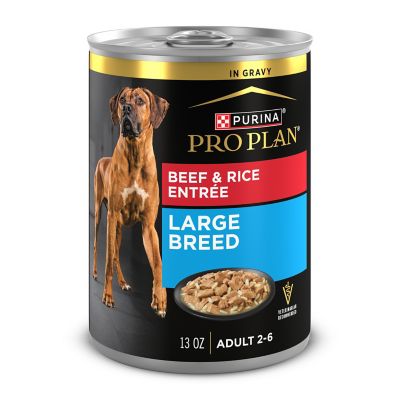
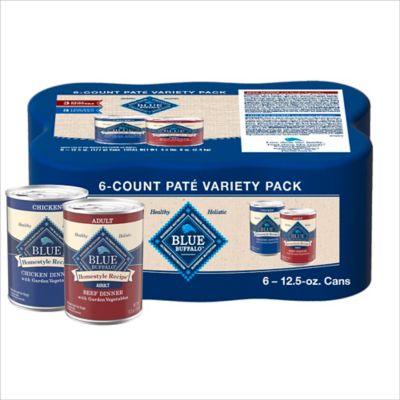
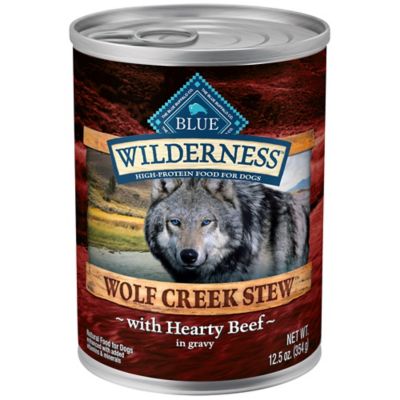
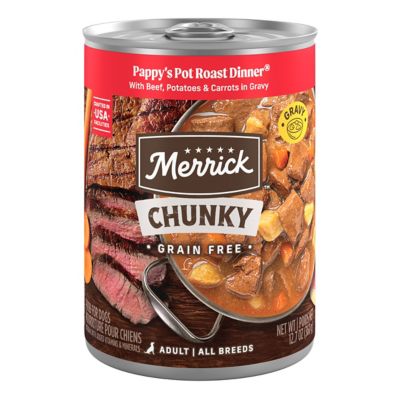
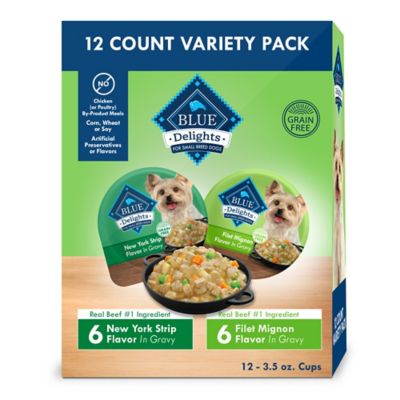
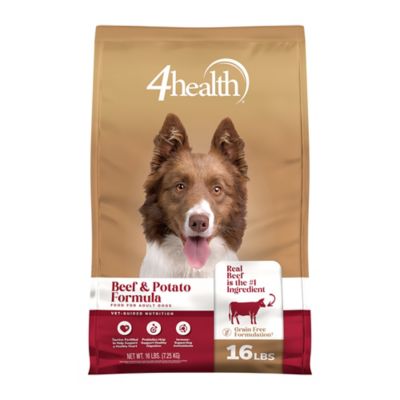
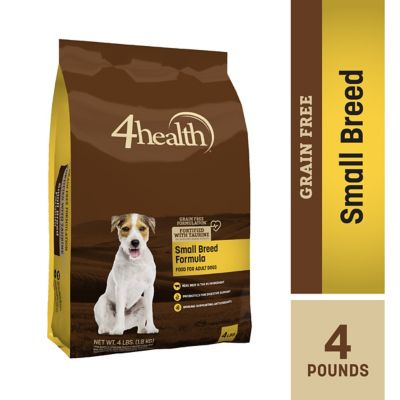
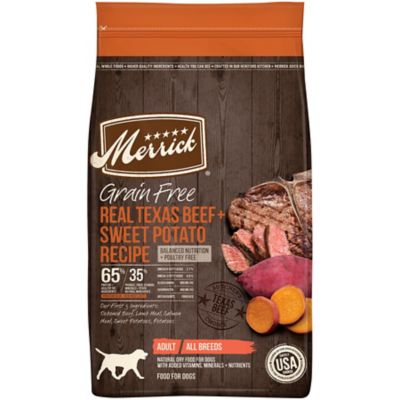
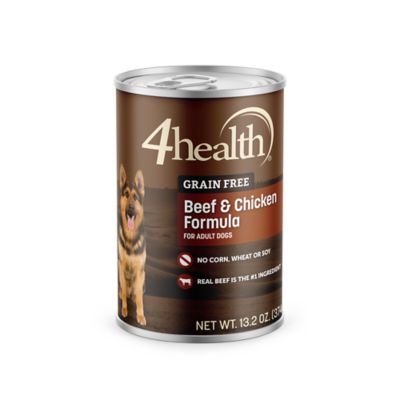
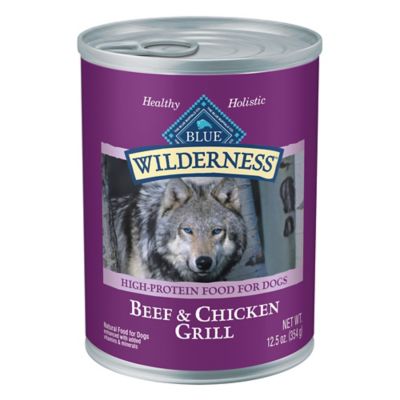
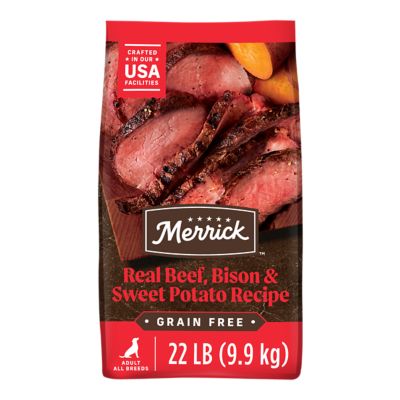
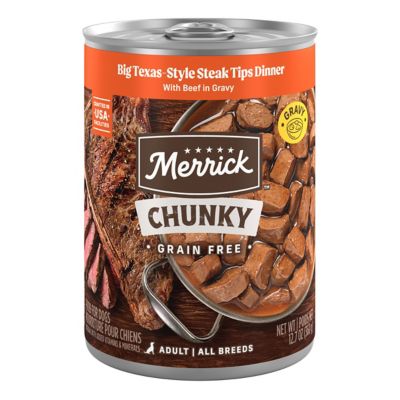
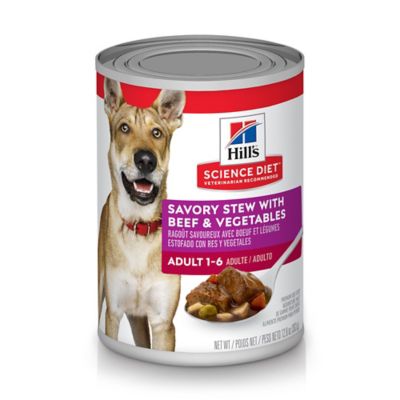
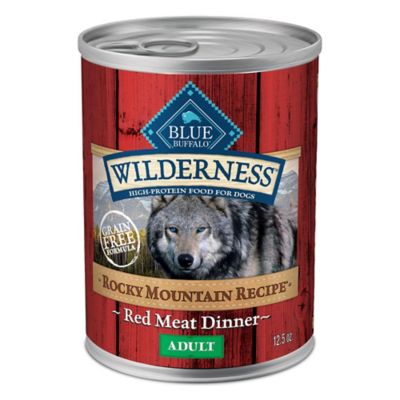
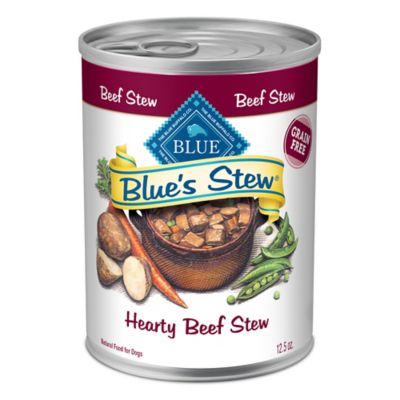
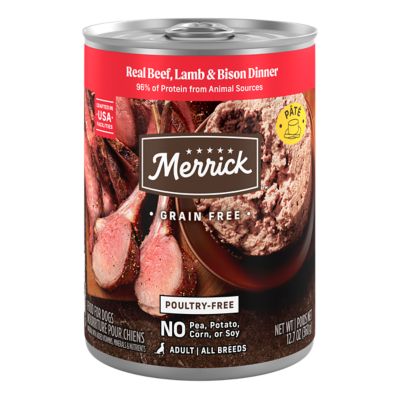
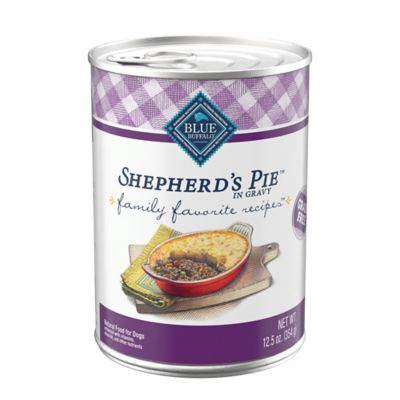
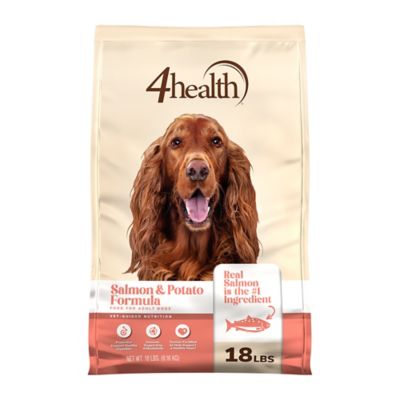
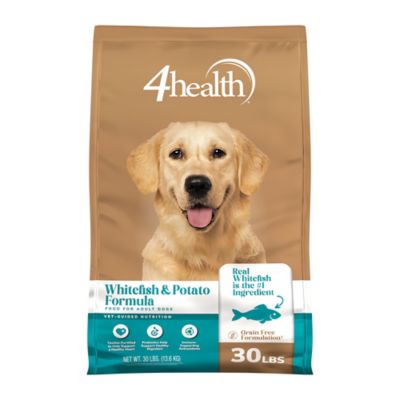
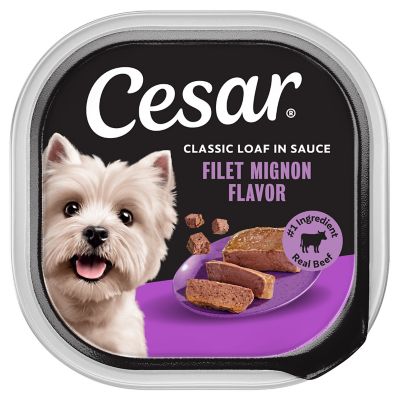
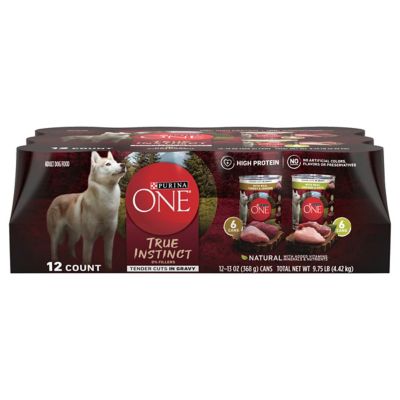
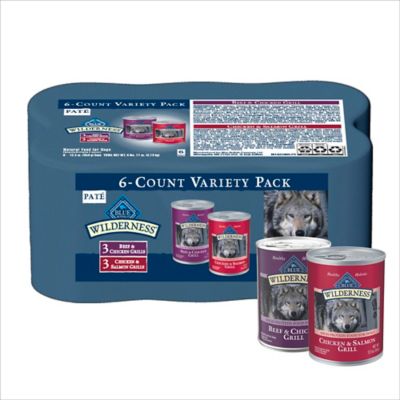
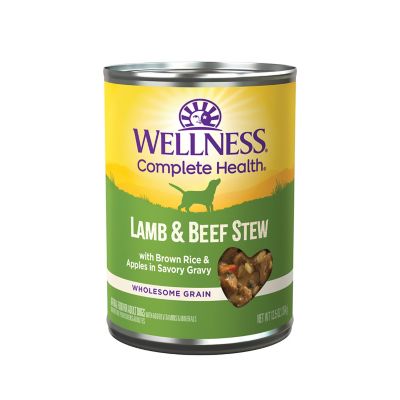
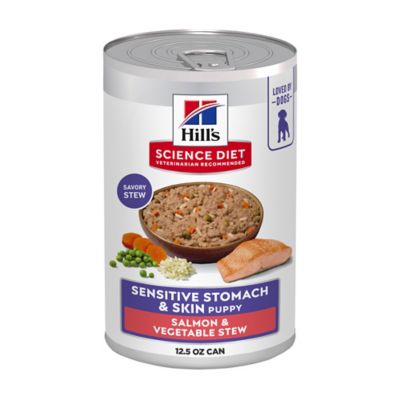
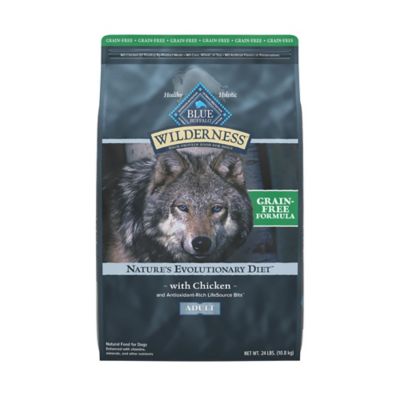
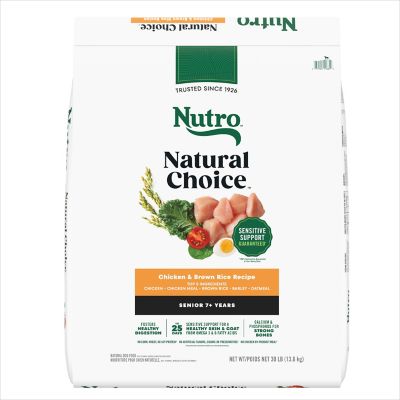
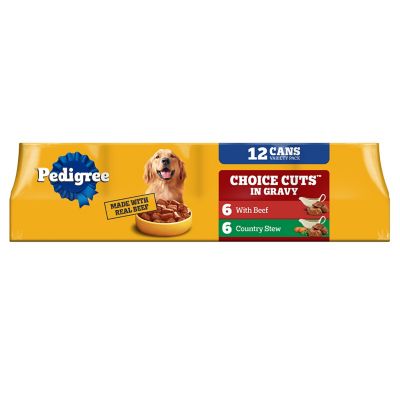
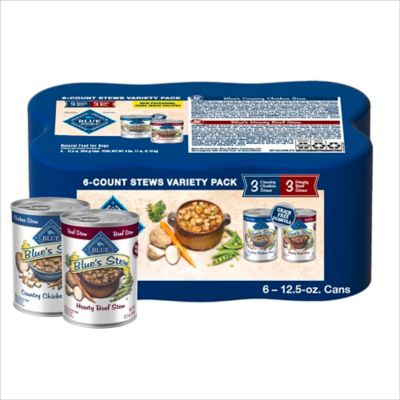
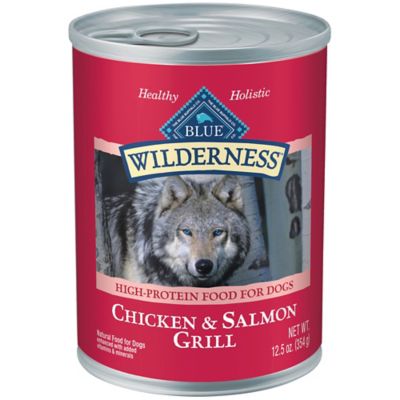
Dog food with real beef gives your dog a hearty source of animal-based protein in a flavor many dogs love. Beef can help provide the amino acids needed to support strong muscles, daily energy, and an active, healthy lifestyle, whether your dog spends the day checking the fence line, riding along on chores, or curled up by the back door. The products on this page may include dry kibble, canned or pouched food, freeze-dried recipes, air-dried options, or other formulas made with beef as a featured ingredient. Dry food is handy for filling the bowl and storing in the feed room, while wet food can add moisture and a rich texture for picky eaters, older dogs, or dogs that have a hard time chewing crunchy pieces. Freeze-dried and air-dried foods offer another convenient way to serve a meat-forward recipe, though some products may need water added before feeding. Raw diets require extra care with handling, storage, and sanitation, so follow the feeding directions closely and keep raw food away from children, livestock areas, and surfaces used for family meals. When comparing options, look at the ingredient list and guaranteed analysis rather than relying on front-of-bag wording alone. If beef is listed near the beginning, it is a prominent part of the recipe; beef meal can also be a concentrated source of protein because much of the moisture has already been removed. A food labeled for all life stages may suit puppies and adult dogs when fed according to its directions, while an adult-maintenance formula is made for grown dogs. Puppies, senior dogs, large breeds, working dogs, and dogs with special needs can have different nutrition requirements, so the right choice depends on more than flavor.
A well-made beef dog food should provide balanced nutrition for your dog's life stage, size, and activity level. Protein supports lean muscle and everyday stamina, while fats supply concentrated energy and help support healthy skin and a shiny coat. Essential vitamins and minerals play a part in normal immune function, bones, teeth, and overall wellness. Some recipes include ingredients such as glucosamine, chondroitin, omega fatty acids, fiber, or added probiotics, which may be useful considerations for dogs needing support for comfortable movement, skin and coat health, digestion, or regular stools. These additions do not replace a balanced formula, and they are not a promise that a food will solve a medical concern. A busy farm dog burning calories in cool weather may need a different amount of food than a small companion dog that spends most of the day indoors. Use the package feeding chart as a starting point, then watch your dog's body condition, energy, stool quality, and appetite. A visible waist and ribs that can be felt under a light covering are generally signs of a healthy weight, but your veterinarian can help you set a more accurate goal. Dogs with known food sensitivities may need a limited-ingredient recipe or a different protein altogether, since beef does not agree with every dog. Change foods gradually over about a week by mixing a small amount of the new food with the old, increasing the new portion little by little. A sudden switch can lead to loose stools, especially in dogs with sensitive stomachs. Keep fresh water available at every feeding, and store dry food in a cool, dry place with the bag sealed tight. Once opened, canned food should be refrigerated and used according to its label directions. During the cooler months, it is easy to overlook how much a dog is eating when activity changes, so continue checking portions and keeping an eye on body condition.
Dog food with real beef can be a practical choice for households with one faithful trail companion or several dogs sharing the chores around a rural property. A high-protein recipe may fit an active adult dog that runs, hunts, trains, or works alongside you, while a lower-calorie option may be better for a less active dog or one that needs help maintaining a healthy weight. For older dogs, softer textures and smaller, easier-to-chew pieces can make mealtime more comfortable; for young dogs, choose a formula designed to meet growth needs instead of simply selecting the highest protein number on the shelf. Dogs can enjoy beef-based food as their regular complete meal, mixed with another compatible food, or used as a gradual change from a previous recipe. Treats and toppers should stay within the daily calorie budget, even when your dog gives you those hopeful eyes from beneath the kitchen table. For extra meaty rewards between meals, browse
Dog Treats With Real Meat. Whether you are stocking the pantry before a stretch of cold weather, packing food for a hunting trip, or refreshing the feed supplies for the dogs at home, choose a package size that matches your storage space and how quickly your household goes through food. Check the seal, expiration or best-by information, and feeding instructions before serving. If your dog has a chronic condition, is pregnant or nursing, takes medication, or shows signs such as ongoing itching, vomiting, diarrhea, weight loss, or a sudden change in appetite, talk with a veterinarian before making a major diet change. A good beef dog food should make feeding simple, provide dependable daily nourishment, and help keep your dog ready for the next walk down the lane, nap on the porch, or round of chores by your side.