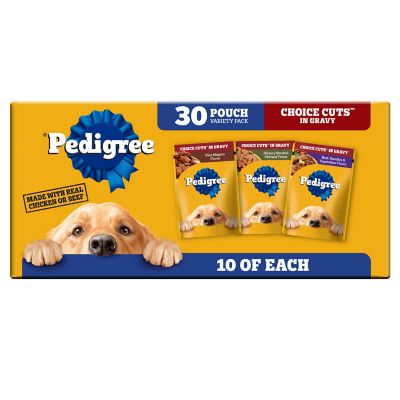
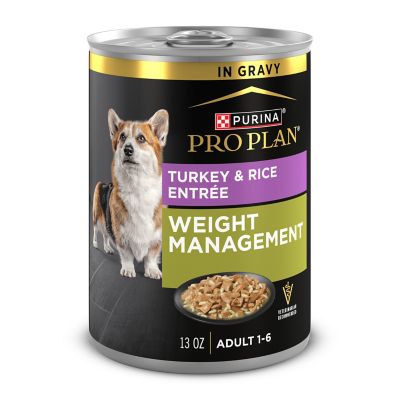
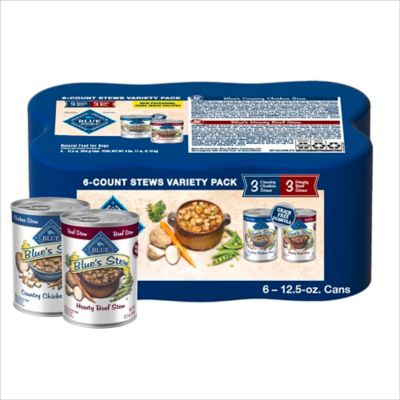
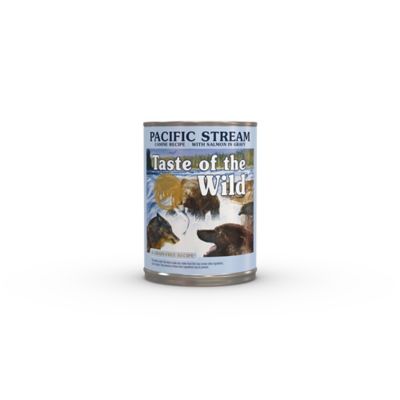
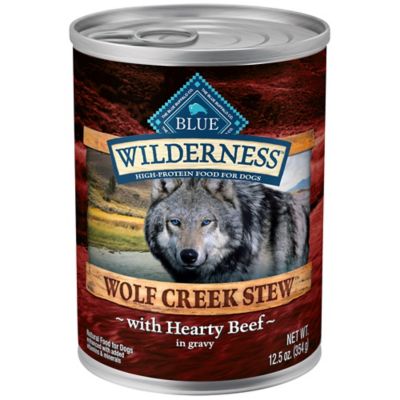
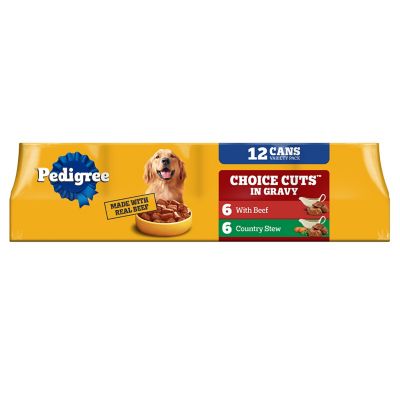
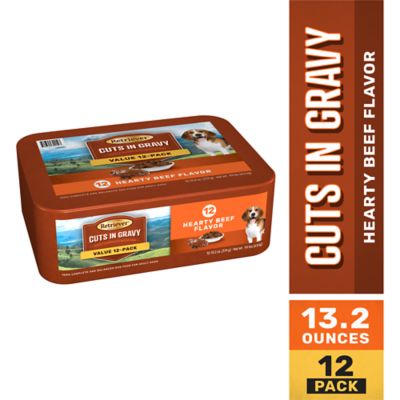
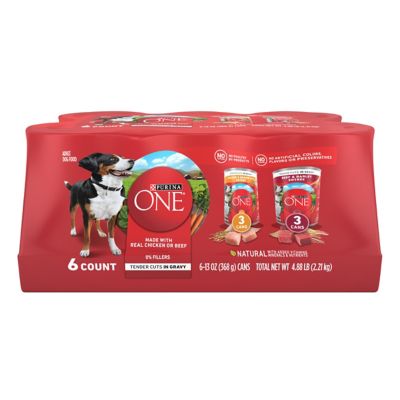
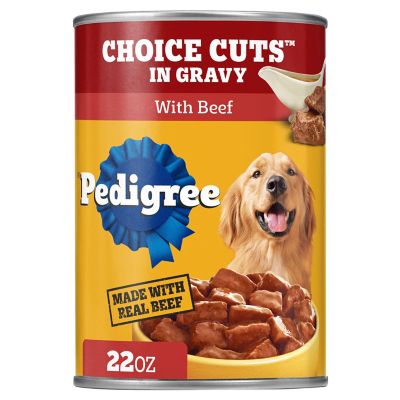
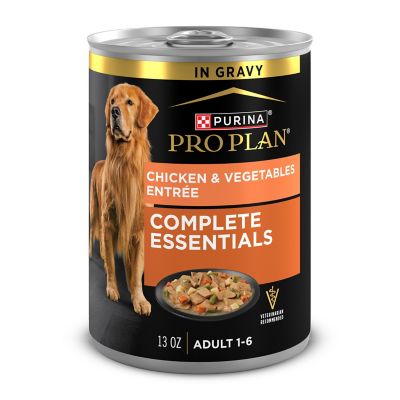
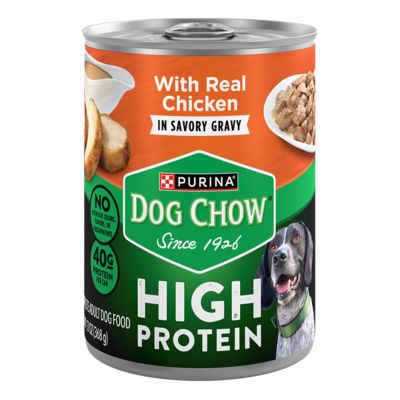
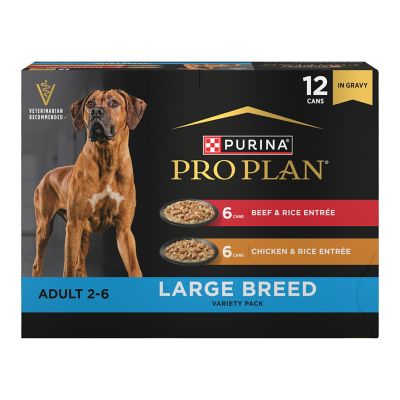
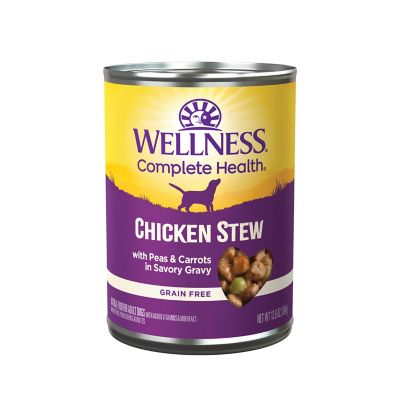
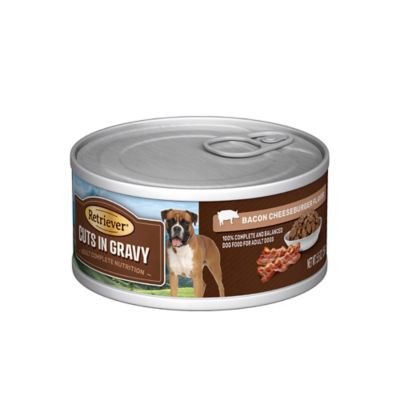
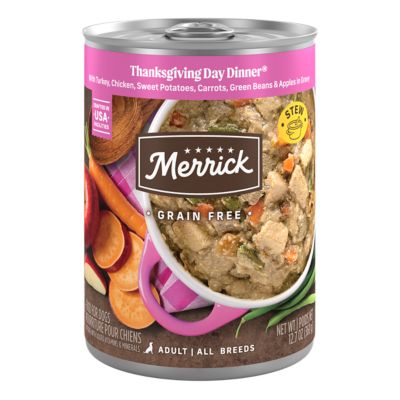
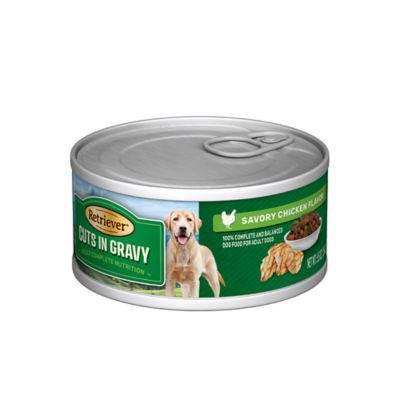
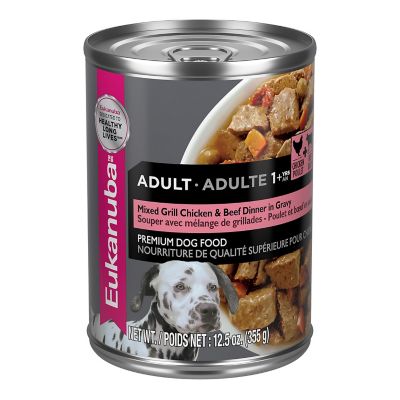
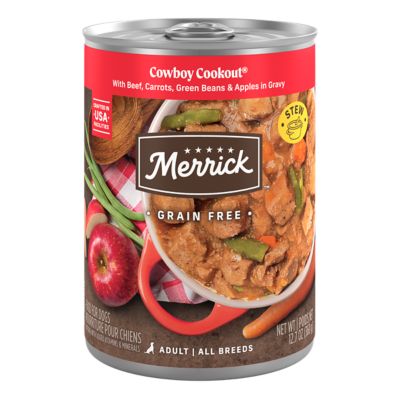
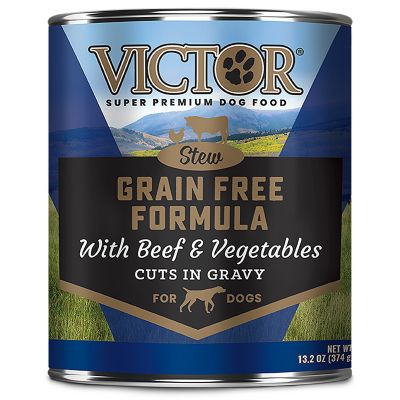
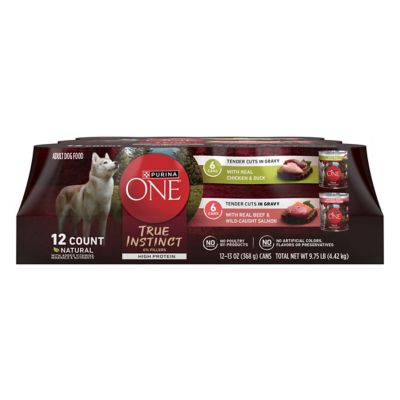
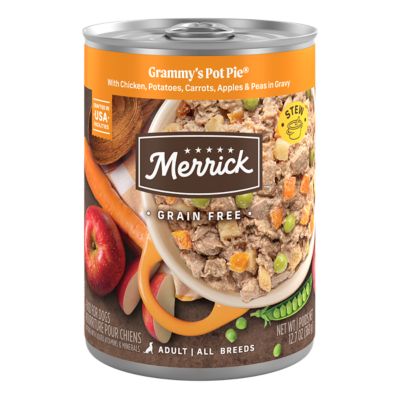
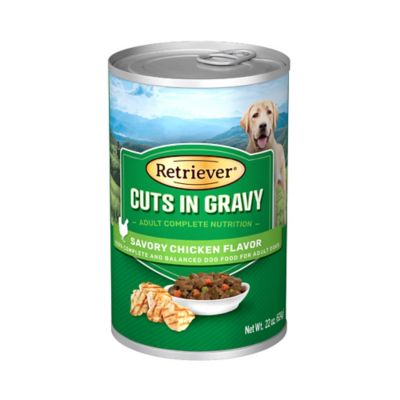
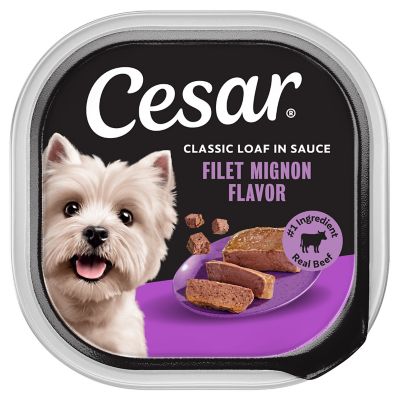
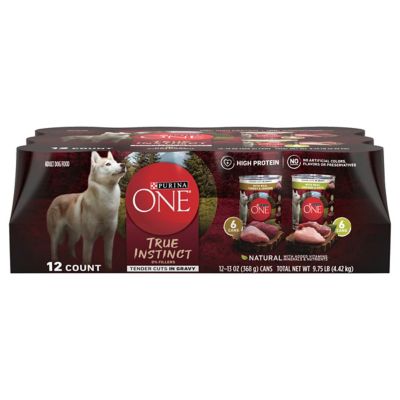
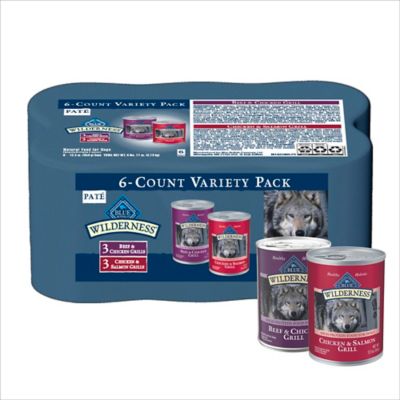
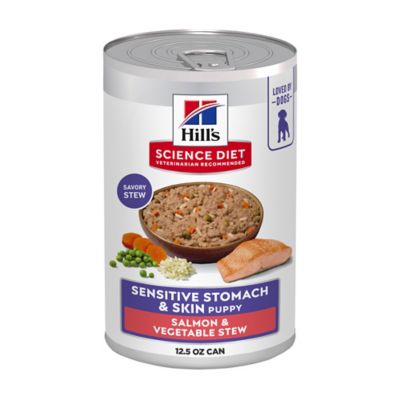
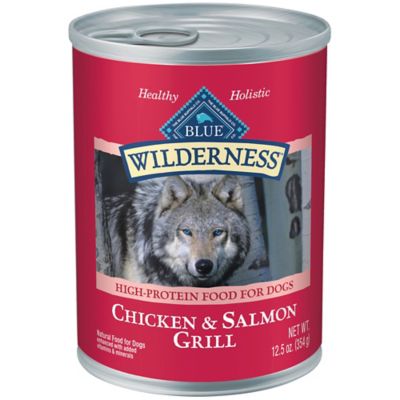
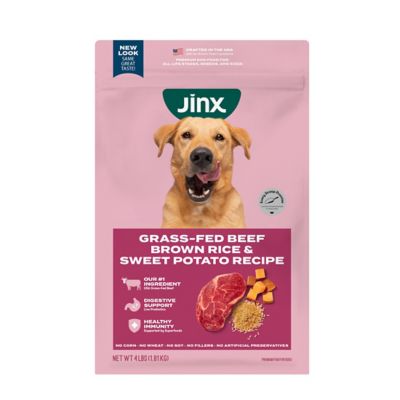
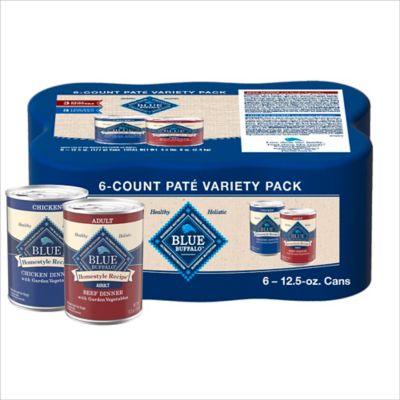
Dog food with gravy can make mealtime more appealing while adding moisture to a dog’s bowl. It is a handy choice for dogs that turn up their nose at plain kibble, older dogs that may find dry food harder to chew, or pets that simply enjoy a little extra flavor with supper. Gravy-style dog food may come as wet food with tender pieces in sauce, a pourable topper, a powdered mix that becomes broth when stirred with water, or a pet-safe bone broth made for dogs. Each type works a little differently, so check the label for serving instructions and use the product as directed. A spoonful over dry food can soften crunchy pieces and help picky eaters get interested, while a larger amount may serve as part of a wet-food meal when the label says it is complete and balanced. Not every gravy or topper provides all the nutrients a dog needs on its own, so it is important to tell the difference between a complete meal and a complementary food meant to be added to another diet. Look for an ingredient list that fits your dog’s needs, along with clear feeding guidance for your pet’s size and life stage. Dogs with food sensitivities may do best with limited-ingredient recipes or a familiar protein, while active dogs, puppies, seniors and dogs managing their weight can have very different calorie requirements. Gravy is also useful when extra moisture is welcome, such as after a long walk, during warm weather, or when a dog is not drinking as much as usual. It should not replace fresh water, though, and sudden changes in appetite, thirst, digestion or weight deserve a conversation with a veterinarian.
When choosing dog food with gravy, start with your dog’s everyday diet, then consider texture, protein source, calories and convenience. A pouch or can of wet food with gravy is easy to portion and can be stored in the pantry until opened, making it useful for busy households, travel days or feeding a dog at a farm, campsite or hunting cabin. Powdered gravy mixes take up little room and can be stirred with warm water when you want to freshen a bowl without opening a larger container. Pourable toppers are handy for households with more than one dog because each bowl can receive an amount suited to that dog’s size. For older pets or dogs with dental trouble, a smooth sauce or softened meal may be easier to manage than dry food alone, but any ongoing chewing difficulty should be checked by a veterinarian. Introduce a new gravy gradually, especially if your dog has a sensitive stomach. Begin with a small amount mixed into the usual food and watch for loose stool, vomiting, itching or other signs of a reaction before increasing the serving. Keep treats, toppers and gravy within the daily calorie budget; a generous pour can add up faster than it looks. Follow the storage directions, refrigerate opened wet food promptly, use clean utensils and discard leftovers that have sat in the bowl for an extended period. Warm water can bring out the aroma, but food should be comfortably warm rather than hot. A gravy topper can also make a thoughtful gift for a friend, neighbor or family member who has recently welcomed a dog, especially when paired with a sturdy bowl, feeding mat or other everyday pet supplies. For households that rotate proteins or prefer richer recipes, you can also browse
Dog Food With Liver for another hearty option to consider alongside a dog’s regular feeding plan.
Some dog owners make a simple gravy at home, but pet-safe preparation takes care and is not the same as saving drippings from a family meal. Plain cooked chicken, turkey or beef can be simmered in water or a low-sodium stock, then strained thoroughly and cooled before a small amount is spooned over food. If a thicker texture is desired, a little cornstarch or arrowroot mixed with cold water can be stirred into the simmering liquid, though homemade additions should remain occasional unless a veterinary professional has helped balance the overall diet. Never use onions, garlic, chives, leeks, heavy seasoning or excess salt, all of which can be harmful to dogs. Greasy pan drippings, rich sauces and gravies made for people may cause stomach upset and can be especially risky for dogs prone to pancreatitis. Bones must never be left in homemade broth or gravy; cooked bones can splinter, and even small pieces may cause choking or internal injury. Strain homemade broth carefully, cool it completely, and store it in a covered container in the refrigerator for a short, safe period or freeze it in small portions for later use. Whether you choose a ready-made gravy, a broth topper or a simple homemade addition, keep the serving modest and let your dog’s regular complete food do the nutritional heavy lifting. During the cooler months, a warm, savory-smelling meal can be comforting after time outdoors, while as the weather warms, added moisture can help make meals more inviting. With the right ingredients and portions, dog food with gravy is an easy way to add variety, soften a meal and give your four-legged companion something special in the bowl without losing sight of sound everyday nutrition.