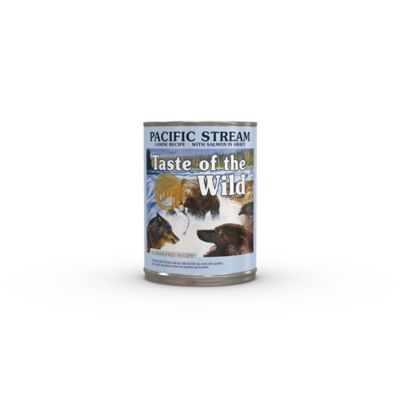
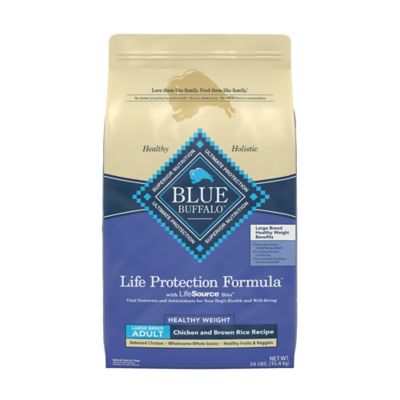
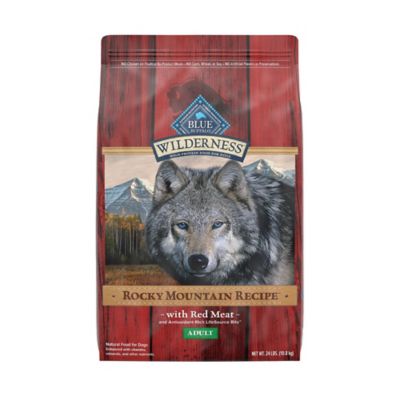
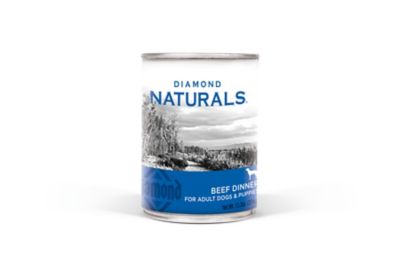
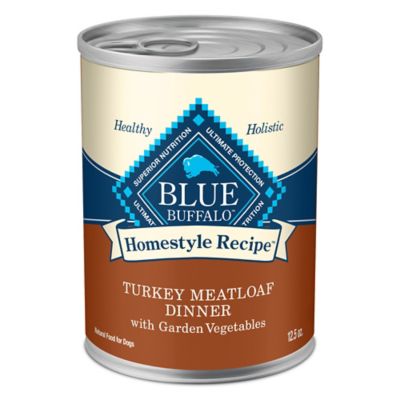
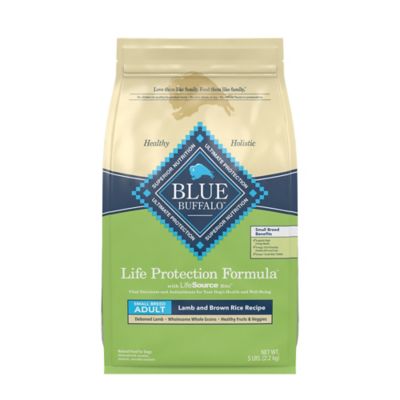
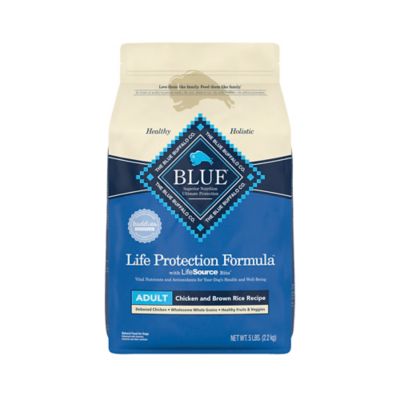
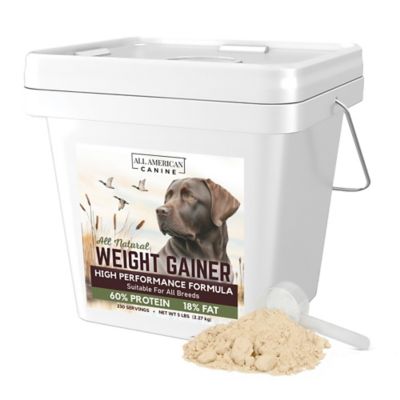
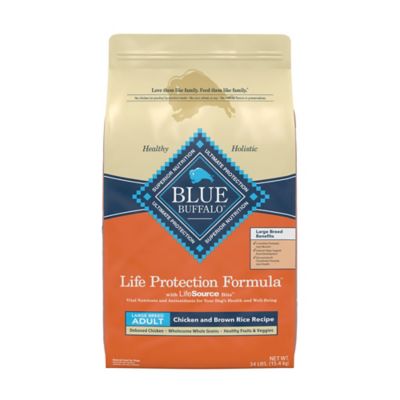
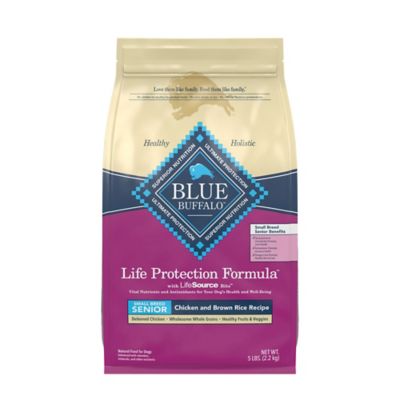
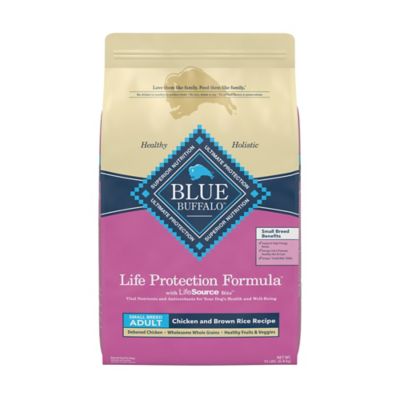
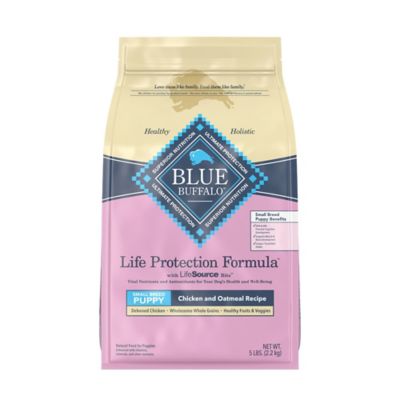
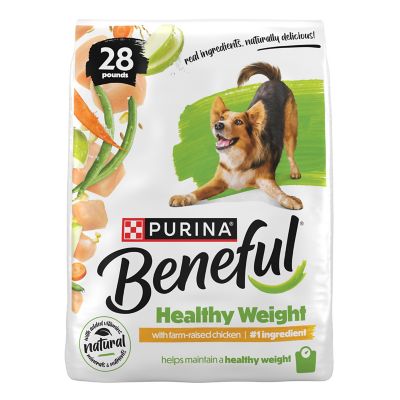
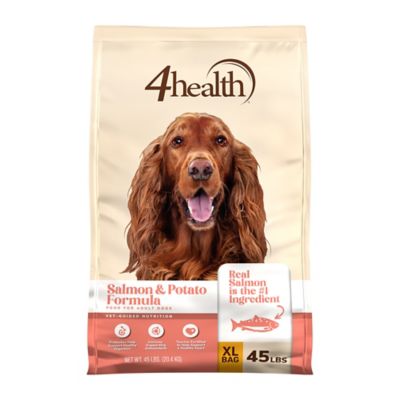
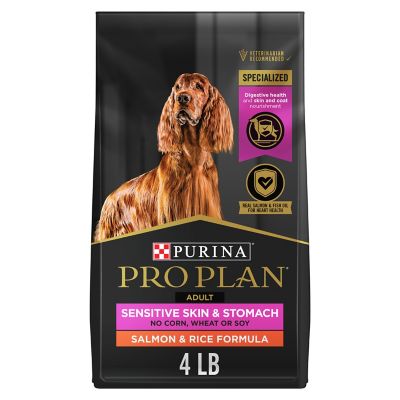
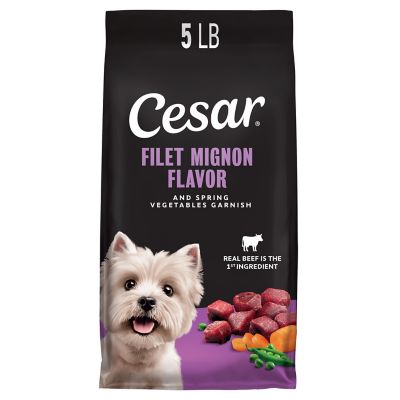
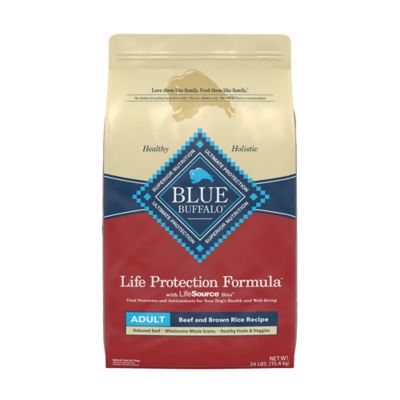
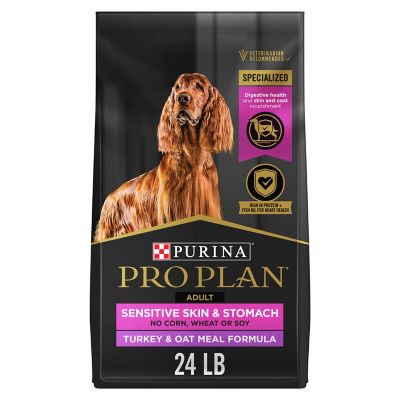
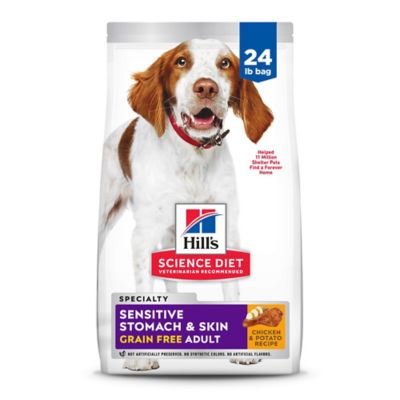
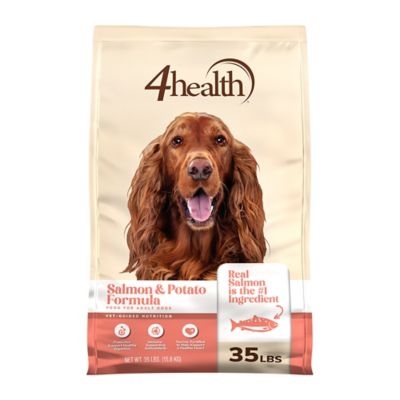
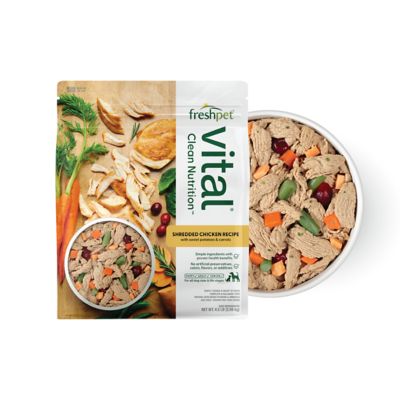
Dog food with blueberries includes the fruit as part of a broader recipe that may also contain meat, grains, vegetables, fats, and added vitamins and minerals. Blueberries are generally safe for dogs to eat and naturally contain fiber, antioxidants, and vitamins C and K. Fresh blueberries are also low in calories, though that does not mean every dog food containing them is a low-calorie choice. The finished recipe, portion size, and feeding routine matter more than any single ingredient. In prepared dog food, blueberries may appear as whole fruit, dried fruit, or another processed form, depending on the recipe. Their place on the ingredient list gives some context because ingredients are generally listed by weight before processing, but it does not reveal the exact amount in each serving. A few berries pictured on a bag cannot tell the whole nutritional story. For everyday feeding, a complete and balanced recipe matched to a dog’s life stage is the foundation; blueberries are one part of that meal, not a replacement for essential protein, fat, vitamins, and minerals. This category can include different food formats, with dry kibble offering straightforward measuring and storage, wet food contributing more moisture, and air-dried recipes providing another texture. Moisture levels also affect how nutrient percentages look on the label, so a dry food and a wet food cannot be compared fairly by protein percentage alone. Some dogs crunch through their supper without a second thought, while others favor softer textures or a meal with a stronger aroma. The right fit comes down to the whole recipe and how it suits the dog eating it. Blueberries can bring another plant ingredient to the bowl, but claims about better immunity, sharper thinking, or relief from a health condition need more support than the fruit’s presence on an ingredient panel. A sensible comparison keeps the focus on the food’s nutritional purpose, feeding directions, and suitability for the individual dog.
Dogs sharing the same home can have very different needs, even when both come running at the sound of the feed scoop. A growing puppy needs food intended for growth, while an adult dog needs a recipe suited to adult maintenance or another appropriate life-stage designation. Large-breed puppies have additional nutritional considerations, so the label should specifically indicate whether the food supports their growth. A dog that spends the day walking fence lines beside its owner may need a different calorie intake than a companion whose longest outing is a stroll down the driveway. Body condition, age, reproductive status, and activity all affect the amount that belongs in the bowl. Calorie information helps put those differences into practical terms, especially because two foods with blueberries can supply very different amounts of energy per cup or can. Kibble size and texture matter, too: a small mouth may handle smaller pieces more comfortably, while a dog with dental discomfort may need a softer feeding option and a veterinarian’s attention. Beyond blueberries, the main protein sources, fat content, carbohydrate ingredients, and added nutrients deserve a close look. Chicken, beef, fish, and other animal ingredients can appear alongside fruit, but the front of the package may not show every protein source in the recipe. For dogs with a known food allergy, the full ingredient list matters far more than a blueberry callout. Grain-inclusive recipes may contain rice, barley, or oats, while grain-free recipes rely on other ingredients for starch and structure. Grain-free does not automatically mean a better match for a sensitive stomach. For shoppers comparing grain-inclusive choices,
dog food with oatmeal offers another ingredient-focused category to consider. Oatmeal and blueberries can appear in the same recipe, though neither ingredient alone establishes whether the food will agree with a particular dog. A veterinarian can help narrow the choices when recurring itching, digestive trouble, or an existing medical condition complicates feeding.
Day-to-day handling makes a difference once a food becomes part of the household routine. A bag that fits neatly near the feeding area still needs a dry indoor storage spot away from sunlight, pests, and curious noses. Keeping dry food in its original bag inside a clean, tightly closed container preserves the ingredient information, lot number, and best-by date while helping protect the contents. Pouring a new bag over old crumbs can leave stale residue behind, so an empty storage container needs washing and thorough drying before the next refill. Wet food calls for a different routine: opened containers generally need covering and refrigeration according to the package directions, and uneaten portions should not sit in the bowl beyond the recommended time. Air-dried and other less familiar formats may have their own handling directions, making the label the best reference rather than assumptions based on ordinary kibble. The feeding statement also separates a complete daily food from a topper or complementary food meant to accompany another diet. That distinction is especially important when a blueberry-containing food looks more like a meal addition than a full ration. When changing foods, a gradual transition over about seven to ten days often gives a dog time to adjust, although some dogs need a slower change under veterinary guidance. Measuring portions helps keep that transition consistent and makes it easier to account for treats, chews, and table scraps. Fresh drinking water belongs alongside every feeding routine, whether supper is dry, wet, or a combination. Households with several dogs may benefit from separate bowls and supervised meals so a fast eater does not finish a slower companion’s portion. Over time, steady appetite, comfortable digestion, and an appropriate body condition provide more useful feedback than enthusiasm at the first serving. Dog food with blueberries can fit a straightforward daily routine, from a hardworking farm companion’s supper to a small house dog’s measured meal, when the full formula, portions, and care match the dog.