Dog Food For Health
Find dog food for health needs that fit your dog’s age, activity level, and daily routine. Explore feeding options and compare ingredient lists, nutritional information, and feeding directions to help choose food that supports your dog’s everyday well-being.
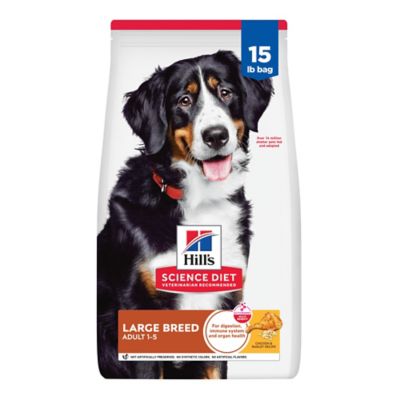
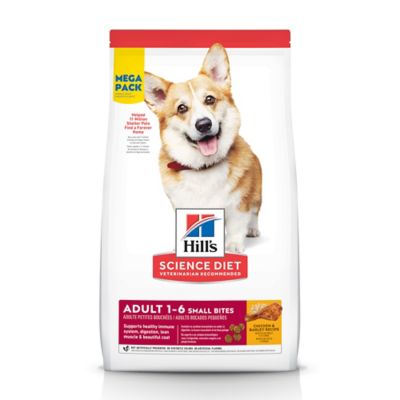
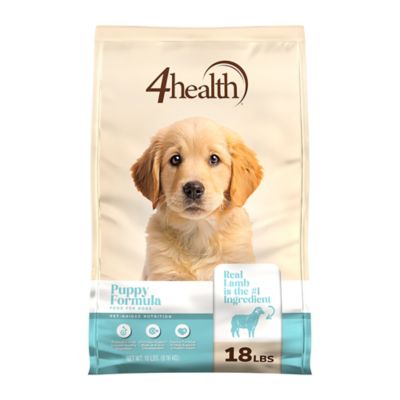
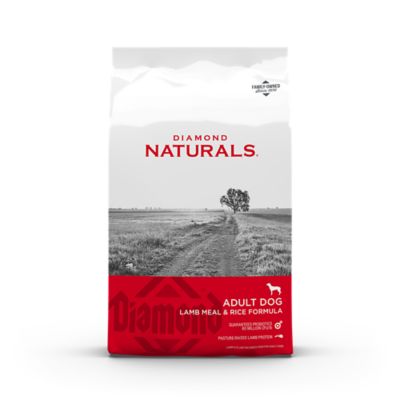
Best Of FAQ
What does “complete and balanced” mean on a dog food label?
It means the food meets established nutritional requirements for the life stage listed on the package. Check the nutritional adequacy statement to see whether the food is intended for growth, adult maintenance or all life stages.
How are ingredients listed on dog food packaging?
Ingredients appear in order by weight before processing, with the heaviest ingredients listed first. The ingredient list tells you what’s in the recipe, while the guaranteed analysis lists nutrient levels such as protein, fat, fiber and moisture.
What’s the difference between dry and wet dog food?
Dry dog food comes as kibble and contains less moisture than wet food. Wet food generally comes in cans, trays or pouches, with textures such as pâté, chunks or shreds. Both formats may be labeled as complete meals or as foods intended for supplemental feeding.
How do puppy, adult and senior dog food labels differ?
Puppy food is formulated for growth, while adult maintenance food is formulated for adulthood. Senior labels vary by brand because there’s no separate AAFCO nutrient profile for senior dogs. The nutritional adequacy statement gives you a clearer picture of the life stage each recipe covers.
How can I compare the nutrition information on dog food labels?
Start with the guaranteed analysis, calorie content and nutritional adequacy statement. When comparing wet food with dry kibble, account for their different moisture levels. A dry-matter comparison takes water out of the calculation so nutrient percentages are on the same basis.
Best Sellers
-
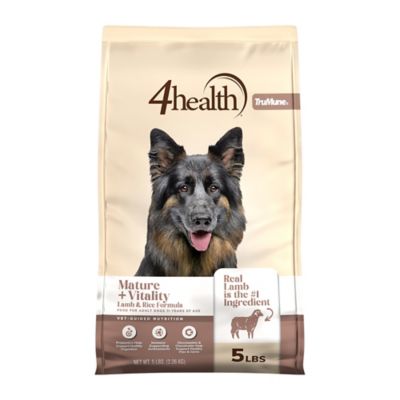
"My dogs love it and it's a great comparable price to alternative companies but it's got better ingredients"
-
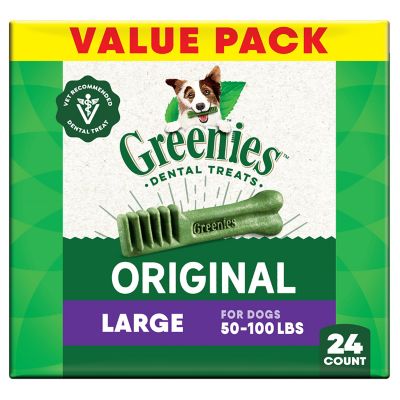
"My dogs love these, not sure if they do the best job cleaning teeth but they love them as a treat"
-
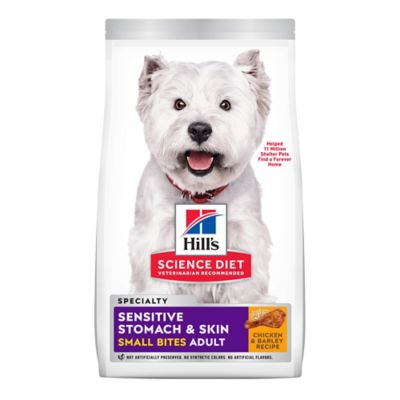
"This is the best food for Mae. She has a sensitive stomach and this food has put a stop to that"
-
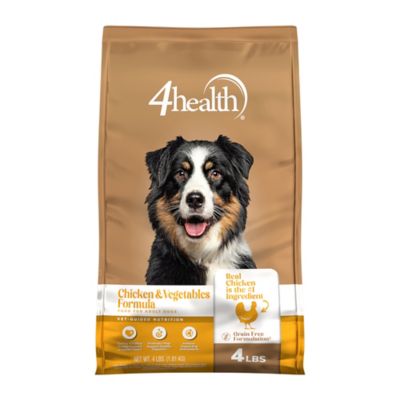
"The best one for puppies. My breaker recommends this, and it’s been great"
-
"We have tried other brands of the lamb dog food and Science diet is by far the best one that we have"