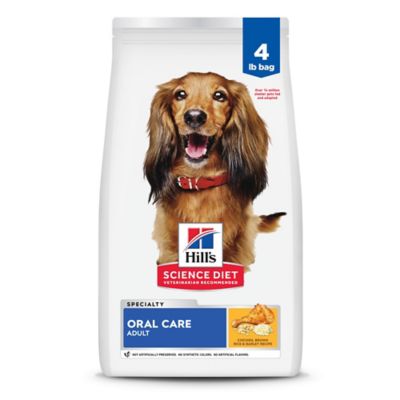
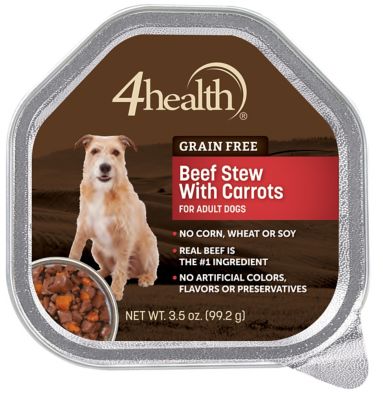
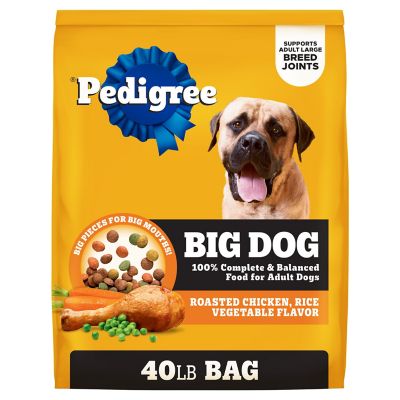
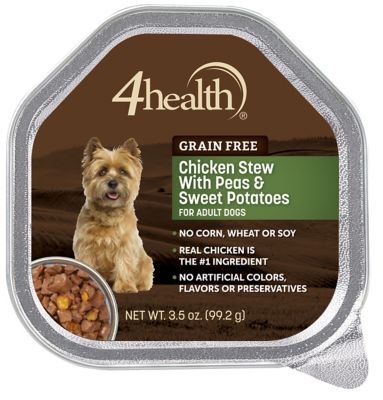
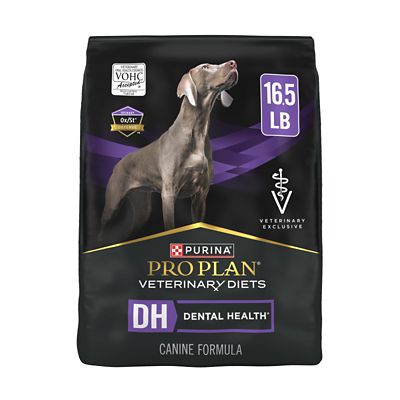
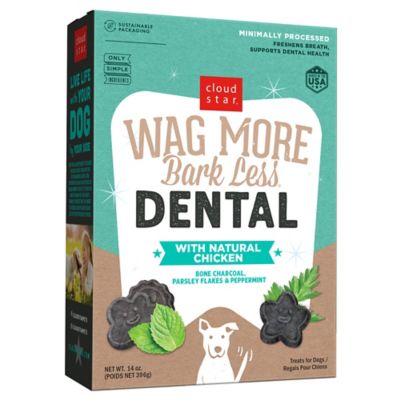
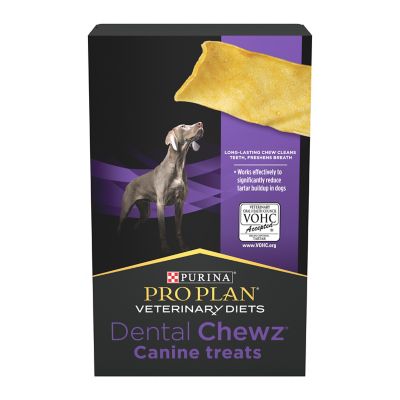
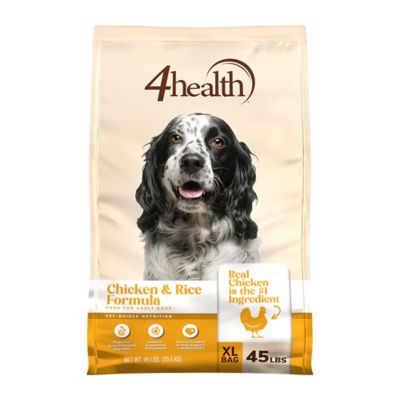
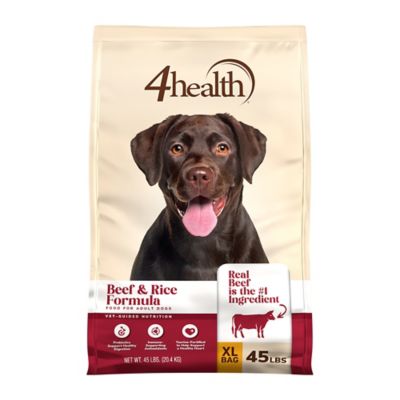
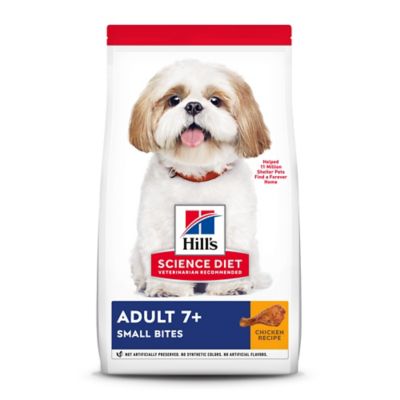
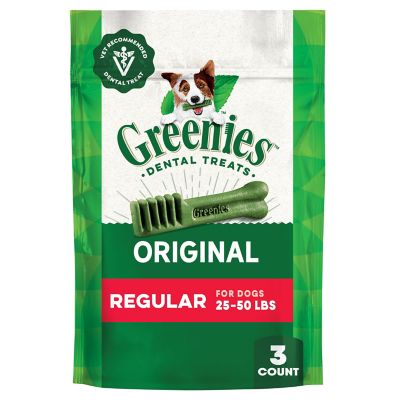
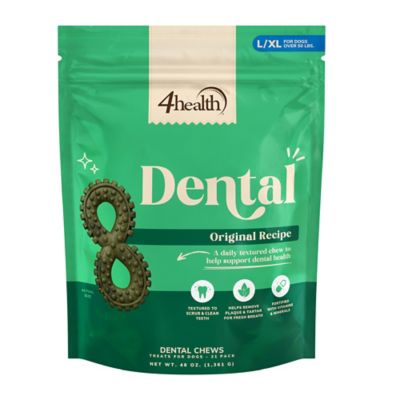
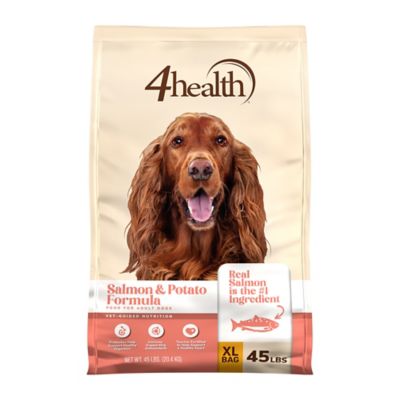
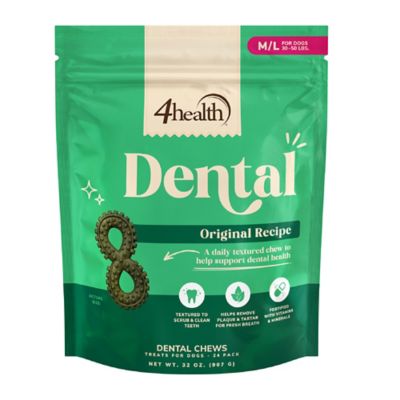
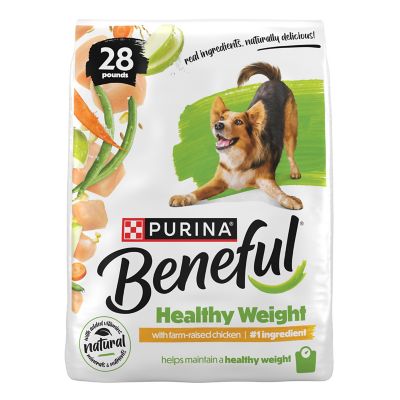
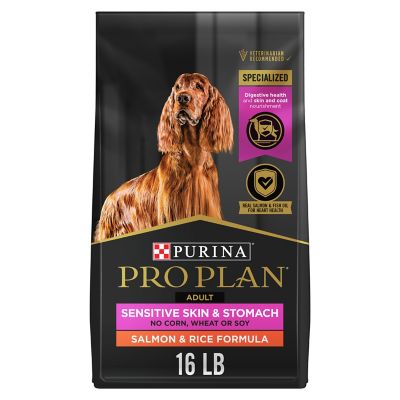
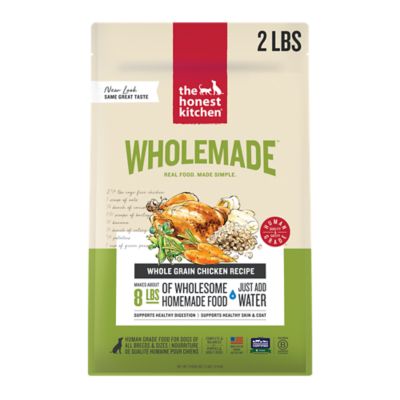
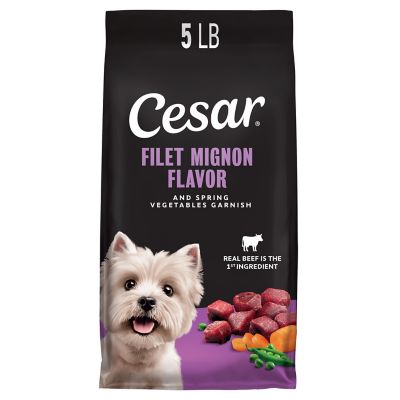
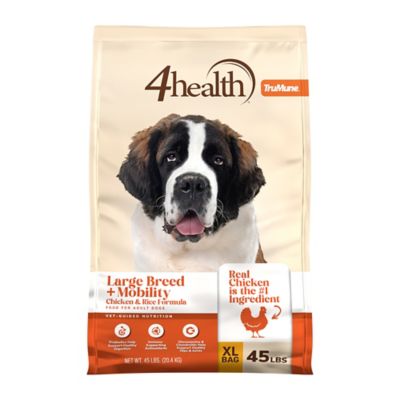
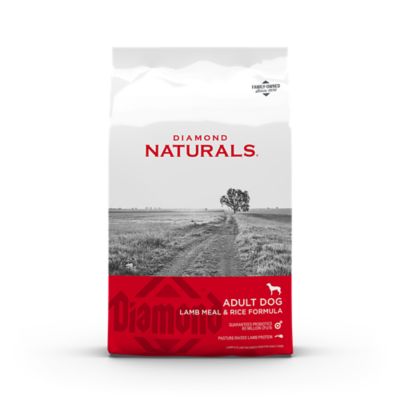
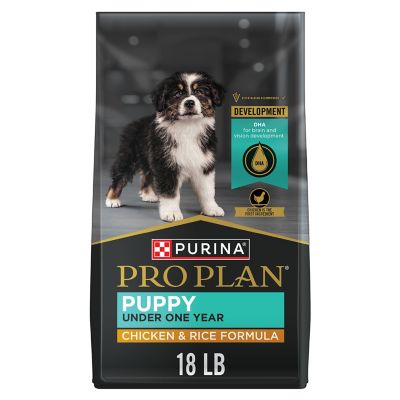
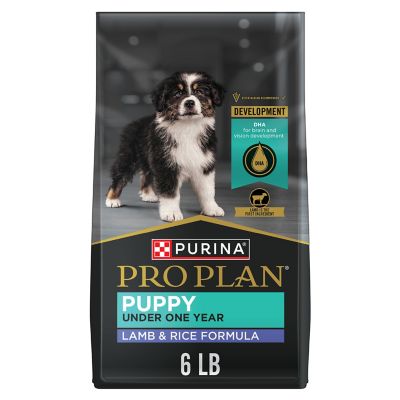
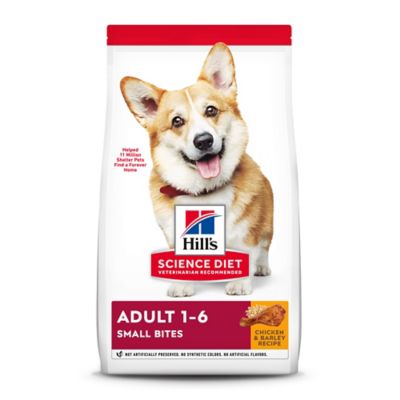
Dog food for dental health includes formulas made to help control plaque, tartar, or both through the way the kibble interacts with teeth during chewing. Some dental foods feature larger pieces and a fibrous kibble matrix that allows a tooth to sink into the food before it breaks apart. That structure creates a gentle scrubbing action on tooth surfaces, helping limit buildup as the dog eats. Other formulas may include ingredients intended to help reduce tartar formation, so the stated benefit on the package matters more than the size or crunch of the pieces alone. Regular dry kibble does not automatically provide the same dental effect, and a crunchy texture by itself is not proof of plaque control. For foods with documented dental benefits, the Veterinary Oral Health Council, or VOHC, seal indicates that the food meets the council’s standards for the plaque-control or tartar-control claim listed. The seal is worth checking when comparing oral-care formulas, along with the feeding directions and whether the diet calls for veterinary authorization. Dental food can make daily meals part of a broader mouth-care routine, but it does not replace toothbrushing, veterinary exams, or professional dental cleaning when needed. Plaque is a sticky film that forms on teeth; tartar is plaque that has hardened, and established tartar needs veterinary attention rather than a different bowl of food. Benefits also depend on whether the dog actually chews the kibble instead of gulping it down, which makes eating habits an important part of the match. A dog that swallows meals in a hurry may not get the same tooth contact as one that works through each bite. These foods bring a dental purpose to everyday feeding, rather than simply covering up bad breath or taking the place of care for sore teeth.
The right dental dog food still needs to meet the nutritional needs of the dog eating it. A complete and balanced formula should match the life stage stated on the label, whether that means adult maintenance or another clearly identified feeding purpose. Puppies have different nutritional requirements from adult dogs, and an adult dental diet is not automatically a fit for a growing pup. Body size, mouth size, chewing ability, activity level, and medical history all matter, too. A small companion dog and a big farm dog may need different kibble dimensions and very different daily portions, even when both need support with plaque control. Dental kibble can look larger than familiar everyday food because its shape and structure serve a purpose, but bigger is not always better for every mouth. Dogs with missing teeth, a tender mouth, or trouble chewing need a veterinarian’s assessment before moving to a firm dental formula. Protein sources, fat levels, fiber, and calorie density deserve the same attention as the oral-care claim, especially for dogs managing food sensitivities, weight concerns, or another health condition. An ingredient list alone cannot show how well a food supports dental health; the finished formula, supporting evidence, and feeding directions tell more of the story. Some dental diets require veterinary authorization, while others are intended for routine feeding without that requirement. When a dog already eats a therapeutic diet, adding or replacing food should be discussed with the veterinarian so one health goal does not interfere with another. Daily portions also need to account for treats, training rewards, and anything handed over after chores. A working dog that spends hours alongside its person may have different energy needs from a dog that mostly keeps watch from the porch. Measured meals help keep those differences in view. The best fit is a food the dog can eat comfortably, that supports the appropriate nutritional needs, and that provides the dental benefit described on its label.
Day-to-day feeding habits help dental food do the job it was designed for. Directions may specify feeding the formula as the main diet, and mixing in other foods can change both the nutritional balance and the amount of dental kibble the dog receives. Adding water, crushing pieces, or coating them with soft food may also change the texture responsible for tooth contact, so those changes call for veterinary guidance rather than guesswork. A gradual transition between foods generally gives the digestive system time to adjust, with the pace tailored to the dog and any instructions from the veterinarian. Fresh drinking water belongs close at hand, and a clean, appropriately sized bowl makes meals easier to manage. Watching a few meals can reveal whether pieces are being chewed, dropped, or swallowed whole. Food storage matters as well: keeping dry food in its original bag inside a clean, tightly closed container helps protect it from moisture and pests while preserving the feeding information, lot number, and best-by date. Washing the scoop and bowl regularly keeps old food residue from building up. For households balancing oral care with other dietary needs, the broader
Dog Food for Health category offers another place to consider nutrition by its intended purpose. Dental support works best alongside attention to the dog’s comfort and behavior. Persistent bad breath, bleeding gums, pawing at the mouth, dropping food, or chewing on only one side can signal a problem that food alone will not address. A dog may keep eating despite dental discomfort, so an empty bowl is not proof that the mouth feels fine. Veterinary checks help determine whether a dental diet belongs in the feeding routine and whether cleaning or treatment needs to come first. With that foundation, meals can contribute to ongoing oral care while still supplying the everyday nutrition that keeps a dog ready for a walk down the lane or another round of chores.