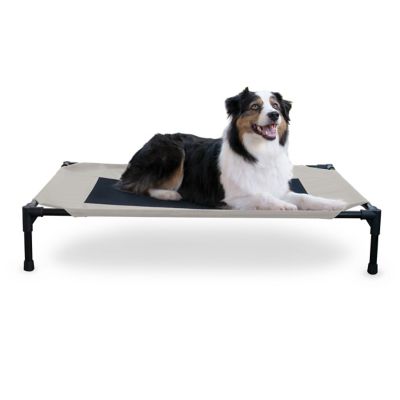
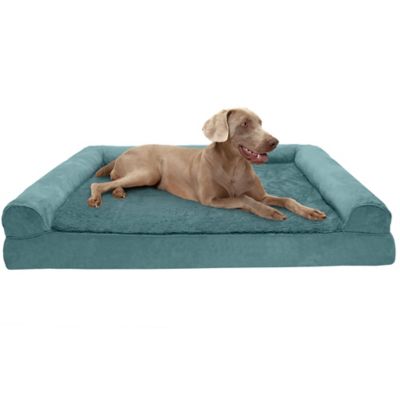
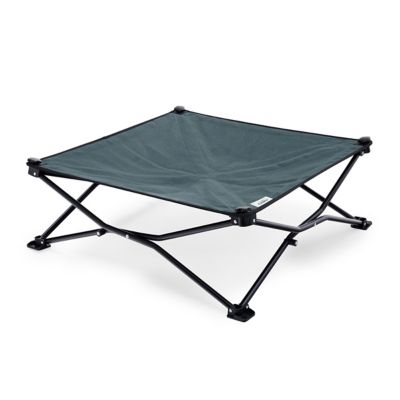
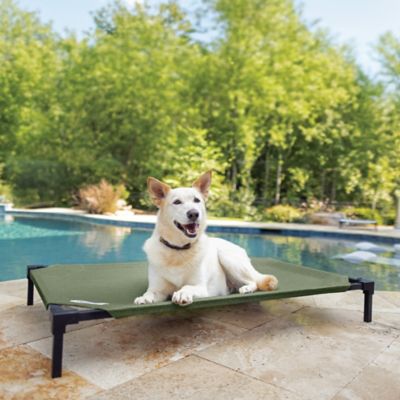
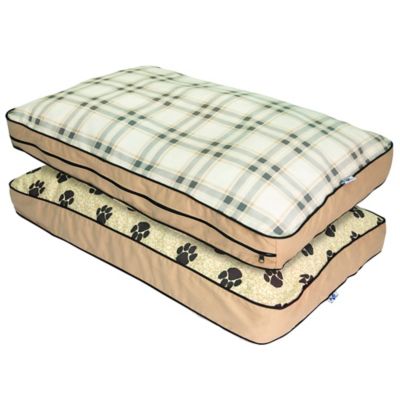
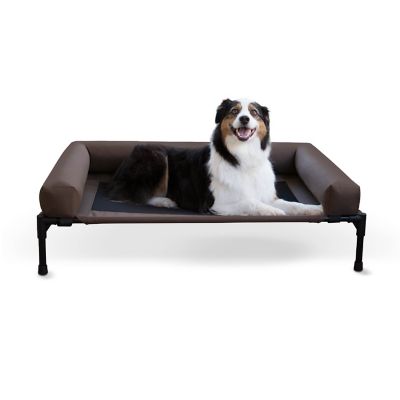
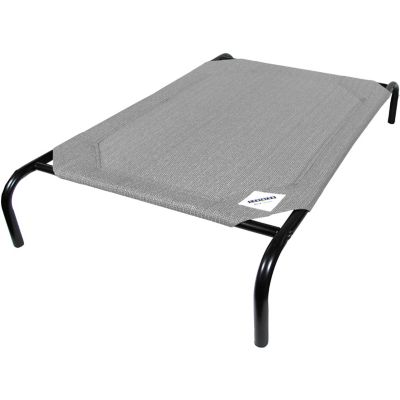
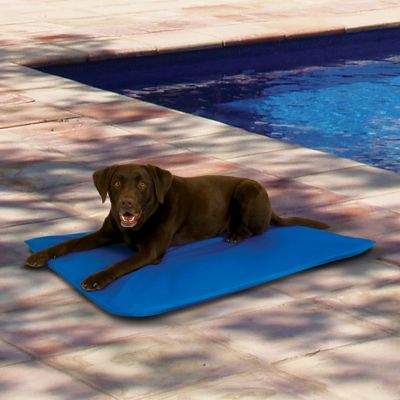
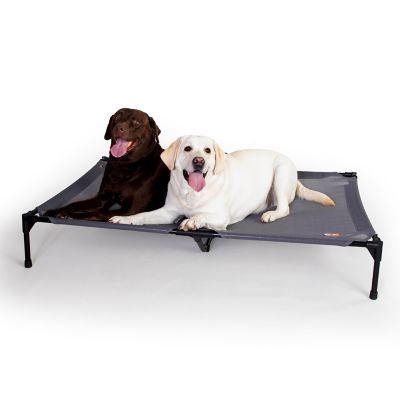
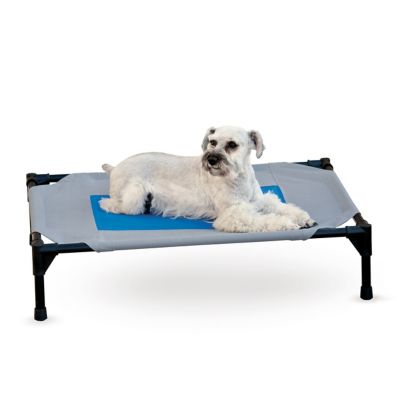
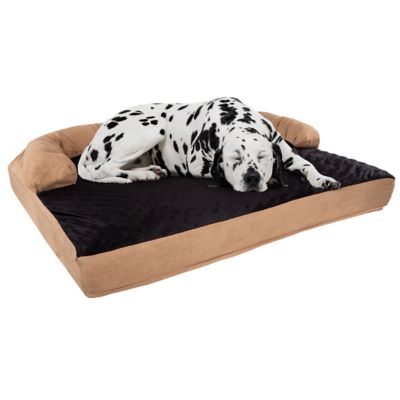
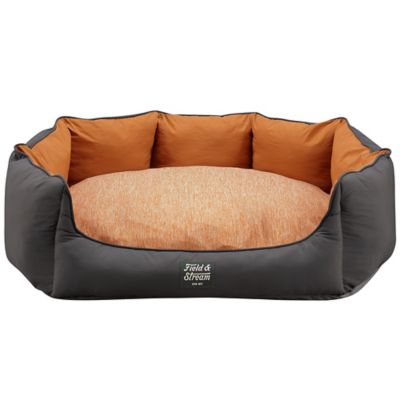
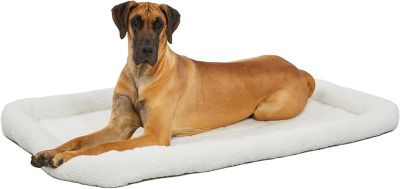
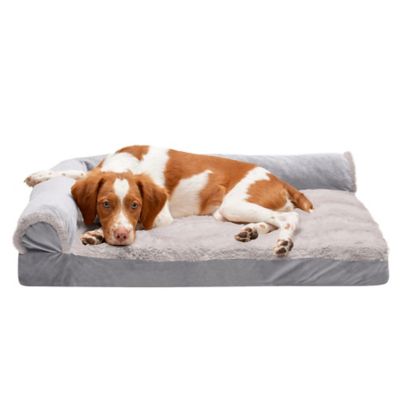
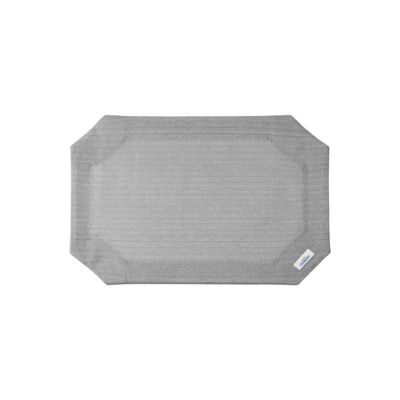
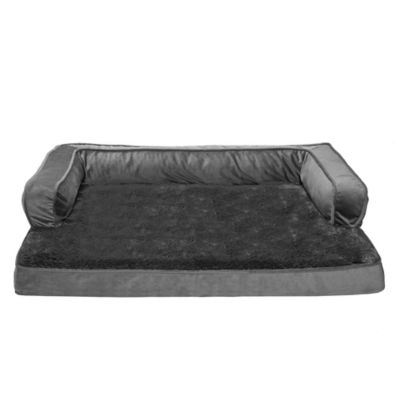
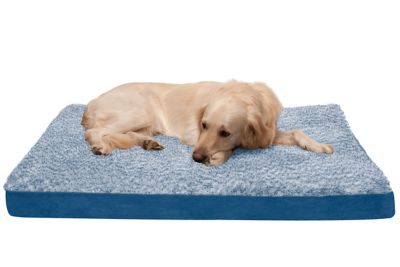
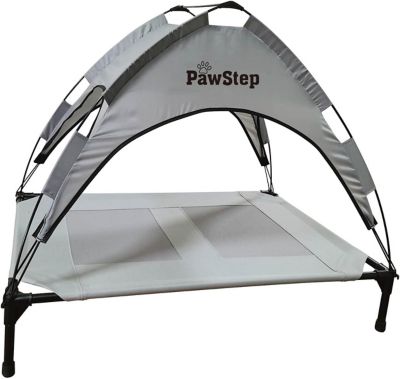
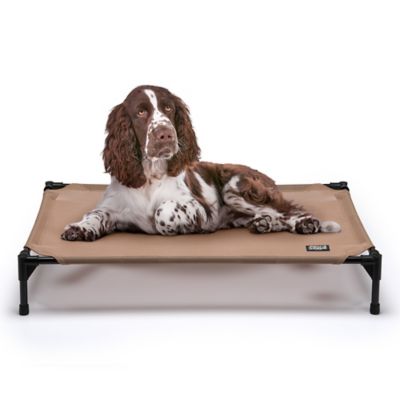
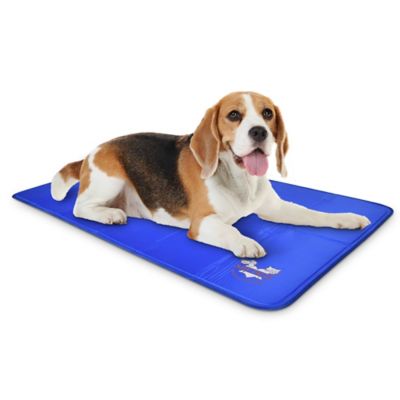
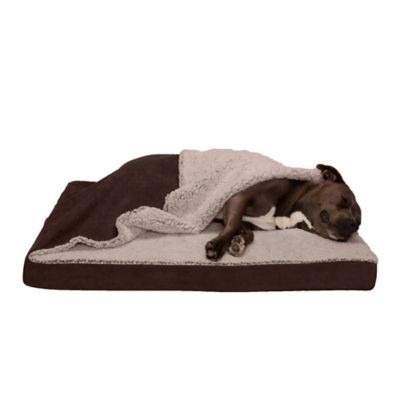
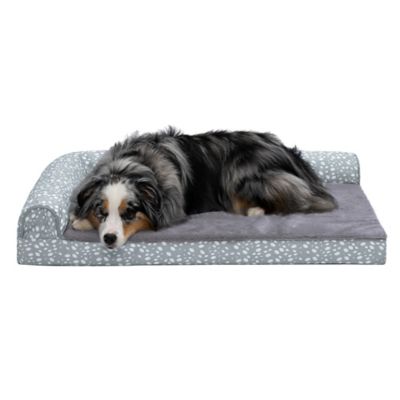
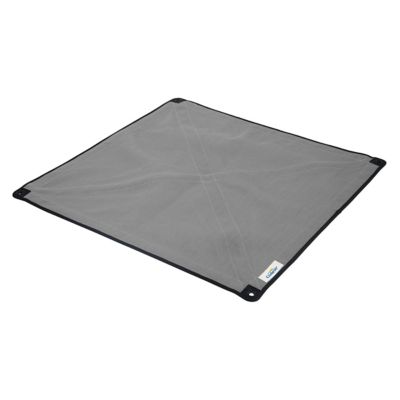
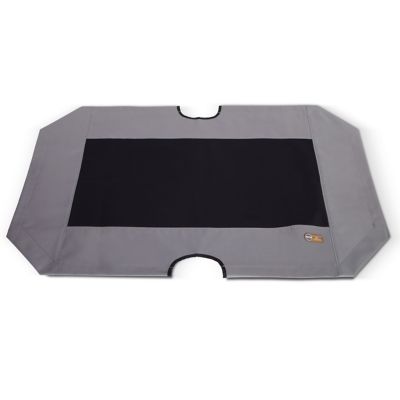
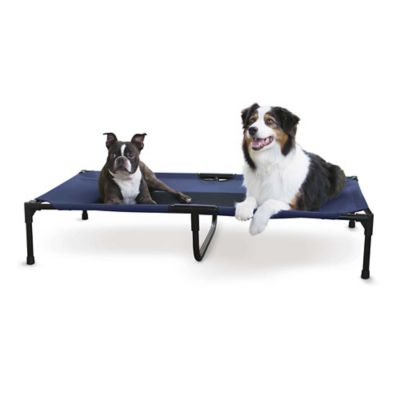
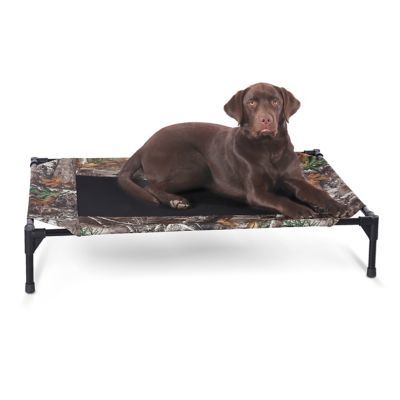
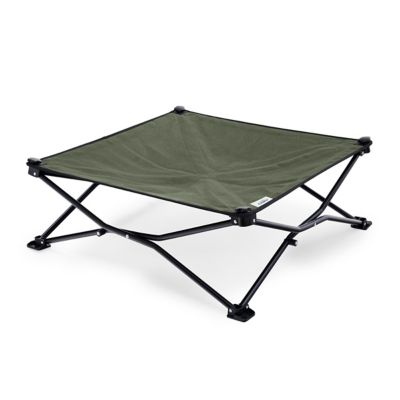
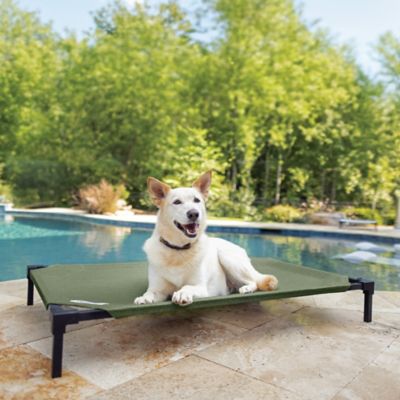
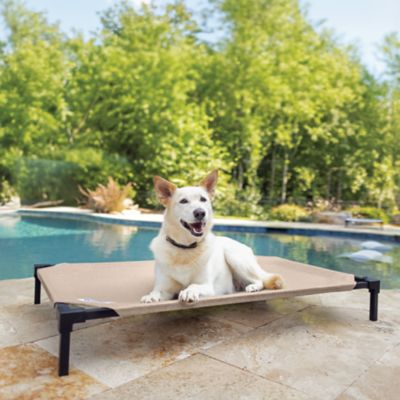
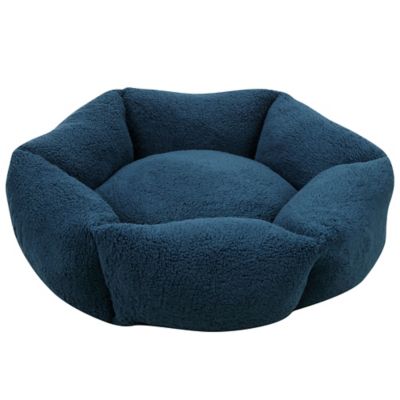
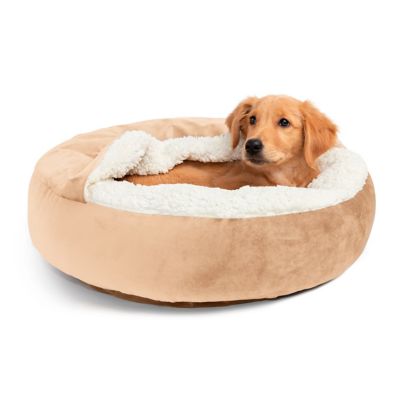
Cooling dog beds give a dog a comfortable place to stretch out when summer heat makes a thick cushion less inviting. After a short walk down the lane or a little play in the yard, a shaded resting spot can be just what a dog wants. These beds come in several forms, and the way they handle heat matters as much as how soft they feel. Elevated beds hold the sleeping surface above the ground, allowing air to move underneath rather than trapping warmth against a solid floor. Open mesh lets air pass through the fabric, while a raised frame keeps a dog off sun-warmed decking or damp grass. Cooling mats offer a different feel, with a low profile that works well on a level floor or in a familiar resting area. Some contain gel that absorbs body heat for a time; others hold water or feature fabrics designed to feel cool against the coat. Each construction has its own setup and care requirements, and passive cooling materials may need a break between naps to release absorbed warmth. A bed on a covered porch faces different conditions than one beside a favorite chair indoors, so intended placement is an important part of the fit. Direct sunlight can heat the sleeping surface and frame, even when the bed is made for outdoor settings. Shade, ventilation and fresh drinking water remain essential. For a dog that likes to follow the family from the kitchen to the porch, a lightweight cooling mat can make it easier to keep a familiar resting spot nearby. A raised cot may suit a dog that settles in one shaded place for longer stretches. Neither style needs to look fancy to earn its place; comfort, a suitable surface and room to relax are what count. The best match depends on where the dog rests and whether that dog prefers a flat stretch-out spot or something with a little more structure.
Size and sleeping habits help narrow down the choices among cooling dog beds. A dog that sleeps flat on its side needs enough room for its shoulders, hips and outstretched legs, not just its body from collar to tail. A dog that curls into a tight ball may appreciate a smaller sleeping area with a supportive edge, while one that changes positions often benefits from open space. Listed dimensions can refer to the outside of the bed, so the actual resting area deserves a close look, especially on styles with thick borders or a surrounding frame. Weight limits matter on elevated designs, where the fabric and frame work together to support the dog. A large dog needs a surface that stays comfortably supported rather than sagging close to the ground. For short-legged dogs, puppies and older companions, the height of the step onto the bed can matter just as much as its length. Low-profile mats are easy to walk onto, although a thin cooling layer does not provide the same cushioning as a supportive foam base. Dogs with stiff joints may do better with a design that balances pressure relief and cooling rather than a thin surface alone. A veterinarian can help sort out comfort needs when joint pain or a medical condition is involved. Texture matters, too. Some dogs settle readily on taut mesh, while others prefer a soft fabric cover that feels closer to their regular bed. Smooth surfaces can be easier to wipe down, but traction is worth considering for a dog that gets up slowly or tends to scramble before lying down. A steady frame, secure seams and feet suited to the flooring help keep the resting area from shifting. For camping trips or visits with family, folded size and carrying weight can be useful considerations alongside sleeping space. A travel-friendly bed still needs a level spot where it will not tip, slide or block a walkway.
Everyday mess is part of life with dogs, whether it is dusty paws from the yard, loose hair across the mudroom or a little drool after a good nap. Materials and construction determine how much effort it takes to keep a cooling bed fresh. Removable covers can simplify laundry, while wipe-clean mats may suit homes where dirt gets tracked in several times a day. Washing directions vary: a cover might be machine washable even when the inner cooling layer cannot go in the washer or dryer. Gel-filled and water-filled components need particular care, since punctures, rough handling or the wrong cleaning method can damage their outer shells. Strong stitching, reinforced edges and a well-finished frame are worth a look for dogs that dig at bedding before settling down. No fabric is completely chew-proof, and a determined chewer needs close supervision around any filled mat. Checking for split seams, exposed filling and sharp frame edges helps keep a favorite resting place ready for the next nap. Outdoor placement adds a few more practical considerations, including moisture, sun exposure and whether the bed needs to come inside between outings. Water-resistant fabric is not necessarily waterproof, and a quick wipe on top may not remove moisture trapped beneath a mat. Letting all parts dry fully before storage helps prevent lingering odors and mildew. Around a camper, a shaded porch or a screened doorway, a bed with manageable weight and straightforward cleaning can fit easily into the day’s routine. For outings beyond the resting spot, a
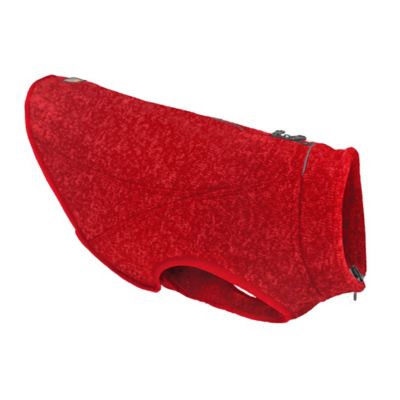
Cooling Shirt for Dogs offers another type of cooling gear, with fit and wetting instructions that depend on its design. Cooling beds and wearable gear are comfort aids, not protection against dangerous heat. Dogs still need breaks from activity, plenty of water and access to a cooler space, especially those with thick coats, short noses or health concerns. A well-matched bed gives them an inviting place to settle, whether that means watching the yard from the shade or snoozing indoors while the household carries on nearby.