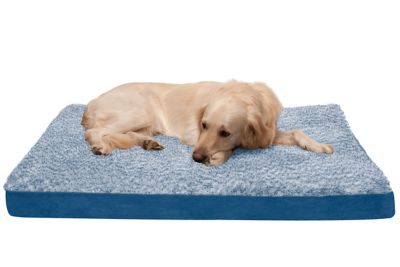
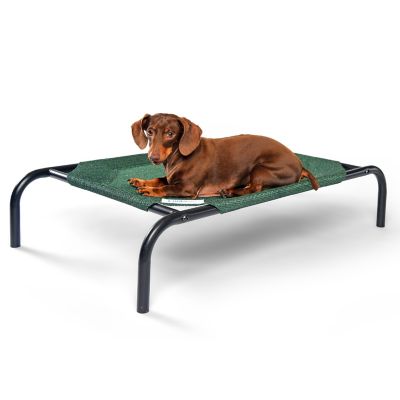
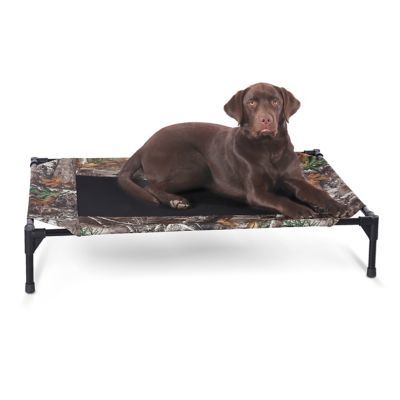
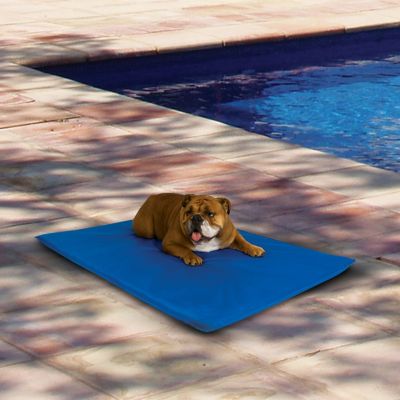
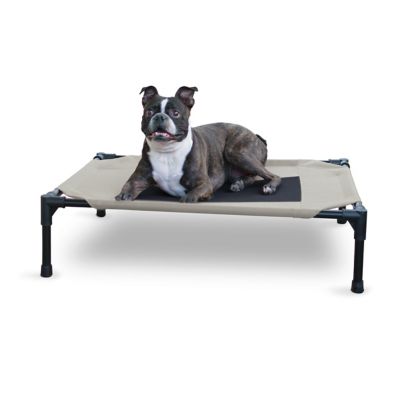
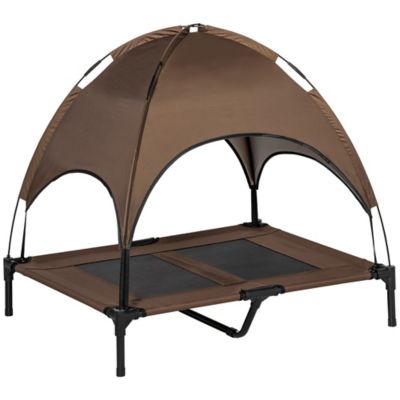
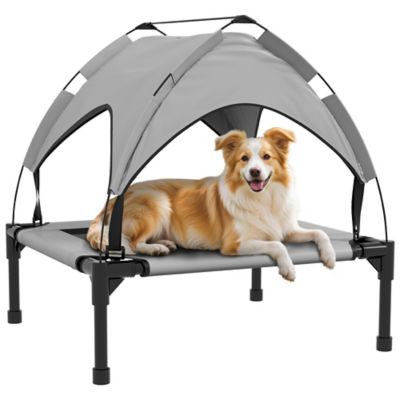
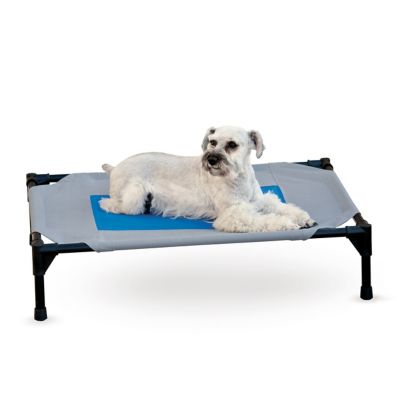
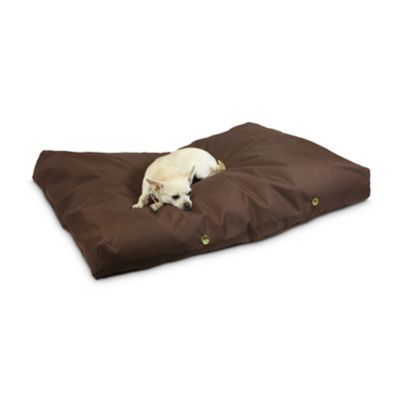
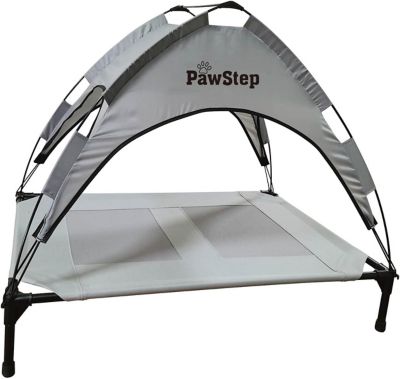
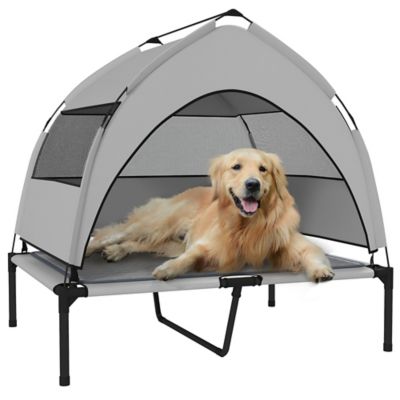
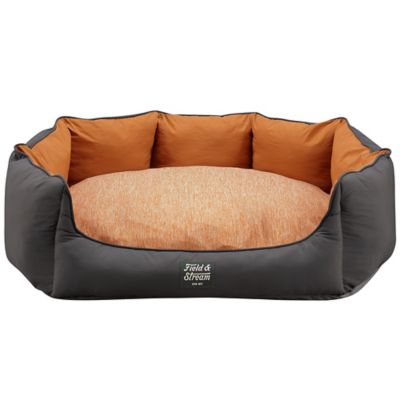
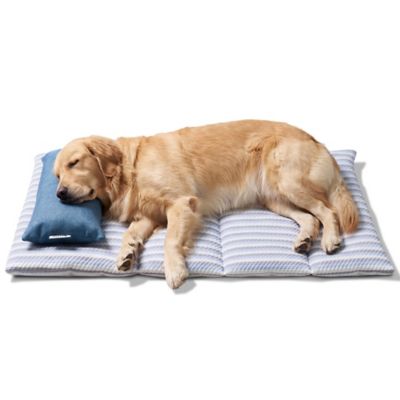
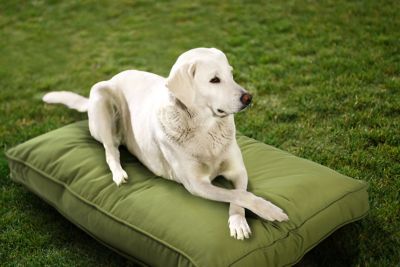
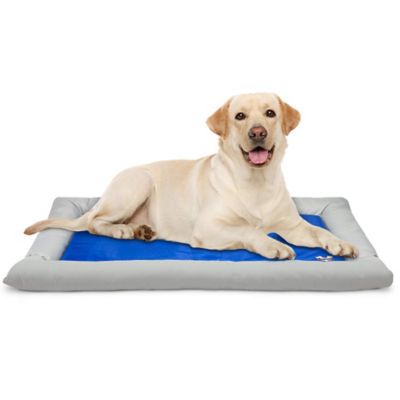
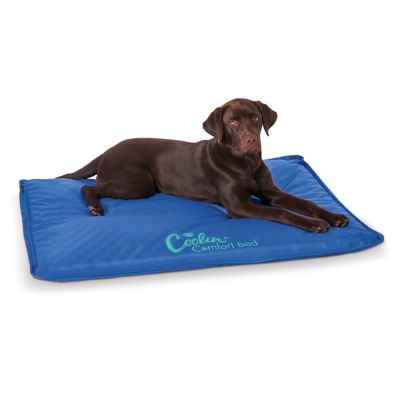
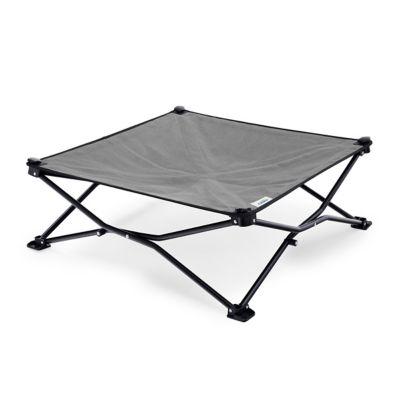
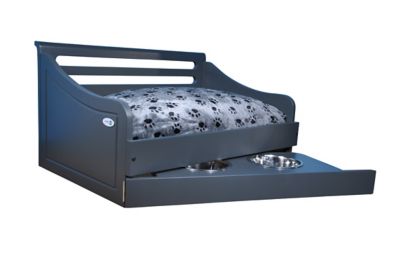
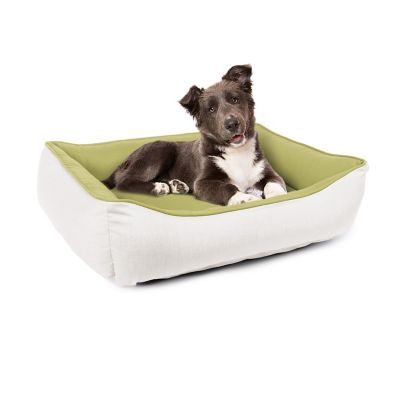
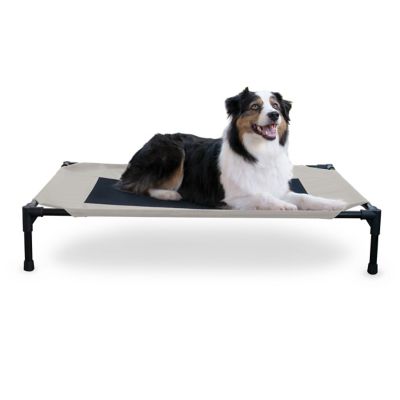
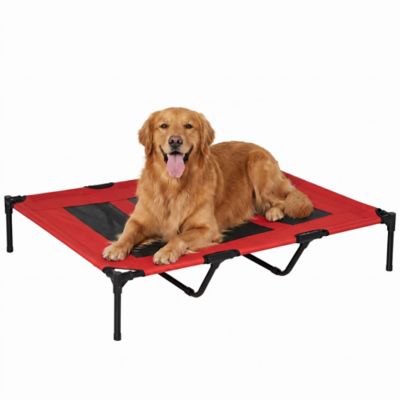
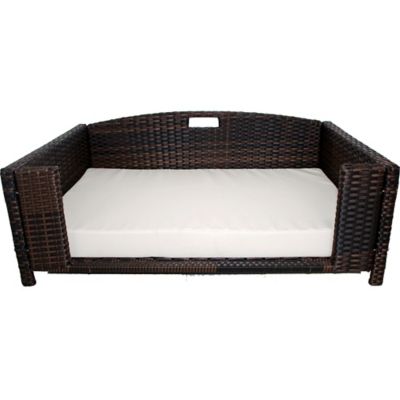
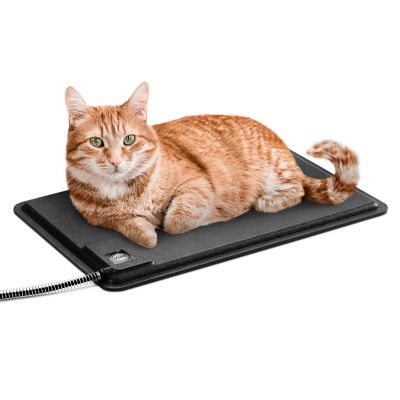
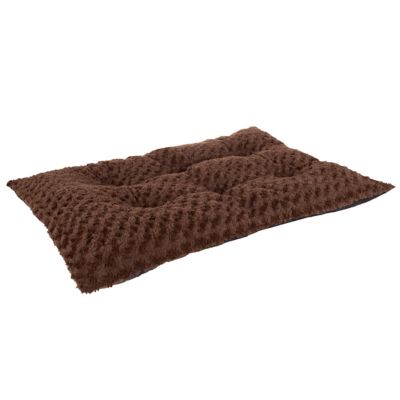
Dog beds for summer give dogs a comfortable place to rest with features that support airflow, reduce contact with warm surfaces, or help absorb body heat. Elevated beds let air move beneath the sleeping surface, while breathable fabric beds and cooling mats offer other ways to make a shaded resting spot more comfortable. The right choice depends on where a dog sleeps, how much support they need, and whether the bed will stay inside or travel between the house and the yard. A mesh cot on a covered porch serves a different purpose than a cushioned bed beside the kitchen table. Open-weave mesh allows ventilation and lets loose dirt fall through, making it practical for dogs coming in from a dusty lane or a romp around the pasture fence. Fabric tension matters, too: a taut sleeping surface offers a different feel than a deep cushion, and some dogs take time to settle onto a raised bed. Low-profile beds with breathable covers can suit dogs that prefer stretching out close to the floor. Foam provides cushioning under hips and elbows, although thick padding and plush covers can hold more warmth than a thinner, less enclosed design. Cooling mats work differently from elevated beds. Depending on their construction, they may absorb body heat through gel, water, or other cooling materials rather than relying on airflow alone. Their effect has limits, and some need a break between resting periods to release stored heat. Product care directions explain whether a mat needs filling, special storage, or time away from the dog before another nap. A cooling surface should feel comfortable rather than icy, and no summer bed replaces shade, drinking water, or access to a cooler indoor space. For a dog that follows every trip to the shed before flopping down near the back door, an open sleeping surface with room to sprawl can be more inviting than a thick nest of fleece. For an older dog resting indoors, pressure relief may matter just as much as a cool-feeling cover.
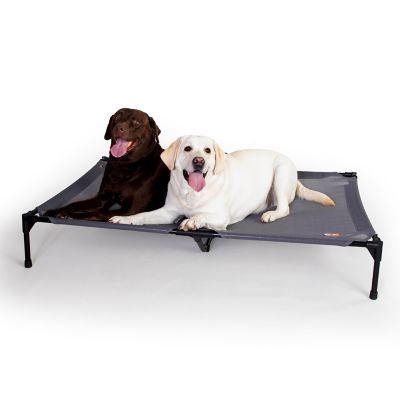
Fit makes a noticeable difference in how comfortably a dog can settle in. Summer sleeping positions often include a full side stretch, with paws reaching past the space a curled-up dog would occupy. Bed dimensions should account for that stretched-out length, not just the dog's standing height or breed description. On an elevated bed, the usable sleeping area can be smaller than the outside frame measurements, so both deserve attention. Weight limits matter separately from size; a broad sleeping surface does not necessarily mean a frame can support a heavier dog. Households with a big hound, a shepherd, or two dogs that insist on sharing a resting spot can explore
Large Outdoor Dog Beds with those space needs in mind. Each dog still benefits from enough room to change position without crowding the other. A low entry height can make settling down easier for short-legged dogs and dogs with stiff joints, while a higher cot may suit an active dog that climbs on and off without trouble. Bolstered edges give head-resters somewhere to lean, but a flatter surface leaves more room for sprawling and fewer raised sides around the body. Puppies and determined chewers need extra consideration around exposed foam, zippers, loose straps, and cooling inserts. No fabric bed should be treated as chew-proof, and damaged filling or gel should stay out of reach. For porch and patio settings, a steady frame and feet that resist sliding help keep the bed from shifting when a dog steps aboard. Placement matters as much as construction: shade can move across a deck, and fabric, metal, or plastic parts can become hot in direct sun. A covered spot with moving air is a better resting place than an exposed corner beside sun-baked concrete. A bed near the barn door also needs enough clearance from gates, equipment, and foot traffic that a sleeping dog can stay comfortably out of the way.
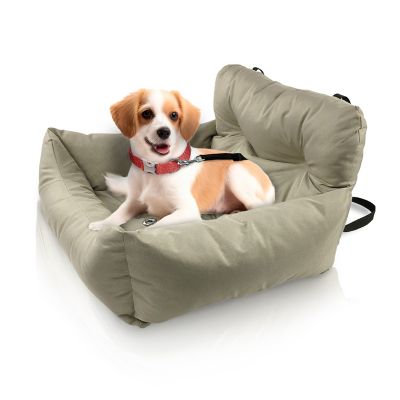
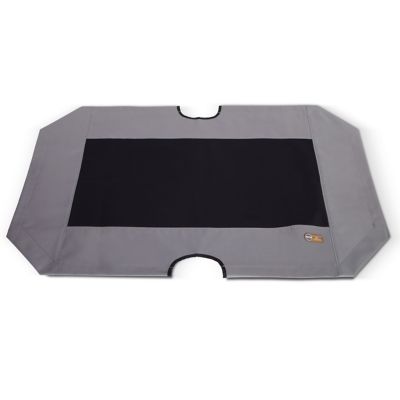
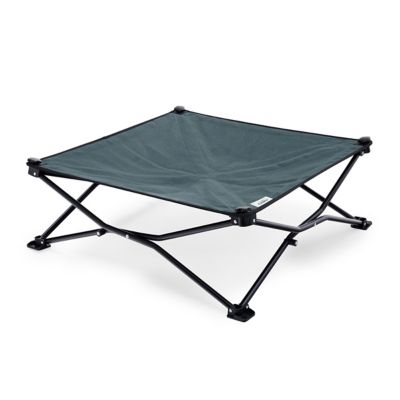
Everyday care is part of what makes summer dog bedding practical, especially when paws carry grass clippings, pond mud, and gravel dust back to the house. Removable, machine-washable covers simplify cleanup, but the washing instructions still matter: some materials tolerate a regular wash, while others call for gentle cycles, cool water, or air-drying. A cover that comes off easily is helpful after a muddy afternoon, and a spare cover can keep the sleeping spot ready while laundry dries. Mesh surfaces often allow a quick rinse, though corners, seams, and frame joints can collect hair and grit. Water-resistant fabric can handle light moisture differently from waterproof construction, and neither description means a damp bed should stay wet beneath a dog. Thorough drying helps limit lingering odors and moisture trapped in padding. For a bed that spends time outdoors, resistance to sun exposure, strong seams, and a frame suited to outdoor conditions all influence how well it holds up. Reinforced corners are worth a look where a dog repeatedly steps onto the edge, and replaceable covers or sleeping panels can extend the life of a frame that remains sound. Regular checks for loose hardware, sagging fabric, torn seams, and exposed filling help catch wear before the next long nap. Portable beds also earn their keep beyond the back porch. A folding cot can provide a familiar resting spot at a campsite, while a lighter mat can fit into the routine of visiting family or spending an afternoon at the lake. Packed dimensions and bed weight matter when space in the truck is tight, and any bed should be secured during travel rather than treated as a vehicle restraint. For someone bringing home a new dog or giving a practical gift to a dog-owning friend, knowing the dog's size, sleeping habits, and usual resting place makes the choice more thoughtful. Whether the favorite spot is beside a screen door or under a covered patio, summer dog beds work best when comfort, easy care, and the dog's everyday habits line up.