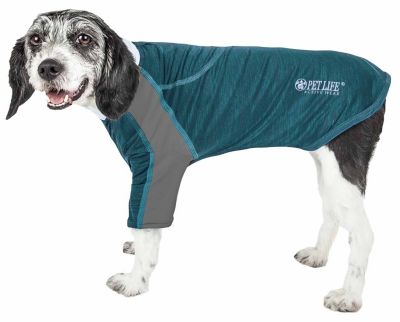
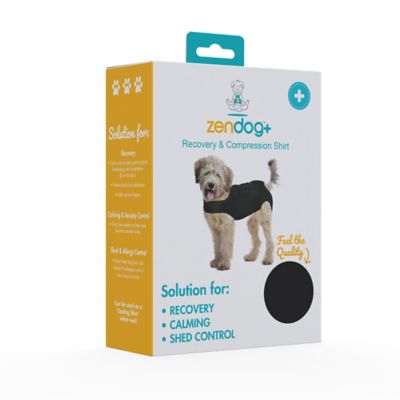
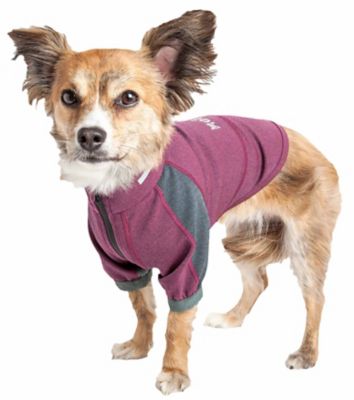
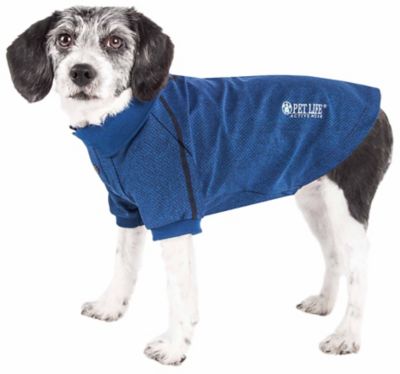
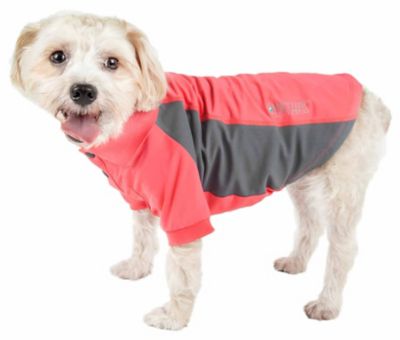
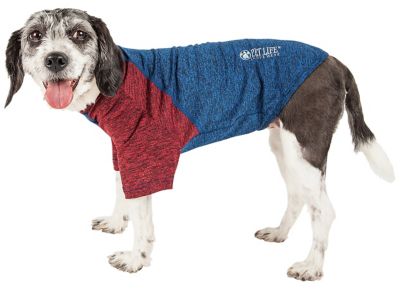
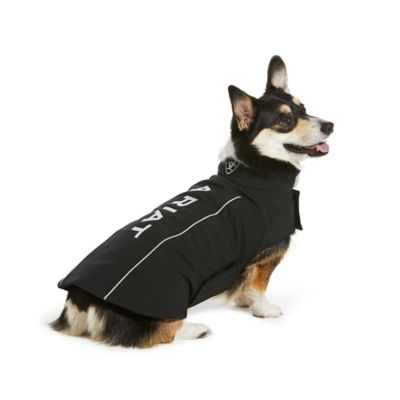
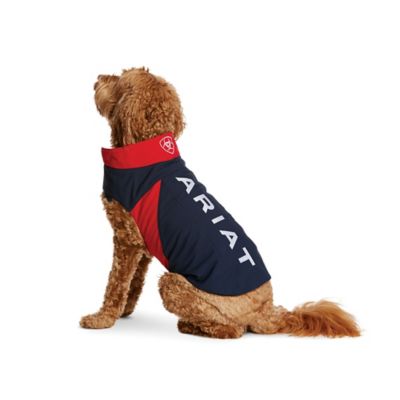
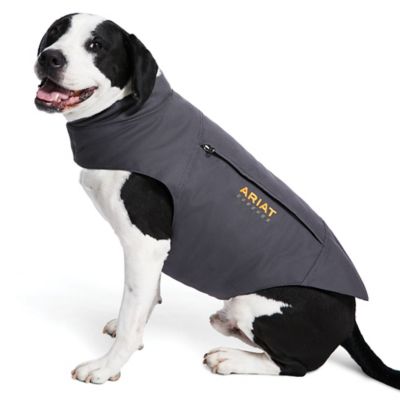
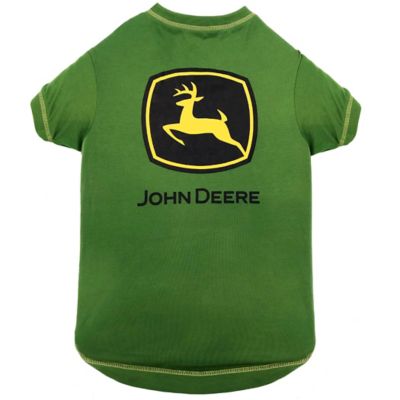
A cooling shirt for dogs is a lightweight garment designed to help a dog stay more comfortable in warm conditions, often by holding water that releases heat as it evaporates. Many cooling shirts and vests work without batteries or frozen inserts: the fabric gets wet, excess water is squeezed out according to the care label, and the garment rests against the dog’s body while moisture gradually evaporates. That process can help carry heat away, though the effect depends on the shirt’s construction, the fit, humidity, airflow, and the dog’s activity level. Evaporative cooling generally works better where air can move and moisture can evaporate readily; muggy, still conditions can limit its effect. Some garments have absorbent inner layers, while others rely on lightweight fabrics or water-holding materials built into the shirt. A regular dog T-shirt does not necessarily provide the same cooling function, so the stated cooling method matters more than the garment’s appearance. These shirts can make sense for supervised walks down a gravel lane, short outings around the property, campground strolls, or quiet time beside the family on a shaded porch. They are comfort accessories, not permission to stretch a walk through the hottest part of the day or keep a dog working past its limits. Fresh drinking water, shade, rest breaks, and a cooler place to retreat remain essential. Dogs with short noses, thick coats, excess weight, or certain health conditions may struggle more with heat, and a veterinarian can help determine suitable activity for them. Heavy panting that does not settle, weakness, vomiting, or confusion calls for prompt veterinary attention rather than another splash of water on the shirt. No cooling garment makes a parked vehicle safe or takes the place of supervision. For a dog that enjoys tagging along while someone checks the garden or sits by the picnic table, the right shirt supports a sensible routine built around comfort, shorter outings, and plenty of chances to rest.
Materials and fit make a big difference in how a dog cooling shirt feels once it is wet and the dog starts moving. Lightweight mesh can encourage airflow, while absorbent layers hold the water needed for evaporation. Stretch panels may help the garment follow the shoulders and chest without pulling, and smooth edges can reduce rubbing behind the front legs. More fabric is not automatically better: broad coverage may hold more moisture, but it can also add wet weight or interfere with movement if the cut does not suit the dog. A deep-chested hound, a stocky terrier, and a long-backed companion may need very different proportions even when their weights are similar. Chest girth, neck circumference, and back length are more helpful than a size name alone, and each garment’s size chart deserves a close look. A cooling shirt should sit securely without squeezing the ribs, bunching at the throat, dragging under the belly, or restricting a normal stride. Bathroom clearance matters, too, especially with longer cuts. Pullover styles can feel simple and streamlined for dogs comfortable having clothing slipped over their heads. Wraparound vests with adjustable fastenings may be easier for dogs that dislike that motion or need more room through the chest. Closures should stay clear of tender skin and lie where the dog is less likely to chew them. For leash walks, consider how the shirt works with the dog’s regular harness; bulky overlaps can create pressure points, and a harness may need its fit checked again over the wet garment. A leash opening is not itself an attachment point unless the garment is specifically designed for that purpose. Softness matters for close contact, but so do reinforced seams, neatly finished openings, and fabric that can handle repeated wetting and washing. Around fence lines, brush, and rough timber, a close-fitting silhouette helps limit loose material that might snag. A brief, supervised try-on at home lets the dog walk, sit, and lie down before the shirt becomes part of an outing.
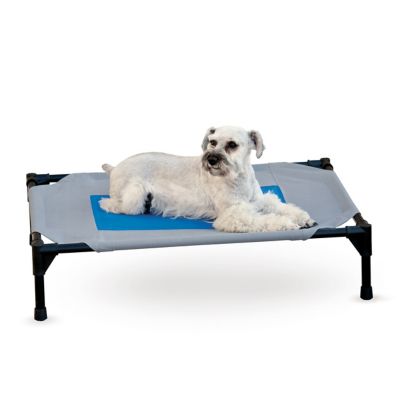
Care is part of choosing a cooling shirt, especially for dogs that find every dusty patch between the porch steps and the water bowl. A garment that is easy to wet, rinse, and dry fits more naturally into an everyday routine than one with care requirements that are hard to manage away from home. Activation methods vary, so the label should determine whether a shirt needs a quick soaking, a longer soak, or another preparation step. Many evaporative styles need rewetting when the fabric begins to dry; there is no single cooling duration that applies to every garment or every outing. Carrying extra water for the shirt can be practical on a walk, but the dog’s drinking supply comes first. Once dressed, the dog should still move freely, and the shirt should not sag heavily or drip enough to make resting spots unpleasant. Check beneath the fabric during breaks for rubbing, trapped debris, or skin irritation, particularly around the chest and leg openings. After an outing, remove the garment rather than leaving damp fabric against the coat for hours. Shake out grass and grit, then follow the washing directions; some constructions tolerate machine washing, while others call for gentler cleaning. Bleach, fabric softeners, and high heat may affect certain fabrics or cooling components, so none belongs in the routine unless the care label permits it. Let the shirt dry fully before storage, and inspect seams, fastenings, and inner layers for damage before the next wear. Dogs that chew clothing need close supervision, especially when a garment contains water-holding inserts or enclosed cooling materials. A cooling shirt can also be a thoughtful gift for someone whose dog joins relaxed outdoor outings, provided the dog’s measurements and tolerance for clothing are known. For rest after a walk,
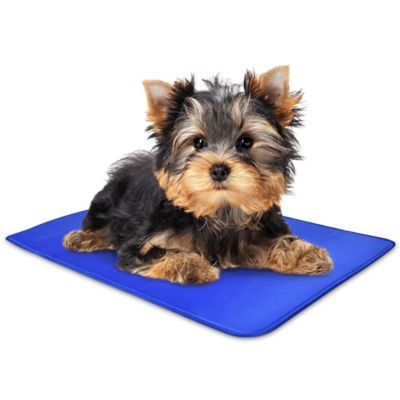
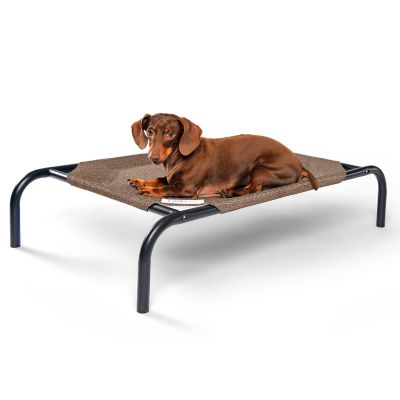
Cooling Dog Beds for Hot Summer Days offers a related option to consider alongside shade and fresh water. The best match is a shirt suited to the dog’s build, daily routine, and comfort with clothing, with care requirements that make sense for the person keeping it ready by the door.