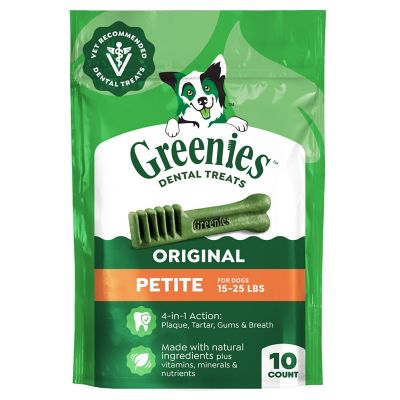
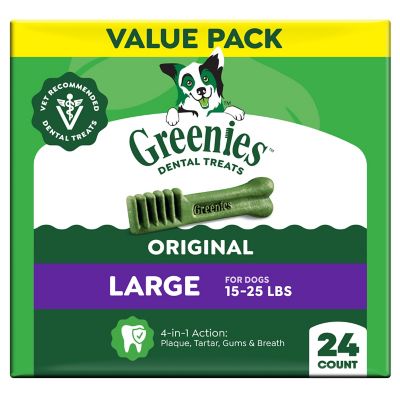
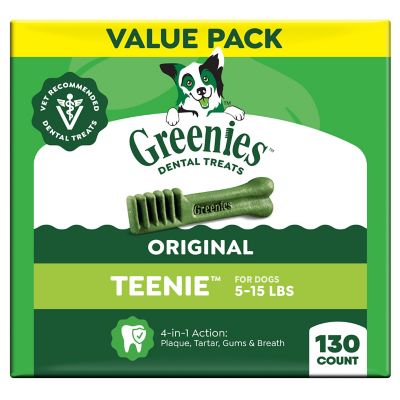
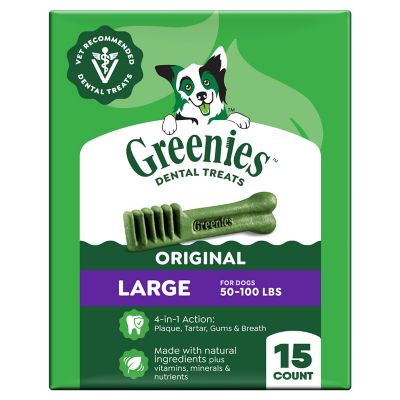
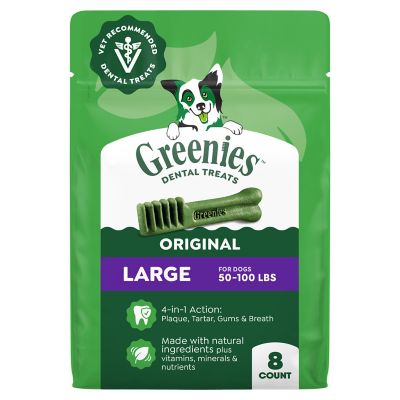
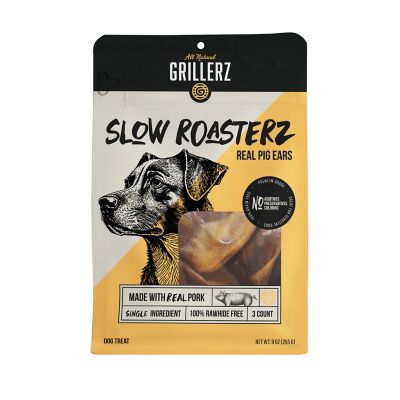
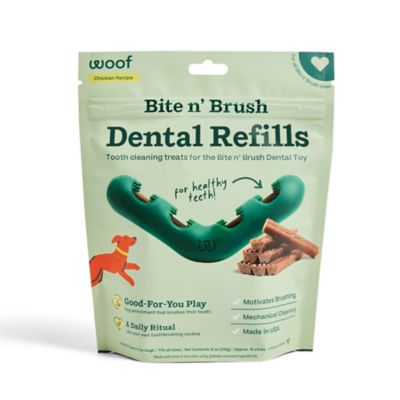
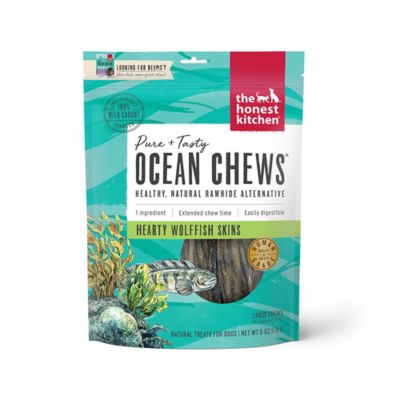
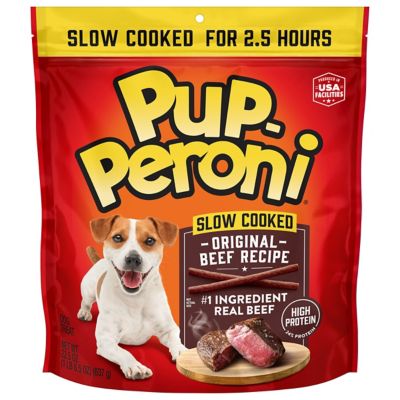
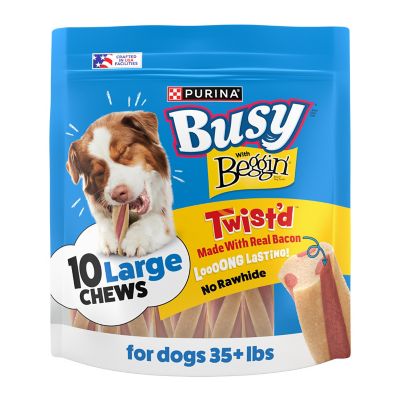
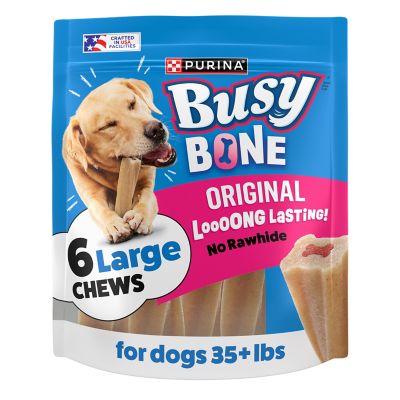
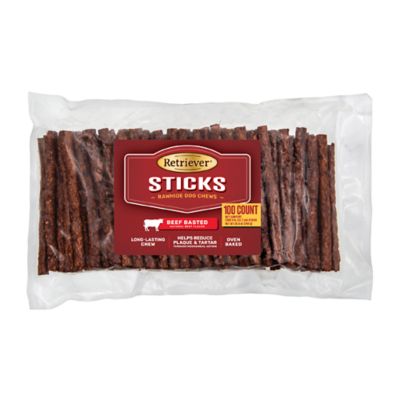
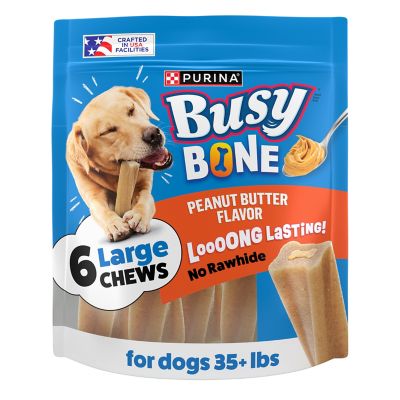
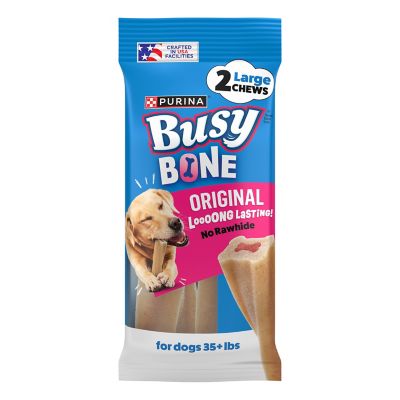
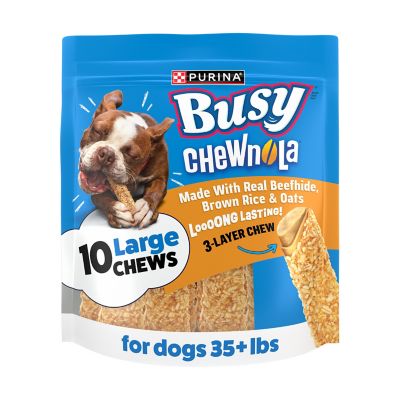
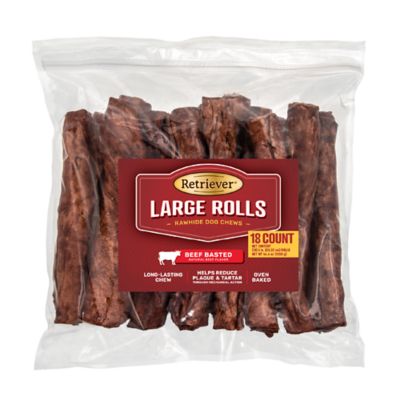
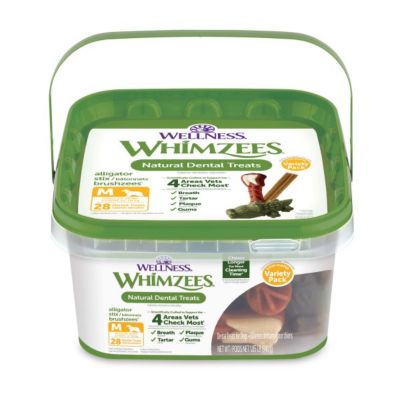
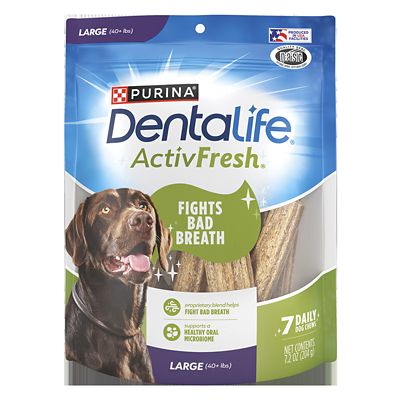
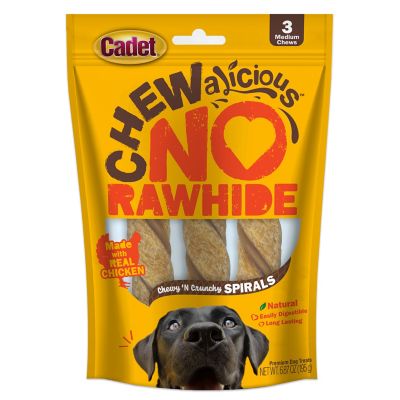
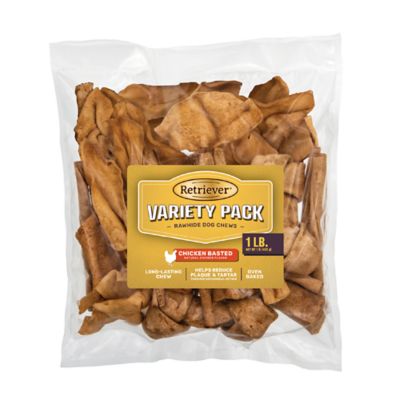
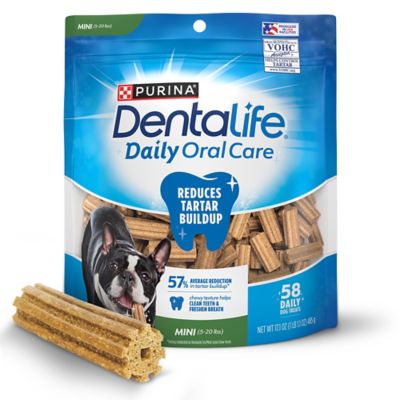
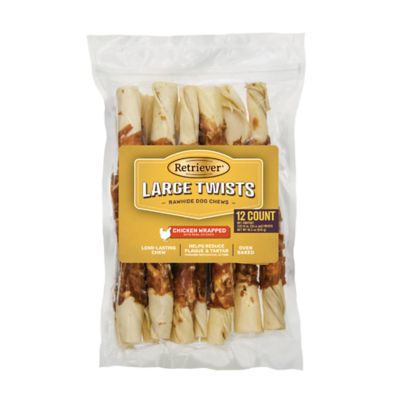
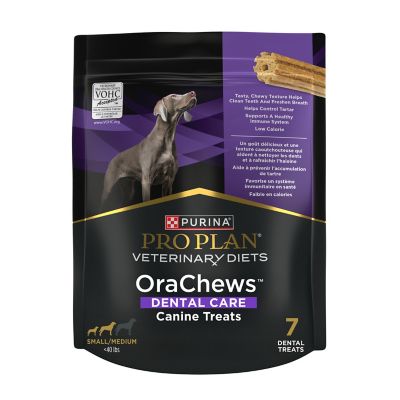
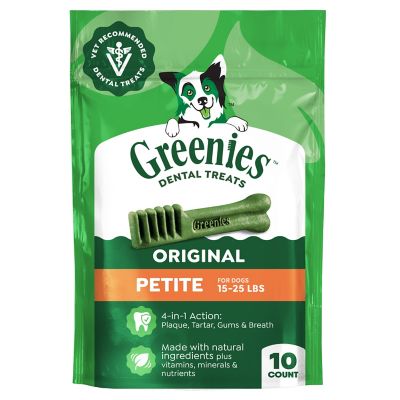
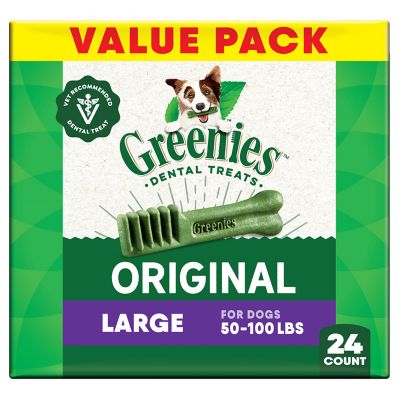
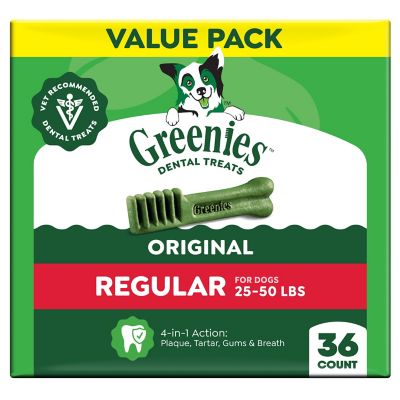
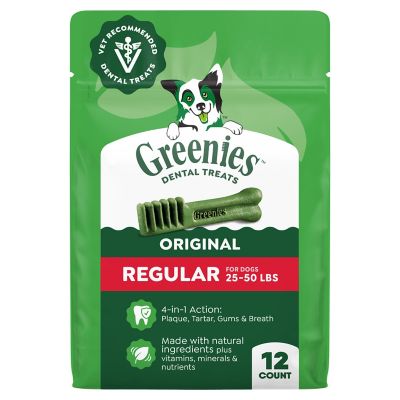
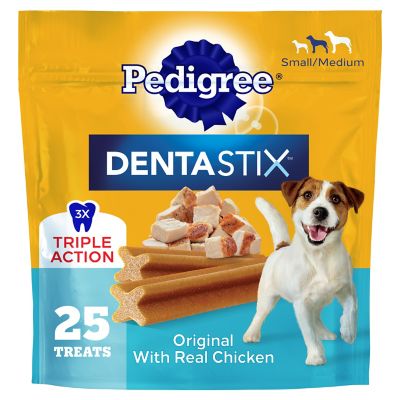
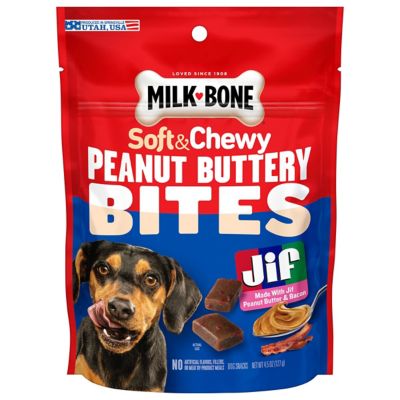
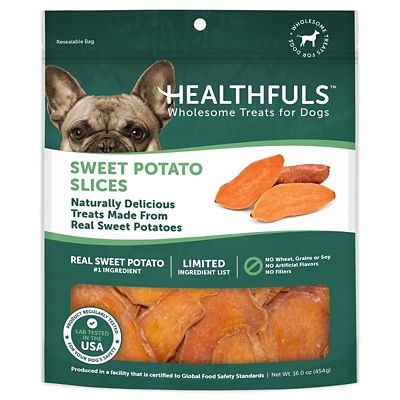
Chew treats for dogs give pups an outlet for their natural urge to gnaw, along with a rewarding way to stay occupied. Some dental chews can also help reduce plaque and tartar buildup through chewing action, though edible chews do not replace toothbrushing or veterinary dental care. From a dog stretched out beside the kitchen table to a companion settling down after a walk along the fence line, a supervised chew session can fit into everyday life. What makes a chew a good match comes down to its ingredients, size, texture, and how the dog tackles it. Animal-based chews may contain hide, collagen, or other animal tissues, while other edible options combine ingredients such as starches, proteins, and gelatin to create different shapes and textures. Those differences affect how a treat softens, breaks apart, and holds a dog’s attention. A firm surface may encourage steady gnawing, while a more yielding texture may suit a dog that prefers an easier bite. Neither texture nor ingredient source alone tells the whole story about suitability or digestion, so package directions and the full ingredient list matter more than appearance. Dogs with food sensitivities need particular attention to protein sources, flavorings, and other ingredients, especially when following a veterinarian’s diet plan. A familiar flavor can make a chew appealing, but a strong smell or an enthusiastic first bite does not mean it agrees with every stomach. Introducing a new treat in a small amount makes it easier to notice digestive upset before it becomes a bigger problem. For dental-focused treats, evidence supporting the stated benefit is worth looking for; ridges and grooves by themselves do not prove a chew will clean teeth. Chews remain treats rather than a stand-in for complete and balanced meals, even when they contain familiar ingredients or carry a dental benefit.
A dog’s weight is a starting point for chew sizing, but mouth size, age, dental health, and chewing habits matter, too. Two dogs of the same weight can handle a treat very differently: one may work slowly along an edge, while the other tries to swallow the whole thing after a few bites. Package weight ranges and age recommendations help narrow the fit, and the chew should be large enough that the dog cannot easily swallow it whole. A treat that seems generous at first can become a choking concern once the dog has worn it down to a small nub. Length alone is not enough, either; thickness and shape affect how easily a dog can get the chew into the back of the mouth. Puppies need options appropriate for their age and developing teeth, rather than simply a smaller version of an adult dog’s chew. Older dogs, dogs with missing teeth, and dogs recovering from dental work may need a softer texture or a veterinarian’s recommendation before getting an edible chew. For enthusiastic chewers, greater hardness is not automatically a better fit. Very hard materials can damage teeth, and a dog that cracks off large chunks needs a different option from one that steadily softens the surface. How long a chew lasts also varies with the individual dog, so a long-lasting description is not a promise of a certain number of minutes. Treat calories deserve the same attention as size and texture, especially for small dogs or dogs working toward a healthier weight. A common veterinary guideline is to keep treats to no more than about 10 percent of daily calories, with individual needs set by the dog’s veterinarian. Counting a chew alongside training rewards and other snacks helps keep the whole day in view. A chew can be a pleasant reward after a walk or training session, but it does not take the place of exercise, play, or time with people.
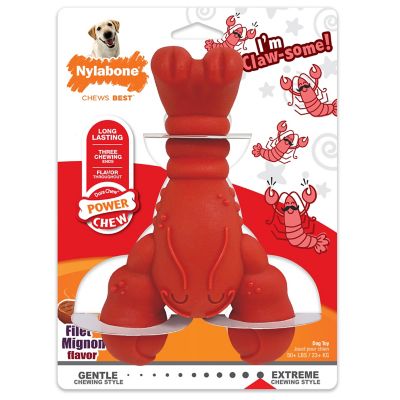
The best setting for an edible chew is a calm spot where someone can keep an eye on the dog from the first bite to the last. A washable mat near the family’s usual sitting area gives the dog a place to settle and makes crumbs or greasy marks easier to manage. Chews can leave residue on rugs, bedding, and upholstery, so the surface underneath matters almost as much as the treat itself. In a household with several dogs, separate spaces can help keep one dog from rushing to finish or trying to take another dog’s chew. Children also need room to watch without reaching toward a dog’s mouth or taking away food. When a piece becomes small enough to swallow whole, develops sharp edges, or starts breaking into large chunks, the chew session is over. Trading for another reward is safer than grabbing a treat from a guarded mouth. Close supervision still matters for dogs that have enjoyed the same type of chew before, since chewing behavior can change with excitement, competition, or dental discomfort. Edible treats and nonfood chewing options serve different purposes;
Chew Toys for Dogs offer another outlet for chewing without being intended as food, though proper sizing and supervision still apply. Treat care starts with the package instructions, including storage directions and any guidance about handling a partially eaten chew. Keeping treats sealed, away from moisture, and out of reach helps protect them from contamination and prevents an unsupervised snack raid. Washing hands after handling animal-based chews and cleaning the dog’s chewing spot are sensible habits, too. A chew that smells different, shows mold, or has picked up dirt belongs in the trash, not back in the treat container. With attention to fit, ingredients, portion size, and handling, chew treats can earn a regular place in a dog’s routine, offering satisfying chewing time without overlooking the everyday details that help keep it safe.