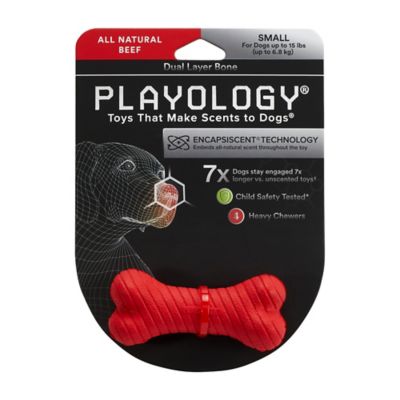
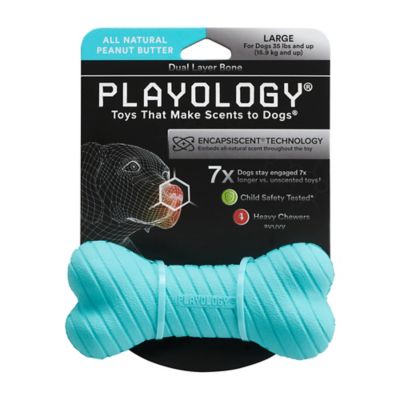
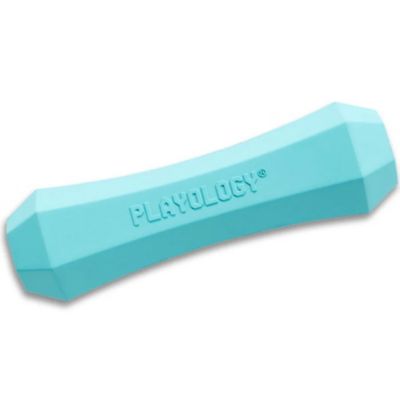
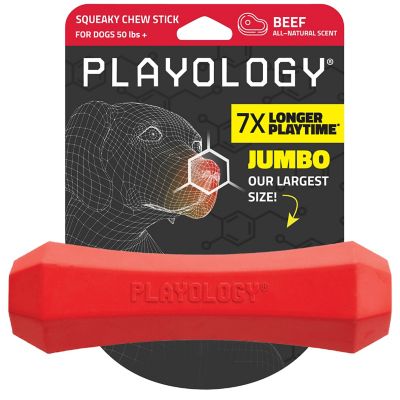
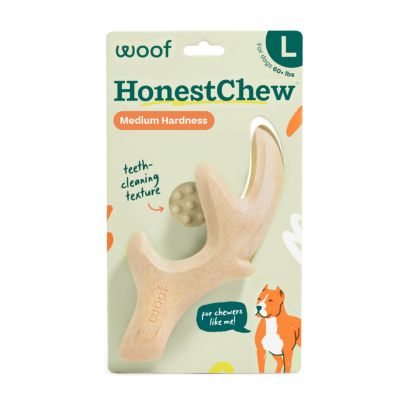
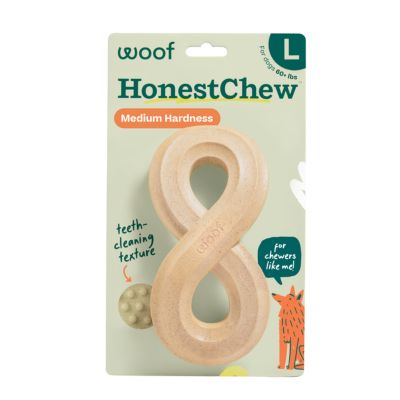
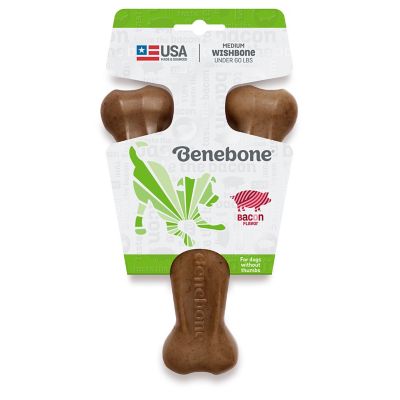
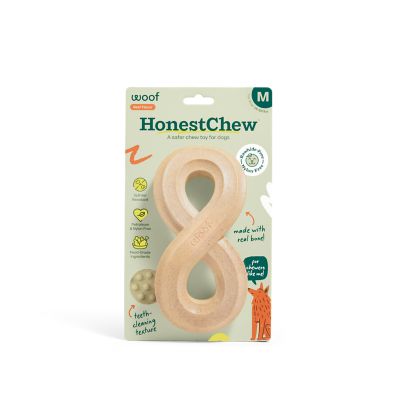
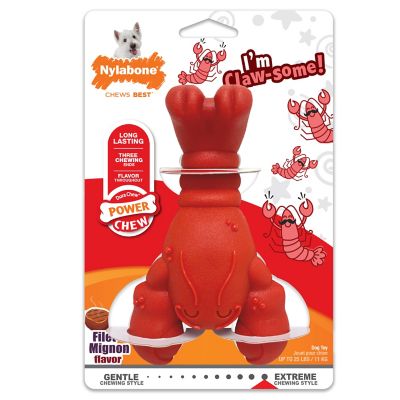
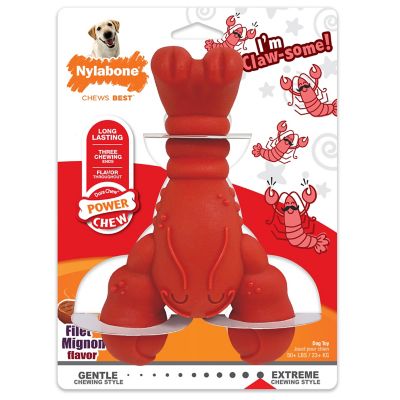
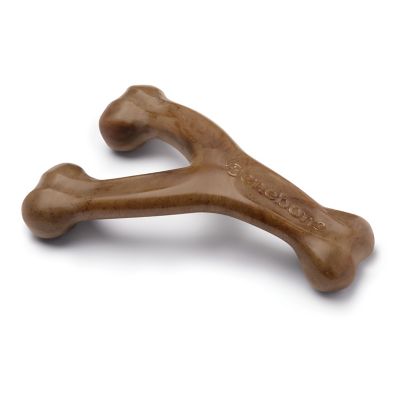
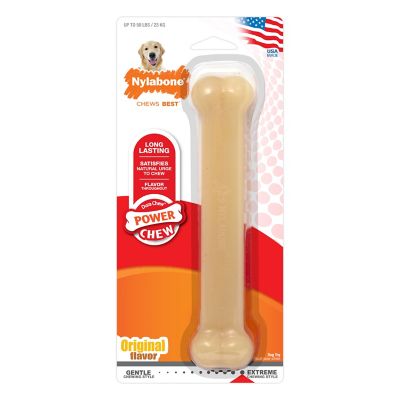
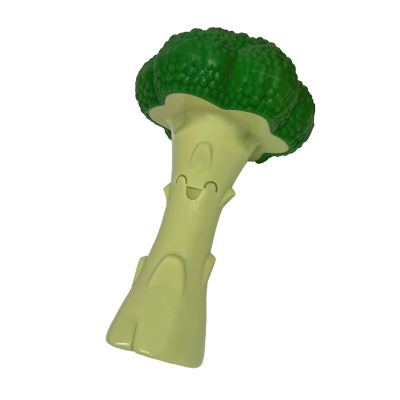
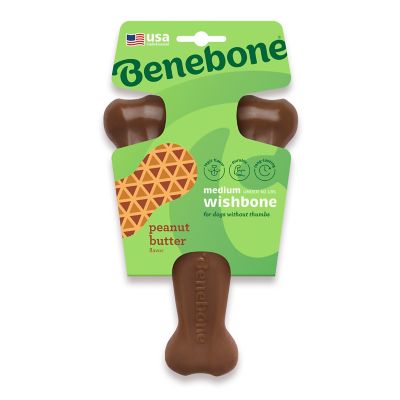
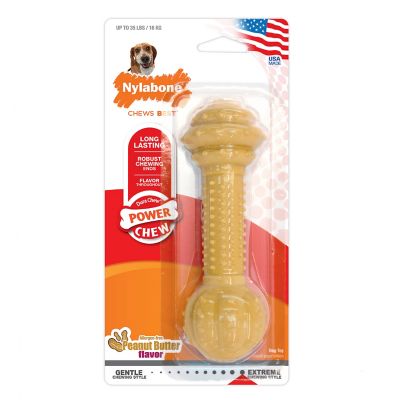
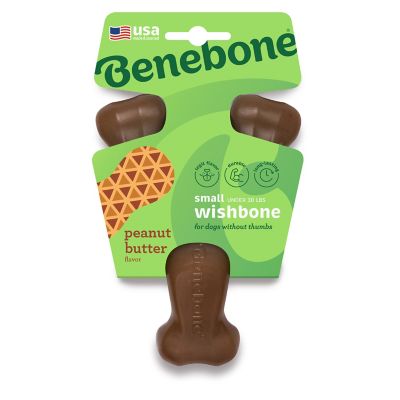
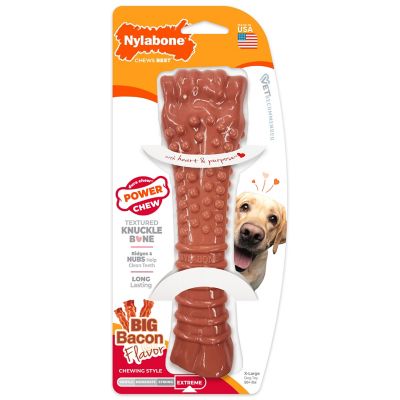
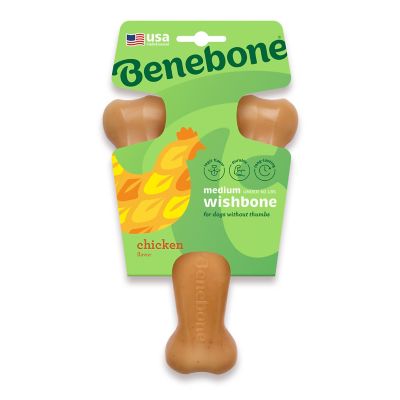
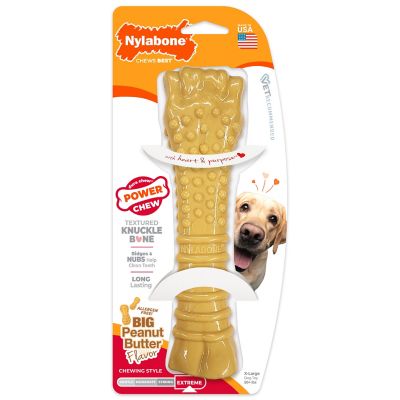
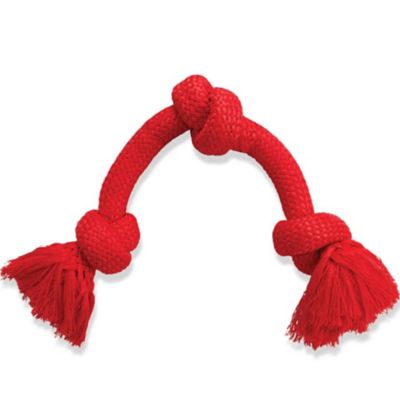
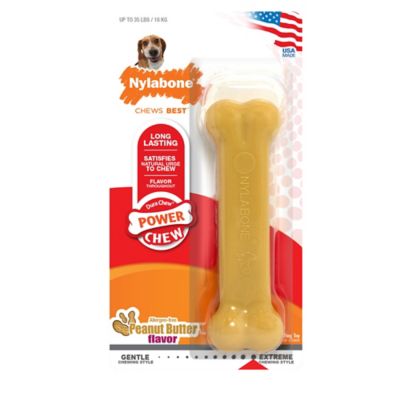
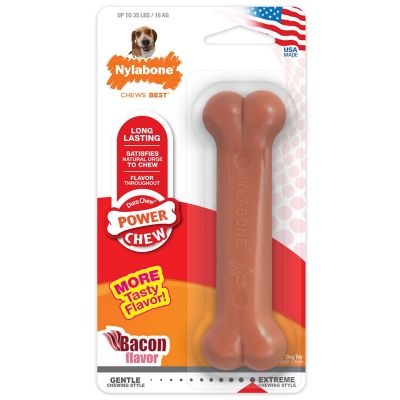
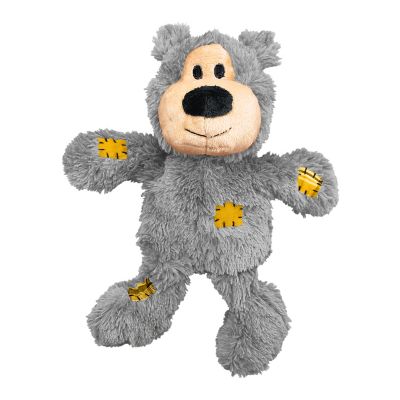
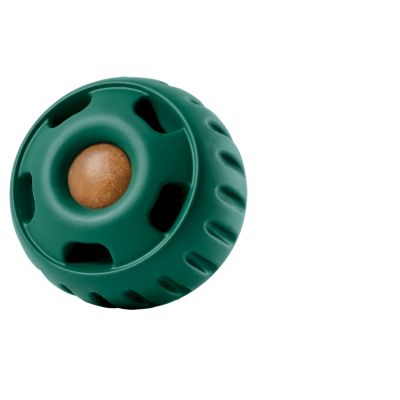
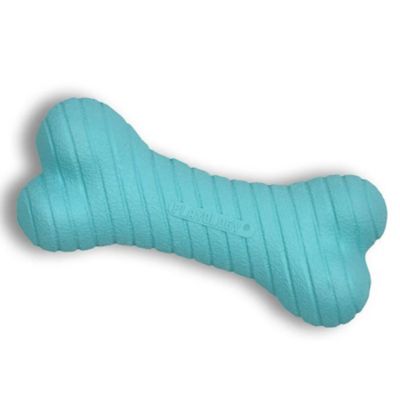
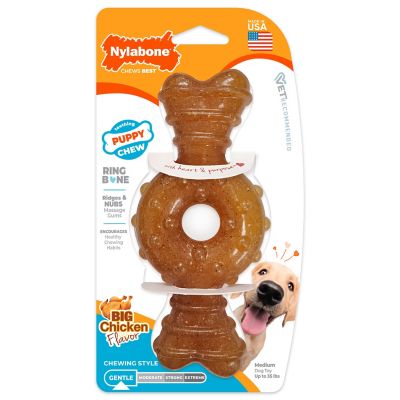
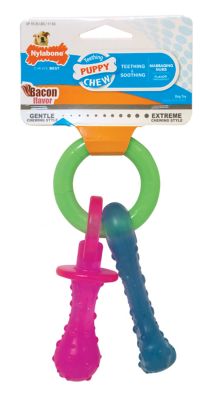
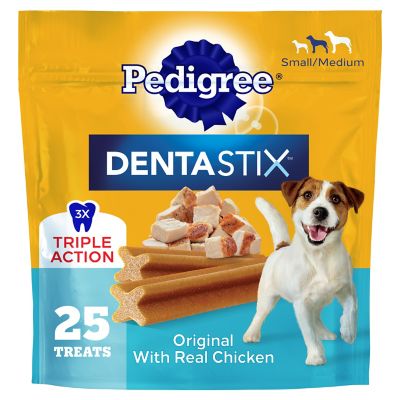
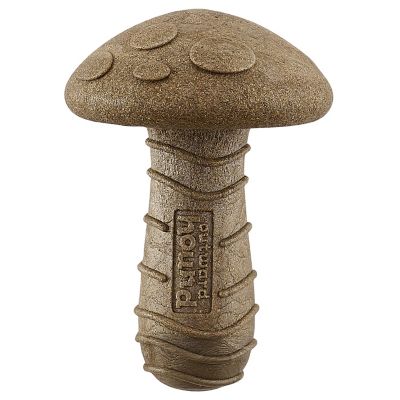
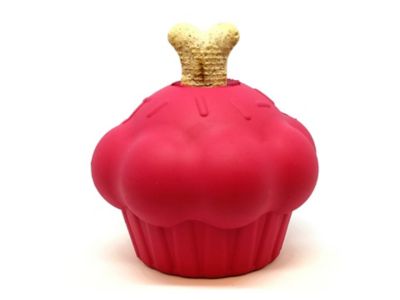
Chew toys for dogs give that natural urge to gnaw a better outlet than a work boot, chair leg or corner of the dog bed. For a dog that likes to settle down with something between its paws, the right toy can turn quiet time into a satisfying activity. Chewing also gives dogs something to explore through texture, scent and movement, though a toy does not replace walks, training or time with people. The best match depends on the dog’s size, age and chewing habits, not just the shape of the toy. A gentle nibbler and a dog that tears through playthings need different levels of resistance, even if they weigh the same. Rubber chew toys offer some give, with firmness varying from one design to another. Solid shapes, hollow centers and raised surfaces provide different chewing experiences, while treat pockets can add a food reward to the activity. Nylon chew toys generally have a firmer feel, making hardness an important consideration for dogs that clamp down with force. A very hard toy can damage teeth; stronger chewing does not automatically call for the hardest material. Woven rope brings a different texture and can suit supervised tugging and light chewing, but loose strands can become a swallowing hazard. Soft fabric toys may suit dogs that carry or mouth their toys rather than pull them apart, although fabric and stuffing are poor matches for dogs that swallow pieces. Across these materials, a useful chew toy is large enough that the dog cannot swallow it whole and shaped so it cannot easily lodge in the mouth. Package weight ranges and age recommendations provide a starting point, with the dog’s actual mouth size and chewing behavior helping narrow the choice. There is no chew toy that every dog can safely tackle, and no toy is indestructible. A dog that grips, grinds and works at one spot needs closer attention than one that gently mouths a toy before taking a nap.
Life stage matters just as much as chewing strength. Puppies explore with their mouths, and teething can make them eager to gnaw on whatever is close by. Flexible materials and manageable shapes give young dogs an outlet without asking developing teeth to bear down on an overly hard surface. For that stage,
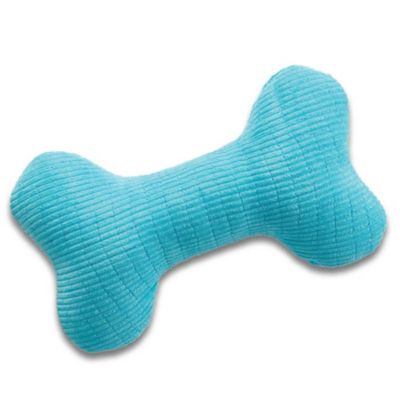
soft chew toys for teething puppies offer a gentler place to start, with sizing and supervision still important as the puppy grows. A toy that fits at the beginning of puppyhood may become too small before long. Adult dogs may enjoy a mix of textures, especially when one toy supports relaxed chewing and another brings a little problem-solving into the day. Treat-dispensing and stuffable chew toys can hold part of a dog’s regular food allowance, making them useful for a supervised break while someone folds laundry or takes care of paperwork nearby. Openings should suit the intended filling and allow thorough cleaning afterward. Any food added to a toy needs to fit the dog’s diet, and peanut butter must be free of xylitol, which is toxic to dogs. Small portions help keep treats from crowding out balanced meals. For senior dogs or dogs with missing teeth, softer surfaces and easy-to-grip shapes may be more comfortable than stiff, narrow designs. Dental disease, a history of broken teeth or pain while chewing calls for a veterinarian’s advice before introducing a new chew toy. Textured surfaces may help rub away some plaque during chewing, but ordinary toys are not a substitute for toothbrushing or veterinary dental care. Comfort shows up in how a dog handles the toy: relaxed gnawing is different from repeated hard clamping, yelping or dropping it suddenly. A broad shape can give a dog room to brace the toy with its front paws, while a smaller grip area may suit a dog that prefers to carry something around before settling beside a favorite chair.
Everyday care helps keep chew toys ready for the next round of play. Saliva, food residue and dirt can collect in grooves and hollow spaces, particularly when a toy travels between the living room and the yard. Many washable designs can be cleaned with warm water and mild soap, followed by thorough rinsing and drying, but the manufacturer’s care directions should determine the method. Dishwasher cleaning is appropriate only when the label specifically allows it. Treat cavities need extra attention so food does not remain tucked inside, and damaged toys should not go back into the rotation just because they look cleaner. Deep splits in rubber, sharp edges on firm materials, unraveling rope and exposed stuffing are all reasons to take a toy away. Pieces small enough to swallow are another clear warning sign. Checking a toy before and after a chewing session helps catch changes that may not be obvious from across the room. Supervision is especially important with a new shape or material, since a dog may treat it very differently from a familiar favorite. Chew time works best in a spot where someone can keep an eye on the dog and step in if it starts tearing off chunks. In homes with more than one dog, separate spaces can help prevent squabbles over a food-filled toy or a favorite chew. Keeping a few suitable toys in rotation can also renew interest without leaving every toy on the floor at once. Chew toys make thoughtful gifts for someone bringing home a puppy, adopting an adult dog or welcoming a new four-legged ranch companion, provided the recipient’s size, age and habits are known. Matching those details matters more than choosing a playful shape alone. For dogs that chew furniture or other household belongings, an appropriate toy offers an alternative, but persistent chewing may also point to boredom, stress or a need for more activity. A comfortable fit, a suitable texture and regular checks help make chew toys a useful part of daily life, whether the dog prefers a short gnaw beside the kitchen table or a longer, supervised session stretched out on its bed.