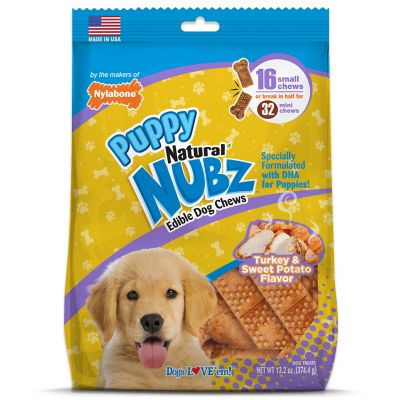
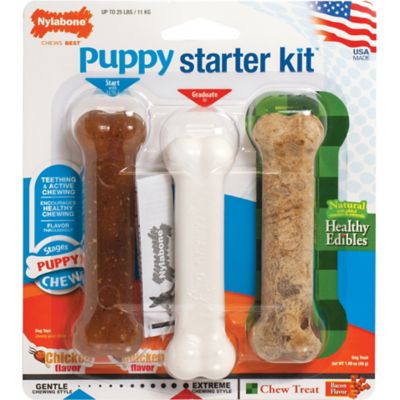
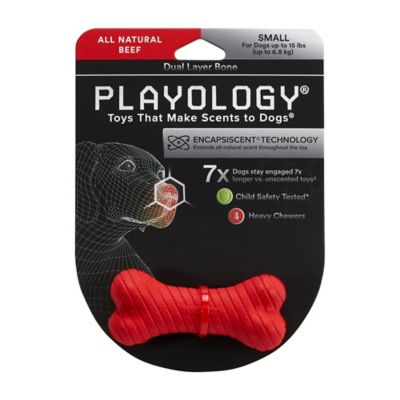
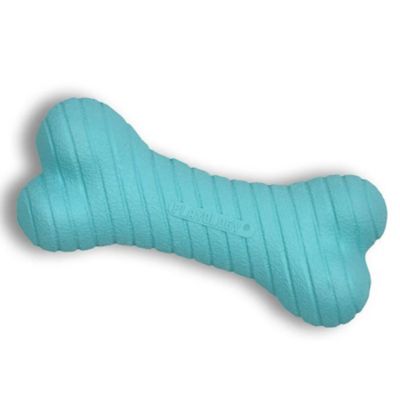
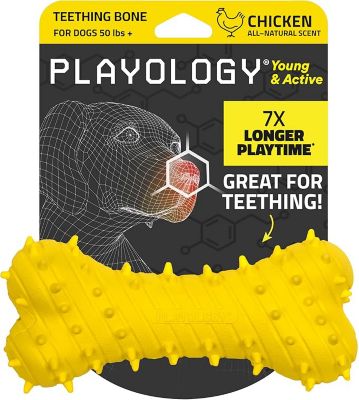
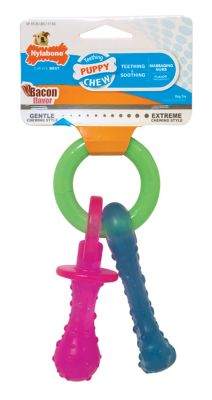
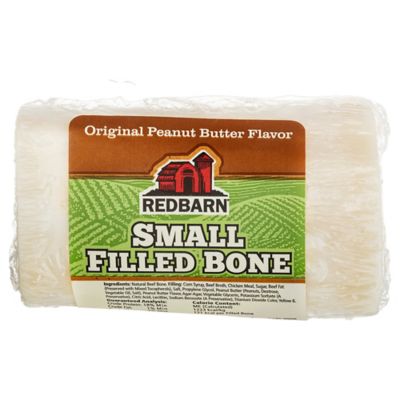
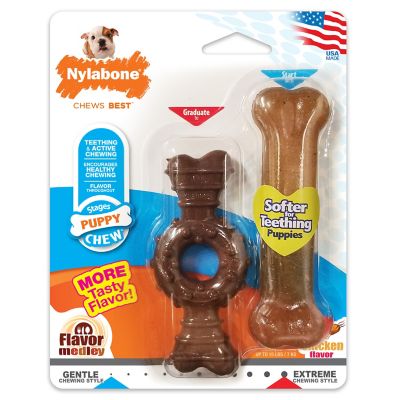
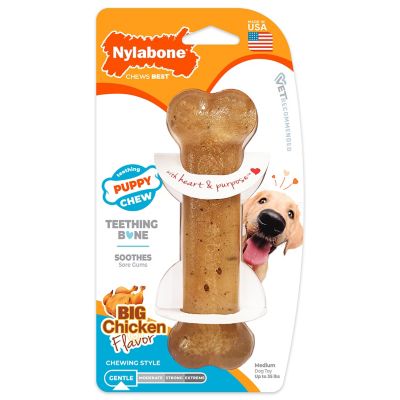
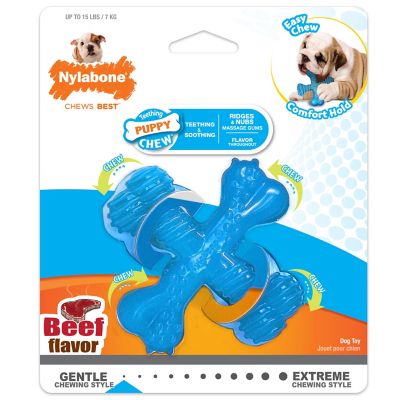
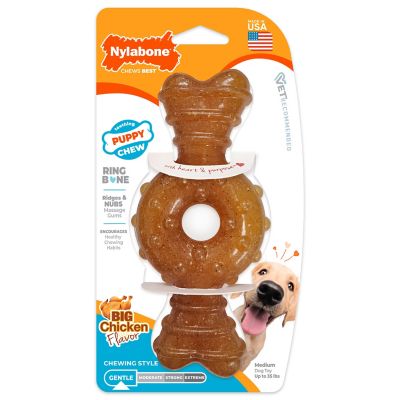
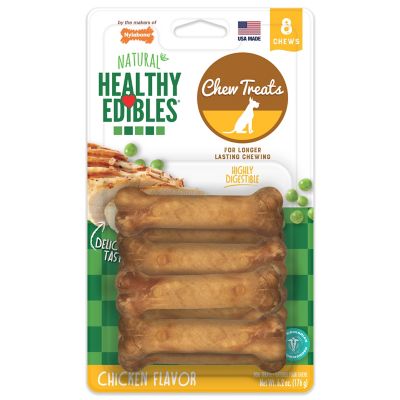
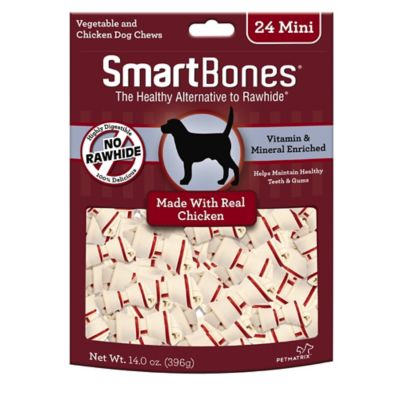
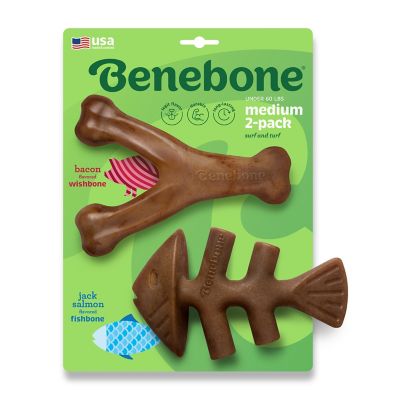
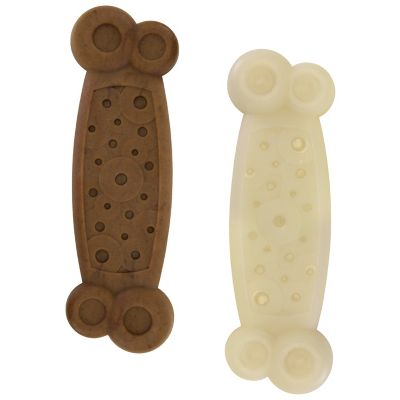
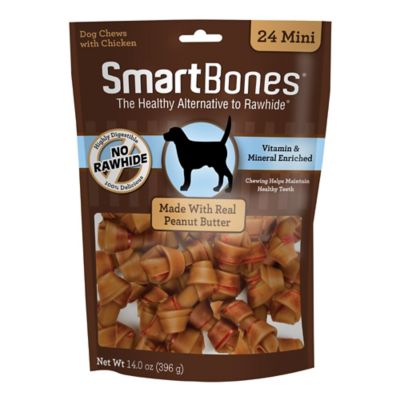
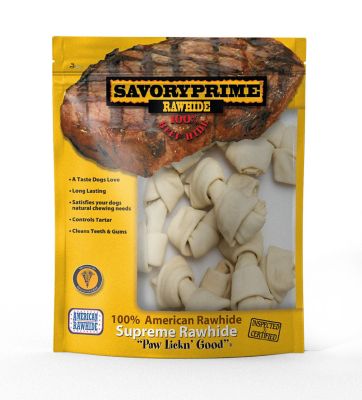
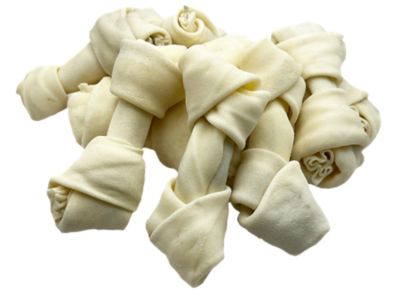
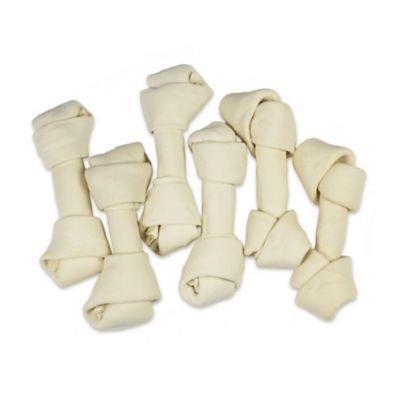
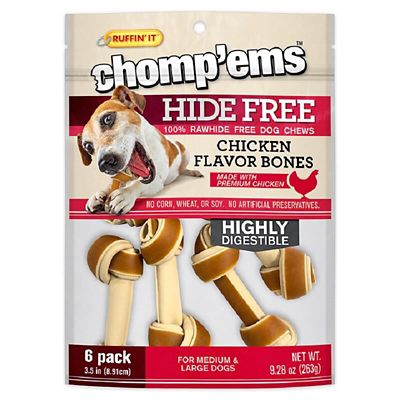
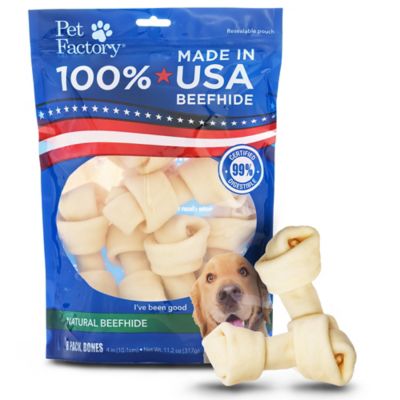
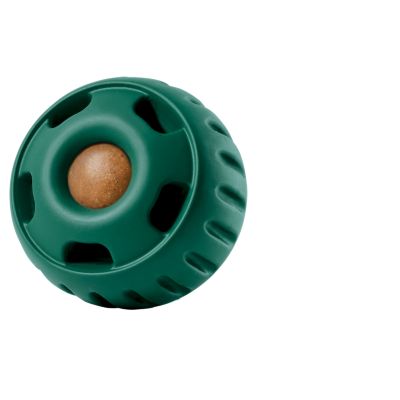
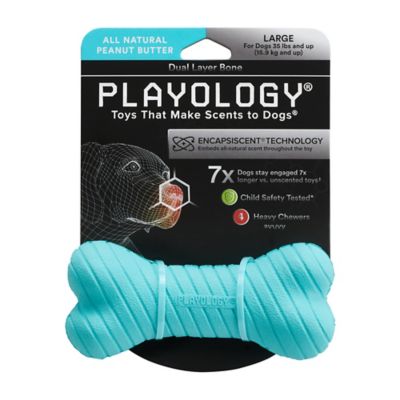
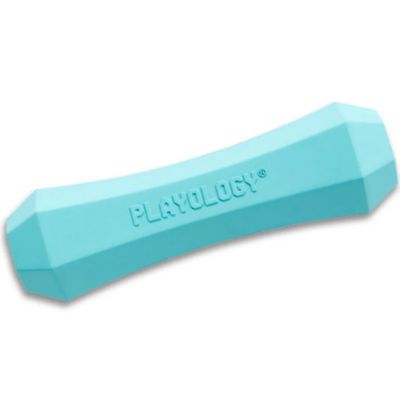
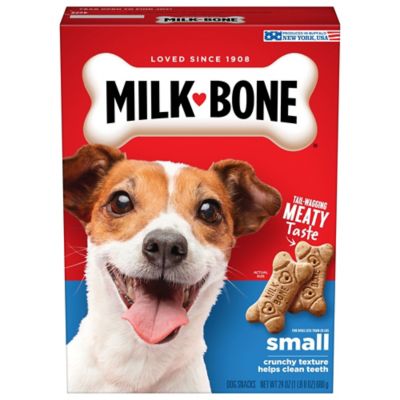
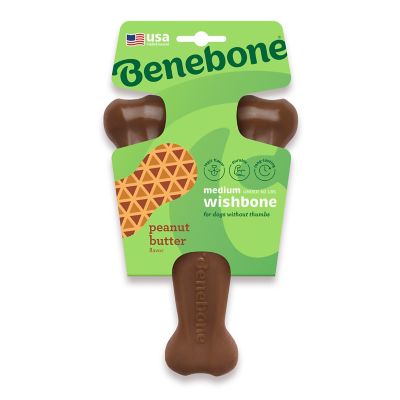
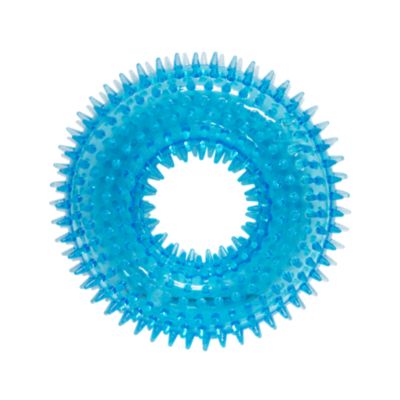
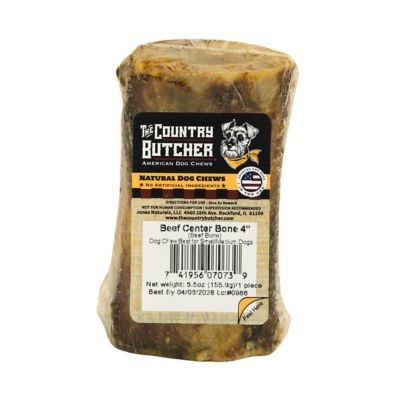
Dog bones for teething puppies give young dogs an outlet for the steady urge to chew while adult teeth come in. For many puppies, that change starts around 3 to 4 months of age and continues until about 6 to 7 months, though the timing varies. During that stretch, a work boot by the back door or a wooden chair rung can look mighty tempting. Puppy-appropriate bone-shaped chews offer a more suitable place for all that gnawing, along with something to settle down with after a game or a short training session. The word “bone” covers several different kinds of products, from edible puppy chews to flexible, non-edible toys shaped for little mouths. The shape alone does not make a chew appropriate for teething: material, firmness, size, and the manufacturer's age recommendations matter much more. Soft, pliable chews and flexible rubber toys made specifically for puppies are generally better choices than dense animal bones, antlers, or hard adult chew toys, which can fracture developing teeth. Cooked animal bones are not appropriate because they can splinter and cause choking or internal injuries. Even uncooked bones carry risks, including broken teeth, choking, and exposure to bacteria. For a puppy stretching out on a washable mat beside the kitchen table, a manageable bone-shaped toy can provide a satisfying chewing outlet without bringing those risks into the routine. Raised nubs, shallow ridges, and rounded ends offer different surfaces to explore, but textures should not have sharp edges or rough seams. A chew should have enough give for tender mouths rather than feeling like a rock. Puppy labeling is a starting point, not a promise that every material will suit every dog. Gentle nibblers and determined biters put very different demands on the same kind of chew, so the best match depends on both the puppy's stage of growth and what happens once the chewing starts.
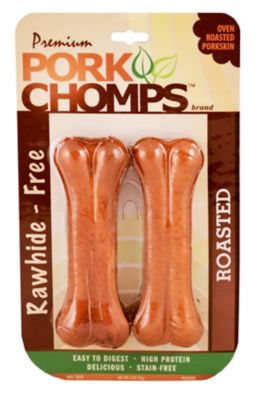
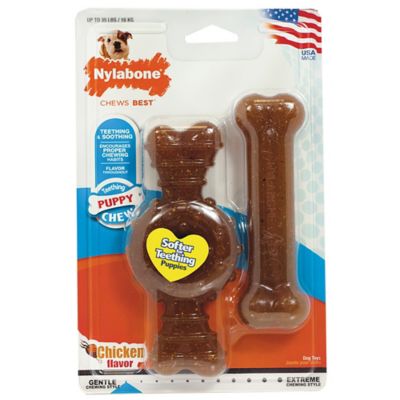
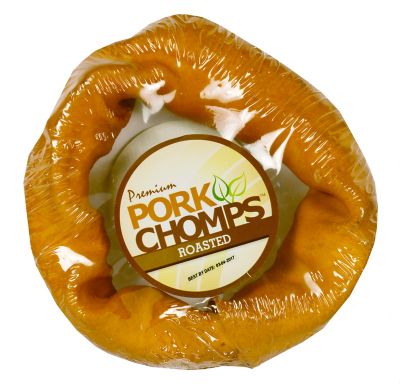
Size and shape make a real difference in how comfortably a puppy can handle a teething bone. A small puppy needs something light enough to lift and easy enough to hold between the front paws, while a larger puppy needs a chew that cannot slip entirely into the mouth or be swallowed. Weight ranges and sizing directions on the package help narrow the choice, but mouth size and chewing habits deserve attention, too. A long, narrow shape may be easy to carry yet become a swallowing hazard if it gets too short. Rounded bone ends can give paws something to brace against, while a slimmer middle may be easier for a young mouth to grasp. Flexible rubber and other pliable materials offer different amounts of give; nylon products vary widely in hardness, so the material name alone does not establish whether a toy is suitable for baby teeth. Non-edible teething bones are meant for chewing, not eating, and pieces that break free can present a choking or intestinal blockage risk. Edible puppy chews serve a different purpose: they are treats that gradually break down during chewing, with ingredients, serving directions, and minimum ages that need to suit the dog. Digestibility does not eliminate the danger of swallowing a large chunk, and an eager gulper may need a different option than a puppy that takes small, measured bites. Treat calories count toward the day's food intake, especially for a growing puppy whose main nutrition should come from complete and balanced puppy food. Ingredient lists also matter for dogs with known sensitivities or a history of stomach upset. Puppies with special dietary needs, dental problems, or a habit of swallowing objects benefit from a veterinarian's recommendation before a new chew enters the picture. For another look at shapes and chewing surfaces,
Dog Chew Toys for Teething Puppies offers a related category to consider alongside bone-shaped options. The goal is a comfortable fit for the puppy in front of you, not simply the biggest chew or the toughest material.
Everyday care helps keep a puppy's chewing routine manageable, whether the dog spends most of the day around the house or tags along for supervised chores. Teething bones belong in a clean spot where someone can watch the puppy chew, away from livestock feed, shop chemicals, loose hardware, and anything else a curious mouth might investigate. A quiet corner within sight of the family is a better setting than leaving a chew with an unattended puppy. Supervision means noticing when slow gnawing turns into forceful tearing, when an edible chew becomes small enough to gulp, or when a toy starts losing pieces. No chew is indestructible, and a puppy's growing jaw can outpace a toy that seemed suitable a short time earlier. Cracks, splits, sharp edges, exposed inner material, and loose chunks are reasons to take a non-edible bone out of the rotation. Edible chews should come away when the remaining piece creates a swallowing risk, according to the package directions. Cleaning needs vary with the material: some non-edible toys allow washing with mild soap and thorough rinsing, while others have specific dishwasher or hand-washing directions. Edible chews need storage and handling that follow their packaging rather than the cleaning routine for a toy. Chilling may offer a soothing sensation with certain puppy teething toys, but only when the manufacturer permits it; freezing can make some materials too hard for tender teeth. Keeping a few appropriate shapes in rotation can add interest without leaving worn chews scattered under furniture. A bone-shaped chew can also be a thoughtful addition to a new-puppy gift for a neighbor or family member when the dog's age, size, and dietary needs are known. At home, offering a suitable chew when a puppy reaches for a sleeve or table leg helps build a clearer routine, especially when paired with praise for choosing the right object. Persistent bleeding, facial swelling, refusal to eat, or signs of significant mouth pain call for veterinary attention rather than another chew. With the right fit and watchful handling, puppy teething bones can earn their place among the everyday supplies that help a young dog settle into life with the family.