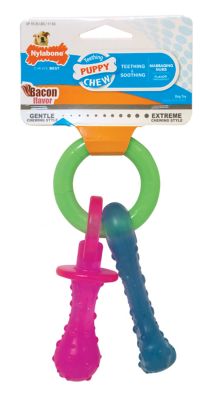
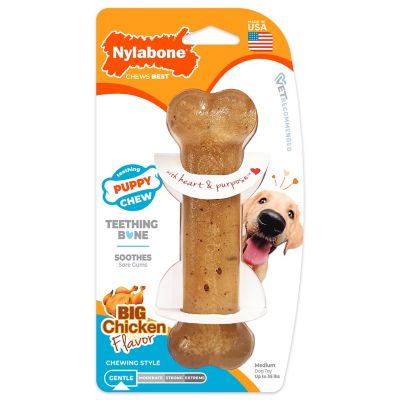
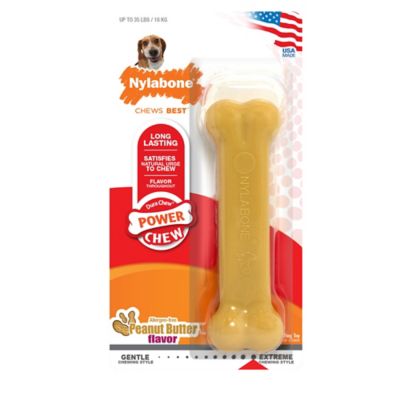
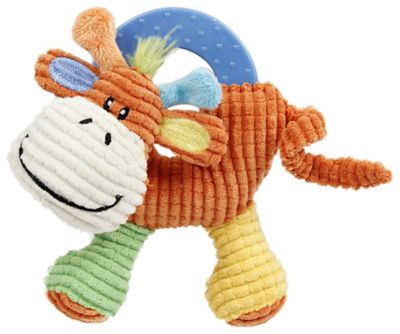
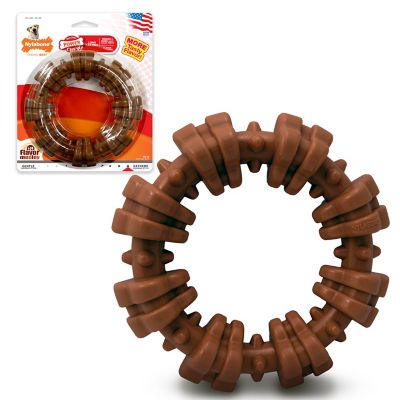
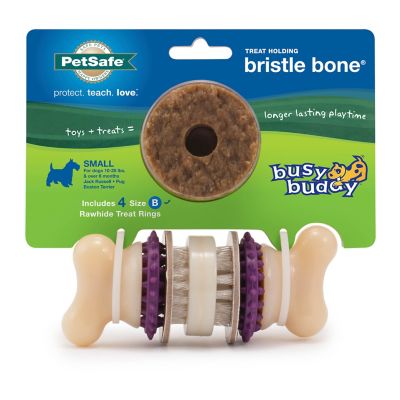
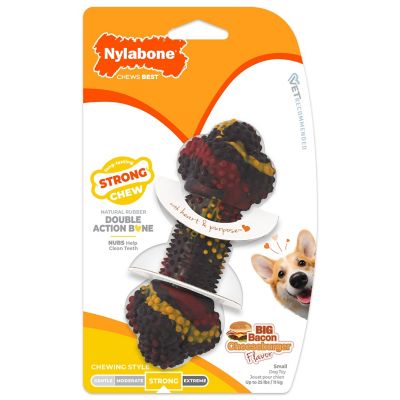
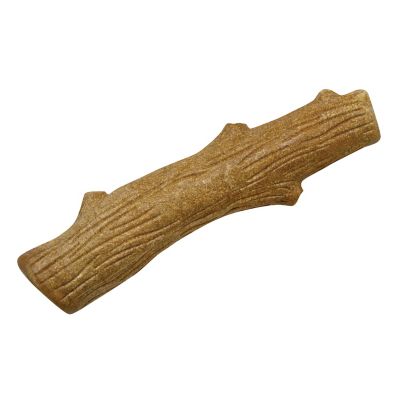
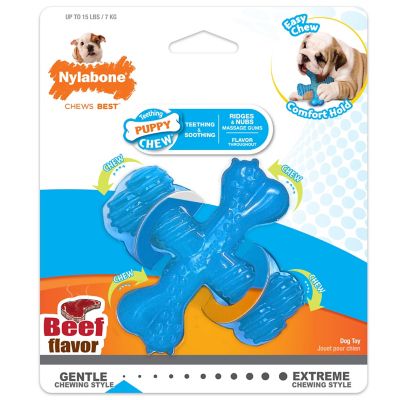
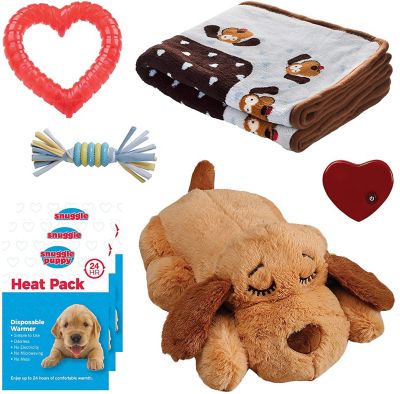
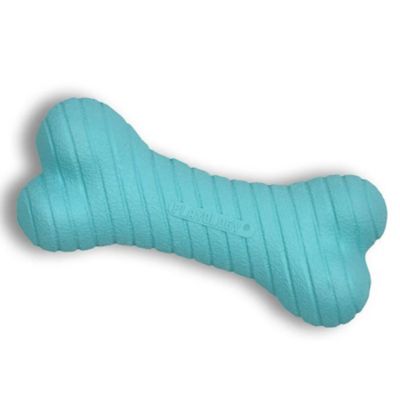
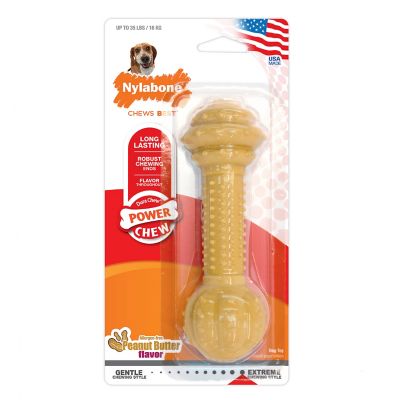
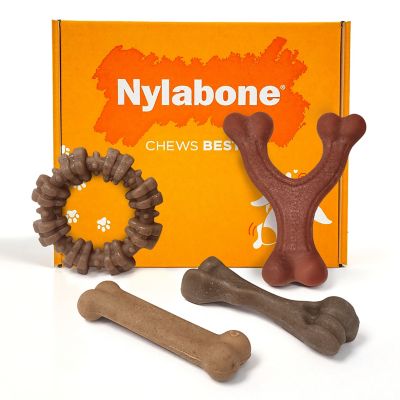
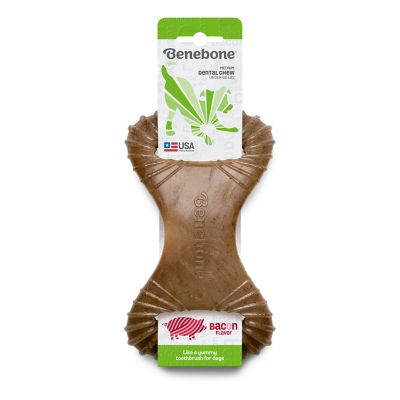
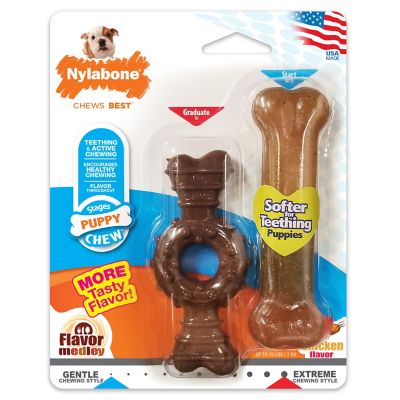
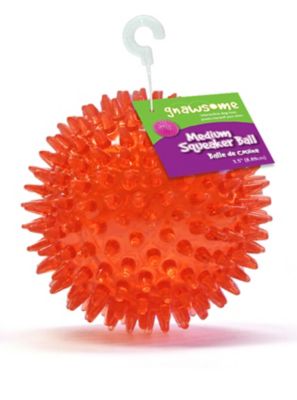
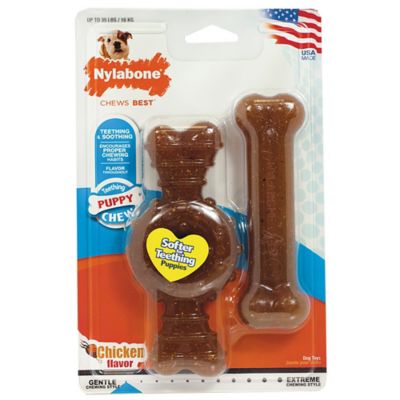
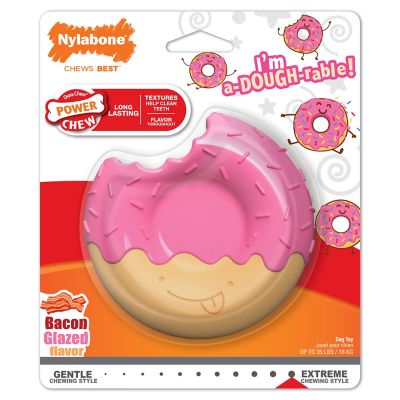
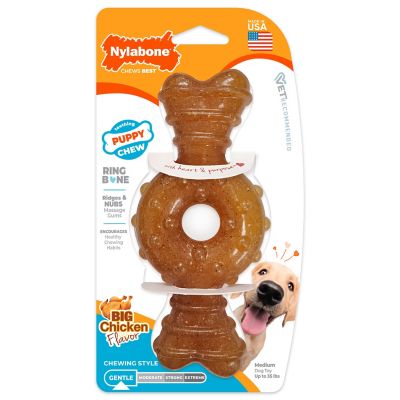
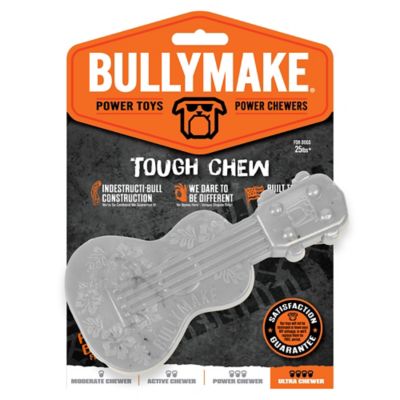
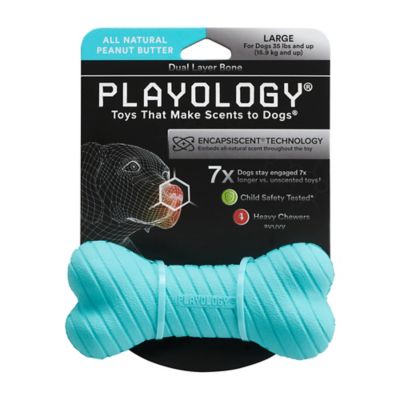
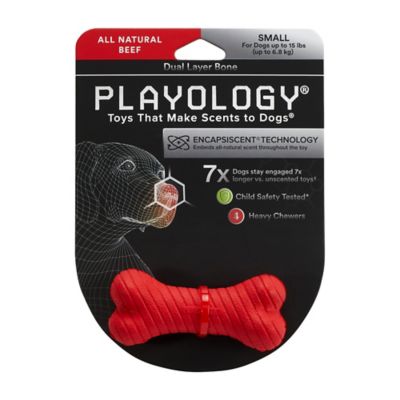
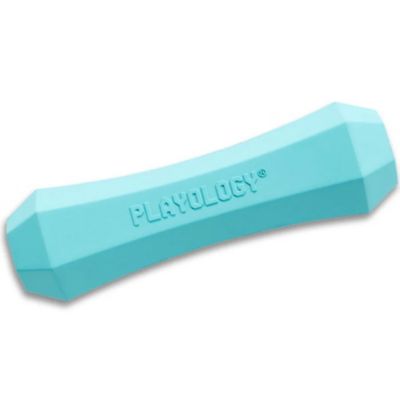
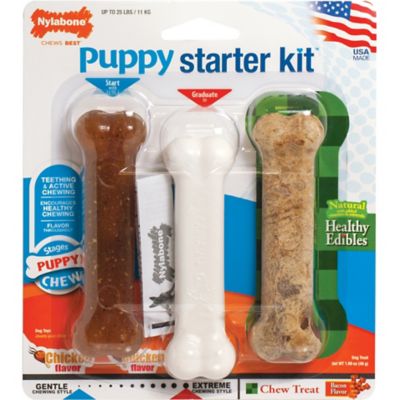
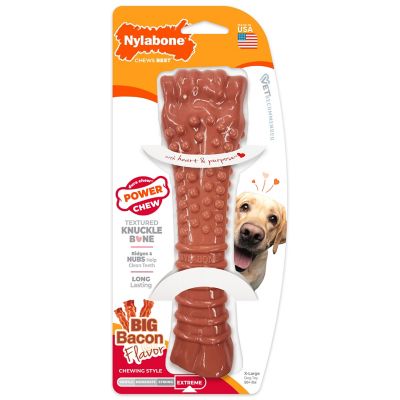
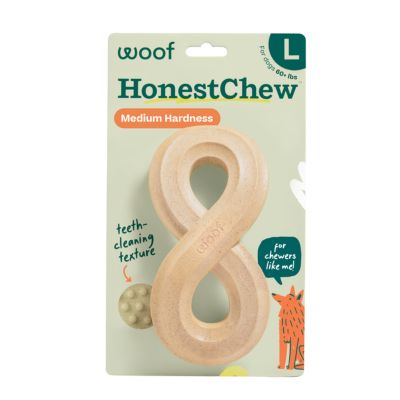
Dog chew toys for teething puppies give young dogs an appropriate outlet for chewing while their baby teeth loosen and adult teeth come in. Most puppies begin losing baby teeth around 3 to 4 months of age and have their adult teeth by about 6 to 7 months, though timing varies. During that stretch, a puppy may mouth a chair leg, grab a glove beside the back door, or work on the corner of a blanket. Puppy chew toys offer something better to reach for, with shapes and textures made for small mouths and developing chewing habits. The best match depends on the puppy’s age, size, chewing strength, and interest in different materials rather than a single shape that suits every dog. Flexible rubber and softer puppy-specific polymers are common choices, especially when they have enough give to yield under pressure without breaking apart easily. Raised ribs, rounded bumps, and gently textured surfaces can provide gum massage as a puppy chews, although no toy should be expected to treat dental pain or prevent every chewed-up boot. Smooth surfaces may appeal to puppies that prefer gentler contact, while rings and rounded shapes can be easier to brace between front paws. For a closer look at this material,
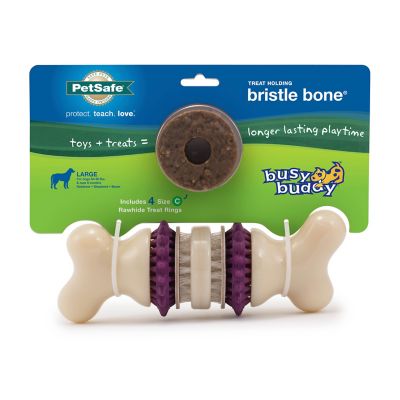
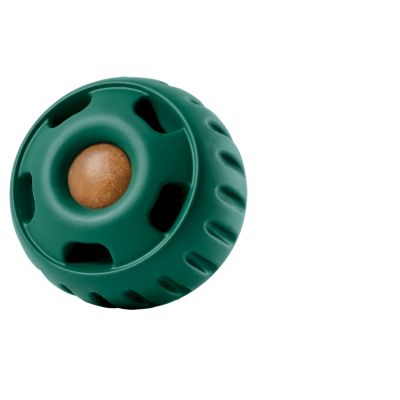
rubber chew toys for teething puppies offer another way to narrow the search by texture, flexibility, and shape. Treat-fillable designs add a food reward to chewing time when their openings and filling instructions suit the puppy’s age. Some toys also allow chilling, which may offer temporary comfort for tender gums; refrigeration or freezing should follow the maker’s directions rather than being assumed safe for every material. These features fit everyday puppy life, from a supervised break after a short walk to a quiet spell near the kitchen while supper gets underway. A chew toy is an outlet for normal puppy behavior, not a replacement for sleep, play, training, or attention.
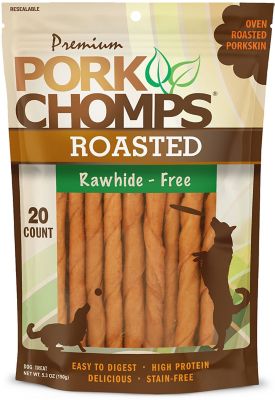
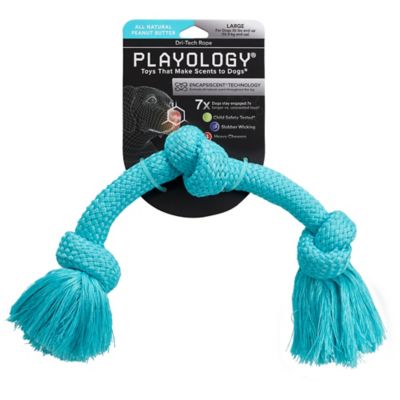
Size and material matter just as much as a puppy’s enthusiasm. A teething toy should be large enough that the puppy cannot swallow it or fit the whole thing deep into the mouth, yet manageable enough to pick up and chew without struggling. Package age, weight, and size recommendations are a starting point, but mouth shape and chewing habits also deserve a look. A broad-mouthed young farm dog and a smaller companion puppy may need different proportions even at the same age. Openings deserve attention, too: holes, loops, and rings should not allow a jaw or tongue to become trapped. As the puppy grows, yesterday’s good fit may become too small, so toy size needs checking throughout the teething months. Puppy-specific does not mean suitable for every puppy, and no chew toy is indestructible. A gentle nibbler may do well with a softer surface, while a puppy that quickly tears off chunks needs a different design and closer supervision, not simply the hardest toy on the shelf. Materials that do not give under pressure can put developing teeth at risk. Antlers, hooves, cooked bones, and very hard adult chews are poor substitutes for a toy selected for tender puppy mouths. A surface that yields slightly to a fingernail can help screen out overly hard options, though that check alone does not establish safety. Fabric and rope bring a different feel, but puppies that pull out stuffing or unravel strands can swallow those pieces, making them a poor match for persistent shredders. Nonedible chew toys and edible puppy chews also serve different purposes: one is meant for chewing without consumption, while the other requires attention to age guidance, ingredients, portion size, and swallowing habits. For food-fillable toys, a small amount of an age-appropriate filling can keep the activity manageable without turning every chew session into an extra meal. Any peanut butter filling must be free of xylitol, which is toxic to dogs. Food rewards should fit within the puppy’s daily feeding plan, particularly when several family members share treat duty.
Care and supervision help keep puppy teething toys suited to the job as chewing habits change. Before each session, a quick look and feel can reveal deep tooth marks, splits around openings, loose parts, or edges that have become rough. A toy that sheds pieces, exposes an inner layer, or becomes small enough to swallow belongs out of reach immediately. Rubber and polymer toys vary in how they handle washing, heat, and cold, so cleaning should follow the label. Many washable designs can be cleaned with mild soap and water, thoroughly rinsed, and allowed to dry, while dishwasher cleaning is appropriate only when the manufacturer allows it. Treat pockets need extra attention because damp food can linger inside narrow spaces. Bringing a toy back from the yard also calls for a check for grit, manure, lawn treatments, and other residue before it returns to a puppy’s mouth. Keeping a few suitable toys in rotation makes it easier to wash one and offer another, without leaving a pile of unchecked chews scattered around the house. During the cooler months, when a puppy spends more time underfoot indoors, a supervised chewing spot on an easy-to-clean mat can provide a steady routine after play or a potty trip. Calmly trading a stolen slipper for an appropriate chew and praising the switch helps show the puppy what belongs in its mouth. Chewing sessions should stay supervised, including when a toy is offered in a crate; a toy that held up yesterday can split during the next session. These toys can also make a thoughtful gift for someone bringing home a puppy, especially when the puppy’s age, size, and chewing style are known. Persistent bleeding, facial swelling, a broken tooth, refusal to eat, or signs of a swallowed toy call for veterinary attention rather than another chew. With a sensible fit, regular checks, and care matched to the material, dog chew toys for teething puppies can become a useful part of daily life, giving busy little mouths a better place to settle.