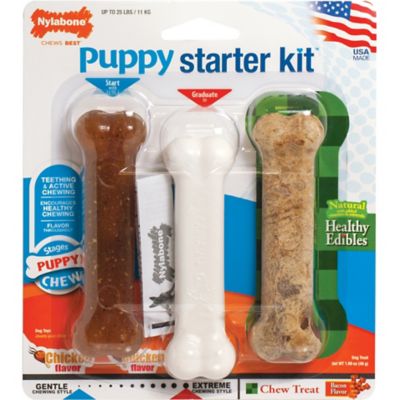
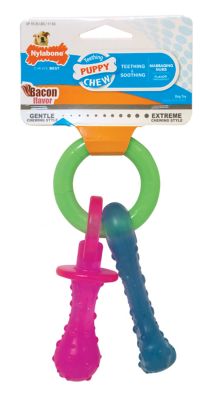
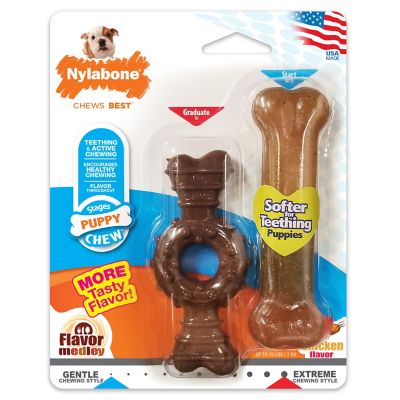
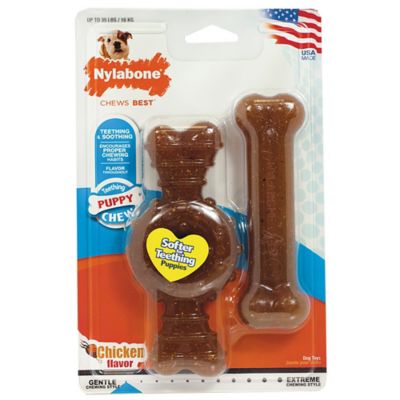
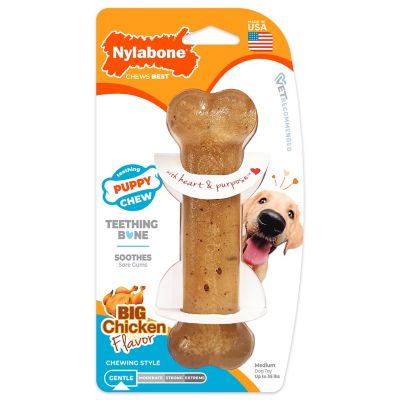
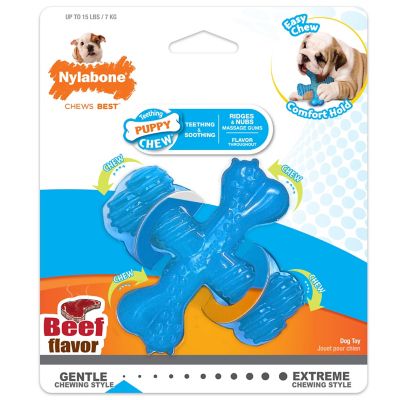
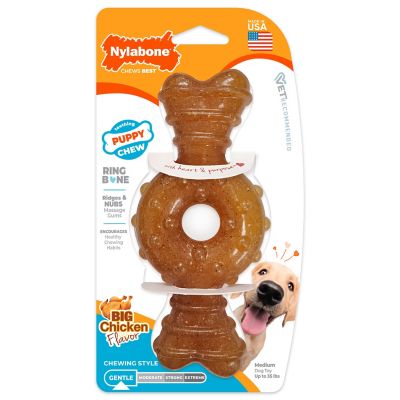
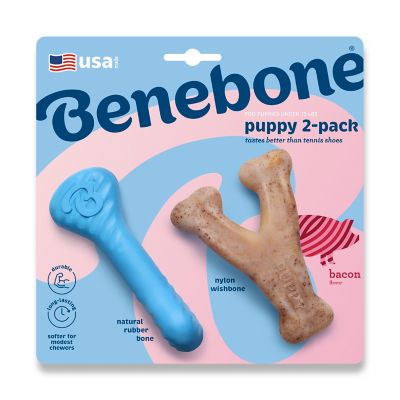
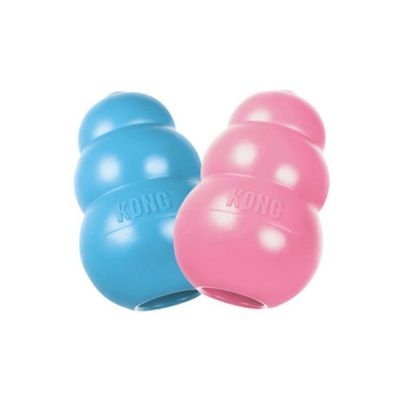
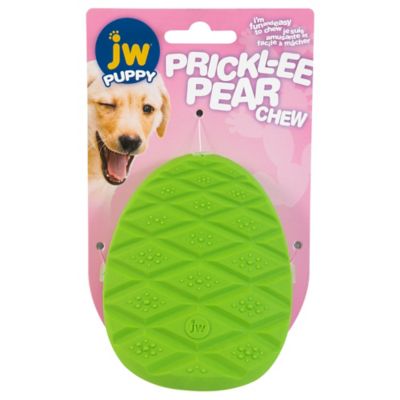
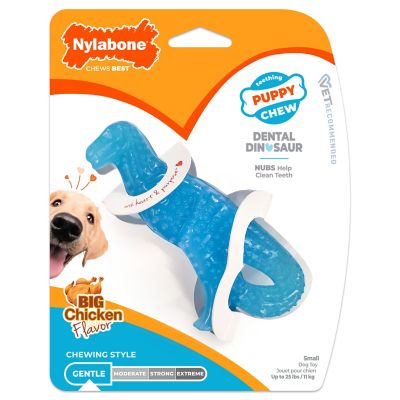
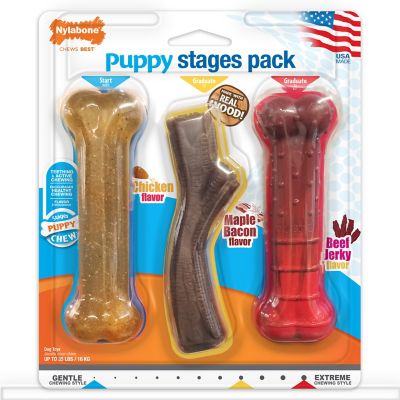
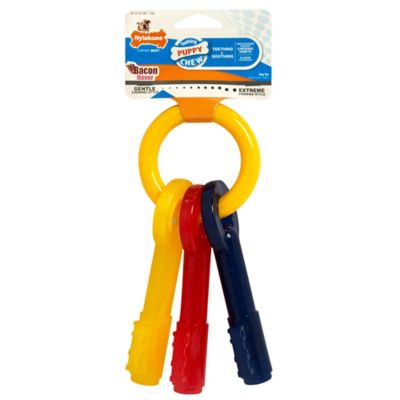
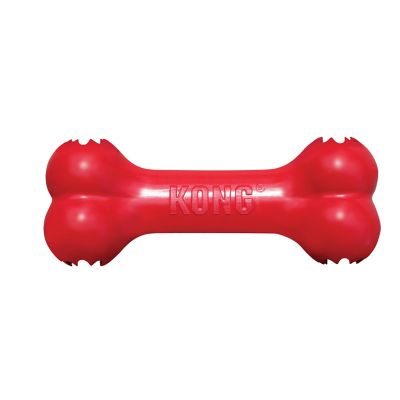
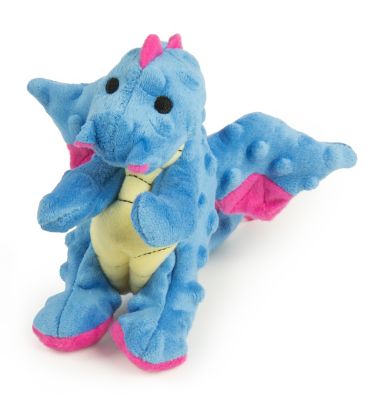
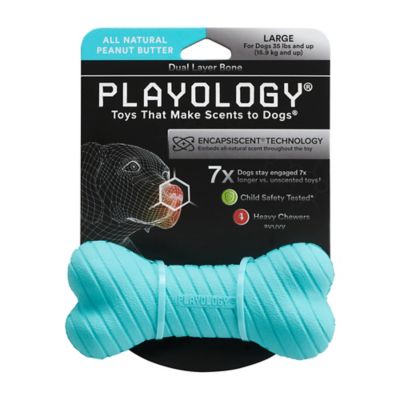
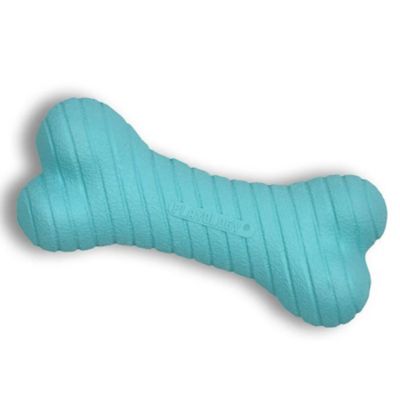
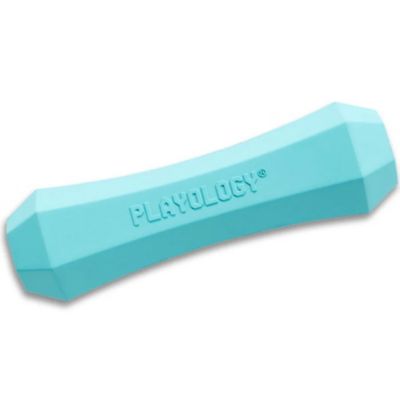
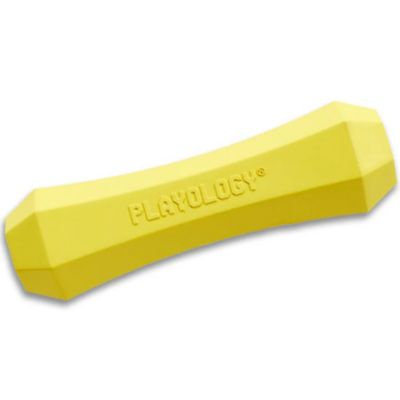
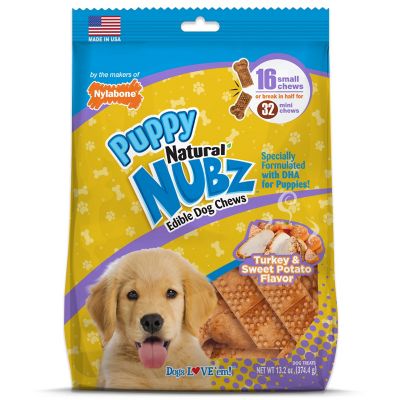
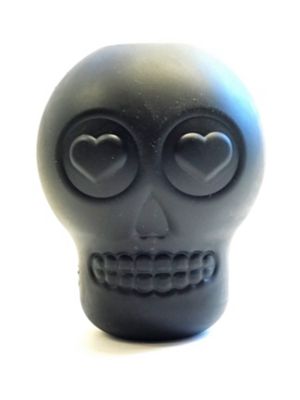
Soft chew toys for teething puppies give growing dogs a gentler outlet for the chewing that comes with sore gums and incoming teeth. A puppy exploring the house with its mouth may go from nosing a work boot by the back door to gnawing the corner of a chair in seconds. A flexible toy offers something more appropriate to mouth, carry, and settle down with while those little teeth are changing. Puppies generally begin losing their baby teeth around 3 to 4 months of age, with most adult teeth in place by about 6 to 7 months, though the timing varies. During that stretch, softer chewing surfaces can help ease gum discomfort without demanding the bite pressure that a hard chew requires. Gentle ridges, shallow grooves, and rounded bumps give tender mouths different surfaces to explore. The right feel depends on the puppy, not just the age printed on a label. One pup may slowly work a soft shape between its front teeth, while another plants its paws and starts pulling at an edge. Size matters just as much as softness: a toy should be easy to grip and carry without being small enough to swallow or lodge in the mouth. Breed-size recommendations, weight ranges, and age guidance help narrow the fit, but the puppy’s actual chewing habits deserve a close look, too. A broad, lightweight shape may suit a small mouth better than a thick, heavy design, while a larger puppy needs enough substance to keep the whole toy from disappearing behind its teeth. Openings and handles also need to suit the puppy’s head and jaw so neither can become trapped. These toys fit into everyday puppy life, from a supervised chewing break beside the kitchen table to a little mouth-and-carry play after a training session. Their purpose is to give young dogs an inviting place to direct normal chewing, not to stop that behavior altogether.
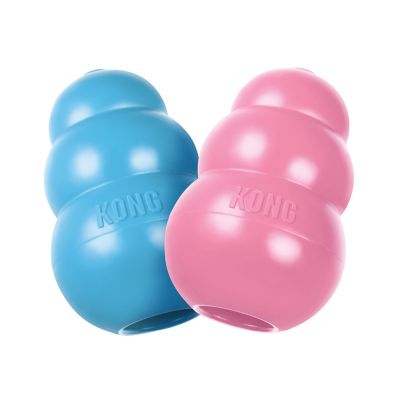
Material makes a big difference in how a puppy teething toy feels and how well it stands up to a particular mouth. Soft natural rubber has some give under pressure and often provides a springy surface for repeated chewing. Flexible polymers and pet chew toys made from silicone offer other textures and levels of firmness, so the material name alone does not tell the whole story. The finished toy’s thickness, shape, and intended age range matter as well. For a closer look at that springy style,
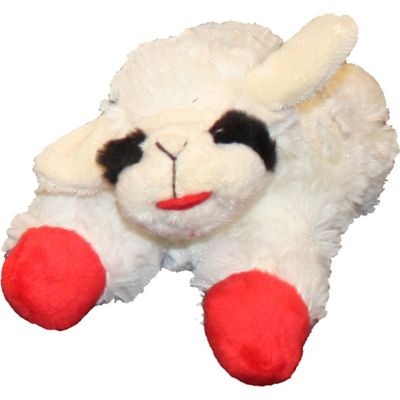
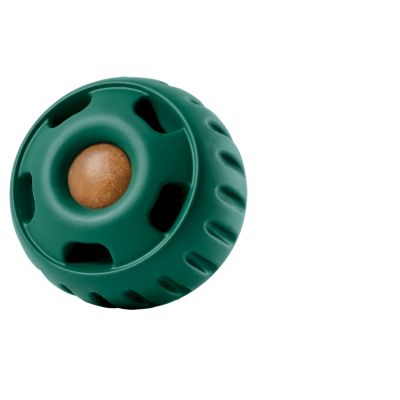
Rubber Chew Toys for Teething Puppies focuses on another option for young mouths. Plush toys have a different role: their fabric surfaces may appeal to puppies that prefer gentle mouthing, carrying, or resting beside something soft. They are a poor match for a pup that immediately tears through seams or pulls out stuffing. Fabric tabs, rope strands, squeakers, and attached pieces all call for attention because a determined chewer may loosen them. A soft feel does not mean a toy can withstand every chewing style, and no material is chew-proof. Textured surfaces should feel gentle rather than sharp, with shapes that let the puppy reposition the toy comfortably. Some teething designs are intended for chilling, which may add comfort for tender gums; cooling or freezing should happen only as the maker directs. A toy frozen solid can become much harder than its room-temperature surface suggests. Treat-holding designs bring another kind of engagement, especially for puppies that enjoy licking and working food from a shallow opening. Any filling needs to suit the puppy’s age and diet, with portions counted toward the day’s food intake. A little of the puppy’s regular food may be enough when the toy’s directions allow it. Flavored or scented toys are still toys unless clearly labeled as edible, and they should not be treated as something a puppy can safely finish eating. Those distinctions help match the toy’s intended purpose to the pup’s habits.
Everyday care keeps soft puppy chew toys ready for the next supervised session and makes changes in their condition easier to spot. Smooth, open shapes are often simpler to rinse than deep cavities or tightly packed fabric folds, where food and moisture can linger. Cleaning directions vary by material, so dishwasher cleaning, machine washing, and heat should never be assumed to suit every toy. Rinsing away food residue promptly and letting the toy dry fully between sessions helps keep the chewing surface fresh. Treat pockets need particular attention, including a look inside before they are filled again. Regular checks should cover more than the obvious tooth marks: stretched openings, lifted edges, split seams, exposed stuffing, missing pieces, and rubber that feels sticky or starts breaking apart all signal that a toy needs to leave the rotation. Once a puppy begins tearing off pieces, that toy is no longer a good match, even if the pup still seems eager to chew it. Close supervision means being near enough to notice that change, rather than leaving a new toy in a crate and hoping it holds up. Around the house, a couple of suitable textures can make redirection feel natural. Trading a grabbed slipper for a soft chew, then praising the puppy for settling with it, gives the puppy a clearer picture of what belongs in its mouth. These toys can also make a thoughtful gift for someone bringing home a puppy, especially when the choice reflects the dog’s size, stage of development, and play style rather than appearance alone. As adult teeth arrive, chewing strength and preferences may change, so the best fit deserves another look. Toys support normal play and chewing, but they do not replace dental care or veterinary attention. Persistent bleeding, noticeable swelling, a broken tooth, or reluctance to eat calls for a veterinarian’s advice. A well-matched soft chew gives a puppy something enjoyable to work on while keeping comfort, sensible care, and supervised play at the center of the routine.