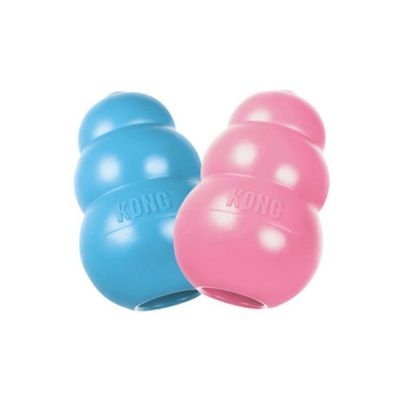
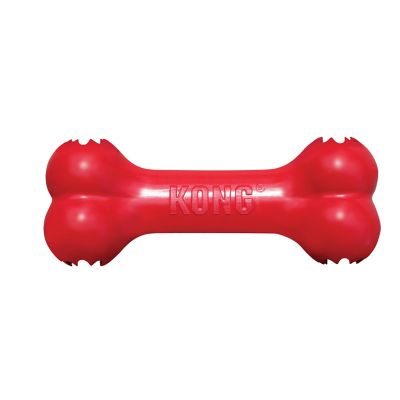
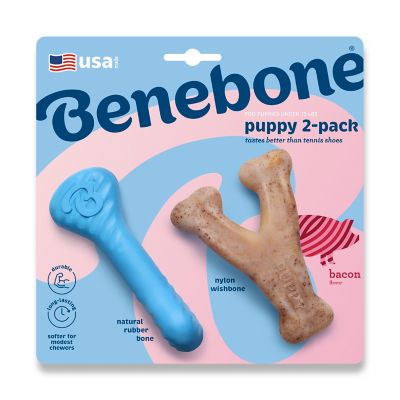
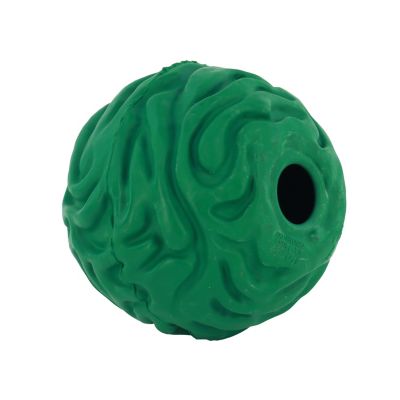
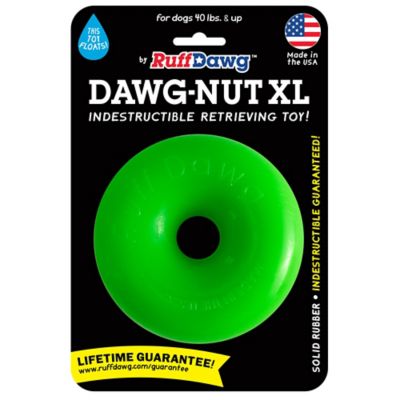
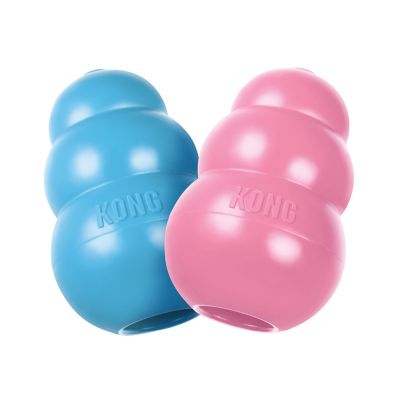
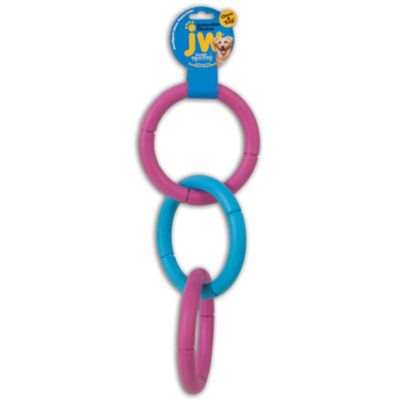
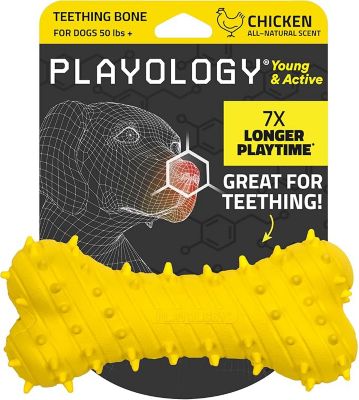
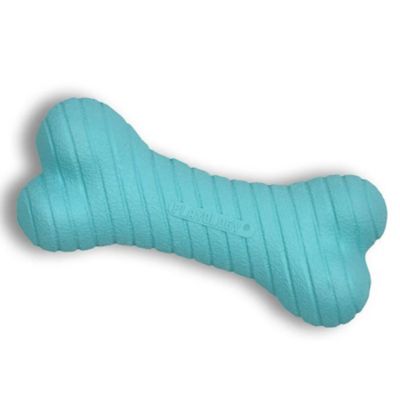
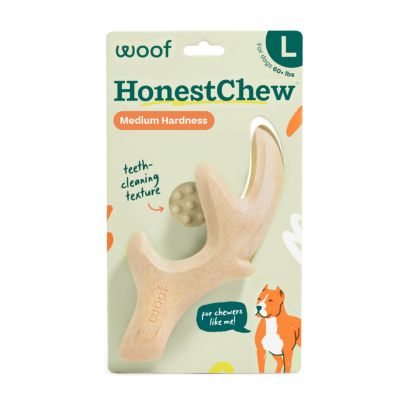
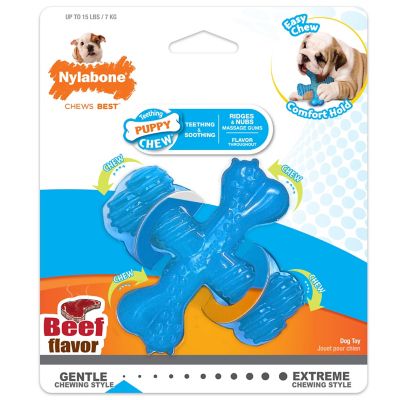
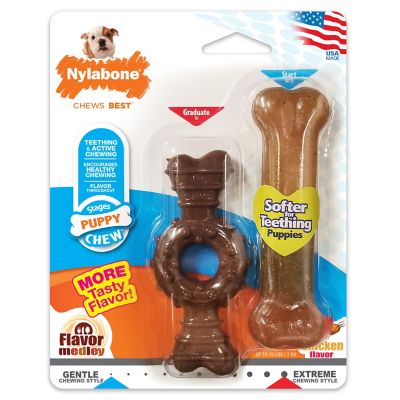
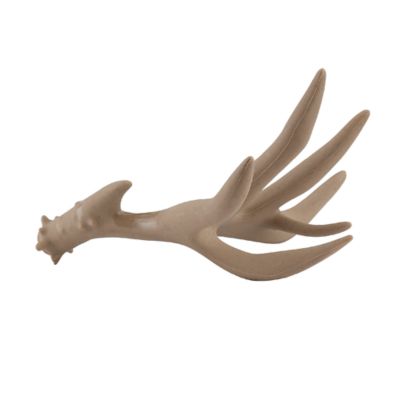
Rubber chew toys for teething puppies give busy little mouths something appropriate to work on while baby teeth loosen and adult teeth come in. Many puppies start losing baby teeth around 3 to 4 months old and have most of their adult teeth by about 6 to 7 months, though the timing varies. Through that stretch, chewing can help ease tender gums and give a puppy an outlet besides a chair rung, a boot heel or the corner of a dog bed. Puppy-specific rubber generally has more give than rubber intended for powerful adult chewers, making material firmness an important consideration alongside size and shape. Natural rubber and rubber blends can differ quite a bit in flexibility, so the material name alone does not tell the whole story. Clear age, weight and chewing recommendations help narrow the choices. A surface that yields slightly under a fingernail can be a useful starting check, but it is not a guarantee that a toy suits every puppy. Very hard chewing surfaces can damage developing teeth, while rubber that tears easily may leave pieces a puppy could swallow. The right fit allows comfortable chewing without letting the entire toy slip inside the mouth or lodge behind the teeth. A small breed puppy and a young farm dog with big paws may be the same age but need very different sizes. Length, width and the size of any openings all matter; weight recommendations are only one part of the fit. Rounded edges and a shape that rests comfortably between the front paws can make a chew easier to handle. Rubber chew toys are intended for supervised chewing and play, not eating, and even a tough-looking toy needs regular checks. Matching the toy to the puppy’s mouth and chewing habits matters more than choosing the thickest rubber on the shelf. A gentle nibbler may enjoy a flexible surface, while a puppy that immediately tries to tear off chunks needs a different option and closer attention.
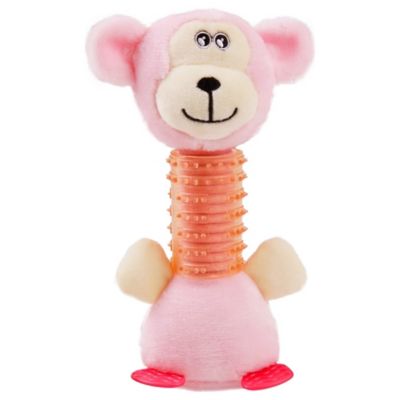
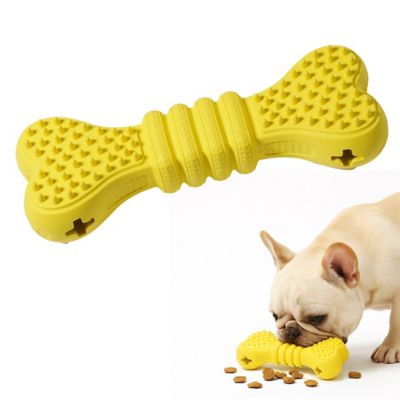
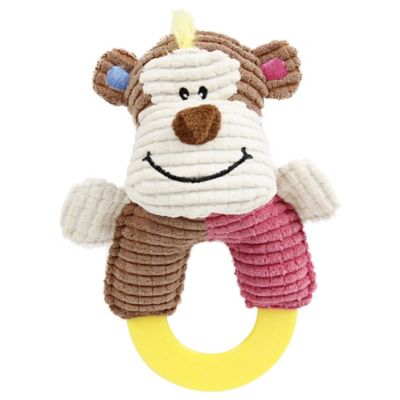
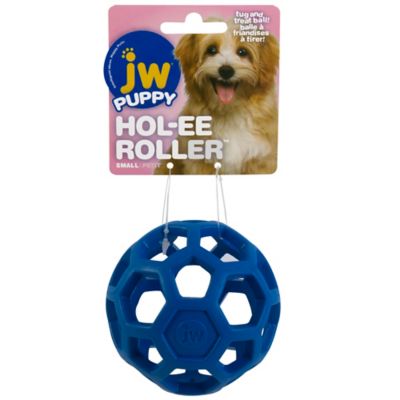
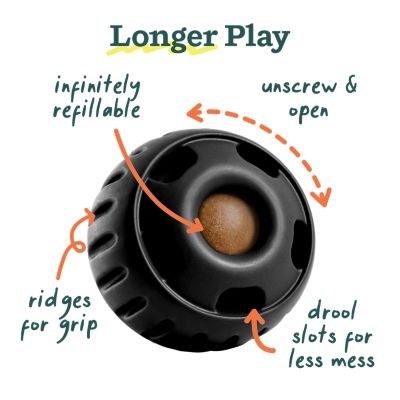
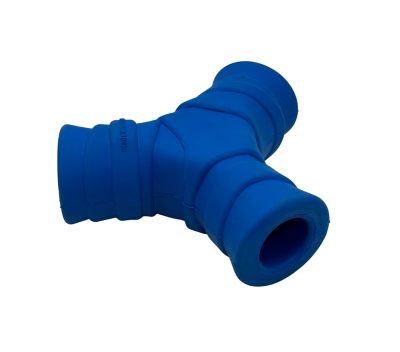
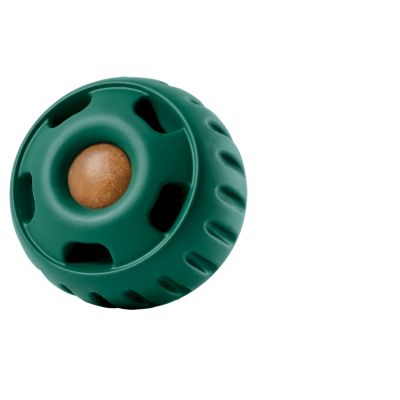
Shape and texture give rubber puppy chew toys different jobs throughout the day. Low ridges and rounded bumps offer varied contact against the gums, while smoother sections provide another chewing feel. Long, flexible shapes can be easier to brace with both paws, and rounded shapes may roll or bounce during short indoor games. A puppy settling beside the kitchen table may prefer steady chewing, while one ready for a little play may follow a bouncing toy across the floor. Those play styles call for different features, and neither requires sharp edges, hard projections or pieces that pull away easily. Squeakers and attached fabric can add interest, but they also introduce components that need inspection, especially for puppies that pick at seams or concentrate on one spot. Hollow rubber toys and treat pockets offer another way to keep a puppy engaged, provided the openings and overall size suit the mouth. A small portion of the puppy’s regular food, softened kibble or a suitable puppy treat can encourage licking and slower exploration instead of nonstop biting. Any filling counts toward the day’s food intake. Peanut butter must be free of xylitol, sometimes labeled birch sugar, and other ingredients unsafe for dogs; rich fillings can also upset a young stomach. For toys whose care directions allow it, a chilled filling may provide extra comfort for tender gums. Freezing is not appropriate for every material, and a rock-hard surface is not the goal for a sore mouth. Product directions and veterinary advice take priority over general suggestions. Puppies that favor an especially gentle chewing feel may also suit
Soft Chew Toys For Teething Puppies, with the same attention to size, material and supervision. A few different shapes can help reveal whether a puppy prefers holding, licking, rolling or gnawing, without assuming that every teething puppy wants the same thing. Simple features that match those habits often earn more attention than a complicated toy.
Everyday care has a lot to do with how well a rubber chew toy holds up in a puppy’s routine. Saliva, food residue and grit can collect in grooves and hollow centers, particularly when a toy travels from the house to the yard. Cleaning according to the label helps keep those surfaces ready for the next chewing session. Mild soap and a thorough rinse may suit some toys, while dishwasher cleaning is appropriate only when the manufacturer permits it. Filled toys need attention inside the cavity as well as around the opening, with remaining food removed and the toy allowed to dry before storage. Checks before and after play can catch split rubber, missing pieces, stretched openings or rough edges before they become a bigger problem. No rubber chew toy is indestructible, and a toy that fit well a few weeks earlier may become too small as a puppy grows. Supervision means staying close enough to notice forceful tearing, repeated gagging or attempts to swallow the toy, rather than leaving it with a puppy through a long stretch alone. A calm spot within sight of the family gives a youngster room to chew without being crowded by children or another dog. For a puppy investigating muddy chore boots by the back door, an appropriate chew offers a practical redirect, especially when calm chewing earns a little praise. Toys can support that routine, but they do not replace sleep, exercise, training or attention. They also make a thoughtful addition to a new-puppy gift when the giver knows the puppy’s age and size; a gift intended for later growth should stay put until it fits. Mild gum tenderness can accompany teething, but a broken tooth, facial swelling, persistent bleeding or reluctance to eat calls for a veterinarian. With sensible sizing, regular cleaning and a watchful eye, rubber puppy chew toys can have a useful place in the everyday business of raising a young dog.