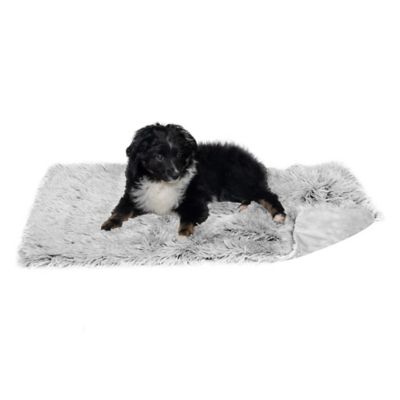
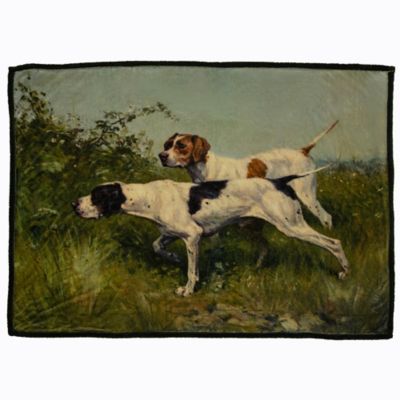
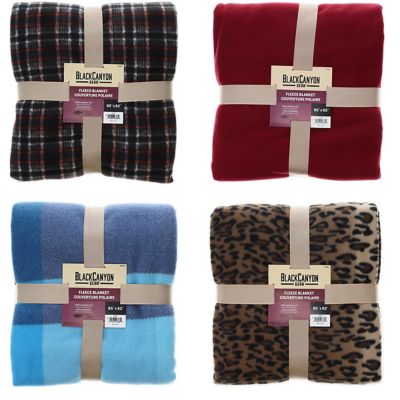
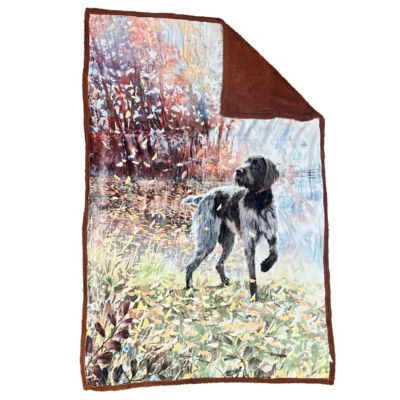
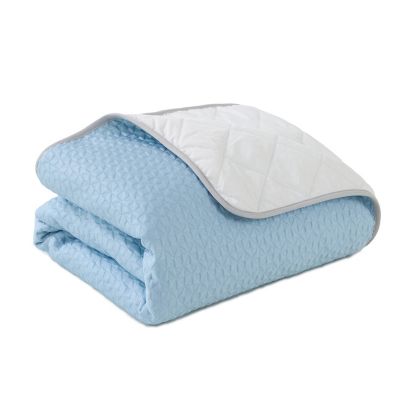
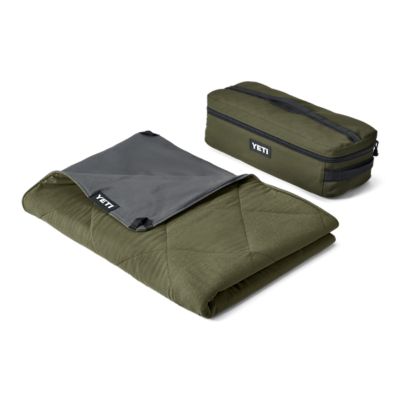
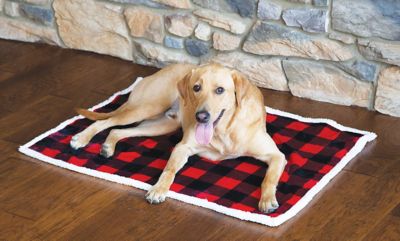
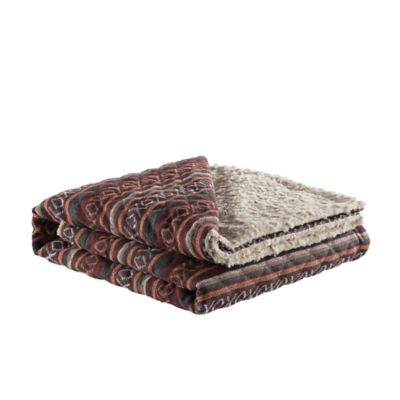
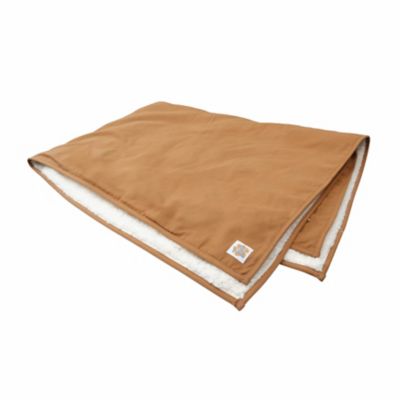
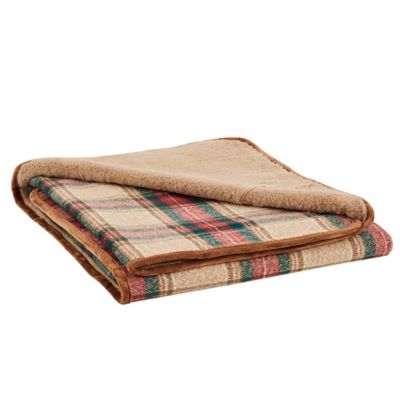
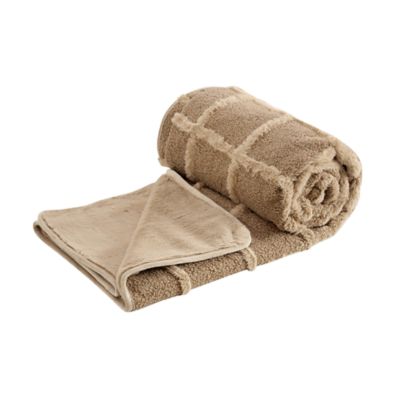
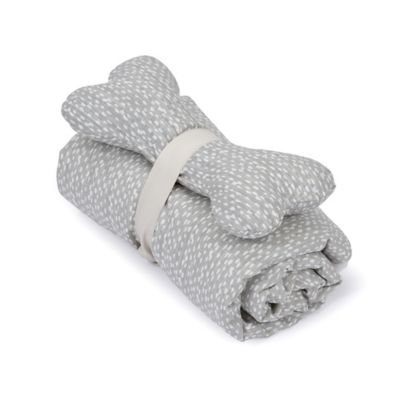
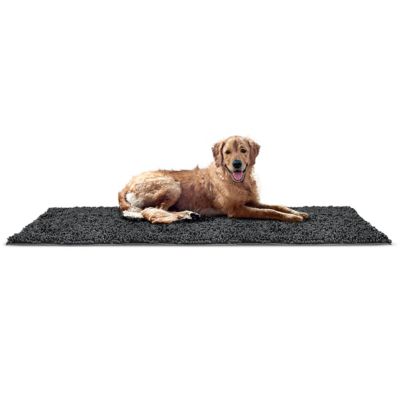
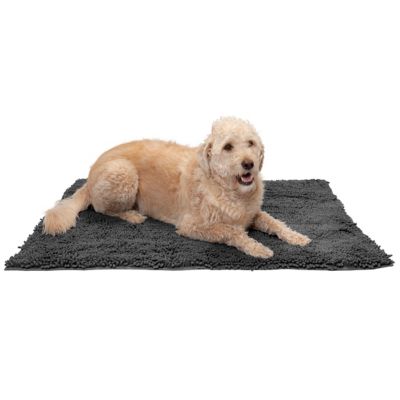
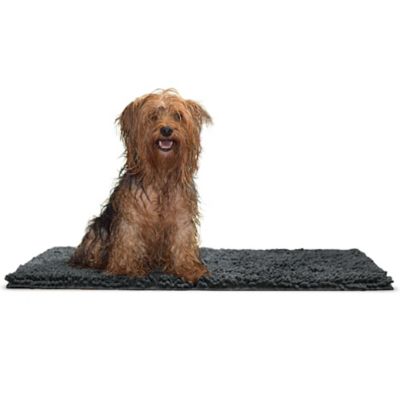
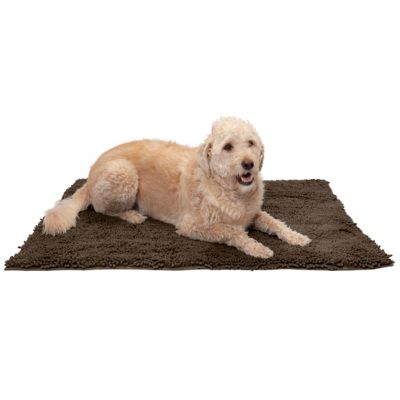
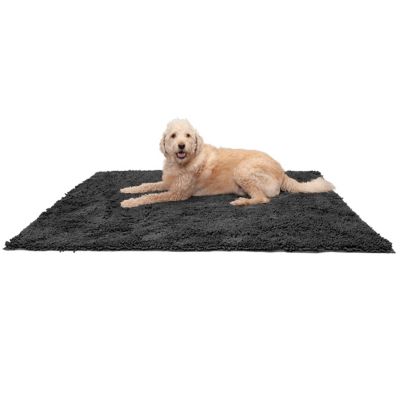
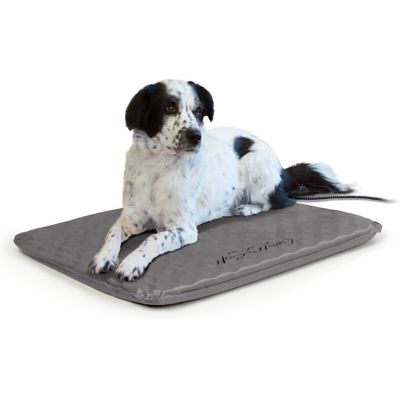
Dog blankets for cold weather add a soft, warm layer to the places a dog already likes to settle, whether that’s a bed beside the couch, a crate in the mudroom, or a spot near the family after evening chores. A blanket helps a dog hold onto body warmth while giving them something to nest in, curl against, or stretch out on. Small dogs, short-haired breeds, and older dogs may appreciate that extra layer, although comfort depends on the individual dog, the room temperature, and the rest of their bedding. For indoor lounging, fleece, sherpa-style fleece, and faux fur are common choices because their soft surfaces trap air close to the body. Smooth fleece generally has less pile to brush through, while deeper sherpa and faux-fur textures give dogs a plush place to tuck their noses. Quilted blankets bring a different feel, with stitching that helps keep the inner fill spread across the blanket. Thickness alone doesn’t tell the whole story: fabric construction, filling, and the surface underneath all affect how warm a resting spot feels. A blanket over a supportive dog bed serves a different purpose than a thin throw laid straight on a cold tile floor. Breathability matters, too, especially for thick-coated dogs that may prefer lying on top of a blanket rather than burrowing beneath it. Some dogs work their bedding into a little nest before lying down; others want a flat surface with room to sprawl. A flexible blanket suits the first habit, while a flatter, less fluffy layer may suit the second. Color and texture have practical roles beyond looks. A fabric close to a dog’s coat color can make shed hair less noticeable between washes, while a smooth surface may be easier to shake out after a nap. The most useful cold-weather dog blanket fits the dog’s resting habits as well as the household routine, without turning a favorite sleeping spot into a heavy pile of fabric.
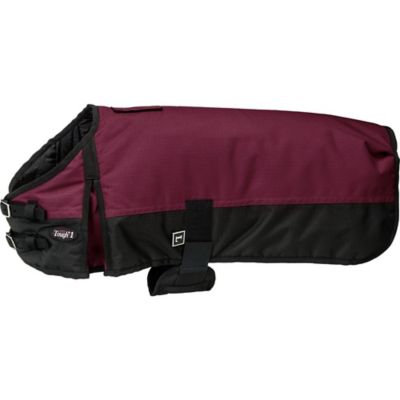
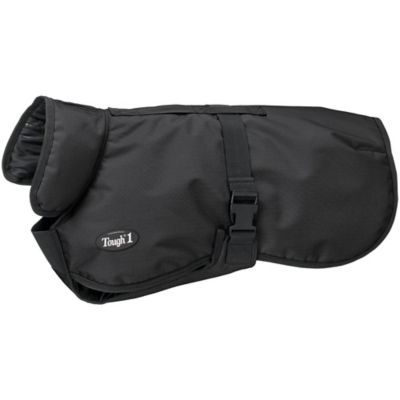
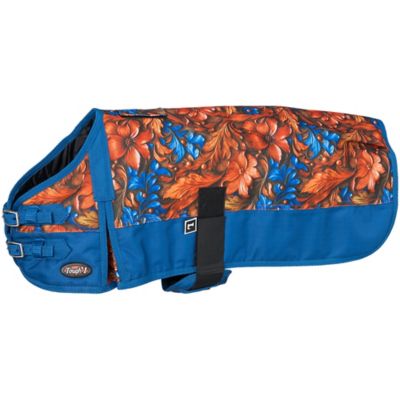
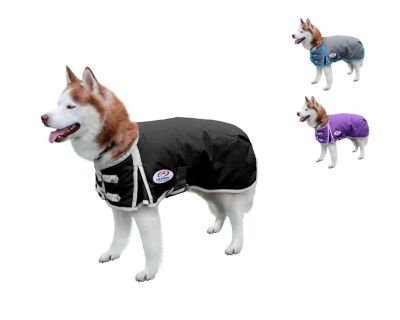
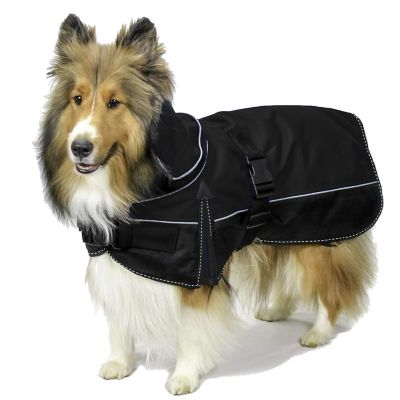
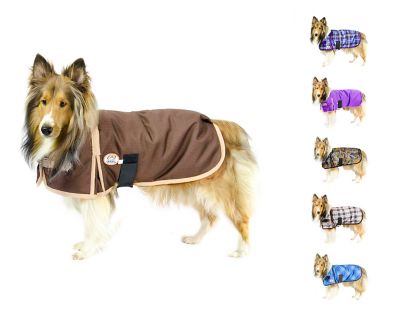
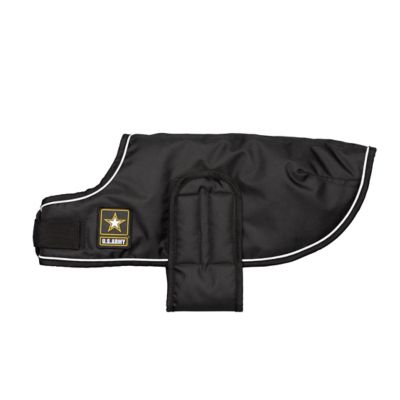
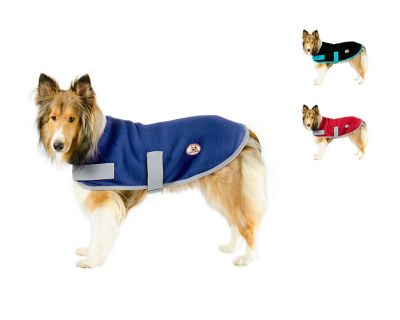
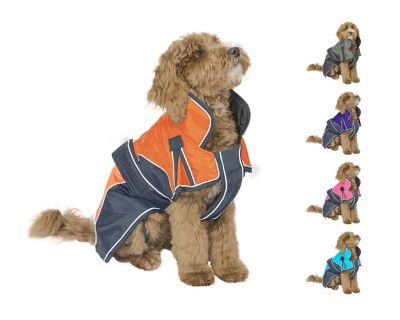
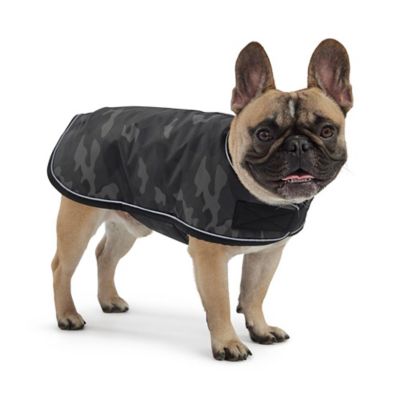
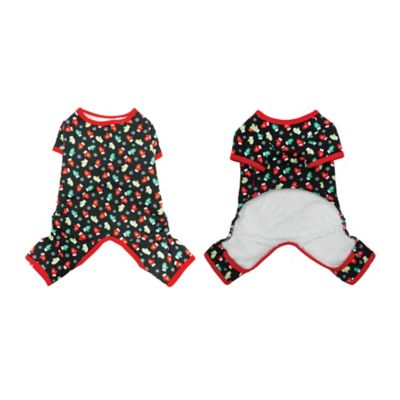
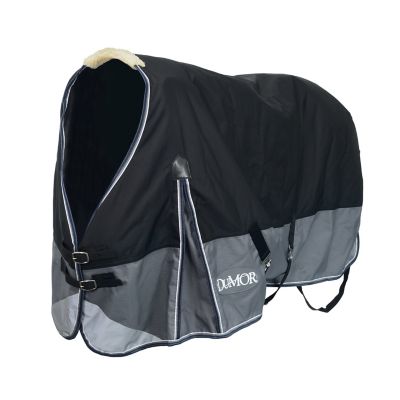
Size makes a real difference in how a dog blanket fits into daily life. A dog that sleeps nose-to-tail needs enough fabric to cover that curled shape, while a long-legged dog that stretches across the bed needs more room from end to end. Measurements of the dog’s usual sleeping area are often more helpful than weight alone, since two dogs of similar weight can have very different builds. On a couch or truck seat, extra coverage can help catch loose hair and paw prints, but long edges that drag on the floor can collect dirt or catch beneath feet. Inside a crate, the blanket should leave the dog room to turn around and settle without creating a tangled heap near the door. For dogs that chew, pull threads, or tear at bedding, close supervision matters more than softness, and damaged fabric needs to come out before loose pieces become a swallowing hazard. Construction details such as finished edges, secure stitching, and tightly woven backing can help a blanket stand up to pawing and repeated washing, though no fabric blanket is chew-proof. Water-resistant and waterproof designs also serve different needs. A water-resistant surface may slow small splashes, while a blanket with a waterproof barrier can help keep moisture from reaching furniture or bedding underneath, depending on its construction. That can be handy for a dog coming in with damp paws or an older pet prone to accidents, but wet bedding still needs prompt attention. Wearable dog blankets are another category, intended to fasten around the body rather than lie loose on a bed. Their fit depends on the manufacturer’s chest, neck, and back measurements, with enough freedom for walking and lying down without rubbing or dragging. An indoor fleece throw is not a weatherproof coat, and a wearable blanket is not permission to leave a dog outside in severe cold. For travel or supervised time outdoors, the intended setting matters just as much as the fabric, especially around wet ground, wind, gates, and brush that might catch loose material.
Easy care helps keep a dog’s resting place comfortable through muddy tracks, shedding, and the occasional accident. Machine-washable dog blankets can make regular cleanup simpler, provided the blanket fits the washer with room to move and the care label allows that wash method. A large, thick blanket may need more washer capacity than its folded size suggests, especially once it holds water. Shaking out loose dirt and removing surface hair before laundering can reduce the amount carried into the machine. Care instructions also matter for drying: high heat can affect certain synthetic fabrics, backing materials, and waterproof layers, so a blanket’s drying directions deserve the same attention as its washing directions. Thorough drying is important before the blanket goes back onto a bed, into a crate, or behind a truck seat. A damp layer can chill a dog rather than help keep them warm, and storing wet fabric in a closed space can leave it smelling musty. Having a second blanket in rotation keeps a familiar resting spot ready while the other one gets cleaned. Blankets belong in a dry, sheltered setting; ordinary fabric bedding can soak up moisture in an outdoor doghouse and become dangerously cold. Warm bedding also does not replace an appropriate indoor space or veterinary attention for a dog that keeps shivering, seems weak, or cannot get comfortable. At home, a dog should be able to move away from a blanket whenever they want, without being tightly wrapped or having their face covered. For a gift, a washable blanket sized to the recipient’s dog and favorite resting spot is a practical choice for a new pet household, a longtime dog owner, or someone who often travels with a four-legged passenger. In homes shared with cats, the
Cat Beds for Cold Weather collection offers another way to give each animal a resting place of their own. A soft surface, sensible coverage, and manageable cleanup can make a dog blanket part of everyday life, from a quiet nap after chores to a long ride home.