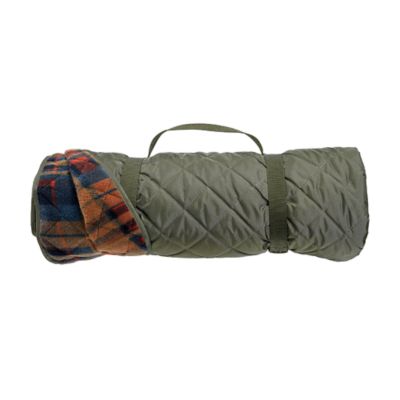
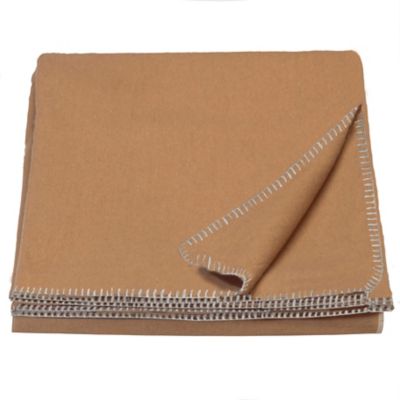
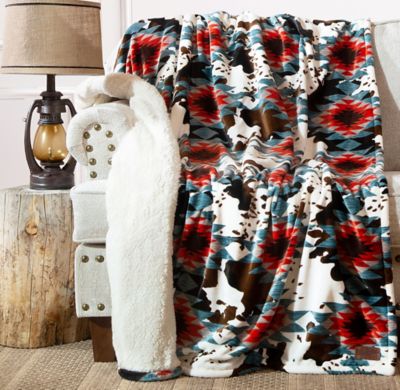
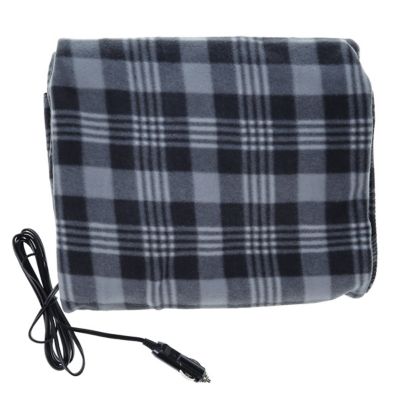
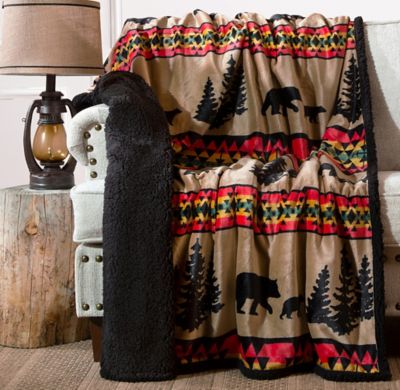
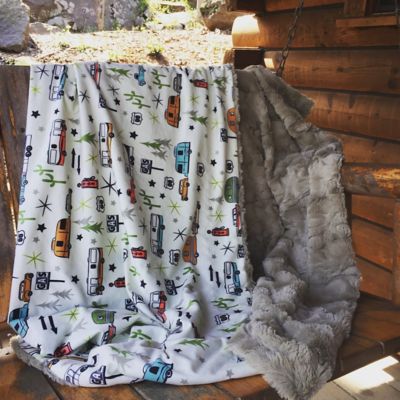
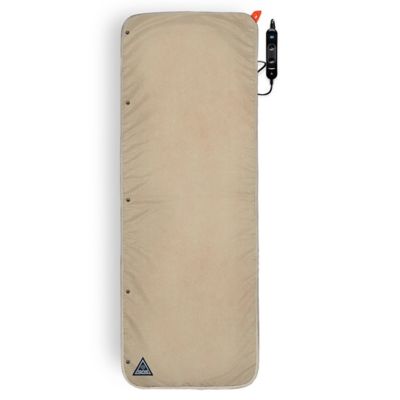
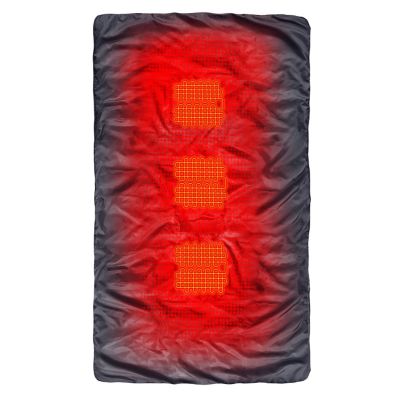
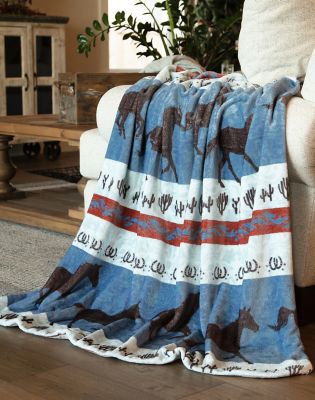
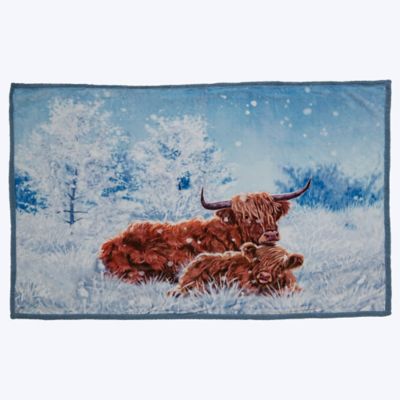
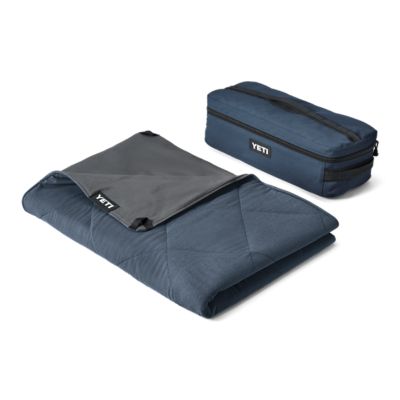
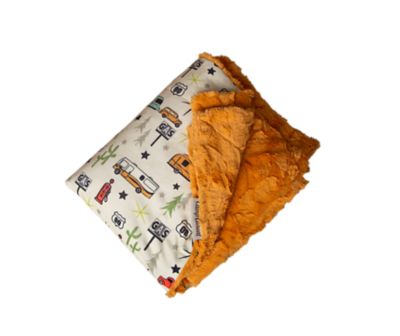
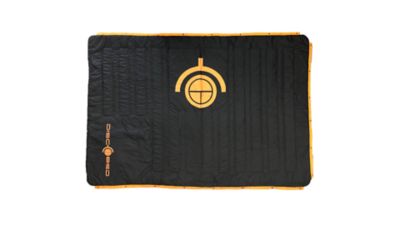
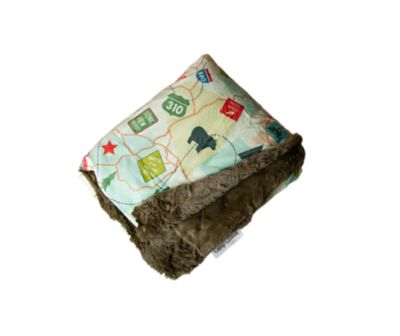
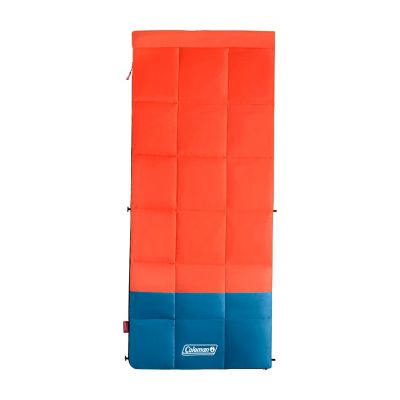
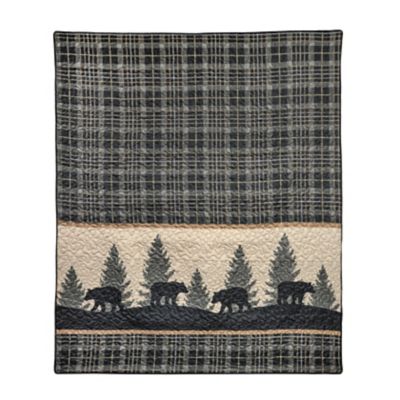
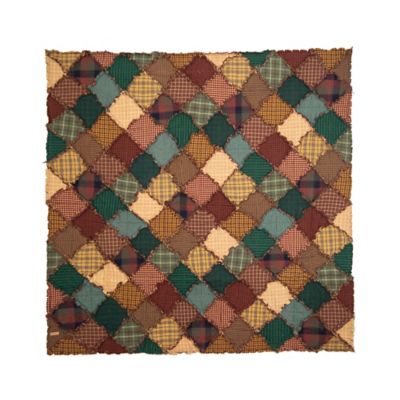
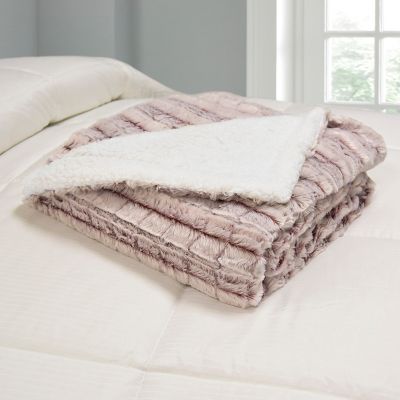
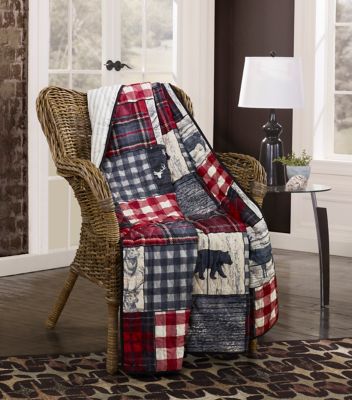
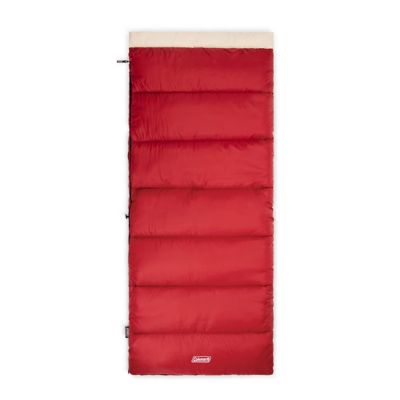
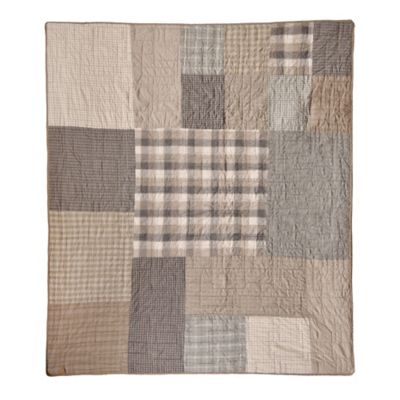
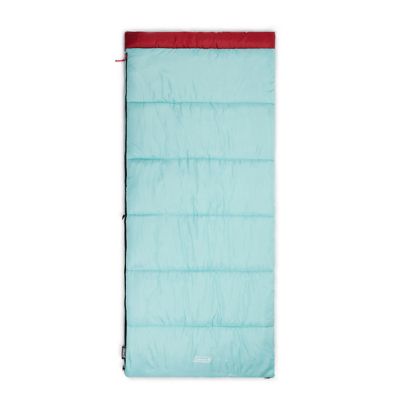
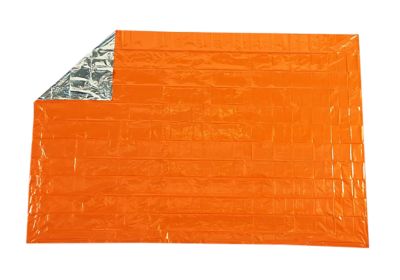
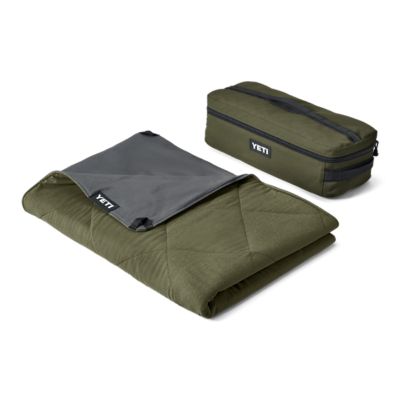
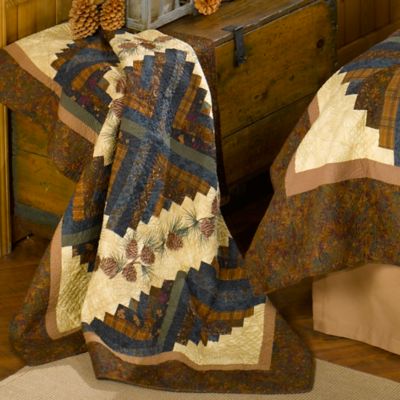
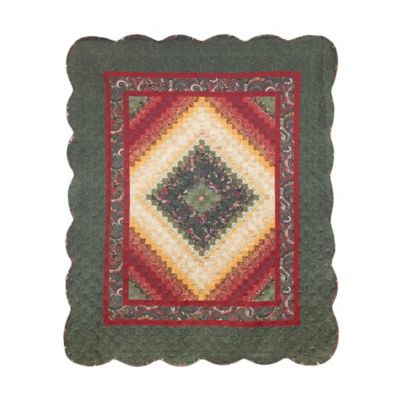
Warm blankets for camping add a welcome layer for porch-style comfort far from the porch, whether the evening ends in a folding chair beside the tent or on a camper bunk. The right match comes down to insulation, protection from wind and moisture, packed size, and the amount of ground the blanket needs to cover. Wool, fleece, and insulated blankets each bring something different to camp. Wool holds insulating air within its fibers and can still provide warmth when damp, though a wet blanket will feel heavier and take time to dry. A wool blend may have a different feel, weight, and care routine than an all-wool fabric, so fiber content matters as much as appearance. Fleece feels soft against the skin, dries relatively quickly, and works well as a lap layer or an extra covering inside a tent. An open fleece fabric lets wind through, making a sheltered campsite a better setting than an exposed overlook. Sherpa-style fleece adds a plush surface, but that thick texture takes up more room in a bag and can collect grass and trail debris. Puffy camping blankets pair an outer shell with insulation that traps air without the weight of a dense woven blanket. Synthetic fill generally handles damp conditions better than untreated down, while down offers strong warmth for its weight when kept dry. Neither makes wet bedding comfortable, and a water-resistant shell is not the same as a waterproof blanket. Shell fabric, seams, and any stated water-protection features all affect how a blanket handles dew or a brief sprinkle. Cotton can feel pleasant in dry, sheltered settings, but it absorbs moisture and dries more slowly than many synthetic fabrics. For nights with cold air settling into the campsite, a blanket’s warmth also depends on wind exposure, clothing, and what lies beneath the sleeper. Fabric weight alone does not tell the whole story, and a camping blanket should not be assumed to replace a sleeping bag suited to the expected overnight temperature.
Size and shape make a difference once the blanket leaves its storage bag. A small throw may cover knees nicely at supper but leave shoulders or feet exposed when stretched across a sleeping area. Length matters for tall campers, while enough width gives a seated person room to tuck the edges around their sides. Two people sharing a blanket need extra coverage, especially when one shifts position and pulls fabric away from the other. Dimensions are more helpful than labels such as throw or oversized, since those terms do not describe the same measurements across every blanket. For car camping, a heavier woven blanket can ride in the truck and stay close at hand for a quiet morning with coffee or an evening watching the coals fade. Backpacking calls for a different balance: every extra ounce travels up the trail, and packed volume competes with food, shelter, and other gear. A compressible insulated blanket can make more sense for that kind of trip, provided it offers enough warmth for the conditions and stays protected from rain inside the pack. Blanket details affect everyday comfort, too. A smooth lining slides easily over clothing, while a textured fleece face feels cozy against bare hands. Closures, where included, can help hold a wrap around the shoulders, and attachment points may keep an edge from slipping off a sleeping pad. Reinforced edging and closely spaced stitching help a blanket stand up to repeated folding, tugging, and travel. Quilting helps keep insulation distributed, though compressed fill under a seated or sleeping person provides less warmth than fill with room to loft. That is why a sleeping pad remains important beneath bedding: a thick blanket on top does not stop heat loss into cold ground. Around camp, practical coverage also means keeping loose corners out of mud and away from cooking equipment. A blanket that fits the person, the sleeping space, and the way the trip unfolds is more useful than extra fabric that never stays where it belongs.
Care is part of keeping a camping blanket ready for the next trip, especially after a weekend of dusty roads, damp grass, and meals eaten outdoors. Washing directions vary by fiber, lining, insulation, and finish, so the care label is the place to check before laundry day. Some wool blankets need gentle cleaning and careful drying to avoid shrinking or changes in texture. Fleece and synthetic-filled blankets may allow machine washing, but heat settings and detergent restrictions still matter. Fabric softeners can interfere with certain finishes, and high dryer heat can damage some shells or fibers. Shaking off loose dirt before packing helps keep grit from working into the fabric, while prompt attention to spills keeps a small mess from becoming a lingering smell. After a damp night, bedding needs to dry fully before it goes into a closed tote or stuff sack. Insulated blankets also benefit from storage that gives the filling room rather than leaving it tightly compressed between trips. At the campsite, a dry storage spot inside the tent or camper helps protect a spare blanket until it is needed. For camper sitting areas and tent entrances,
Outdoor Rugs For Camping can help define a gathering spot and catch some dirt from boots before it reaches bedding; a rug does not replace a sleeping pad or waterproof ground protection. Fire safety matters with every blanket material. Sparks can scorch fabric, synthetic fibers may melt, and even wool should stay clear of flames, hot grills, and heaters. Warm camping blankets also make practical gifts for weekend anglers, trail walkers, camping couples, and families who spend plenty of time outside. A gift feels more thoughtful when its size, texture, care needs, and carrying weight suit the person receiving it. From a lap covering beside the picnic table to an extra layer over camp bedding, a well-matched blanket brings comfort without asking for much fuss.