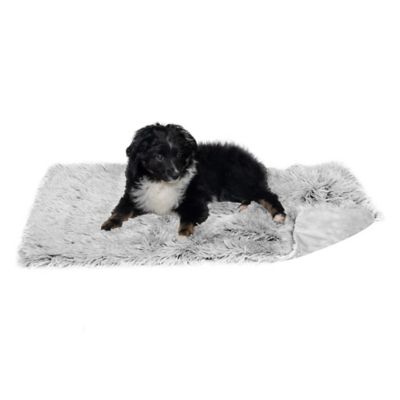
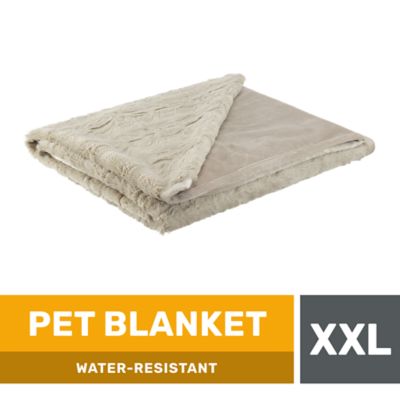
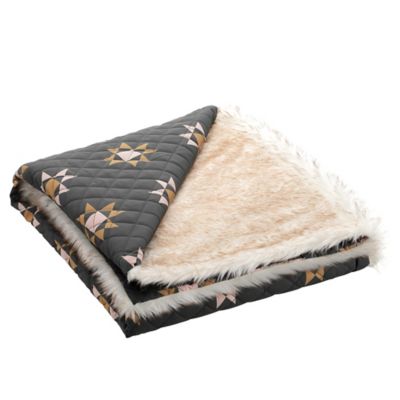
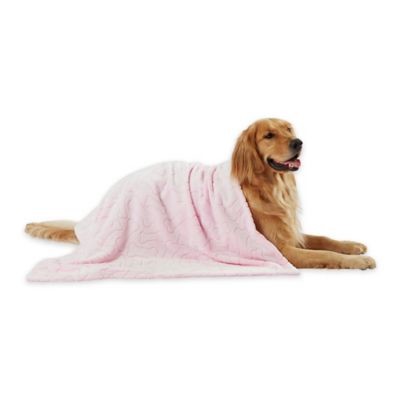
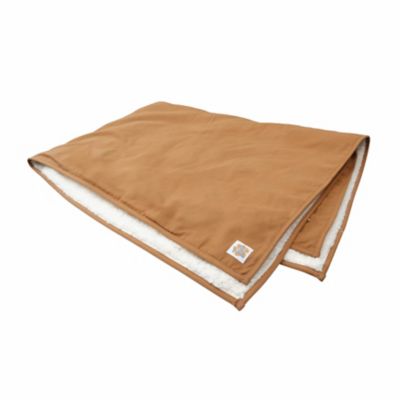
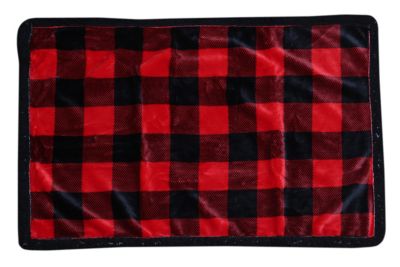
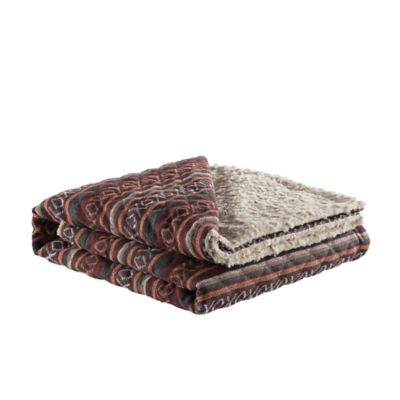
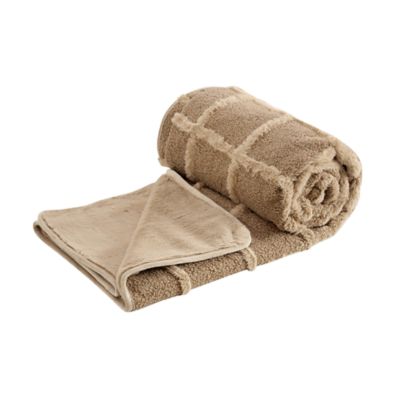
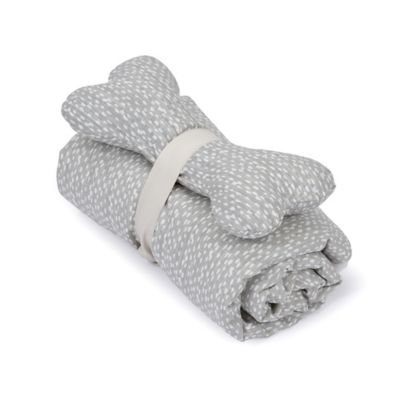
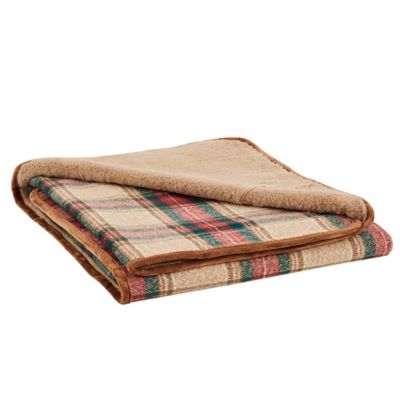
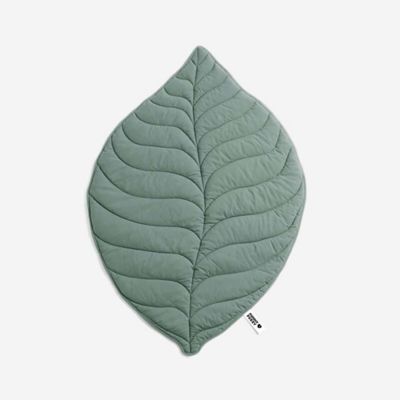
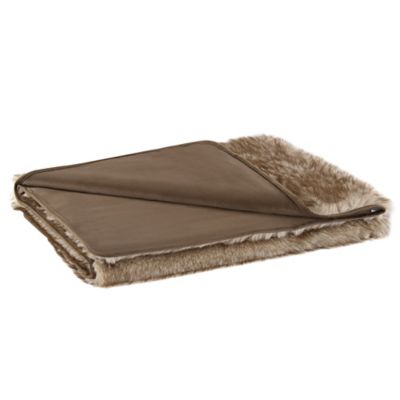
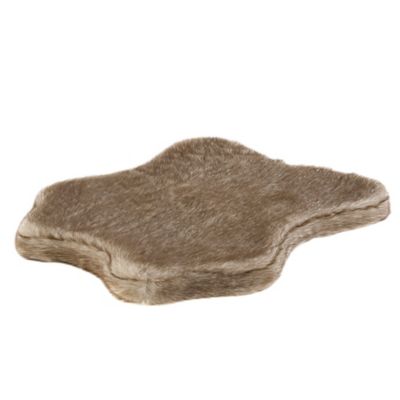
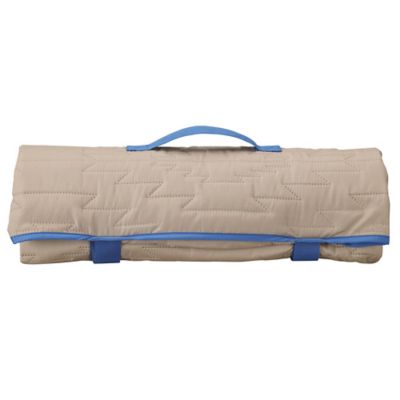
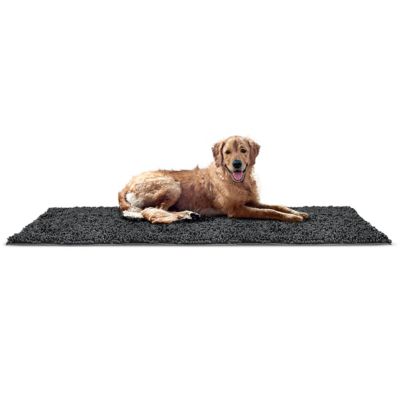
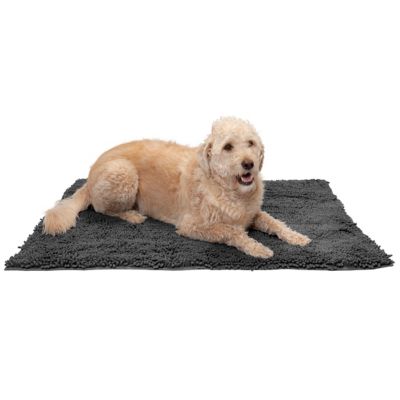
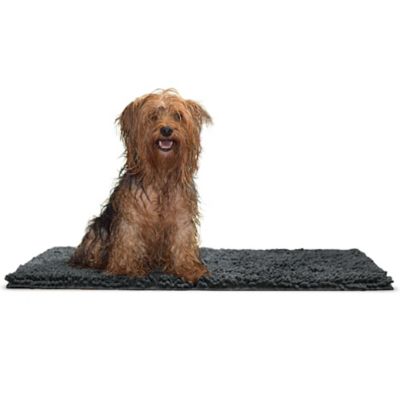
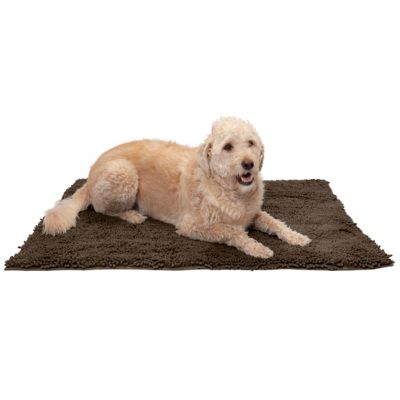
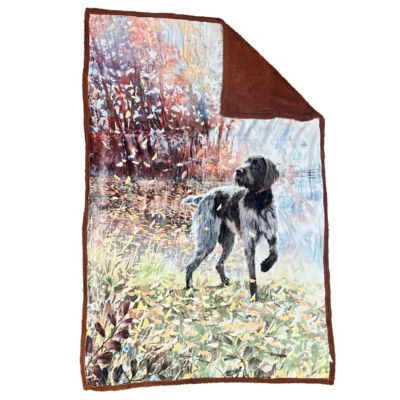
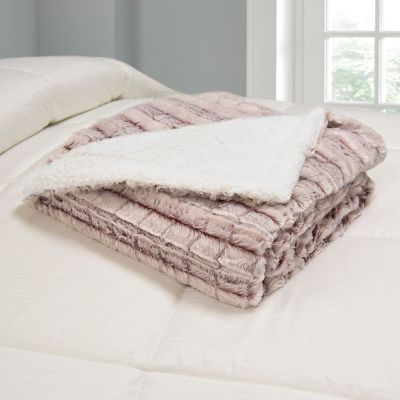
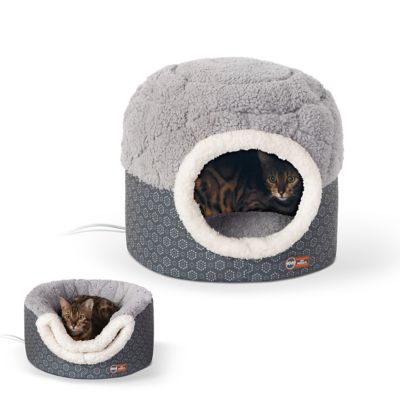
Christmas pet blankets for cold weather combine festive colors and patterns with soft fabrics that give dogs and cats an extra layer of comfort. Fleece, sherpa, and faux fur are common materials, each with a different feel for naps beside the couch, evenings near the family, or a familiar resting spot away from the holiday bustle. Polyester fleece is generally lightweight, flexible, and quick to dry, making it a practical option for pets that like to rearrange their bedding before settling down. Sherpa has a fluffy, textured surface that holds warmth close, while faux fur offers a longer pile that some pets enjoy nestling into. A smooth backing can make a blanket easier to spread across a bed, while a plush reverse gives pets another comfortable surface to curl against. Thickness alone does not tell the whole story: fabric density, construction, and the bedding underneath all affect how comfortable a resting spot feels. A folded blanket over a cushioned pet bed creates a different setup from a single thin layer on a bare kitchen floor. For a cat tucked into a sunny window seat or a short-haired dog resting after a frosty walk, that extra layer can make a favorite spot more inviting. Red and green plaids, snowflakes, reindeer, and other Christmas patterns add holiday character without changing the blanket’s everyday purpose. The most useful styles balance that festive look with a texture the pet already likes. Some animals prefer a flat, smooth surface, while others settle more readily into a soft pile. An ordinary fabric blanket provides insulation rather than producing heat, and comfort still depends on the room temperature, the pet’s coat, and individual needs. Christmas pet blankets belong alongside suitable indoor bedding and warm, dry shelter, not in place of them. They also offer a familiar place to rest when visiting family, especially when the holiday gathering puts the pet in a different room or home.
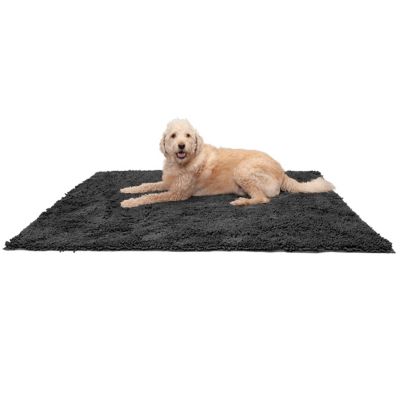
Size and shape matter just as much as softness when a blanket becomes part of a pet’s regular resting space. A small throw may suit a cat bed, a compact carrier, or a little dog that sleeps in a tight curl. A larger blanket gives a long-legged dog room to stretch and can cover more of a sofa cushion or the top of a roomy pet bed. Measurements are more helpful than a size name alone, particularly for pets that switch between curling up and sleeping on their sides. Enough fabric to cover the resting area, with a little room for shifting and nesting, generally works better than a blanket that barely reaches the edges. Too much loose fabric can bunch beneath a pet or crowd a small carrier, so a close match makes sense in confined spaces. For crate bedding, the blanket should lie comfortably inside without interfering with the door or making the space cramped. A blanket on a couch can catch loose hair and everyday paw marks, though ordinary fleece or plush fabric should not be mistaken for a waterproof barrier. On a slick floor, a blanket may slide when a dog steps onto it; a stable bed underneath gives it a more settled foundation. Car rides call for the same attention to placement. A familiar blanket can soften a resting surface, but it should stay clear of vehicle controls and should never interfere with a pet’s travel restraint or carrier ventilation. Strong edge stitching and a well-secured binding help a blanket stand up to repeated nesting, pawing, and trips through the laundry. Simple edges also leave fewer dangling details for a curious puppy or playful cat to mouth. Pets that chew or swallow fabric need close supervision, and torn bedding should come out of their space. A blanket should remain loose enough for the animal to leave it easily rather than being wrapped tightly around the body.
Easy care helps a Christmas pet blanket earn its place beyond a holiday photo. Machine-washable fabrics can simplify cleanup after muddy paws, shed hair, or a spilled water bowl, but washing and drying directions vary with the material and construction. The care label is the best reference for water temperature, detergent restrictions, and drying methods. High heat can change the feel of some fleece and plush fabrics, and long-pile surfaces may need extra attention to prevent tangles or flattened patches. Removing loose hair before laundering helps keep it from collecting in the washer, while a thorough rinse keeps detergent residue from lingering against a pet’s skin. Fragrance-free detergent may be a better fit for a household with scent-sensitive pets. A blanket needs to dry fully before returning to a bed or carrier; damp fabric loses much of its cozy appeal and can leave the resting area chilly. Washable layers are especially handy in a busy home where a dog comes in from the yard or a cat claims several favorite chairs. Keeping another clean blanket ready makes laundry day less disruptive to that routine. For gifting, practical details often mean more than elaborate trim. A generous size for a large dog, a soft surface for an older cat, or a manageable blanket for a family that travels with pets shows attention to how the household lives. Families welcoming a new pet may appreciate bedding that gives the animal a consistent place to settle amid Christmas visitors and activity. Coordinating a pet’s resting corner with
Holiday Blankets around the living room can carry the festive look through the house while keeping pet bedding separate from family throws. Familiar plaids and winter patterns fit comfortably beside a favorite armchair or at the foot of a bed. Once the presents are put away, an easy-care blanket can keep serving as a soft resting layer through cold-weather naps, quiet evenings, and trips to see family.